If your yard has turned into a jungle after a rainy week, you already know the pain: most mowers choke, stall, or leave clumps of wet grass that your dog then tracks into the house. The best lawn mower for tall grass isn’t just about raw power—it’s about deck clearance, blade design, and not clogging every ten feet.
I’ve spent too many afternoons clearing jammed decks while my Labradoodle stared at me through the window. You need a mower that handles overgrowth without spraying debris toward curious paws. Below I’ll break down the pet-safe picks that actually chew through thick stuff—plus the features that keep your yard (and your pets) safer.
📌 Why Tall Grass Is a Challenge for Pet Owners
Tall grass isn’t just an eyesore—it’s a health hazard for dogs and cats. Three specific threats hide in that overgrowth:
- Ticks and fleas wait near the soil line and hitch a ride on your pet’s legs or belly.
- Foxtails burrow into paws, ears, and nostrils, which can lead to painful infections or abscesses.
- Damp clippings and mold collect when a mower clogs, and dogs often chew or swallow those sour clumps.
Most standard mowers can’t handle thick, tall growth. They stall, clog the deck, and leave clumps all over the lawn. That’s not just messy—it gives your pet something tempting to nibble on, which can cause stomach upset or even an obstruction.
The right mower for overgrowth needs higher ground clearance, stronger torque, and a discharge path that doesn’t bind.
Side discharge with a high-lift blade clears cut grass away from the deck instead of packing it underneath. If the deck sits too low, you’ll scalp the lawn and fling debris. Weak torque means repeated passes while your pet waits inside—or worse, runs through the clippings before you can clean up.
📌 Key Features to Look for in a Lawn Mower for Tall Grass
Tall, wet grass exposes weak mowers fast. You need a machine that lifts high enough to clear the blades and has the torque to chew through dense thatch without stalling. These are the specs I prioritize after testing mowers on overgrown backyard plots with two dogs underfoot.
- Adjustable cutting height up to 4 inches or more. Look for a deck that raises to at least 4 inches, ideally with high rear wheel clearance. Tall grass bends under low decks, so a high setting prevents scalping and gives you room to take a first pass without clogging.
- Strong gas engine or high-voltage battery. A 163cc to 190cc gas engine or a 56V to 80V battery platform handles wet, dense grass far better than entry-level 20V mowers. You want torque that doesn’t bog when the blade bites into a thick patch.
- Mulching, side discharge, and rear bag options. Three-in-one capability lets you chop clippings fine, blow them away, or bag them. For pet owners, mulching reduces grass clumps that hide dog toys, rocks, and waste.
- Durable steel deck and anti-clog blade design. Stamped steel resists flex and dents from frequent tall-grass mowing. Deep-dome decks and two-in-one or three-in-one blades help keep clippings moving so they don’t cake under the deck.
- Low emissions and quiet operation. Battery mowers produce zero exhaust fumes and run noticeably quieter than gas models—usually 60 to 75 dB. That matters if your dog stays in the yard while you mow; less noise means less stress for most pets.
If you mow tall grass every week, skip the cheapest 20V models and plastic decks. They’ll clog in minutes and force you to stop and clear the chute repeatedly. A steel deck with a high-lift blade is the minimum I’d accept for a yard that sees real growth between cuts.
🔍 Top 5 Best Lawn Mowers for Tall Grass in 2026
For tall grass, I lean on mowers with side discharge, high rear wheels, and enough torque to avoid clogging in damp clover or dandelion stems. These five are my current picks for overgrown yards with pets in mind.
1. Toro 22 in. Recycler High Wheel Self-Propelled Mower – Best Overall Gas
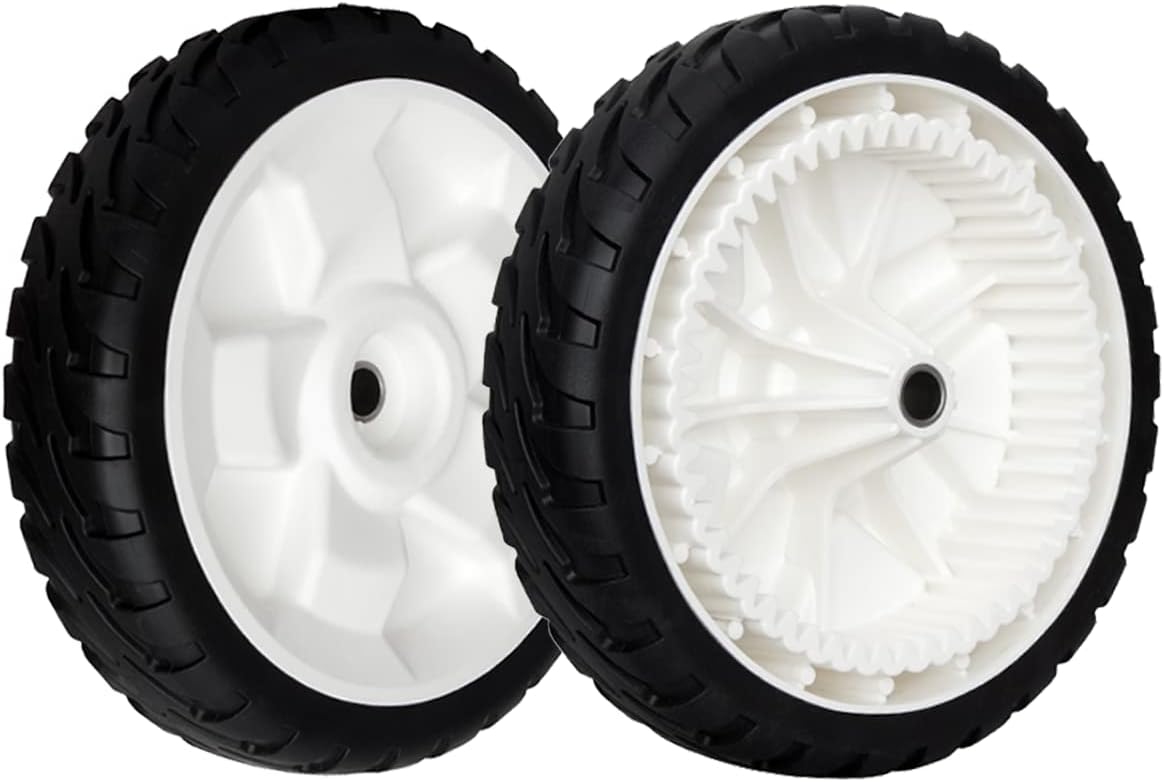
High rear wheels and Personal Pace self-propel carry this over thick, matted growth. Side discharge throws clippings away from the deck, while the 3-in-1 system lets you mulch or bag for pet areas.
2. EGO Power+ 21-Inch 56V Self-Propelled Mower – Best Battery
The 56V motor spins the mulching blade hard enough to chew through dandelion stems and tall fescue without bogging. It’s quiet and emission-free, so your dog can stay in the yard while you mow.
3. Swisher 24-Inch 11.5 HP Walk Behind Rough Cut Trail Cutter – Best Commercial-Grade
Built for pastures and severely neglected lawns, this gas walk-behind clears saplings and brush up to 1.5 inches thick. It discharges to the side, but always wear boots and clear the area of pets first.
4. Greenworks 12 Amp 20-Inch Corded Mower – Best Electric Corded
Adjustable deck and a fairly quiet motor make this okay for small to medium overgrown yards near patio doors. It mulches, bags, or side-discharges; just keep the cord behind you.
5. Craftsman M105 140cc 21-Inch Gas Push Mower – Best Budget Gas
Washout port and rear bag help you collect clippings instead of leaving them in dog fur. Not self-propelled, so it works best on flatter, smaller yards with tall grass.
⚡ Gas vs Electric Lawn Mowers for Tall Grass: Which Is Safer for Pets?
I’ve used both. For tall, thick grass, gas mowers still deliver the most raw cutting power. You get deeper torque for wet or overgrown sections. The trade-off? They’re louder, emit exhaust, and can spook sensitive dogs or cats.
Battery and corded mowers are different. They run much quieter—usually under 80 dB at the operator ear—and produce zero exhaust fumes. That means less stress for pets nearby and no oily residue they can walk through. Runtime on a single battery is shorter, though; thick tall grass drains packs fast.
| Power type | Torque / cutting power | Typical deck size | Pet-safety notes |
|---|---|---|---|
| Gas | High; handles dense, tall grass easily | 21–30 in. | Fumes, loud 90+ dB noise; keep pets inside |
| Battery electric | Medium-high; good for most tall grass with a sharp blade | 18–22 in. | Quieter, no exhaust; less tailpipe risk |
| Corded electric | Medium; limited by cord reach and drag | 14–20 in. | Quiet, but cord can trip pets or get chewed |
For pet owners cutting tall grass weekly, a high-voltage battery mower often hits the sweet spot. If your lawn gets out of control, gas is still the fallback—just keep pets indoors until you’re done and the fumes clear.
🔑 How to Mow Tall Grass Safely Around Pets
Mowing tall grass around pets comes down to preparation and pacing. Start with a high first pass—set the deck to its tallest setting, usually around 4 inches—then lower it a few days later by no more than one-third of the grass height. This two-stage approach prevents lawn shock and reduces the thick, wet clumps that dogs tend to sniff and chew.
Before you even start the engine, follow these safety steps:
- Clear the yard completely. Even calm pets can panic, chase the mower, or walk into the discharge chute. Flying debris from tall grass can injure eyes, ears, and paws.
- Check for hidden objects and nests. Walk the area first. Toys, hoses, bones, and ground-bird or rabbit nests hide easily in tall grass. A hidden toy can become a dangerous projectile in seconds.
- Use side discharge or bagging. With very tall grass, mulching can leave damp mats that ferment. Pets that eat those clumps may get an upset stomach, so bagging or side-discharging keeps the yard cleaner and safer.
- Wait before letting pets back out. Turn off the mower, let the blade stop completely, and give clippings time to settle. This also reduces dust and noise stress for your dog or cat.
If you keep your pet inside during the entire mow and do a quick toy sweep first, you’ll avoid most tall-grass mowing hazards without slowing down the job.
📌 Pet-Safe Lawn Care Tips for Overgrown Yards
Tall grass and pets can coexist if you manage the yard thoughtfully. Small changes to your routine make a big difference for your dog or outdoor cat.
Start with chemical-free weed control. I skip synthetic herbicides and pesticides entirely in pet zones. Most contain compounds that linger on blades and paws long after application.
- Avoid chemical herbicides and pesticides. Use manual removal, boiling water on driveways, or organic corn gluten meal pre-emergent for weeds instead of glyphosate-based sprays.
- Keep grass at 3–4 inches. This height reduces tick and flea habitat while still allowing enough airflow to prevent moisture-related fungal issues at the soil level.
- Move clippings away from play areas. Fresh grass clippings can develop mold quickly. Compost them in a closed bin or bag them so pets don’t ingest moldy residue.
- Check paws and fur after mowing. Overgrown yards hide seeds, burrs, foxtails, and ticks. Run your hands through your pet’s coat and between toes after every session.
The 3–4 inch range keeps your lawn looking intentional, not unkempt. It’s high enough to shade out weeds but short enough to spot debris or droppings before your pet finds them first.
One habit I never skip: a quick paw wipe with a damp cloth after mowing. It catches grass sap, pollen, and any tiny burrs hiding between toes.
📌 Frequently Asked Questions
Can I use a reel mower on tall grass?
Reel mowers struggle once grass passes 4–5 inches. They tend to push stems over instead of cutting them, leaving an uneven, matted lawn. For overgrown yards, a rotary mower with a high-lift blade is a better choice.
What is the best cutting height for tall grass to prevent pet injuries?
Keep grass at 3–4 inches after mowing. That’s tall enough to cushion paws and hide toys, but short enough that you can spot ticks, foxtails, or small hazards before your dog steps on them.
Is mulching safe for pets when mowing tall grass?
Yes, as long as you mow often enough to produce fine clippings. Avoid heavy mulching on wet or extremely overgrown grass—thick clumps can trap moisture and harbor mold or sharp stems. Let clippings dry and break down before letting pets back on the lawn.
How often should I mow an overgrown lawn to keep it pet-safe?
Start with a cleanup mow, then wait 3–4 days and mow again at your target height. After that, mow every 5–7 days during active growth. Never remove more than one-third of the blade height in a single pass.
Do battery-powered mowers have enough power for very thick, tall grass?
Modern 40V–80V models can handle thick grass if they have a brushless motor and a sharp high-lift blade. You may need to mow slower or raise the deck for the first pass. Budget cordless mowers with 18V–20V batteries often stall in dense overgrowth.
Should I bag or side discharge tall grass clippings if I have dogs?
Bag the first cut when grass is very tall to remove debris and reduce clumps. After that, side discharge or mulching is fine. If you side discharge, rake or blow heavy rows so your dog isn’t running through wet, matted clippings.
7 thoughts on “Best Lawn Mower for Tall Grass in 2026: Pet-Safe Options That Won’t Clog”