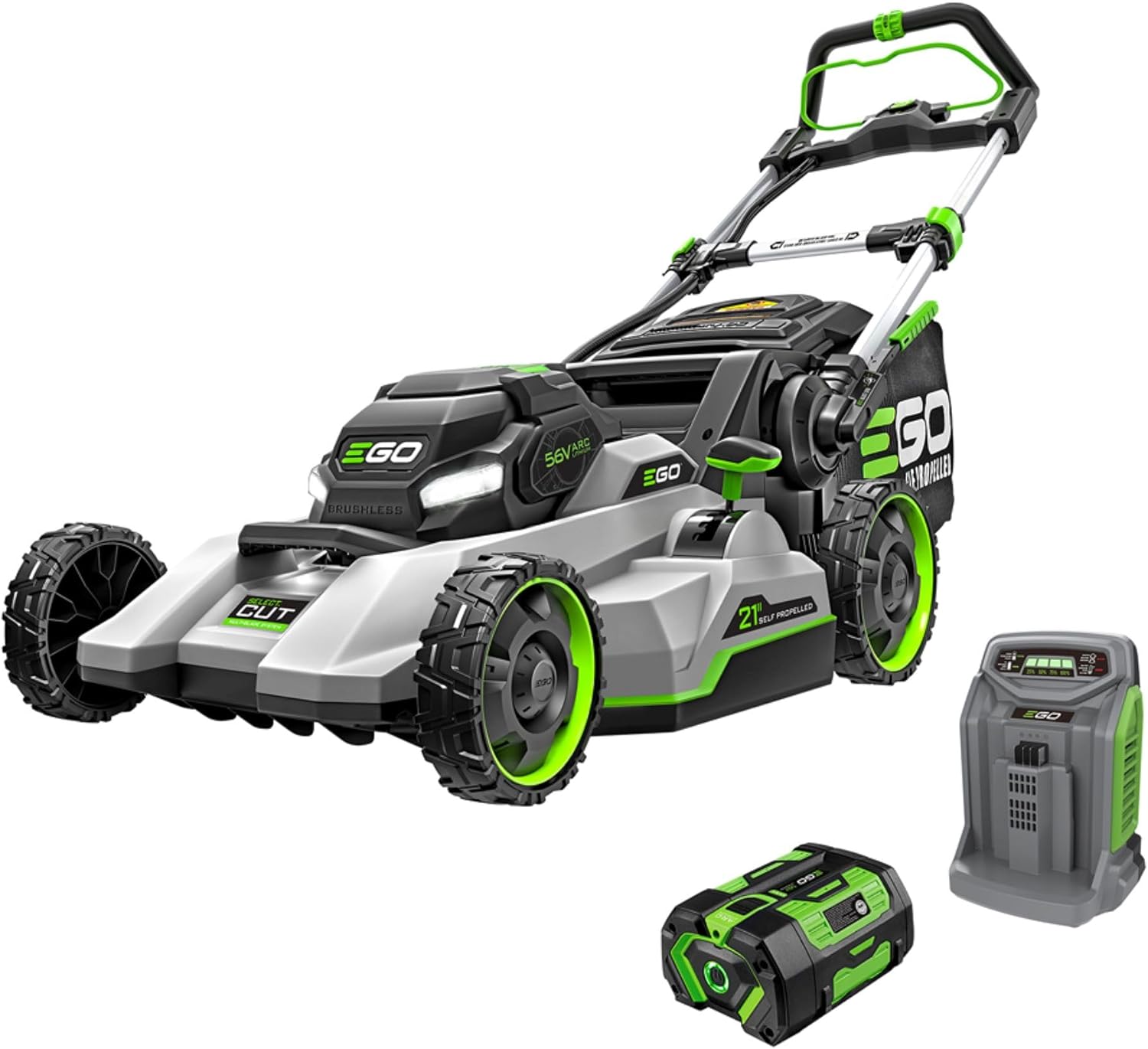
The honest answer to how often should you mow your lawn isn’t a fixed weekly chore. It depends on grass type, season, and how your dog actually uses the yard.
Mow too short and you invite more pollen, pests, and mud. Let it grow wild and you create a flea-and-tick highway right outside your back door. I’ve learned this the messy way with two dogs who treat grass like a salad bar and a racetrack.
Most pet owners need a flexible mowing rhythm, not a rigid calendar. Below, I’ll break down what actually changes your mowing frequency, plus the pet-safe habits that keep paws cleaner and pests less interested.
📌 Why Your Lawn Mowing Frequency Matters for Pet Health
The height of your grass changes the microclimate where your dog rolls, sniffs, and does business. When blades get tall, they trap humidity and shade near the soil. That’s exactly the environment fleas, ticks, and mites prefer. Keeping turf shorter removes those hidden waiting areas, so parasites have fewer places to latch onto your pet.
Overgrown lawns also hold more pollen at nose level and trap moisture that encourages mold. For dogs with allergies or sensitive skin, that can mean more paw licking, ear scratching, and belly redness. A steady mowing routine during peak growth—usually every 5 to 7 days—keeps those irritants from piling up.
- Parasite pressure: Tall grass gives fleas and ticks a humid shelter; shorter grass exposes them to sun and air.
- Allergy load: Long grass collects pollen and mold spores right where dogs sniff.
- Mud and skin irritation: Regular mowing creates denser turf that reduces mud, dew soak, and paw pad issues.
- Urine spot recovery: Cutting at the right height (usually 2.5–3.5 inches) encourages deeper roots and faster grass repair after dog urine.
That last point matters more than many owners realize. If you mow too short or too infrequently, urine spots stay brown longer, and thin turf invites weeds. Some of those weeds can irritate a dog’s mouth or skin. So your mowing schedule is a quiet but real part of everyday pet comfort.
📌 Key Factors That Determine How Often to Mow Your Lawn
The right mowing frequency isn’t a fixed number. It changes with grass type, weather, and how much your dog tears around the yard. Here’s what actually moves the needle.
- Grass type and ideal height. Cool-season grasses like Kentucky bluegrass and fescue do best at 2.5–3.5 inches. Warm-season Bermuda and zoysia can handle 1–2 inches, but keep pet-heavy spots at the taller end so turf recovers from paw traffic.
- Season and weather. Spring growth often calls for mowing every 5–7 days. Summer heat can slow cool-season lawns enough to stretch to 7–10 days. Watch actual growth, not the calendar.
- Rainfall, irrigation, and fertilizer. A rainy week, daily watering, or a fresh nitrogen application can speed up growth and shorten the mowing interval by 2–3 days.
- Pet activity level. Dogs chasing toys along the same path compact soil and stress turf. Those zones may need lighter, more frequent cuts plus occasional aeration instead of scalping.
- Tick and flea prevention height. Keeping grass around 3 inches reduces the moist, shaded ground-level hiding spots ticks and fleas prefer, while still leaving enough blade for healthy turf.
📌 Pet-Safe Mowing Schedule by Season and Grass Type
Your mowing schedule should follow grass type and seasonal growth, not a fixed calendar. For pet health, that matters because taller grass hides ticks and fleas, while too-short grass stresses the lawn and invites weeds.
🌱 Spring: Rapid growth requires weekly or twice-weekly mowing
Cool-season grasses like Kentucky bluegrass, fescue, and ryegrass grow fast in spring. Mow every 5–7 days, and twice weekly during rainy stretches. Never remove more than one-third of the blade height at once. That prevents clumps that can mat pet fur and trap moisture.
☀️ Summer: Heat stress means mowing less often
Warm-season grasses like Bermuda, zoysia, and St. Augustine hit their stride in summer. Mow every 7–10 days, but raise the cutting height by 0.5–1 inch during heat waves. Taller grass shades soil, keeps roots cooler, and reduces urine burn patches from dogs.
🍂 Fall: Keep height up to prevent winter matting
Cool-season lawns grow again in fall. Maintain regular mowing every 7–10 days until growth stops. Your final cut should sit around 2–2.5 inches for most cool-season turf. That height reduces matting and gives pests fewer damp spots to overwinter.
❄️ Winter: Dormant grass needs little attention
In most regions, mowing stops or drops to once every 3–6 weeks for warm-season lawns that stay semi-active. If grass is brown and dormant, leave it alone. Mowing dormant turf can damage crowns and open soil to weeds.
📌 How Grass Height Affects Fleas, Ticks, and Allergies in Pets
The sweet spot for most pet-friendly lawns is 2.5 to 3.5 inches. That’s tall enough to shade the soil and keep grass roots cooler, but not so tall that the turf holds excessive moisture overnight.
Cut below 2.5 inches and the grass stresses easily. The soil dries out faster, and dry, dusty patches can irritate your dog’s airways—especially for flat-faced breeds or pets with existing sensitivities. Short turf also gives weed seeds more room to sprout, which can raise pollen levels in your yard.
Let the blades climb past 3.5 to 4 inches, though, and you’ll create the opposite problem. The lower canopy stays damp longer after rain or morning dew. That lingering humidity is exactly what fleas and ticks prefer, and taller grass gives them a direct path to your pet’s legs and belly.
Mowing often enough to hold that 2.5-to-3.5-inch range—usually every 5 to 7 days during peak growth—can reduce weed pollen from plants like dandelion and plantain. You don’t need a scalped lawn to deter pests.
A healthy, slightly taller turf actually supports more beneficial insects that help keep pest numbers in check. For allergy-prone dogs, I’d aim for dry, late-morning mowing and give the grass a few hours to settle before letting pets roll around.
🔍 Pet-Safe Lawn Mowing Tips and Best Practices
The safest mowing routine for pets starts before you even pull the starter cord. I treat mowing day as a “pets inside” window, not a shared chore.
- Keep pets indoors during mowing. Flying debris from a mower blade can travel faster than you’d expect. A pebble or stick can injure a curious dog or cat. I keep pets inside until the mower is off and dust has settled, usually 20–30 minutes.
- Mow when grass is dry. Wet grass clumps under the deck, leaves ragged cuts, and makes you more likely to slip. Mid-morning to late afternoon is usually the best window after dew burns off.
- Remove or mulch clippings. Fresh clippings can stick to paws and fur, then get tracked indoors. If your dog eats grass, thick wet clumps can cause an upset stomach. Mulching or bagging reduces that risk.
- Time lawn treatments carefully. If you use fertilizer, herbicide, or pest control, do not mow or let pets back on the lawn until the product label says it’s safe. Many granular products need to be watered in and fully dry first.
- Keep mower blades sharp. Dull blades tear grass instead of cutting it. Torn tips lose moisture and are more prone to fungal issues, which can mean more chemicals later. I sharpen blades at least once each mowing season.
These habits protect paws, bellies, and airways without making your mowing schedule more complicated.
📌 Signs You’re Mowing Too Often or Not Enough for a Pet-Friendly Yard
If your yard starts showing these signs, your mowing rhythm is off—and your pet often feels it first. Over-mowing typically leaves scalped, yellowing patches, especially along dog paths and fence lines. Too-frequent cuts weaken grass roots, so weeds like crabgrass and clover move into thin spots.
- Scalped or yellowing patches: Cutting more than one-third of the grass blade height at once stresses turf. It turns pale, then brown, and struggles to bounce back.
- More fleas and ticks: Grass that consistently stays above 4 to 5 inches gives pests shade, humidity, and hiding spots. Ticks especially like taller, damp zones near shrubs and fences.
- Weed spread and thinning turf: Very short grass exposes soil to sun and lets weed seeds germinate faster than grass can recover.
- Pet allergy flare-ups: Overgrown or stressed grass releases more pollen and traps dust. You may notice extra sneezing, paw licking, or itchy skin after yard time.
- Muddy paws and compacted soil: Long grass holds moisture longer, so paws pick up mud. Repeated traffic then compacts wet soil, making drainage even worse.
If you spot two or more of these signs together, adjust your mowing height or frequency by just one notch before the next cut. Small changes usually bring grass—and your pet—back into balance.
❓ FAQ: How Often Should You Mow Your Lawn with Pets?
Can I mow my lawn every week during summer if I have dogs?
Yes, weekly mowing is often fine during peak growth. Just avoid cutting more than one-third of the blade height at once. That keeps grass resilient and reduces wet-clipping clumps that pets track inside.
Is it safe to let my dog on freshly mowed grass?
Wait until clippings dry and settle, usually 30–60 minutes. Fresh-cut grass releases moisture and pollen that can irritate paws and noses. If you used fertilizer or weed treatment, follow the product’s re-entry window—often 24–48 hours.
Does shorter grass really help reduce ticks and fleas?
It can help. Ticks and fleas prefer humid, shaded, taller growth. Keeping grass around 2.5–3.5 inches reduces that habitat, but it won’t eliminate pests. Still use vet-recommended preventatives.
What grass height is safest for dogs to run and play?
Aim for 2.5–3.5 inches for most cool-season lawns. That’s long enough to cushion joints and resist urine spots, but short enough to dry quickly and stay less attractive to pests.
How long should I wait after mowing before letting pets outside?
Let the lawn dry and clippings settle for about 30–60 minutes. If you mowed damp grass or used any lawn chemicals, wait longer and check product labels.
Are lawn clippings harmful if my pet eats them?
Small amounts of plain grass clippings usually pass through, but large clumps can cause choking or digestive upset. Wet, fermenting clippings may harbor mold. Rake or bag heavy clumps before pets return.