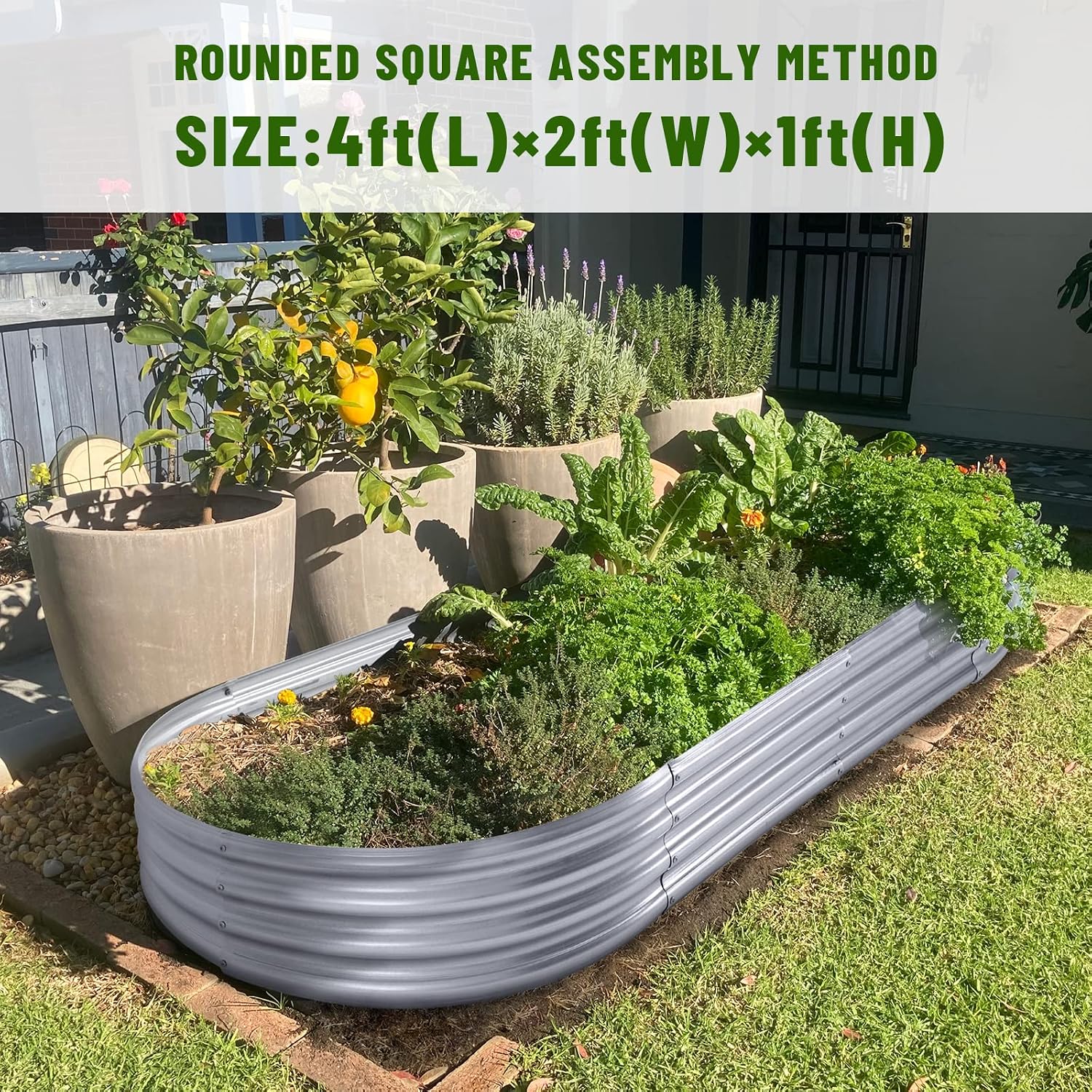
The biggest mistake pet owners make when figuring out how to plant in raised garden bed spaces is treating the bed like a normal ground plot. Dogs dig, cats scratch, and curious noses end up in soil that may contain toxic bulbs or fertilizers. A raised bed helps, but only if you plan for paws from day one.
I’ve set up raised beds with two border collies watching my every move. The right location, bed height, soil mix, and plant choices make all the difference. Here’s how to build a growing space that’s safe for your pets and productive for you.
📌 Choosing a Pet-Friendly Location and Bed Height
The right spot does two jobs at once: it gives your plants enough sun while keeping curious paws out of the soil. Look for a level area that gets 6–8 hours of direct sun for vegetables and herbs. Leafy greens can tolerate a bit more shade, but fruiting plants like tomatoes and peppers need the light.
Keep the bed within 25–50 feet of a hose or rain barrel. You’ll water more often in raised beds because they drain faster than in-ground soil. Also place the bed away from active dog paths, fetch zones, and gate entries. A 3–4 foot buffer from a fence line or play area can reduce trampling and urine spots on the bed frame.
Height matters for both pets and your back. A bed that’s 24–30 inches tall reduces bending and is usually high enough to discourage small and medium dogs from hopping in. For larger breeds, no bed height is truly a barrier — a short fence or border may be the only reliable option.
- 18–24 inches: good for lettuce, herbs, and dogs with low jump drive
- 24–30 inches: easier on your back and deters many small-to-medium pets
- 30–36 inches: great for wheelchair users or large dogs, but needs more soil
Skip old pressure-treated lumber that may contain CCA or creosote, and avoid salvaged railroad ties, which can leach chemicals into soil.
Modern treated pine labeled for ground contact is often safer, but if you want zero worry, use untreated cedar, composite boards, or galvanized steel. Run your hand over every corner and edge before filling the bed — sharp metal flashing or splintered wood can hurt noses, paw pads, and kids.
📌 Preparing Soil, Drainage, and Bed Foundation
Start with the base layer before adding soil. Lay flattened cardboard or landscape fabric across the bottom of the bed, overlapping edges by 6–8 inches. Cardboard breaks down slowly and smothers grass and weeds without chemicals. Landscape fabric lasts longer but can restrict deep-rooted crops, so reserve it for beds sitting on gravel or pavement.
Fill the bed with a pet-safe raised bed mix. I use roughly 60% topsoil, 30% compost, and 10% coarse sand or perlite for airflow.
Avoid cocoa mulch entirely — it contains theobromine, the same toxic compound in chocolate, and can be fatal if dogs or cats ingest it. Also skip bone meal, blood meal, and fish-based fertilizers. They smell strong and may attract pets to dig or eat treated soil.
- Use only fully composted plant material or aged manure.
- Choose slow-release, plant-based organic feeds if you fertilize at planting time.
- Never use chemical weed killers or pesticides inside the bed.
For drainage, add a 2–3 inch base of pea gravel or coarse sand if the bed sits on hardscape. In-ground beds usually drain fine on their own. Check the bed with a 4-foot level and add or remove soil until it’s even, sloping slightly away from any nearby wall or fence.
📌 Selecting Non-Toxic Plants for Dogs and Cats
You do not need to choose between a productive raised bed and a safe yard. Most common salad greens, root crops, and culinary herbs are non-toxic to dogs and cats. Focus on varieties you will actually cook with, and leave risky ornamentals out of the bed entirely.
Safe, pet-friendly picks I recommend for raised beds include:
- Vegetables: carrots, green beans, zucchini, cucumbers, peas, and lettuce.
- Herbs: basil, parsley, rosemary, thyme, dill, and sage.
- Flowers: sunflowers, snapdragons, zinnias, petunias, and marigolds.
Keep these common plants out of your raised bed if pets have access:
- Onions, garlic, chives, and leeks — can damage red blood cells in dogs and cats.
- Lilies — especially dangerous for cats; even small amounts of pollen or leaves can cause kidney failure.
- Azaleas and rhododendrons — may cause vomiting, drooling, or heart rhythm issues.
- Tomato leaves and stems — contain solanine. Ripe tomato fruit is generally safe, but keep pets away from the green parts.
Companion planting gives you natural pest control without sprays that can irritate paws or get licked off fur. Basil near tomatoes helps repel hornworms, marigolds deter nematodes and aphids, and rosemary can discourage cabbage moths. Just avoid planting catnip inside the bed unless you want the soil dug up by rolling felines.
📌 Step-by-Step Planting Techniques for Raised Beds
Start by mapping your bed before you dig. Tall plants like tomatoes, sunflowers, and pole beans go on the north side so they don’t shade shorter crops. Put leafy greens, herbs, and root veggies on the south edge where they get full sun — that’s 6 to 8 hours daily. Vining plants such as cucumbers can climb a trellis at the back to free up space.
For seeds, follow the packet’s depth rule: plant each seed about two to three times as deep as it is wide. Tiny lettuce and basil seeds get pressed into the surface or barely covered. Larger bean and squash seeds go about 1 inch deep. Transplants go at the same soil depth they were growing in their nursery pot. Burying stems deeper can cause rot.
Space by mature plant width, not seedling size. Bush beans need 4–6 inches apart, tomatoes 18–24 inches, and zucchini 24–36 inches. Crowding blocks airflow and invites leaf mildew.
- Water at the base in the morning so leaves dry quickly.
- Push a finger 2 inches into the soil; water when it feels dry.
- Apply 2–3 inches of straw or shredded paper as mulch. Avoid cocoa bean mulch, which is toxic to dogs.
Keep mulch pulled back an inch from plant stems. Refresh it as it breaks down, especially if your dog likes to sniff or dig around the bed.
📌 Protecting Your Raised Garden Bed from Curious Pets
The fastest way to keep curious dogs and cats out of a raised bed is to combine a simple physical barrier with a more attractive alternative nearby. Most digging and nibbling happens out of boredom, not mischief.
For the bed itself, try these options:
- Low fencing: A 2–3 foot welded wire or decorative metal fence around the perimeter stops most dogs. Leave no gaps at soil level where a nose or paw can push through.
- Netting: Bird netting or garden mesh over young seedlings works well for cats and small diggers. Anchor the edges with landscape staples so pets can’t slip underneath.
- Cloches: Individual wire or plastic cloches protect tender starts from nibbling and scratching without blocking your view.
Next, give your pet a better spot. A designated digging area—a shallow sandbox or patch of loose soil—can redirect the behavior. Bury a few favorite toys or treats just under the surface to make it rewarding. For cats, plant a small sensory patch nearby with cat grass, catnip, or wheatgrass.
For deterrents, scatter citrus peels around bed edges; many dogs and cats dislike the smell. Replace them every few days. River rocks or larger stones laid over exposed soil make digging uncomfortable but still let water through. Motion-activated sprinklers work well for dogs, though some cats simply learn to avoid the spray zone. Test any deterrent for a few days before relying on it fully.
❓ FAQ: Planting in Raised Garden Beds with Pets
Can I use pressure-treated lumber for a pet-safe raised bed?
Modern copper-based pressure-treated lumber is safer than old arsenic-treated wood, but copper can still leach. For a pet-safe bed, line the interior with heavy-duty plastic or use cedar, redwood, or composite. If your dog chews wood, avoid pressure-treated entirely.
What soil is safe for pets if they dig in the bed?
Use organic potting mix or raised bed soil without synthetic fertilizers or cocoa mulch, which is toxic to dogs. A blend of compost, coconut coir, and topsoil is safe if pets dig. Look for “OMRI Listed” or “pet-safe” on the bag.
How do I stop my dog from digging in raised beds?
Physical barriers work best. A low fence or chicken wire laid under mulch deters digging. Bury flat stones just below the surface around plants. Offer a designated digging pit or sandbox instead. Avoid cayenne pepper; it can irritate eyes and noses.
Are there common garden plants that are toxic to cats?
Yes. True lilies, tulip and daffodil bulbs, chrysanthemums, coleus, and aloe vera are common toxic plants for cats. Even lily pollen can cause serious kidney injury. Choose catnip, cat grass, rosemary, basil, and marigolds instead.
How deep should a raised bed be for vegetables?
Most vegetables need 12–18 inches of soil. Carrots and parsnips prefer 18–24 inches. Lettuce, herbs, and radishes do fine in 6–8 inches. Deeper beds also make it harder for pets to reach roots. Use 18+ inches on concrete.
Can I use fertilizer around pets?
Choose pet-safe fertilizers and follow label directions. Compost, aged manure, or kelp meal are generally lower risk, but some dogs eat treated soil. Keep pets out until granular products are watered in and dry. Store fertilizers locked away.