The best raised garden bed with cover solves a problem most pet owners know too well: your dog digs up seedlings, your cat treats loose soil like a litter box, and rabbits nibble leaves down to stems. A simple wooden box won’t stop them.
I’ve tested covered planters around two very curious cats and a terrier who believes carrots are buried treasure. The right cover keeps paws out while still letting water, light, and air reach your vegetables. Here’s what I look for and the models worth buying in 2026.
📌 Why Pet Owners Need a Covered Raised Garden Bed
An uncovered raised bed is basically an open invitation. Cats see loose potting mix as a giant litter box, and many dogs treat freshly turned soil as a digging project. I’ve watched both happen within days of planting.
A covered raised garden bed solves this with a physical barrier, not training or chemicals. The lid usually sits 6–18 inches above the soil line, made from mesh netting, garden fabric, or clear poly panels. That space blocks paws and claws but still allows plenty of sunlight and airflow. Plants grow normally; pets stay out.
Covers also protect against far more than pets. You’ll get extra defense from:
- Squirrels, birds, and insects that eat seedlings
- Heavy rain that washes away seeds and young roots
- Unexpected late-spring frost or cool fall nights
That means fewer replanting cycles and less wasted money on seeds. And because you’re using a barrier, you avoid cayenne sprays, citrus peels, and chemical deterrents entirely. A covered bed is simply a pet-safe way to garden.
📌 Key Features of a Pet-Safe Raised Garden Bed Cover
Not every cover marketed as “pet-proof” actually is. When I look for a safe raised bed cover, I check the same five things every time.
- Non-toxic materials: Untreated cedar, powder-coated steel, and food-safe polycarbonate panels won’t leach harmful chemicals into the soil if a dog chews or scratches them.
- Rounded edges and smooth mesh: Covers with rolled metal edges or fine, pliable mesh reduce the chance of paw or nose injuries during sniffing and digging attempts.
- Secure fastening: Look for hinged lids with latches, heavy-duty zip ties, or lockable frames. A loose cover just becomes a toy.
- UV- and chew-resistant: UV-stabilized polyethylene fabric or powder-coated steel panels resist sun damage and casual gnawing better than thin plastic.
- Ventilation and light transmission: Mesh panels or adjustable vents keep airflow moving and let enough sunlight reach seedlings, so you don’t trade pet safety for leggy, overheated plants.
You’ll often see these features combined in covers that sit low and flush against the bed frame. That design matters as much as the material itself.
📌 Top 5 Raised Garden Beds with Covers for 2026
1. Cedar Raised Bed with Hinged Polycarbonate Lid
You get roughly 48″ x 24″ x 10″ of plant space with a rot-resistant western red cedar frame. The clear polycarbonate lid swings open on hinges, so sunlight reaches seedlings while curious cats and small dogs stay out. You can prop the top open during hot afternoons for airflow.
- Cedar naturally resists rot and pests
- Hinged lid makes watering and harvesting simple
- Polycarbonate can trap heat in full sun
- Cedar may need occasional sealing
2. Galvanized Steel Planter with Mesh Pet-Proof Cover
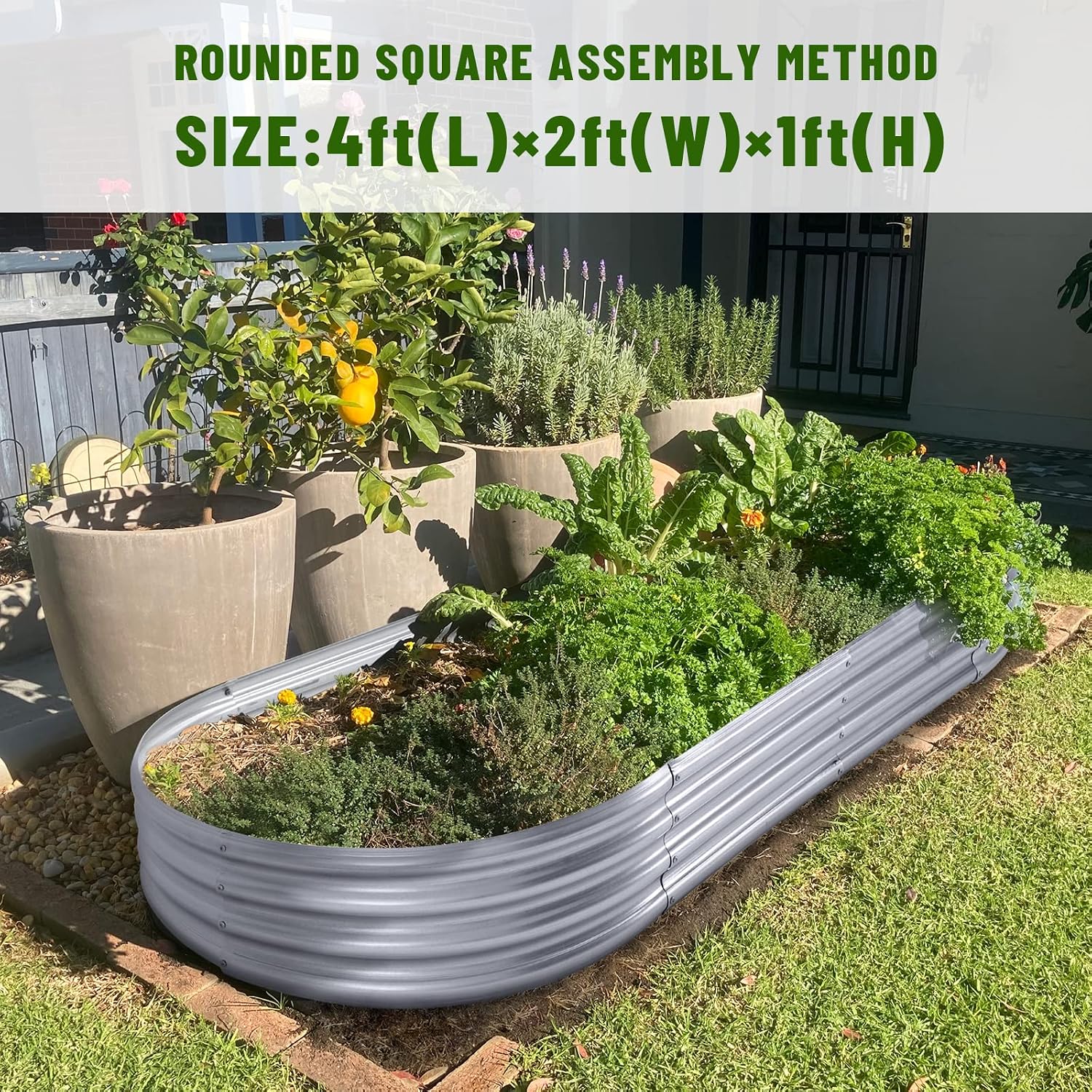
This one stands about 4′ x 2′ x 1′ high and uses galvanized steel panels that won’t rot or splinter. The cover is a powder-coated steel mesh with a locking frame. Determined dogs and raccoons can’t chew through it, and the mesh still lets rain and light pass through.
- Steel resists chewing and scratching
- Tool-free cover locks in place
- Metal sides heat up quickly in summer
- Cover adds a little weight to move
3. Elevated Wooden Garden Bed with Removable Screen Top
The bed sits at about 30 inches high, so you don’t kneel or bend constantly. A removable screen top — usually fabric or fiberglass mesh — keeps dogs from snacking on herbs and tender greens. The solid wood frame feels sturdy, and the whole unit works well on patios and balconies.
- Waist-high design reduces back strain
- Screen top removes in seconds
- Screen can snag if cats claw at it
- Wood frame needs occasional sealing
4. Fabric Raised Bed with Zippered Netting Cover
These lighter beds — often 36″ x 36″ x 12″ — use breathable fabric sides and a flexible hoop frame. A zippered fine-mesh netting cover seals the top, so nibbling pets can’t reach young plants. Setup is quick, and the whole package folds flat when you need to move it.
- Very lightweight and easy to relocate
- Zippered cover keeps small pets out
- Fabric sides can fray over time
- Not ideal for large, rough dogs
5. Large Walk-In Raised Bed with Tunnel-Style Cover
If you grow tomatoes, peppers, and rows of greens, this walk-in tunnel design gives you standing-room access. The steel frame supports a tunnel cover with roll-up sides — clear polyethylene or mesh — so you can open it for ventilation. Large dogs can circle outside without trampling beds.
- Protects multiple raised beds at once
- Roll-up sides adjust heat and airflow
- Needs more yard space
- Cover may need replacement after a few seasons
⚡ Covered Raised Planter Comparison Table
I compared the five covered planters below on cover type, frame material, dimensions, price range, and pet-safety features. Each one earned a spot because it solves a specific problem — from a curious cat to a dog that loves digging.
| Product | Cover Type | Frame Material | Dimensions | Price Range | Pet-Safety Features | Check Price |
|---|---|---|---|---|---|---|
| Vegepod Raised Garden Bed ⭐ Best Overall |
Hinged UV-stabilized canopy with fine mesh | Recycled polypropylene | 39″L × 20″W × 30″H | $130–$200 | Fully enclosed; blocks paws and pests; self-watering base reduces dirt digging | Check Price → |
| Quictent Raised Garden Bed with Pest Protection Cover 💰 Best Budget |
Zippered fine-mesh net canopy | Galvanized steel | 48″L × 24″W × 32″H | $40–$60 | Zippered mesh top keeps cats and small dogs out; raised height reduces bending | Check Price → |
| Outsunny Wooden Raised Garden Bed with Greenhouse Cover 🌱 Best for Small Spaces |
Clear PVC greenhouse cover with roll-up zipper door | Solid fir wood | 24″L × 24″W × 31″H | $80–$120 | Zippered enclosed cover; compact footprint fits patios and balconies | Check Price → |
| Vego Garden Raised Garden Bed with Cover System 🛡️ Most Durable Cover |
Aluminum-framed mesh/shade cover (modular) | Powder-coated steel | 17″H × 3.5′ × 2′ (expandable) | $150–$250 | Heavy-duty metal frame; lockable cover panels resist chewing and digging | Check Price → |
| Best Choice Products Raised Garden Bed with Greenhouse 🌿 Best for Beginners |
Clear PVC greenhouse with screen mesh | Rust-resistant steel | 47″L × 23″W × 31″H | $50–$80 | Zippered cover with screen; raised design deters digging from small pets | Check Price → |
Prices fluctuate, so click through to see today’s exact price. I keep an eye on these listings because a $20 swing can happen between seasons.
🔑 How to Choose the Right Size and Cover Material for Your Space
Start with a tape measure, not a guess. A 4×4 ft raised bed with a domed cover can eat up nearly 5×5 ft of floor space once hinges and overhang are included. On a patio or narrow deck, I want at least 12-18 inches of clearance on three sides for walking, opening panels, and cleaning.
- Measure the bed’s outer edges, not just the planting area.
- Add 6-12 inches for cover overhang or opening radius.
- Check overhead clearance if the lid flips upward.
Then match the cover material to your weather. Polycarbonate panels are my pick for cold springs and fall frosts—they trap heat and resist cracking better than cheap acrylic. In humid heat, use mesh or shade cloth so airflow keeps soil from baking and prevents condensation buildup.
Bed height should reflect your pets and your back. A 30-34 inch bed keeps most small and medium dogs from casually snacking on plants and reduces bending. If you have a large, determined dog, height alone won’t do it—a locked cover is non-negotiable.
Last, think about storage. Lightweight galvanized steel or poly resin beds under 40 lbs are easier to move seasonally. Lift-off covers and quick-release clips beat hinged lids if you plan to disassemble and store everything.
📌 Tips for Keeping Pets Out of Your Raised Garden Bed
Your raised bed cover only helps if your dog learns to leave the bed alone. Combine a secure cover with a few simple training habits, and you’ll see far fewer paw prints in the soil.
Here are the strategies I’ve found most effective in homes with curious dogs and indoor-outdoor cats:
- Train with positive reinforcement and a designated digging area. Reward your pet for choosing a sandbox or a specific soil patch away from the bed. This works better than scolding because it gives your dog an acceptable outlet for natural digging instincts.
- Keep the cover on during early growth stages. Seedlings and freshly turned soil are the most tempting targets. Lock the cover in place for the first two to three weeks after planting, even if the weather is mild.
- Plant pet-safe deterrents like rosemary and marigolds around the bed edges. Many dogs dislike the strong scent, and these plants won’t harm curious nibblers. Avoid toxic options like coleus or certain lilies.
- Check that cover edges are seated tightly against the frame. A loose corner is an invitation. Press mesh or panel edges fully into clips and add ground stakes if the cover shifts easily.
- Inspect mesh and panels weekly for tears, bent corners, or sharp spots. A small rip can become an escape hatch, and sharp edges can cut paws. Patch small holes immediately with outdoor-rated repair tape.
🔍 FAQ: Best Raised Garden Bed with Cover
Are raised garden bed covers safe for cats and dogs?
Yes, if they’re made from pet-safe materials like powder-coated steel, UV-stabilized polyethylene, or untreated cedar. Avoid sharp edges and flimsy plastic mesh that can tear. Secure the cover tightly so curious paws can’t get trapped underneath.
Can plants grow well under a cover or lid?
Most leafy greens, herbs, and starts do fine under a vented cover. It traps warmth and humidity while blocking enough light to reduce heat stress. For fruiting plants like tomatoes, you may need to open or remove the cover during flowering for pollinator access.
What is the most durable cover material for outdoor raised beds?
Powder-coated steel frames with UV-stabilized polyethylene mesh last longest outdoors. They resist rust, tears, and sun breakdown better than PVC or standard netting. Look for covers with reinforced seams and rust-resistant zippers or clips.
Do I need a cover if my pets are indoors most of the time?
You probably don’t need a full cover, but a lightweight mesh lid still helps. It keeps out squirrels, birds, and neighborhood cats, and it blocks leaves and debris. It’s cheap insurance, especially during seedling stage.
How do I clean and maintain a raised garden bed cover?
Rinse the cover with a garden hose every few weeks. Use mild soap and a soft brush for stubborn dirt. Let it dry fully before storing. Check zippers, clips, and mesh for tears each season, and tighten frame bolts if needed.
Can I build my own cover for an existing raised garden bed?
Yes. Use a lightweight wood frame or PVC pipe, then staple on hardware cloth or bird netting. For pest protection, bury the edges under soil. It’s a budget-friendly option if you already have tools, but pre-made covers often fit better and last longer.