The best raised garden bed for beginners isn’t the biggest or most expensive one. It’s the one that removes the two biggest first-year frustrations: bad soil and endless weeding. Most new gardeners either build a wooden box that rots in two seasons or buy a flimsy kit that bows when filled with wet dirt.
I’ve set up raised beds for leafy greens, tomatoes, and root veggies in small backyards and on patios. The right pick comes down to material, depth, and whether you want simple assembly or zero tools. Here’s what actually makes a raised bed beginner-friendly.
📌 Why Beginner Gardeners Should Start with a Raised Bed Garden
Traditional in-ground gardening throws a lot at you at once: compacted soil, aggressive weeds, poor drainage, and endless bending. A raised garden bed removes most of those variables. You’re not fixing what’s already in the ground—you’re starting fresh in a defined, manageable space.
For beginners, the biggest advantage is soil control. You fill the bed with whatever mix suits your plants, usually a blend of topsoil, compost, and coarse sand or perlite. That beats digging rocks, clay, or nutrient-poor dirt out of your yard.
Raised beds also drain faster than flat ground. Excess water can escape through the bottom and sides, which reduces the risk of root rot and makes overwatering more forgiving. And because the bed is elevated and framed, weeds are easier to spot, pull, and prevent. Many beginners lay cardboard or landscape fabric under the first few inches of soil to block weeds from below.
Less bending matters more than you’d think. A typical raised bed kit stands 10 to 32 inches tall. At knee height, you can plant, weed, and harvest from a folding chair or without kneeling in mud. That alone keeps many new gardeners consistent through the first season.
Traditional gardening can feel like a fight against nature. A raised bed simplifies the starting point: better soil, cleaner water movement, fewer weed battles, and a working height that doesn’t wreck your back. That’s the problem-solution shift most beginners need.
🔍 What to Look for in the Best Raised Garden Beds for Beginners
Your first raised bed should be forgiving to assemble and simple to fill. Look for tool-free or snap-together frames with pre-cut corners. Avoid kits with dozens of screws and unclear instructions—many beginners stall before planting because setup takes a full afternoon.
Material matters more than you think. Cedar and composite resist rot for years, while galvanized metal handles temperature swings and won’t splinter. Untreated pine is cheaper but may last only 2–3 seasons in wet soil.
- Depth: At least 10–12 inches for herbs and greens; 18+ inches if you want tomatoes, carrots, or peppers.
- Size: 4×4 ft or 4×8 ft works well for first-timers. Keep width under 4 ft so you can reach the center without stepping on soil.
- Drainage: Open-bottom beds drain naturally, but if placing on concrete, add drip holes or a weed barrier with drainage.
- Budget: Expect to spend $60–$150 for a solid starter bed. Metal beds often deliver the best value under $100.
- Low maintenance: Powder-coated galvanized steel and composite boards never need painting or sealing.
- Pest protection: Add a mesh cover or choose a bed with built-in pest netting if rabbits or squirrels visit your yard.
Here are three beginner-friendly beds that meet those specs:
| Product | Material & Depth | Best For | Check Price |
|---|---|---|---|
| Best Choice Products 4×4 Raised Garden Bed | Galvanized steel, 12″ deep | First-time setup in under 30 minutes | Check Price → |
| Yaheetech 4×4 Galvanized Raised Bed | Powder-coated steel, 11″ deep | Open-bottom drainage on soil or lawn | Check Price → |
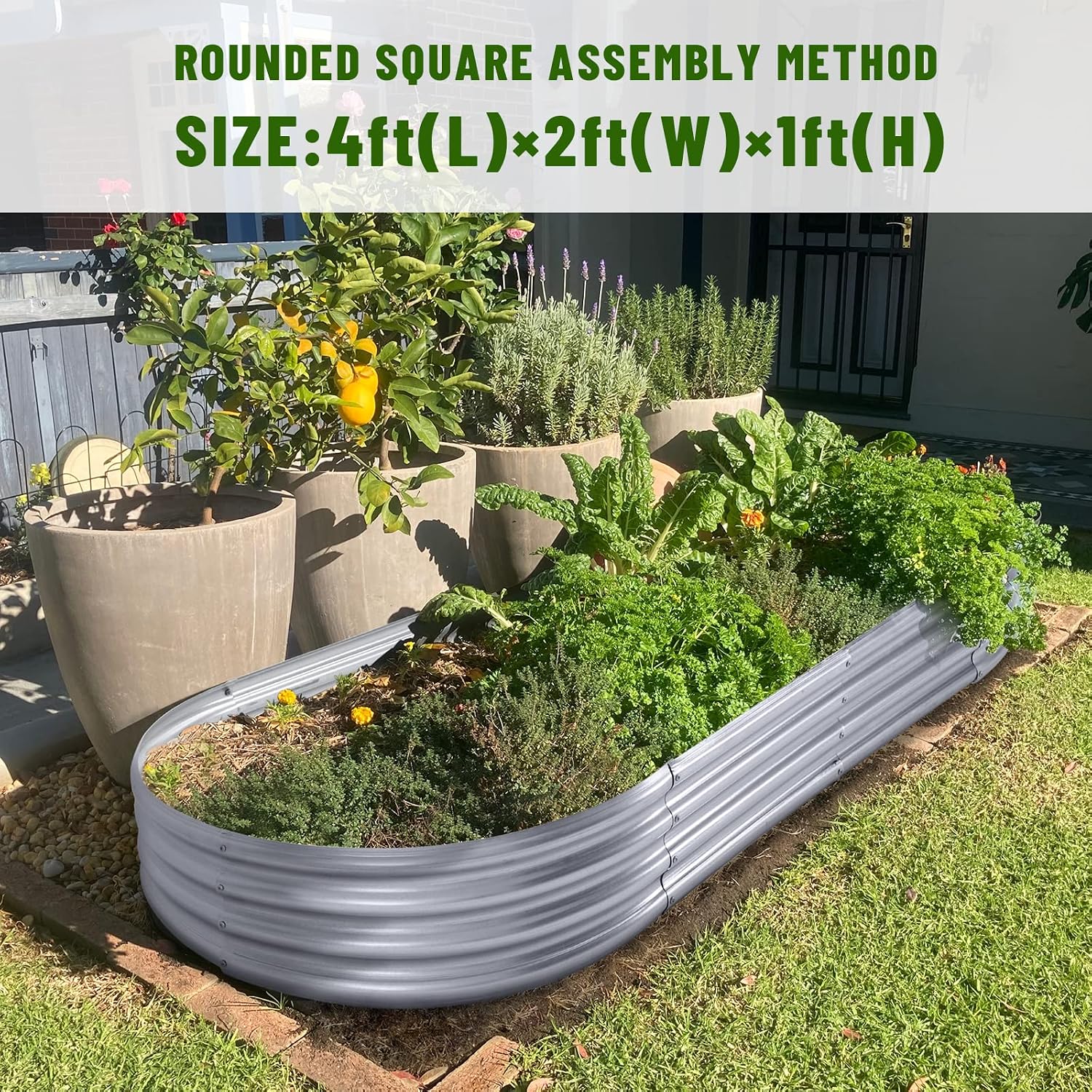
| Land Guard 4x2x1ft Metal Raised Garden Bed | Galvanized steel, 12″ deep | Compact patios and herb gardens | Check Price → |
🔍 Top 5 Best Raised Garden Beds for Beginners in 2026
These five raised beds are beginner-proof—easy to assemble, just deep enough for vegetables, and priced without a steep learning curve. I picked each one for a specific job: overall value, tight budgets, small patios, long-term durability, and pest protection.
1. Land Guard Galvanized Raised Garden Bed Kit – Best Overall
This 4x2x1 ft galvanized steel bed gives you eight square feet of growing space, enough for a half dozen tomato or pepper plants. Panels bolt together in about 15 minutes with no special tools.
- Open bottom improves drainage
- Metal resists rot and warping
- Light enough to reposition early season
- Edges can be sharp out of the box
- Thin steel may dent if struck hard
2. Yaheetech Raised Garden Bed Kit – Best Budget
At roughly $35, this 3x3x1 ft metal bed gives you nine square feet for lettuce, herbs, or radishes. It’s small enough to tuck near a kitchen door, and assembly is basically snap-together.
- Very affordable entry point
- No tools needed for assembly
- Compact footprint is easy to fill
- Shallow for carrots or potatoes
- Metal sidewalls flex under heavy soil
3. Keter Easy Grow Raised Garden Bed – Best for Small Spaces
This elevated plastic bed stands about 30 inches tall, so you can garden without bending. It holds 31 gallons of soil, which is plenty for a salad garden, and the built-in water reservoir reduces daily watering mistakes.
- No bending or kneeling required
- UV-resistant resin won’t rust
- Built-in drainage and water reserve
- Plastic won’t last as long as metal
- Cost per square foot is higher
4. Vego Garden Raised Garden Bed Kit – Best Durable
Made from Aluzinc-coated steel with a 20-year expected lifespan, this modular bed is the one you buy once. It comes in multiple shapes, and the 17-inch height is kind to your back and to deep-rooted vegetables.
- Heavy-gauge steel resists dents
- Modular design expands as you grow
- Tall sides reduce bending
- Heavier than budget metal beds
- Upfront cost is higher
5. Quictent Raised Garden Bed with Pest Protection Cover – Best with Pest Protection
This bed includes a fine mesh cover that keeps cabbage moths, squirrels, and birds off young seedlings. The frame is metal, and the cover unzips for easy watering and harvesting.
- Full pest enclosure included
- Cover is easy to remove
- Metal frame resists rust
- Mesh needs gentle handling
- Assembly takes a bit longer
🔍 Comparison Table: Key Features of the Best Raised Planters for Beginners
This side-by-side view makes the trade-offs obvious. Metal beds are cheapest and longest-lasting, cedar adds natural warmth, and elevated or self-watering options reduce bending and watering chores. Price ranges reflect typical Amazon listings for common sizes.
| Product | Material | Size (LxWxH) | Depth | Drainage | Assembly | Price | Link |
|---|---|---|---|---|---|---|---|
| Land Guard Galvanized Raised Garden Bed | Galvanized steel | 4x2x1 ft | 12 in | Open bottom | Easy (bolts) | $30–$45 | Check Price → |
| Greenes Fence Cedar Raised Garden Bed | Untreated cedar | 4×4 ft | 10.5 in | Open bottom | No-tools stacking | $50–$70 | Check Price → |
| Best Choice Products Elevated Wooden Raised Bed | Solid fir wood | 48x24x30 in | 6–8 in | Slatted base + holes | Moderate (screwdriver) | $70–$100 | Check Price → |
| Keter Easy Grow Raised Garden Bed | UV-protected resin | 31.5×15.75×29.5 in | 11.8 in | Built-in reservoir + plug | Snap-together, no tools | $80–$120 | Check Price → |
| King Bird Galvanized Raised Garden Bed | Galvanized steel | 6x3x1 ft | 12 in | Open bottom | Moderate (nuts & bolts) | $45–$65 | Check Price → |
For ultra-budget first beds, Land Guard gives you a full-size planter for under $45. If you want zero-tool assembly, Greenes Fence is the easiest start. Choose Keter or Best Choice Products when back strain or patio space is the priority.
🔑 How to Set Up a Raised Vegetable Bed for the First Time
Here’s my simple three-step method for getting a new raised bed up and running without overthinking it.
- Location: Pick a spot with 6–8 hours of direct sun. Avoid low areas that collect water.
- Assembly: Level the ground, then put together the kit or lumber. A 4×8-foot bed needs about 24 cubic feet of soil.
- Filling: Use a mix of 60% topsoil, 30% compost, and 10% coconut coir. For tomatoes and peppers, aim for at least 12 inches of soil depth; herbs and lettuce need only 6–8 inches.
After filling, water slowly and deeply so the soil settles. Then add 2–3 inches of mulch—straw, shredded leaves, or wood chips—to retain moisture and suppress weeds. For simple pest protection, cover young plants with floating row cover or wrap copper tape around the bed edges to deter slugs.
Check moisture daily for the first two weeks. Raised beds dry out faster than ground soil, so stick your finger an inch down; if it’s dry, water again. That’s really all it takes to get started.
📌 Common Raised Bed Mistakes Every Beginner Should Avoid
Most first-season raised bed problems trace back to soil depth, drainage, or location. Here’s what trips up new gardeners — and how to fix it before your plants pay the price.
- Underfilling the bed. A 6-inch-tall bed might be fine for lettuce and herbs, but it’s too shallow for carrots, tomatoes, or peppers. Add soil until it’s about 1–2 inches below the rim. If you already underfilled, top-dress with a 50/50 compost and topsoil blend.
- Overfilling too early. New soil settles fast. Fill to the top and you’ll lose an inch or two within weeks. Leave room, then top off after the first heavy watering and again in spring.
- No drainage plan. Lining the base with plastic or placing the bed on solid concrete traps water. Use a weed barrier or landscape fabric that lets water through, and make sure the bed isn’t sitting in a low spot.
- Placing the bed in the wrong light. Most vegetables need 6+ hours of direct sun. A shady corner near a fence might feel convenient, but it’ll stunt growth. Move the bed early if possible — it’s much harder once it’s full.
- Skipping pest protection. Gophers and voles burrow from below; squirrels and birds attack from above. Lay 1/4-inch hardware cloth under the bed before filling, and keep a lightweight row cover handy for early seedlings.
- Overplanting without spacing. It’s tempting to pack in extra seedlings, but a 4×4-foot bed fits roughly 1 tomato, 2 peppers, 4 lettuces, and a few herbs — not twelve of each. Check mature spacing on seed packets and thin early.
Catch these issues in the first month and they’re simple fixes. Let them ride all season and you’ll fight compacted soil, root-bound plants, and pest damage every week.
❓ FAQ: Your Beginner Raised Garden Bed Questions Answered
What size raised garden bed is best for beginners?
A 4×4-foot bed handles most first-year gardens without overwhelming you. It’s easy to reach the center, water, and harvest. If you want more growing space, a 4×8 works, but keep the width at 3–4 feet so you never step on the soil.
What are the most durable and beginner-friendly materials?
Cedar and redwood resist rot naturally and last 8–10 years. Galvanized steel beds hold up 20+ years but heat up faster in direct sun. Recycled plastic lumber won’t rot, split, or leach. Skip thin pine—it warps and bows within two seasons.
How deep should a raised garden bed be for vegetables?
12 inches works for leafy greens, herbs, peppers, and bush beans. For carrots, tomatoes, and other deep-rooted crops, go 18–24 inches deep. Deeper soil also holds moisture more evenly and gives roots room below the compacted ground line.
Do raised garden beds need a bottom liner or landscape fabric?
Not always. If you place a bed over grass or weeds, lay cardboard or landscape fabric at the base to smother growth, but leave drainage gaps. Avoid solid plastic liners—they trap water and promote root rot. On patios, use a breathable weed barrier with a gravel drainage layer.
Are cheap raised garden beds worth it for beginners?
For a single season, yes—if you just want to test things out. But most $40–$60 thin pine or flimsy metal kits bow, rust, or rot by year two. Spend $100–$200 on cedar, powder-coated steel, or thick composite. You’ll replace cheap beds faster than you expect.
How do I protect my raised bed from pests and pets?
Line the floor with ¼-inch hardware cloth to stop voles and gophers. Add a 3–4 foot fence or floating row cover for rabbits and deer. Cats and dogs usually avoid chicken wire laid flat on the soil. Use copper tape around edges for slugs, and inspect plants weekly for aphids.
1 thought on “Best Raised Garden Bed for Beginners: 2026 Buying Guide”