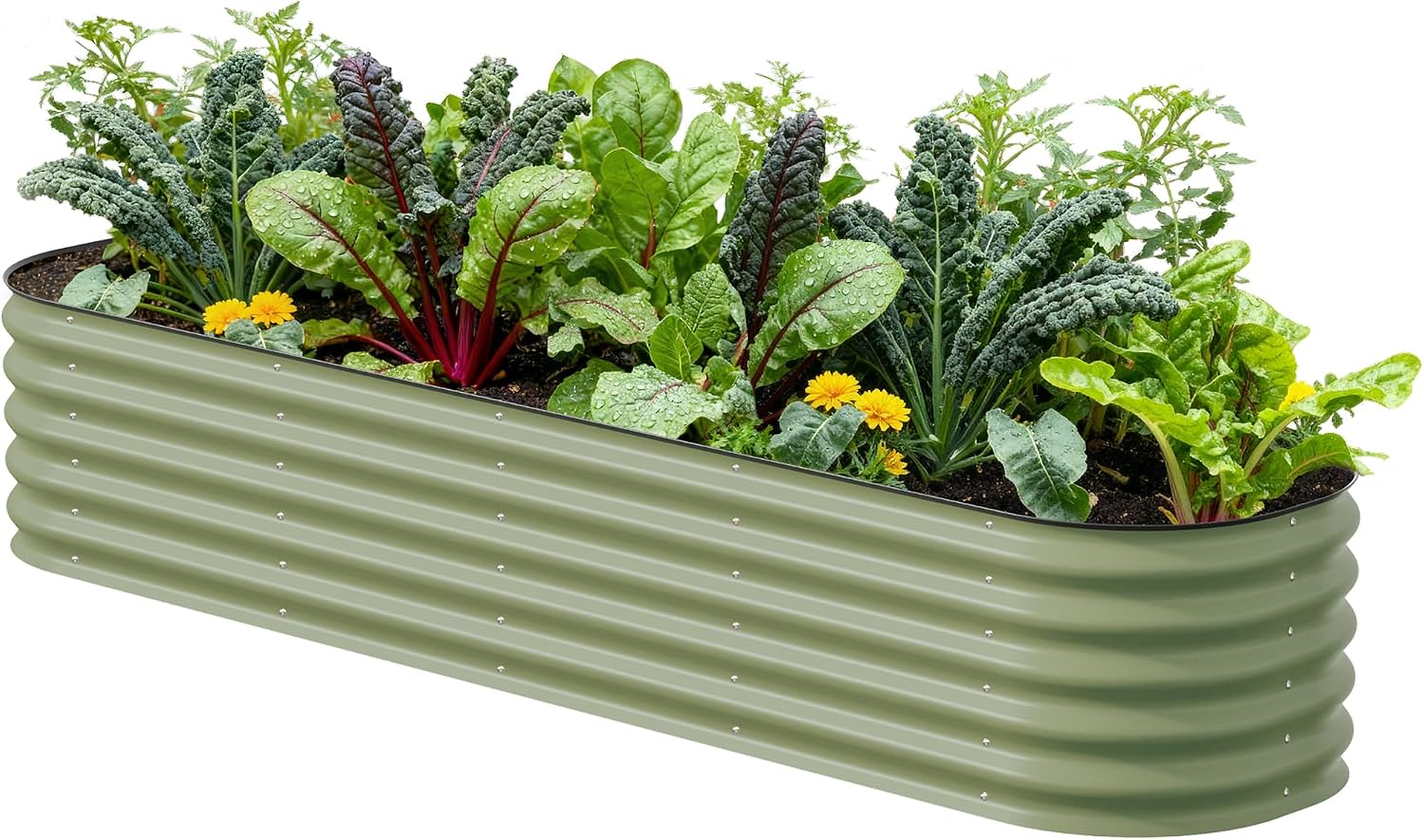
The best garden planter for a home with pets isn’t just about matching your porch furniture. It has to survive digging paws, withstand a 40-pound dog leaning on the rim, and avoid materials that could splinter, crack, or leach something harmful into the soil. I’ve lost count of the ceramic pots and flimsy plastic trays I’ve replaced over the years.
You need planters built with pet-safe materials, sturdy bases, and drainage that won’t turn into a muddy digging pit. Below, I’ll share five durable picks I’d trust around dogs and cats, plus the sizing and setup habits that keep curious paws out of your basil and tomatoes.
“`
📌 Why Pet Owners Need Specialized Garden Planters
Standard planters fail fast around curious dogs and cats. I’ve repaired enough cracked plastic and swept enough spilled soil to know the three behaviors that cause the most damage:
- Digging: claws scratch through thin plastic and unglazed terracotta, then soil spills everywhere.
- Chewing: puppies and cats gnaw on rims, especially wood and woven materials, leaving splinters or loose fibers.
- Tipping: a 40 lb dog leaning on a narrow pot or chasing a squirrel can flip it in seconds.
Then there’s the hidden risk. Many ordinary planters are made with pressure-treated wood, lead-based paints, or chemical sealants. If a pet digs in the soil or chews the rim, those residues can transfer to paws and mouths. Cheap plastics also break down in UV light and shed microplastic particles into the soil.
A pet-friendly planter solves this with low, wide stability, a taller rim to discourage casual digging, and non-toxic construction such as untreated cedar, powder-coated steel, or food-grade resin. It protects your plants from paws—and your pet from the planter.
📌 Key Features to Look for in Pet-Safe Garden Planters
The right pet-safe planter comes down to materials, stability, and height. I look for options that won’t splinter, leach chemicals, or tip over when a 60-pound dog jumps up for a sniff.
- Non-toxic materials: Untreated cedar, food-grade resin, and powder-coated steel are my go-to picks. Cedar resists rot naturally. Food-grade resin won’t leach plastics into soil. Powder-coated steel is smooth and safe for paws.
- Sturdy, tip-resistant bases: Wide or weighted bases stop planters from toppling. For larger dogs, look for a low center of gravity or wall-mounted styles that stay put during rough play.
- Raised or tall designs: Elevated beds around 24–34 inches discourage digging and make it harder for cats to treat soil like a litter box. Tall planters also reduce back strain for you.
- Chew-resistant surfaces and smooth edges: Rounded corners and sealed wood prevent mouth cuts. Avoid sharp metal edges and cheap plastics that crack into bite-sized pieces.
- Proper drainage: Drainage holes with removable plugs keep water from pooling. Stagnant water attracts mosquitoes and breeds bacteria—both risky for curious pets.
Skip anything treated with chemical stains or pressure-treated lumber. If it’s not labeled food-safe or pet-safe, treat it as off-limits for plants your dog or cat may nose into.
🔍 Top 5 Best Garden Planter Picks for Homes with Dogs and Cats
I focused on pet-safe materials, stable bases, and drainage that won’t leave muddy paw prints across your floor. These five planters balance height (to reduce digging), non-toxic finishes, and long-term durability for active households.
1. Vego Garden Raised Bed – Best Modular Metal
This galvanized steel bed has a 17-inch height that deters most dogs from digging, and its powder-coated finish is non-toxic. Modular kits let you customize size and shape. Price range: $150–$300.
2. Land Guard Galvanized Raised Garden Bed – Best Budget Metal
Made from corrugated galvanized steel, these beds are rust-resistant and lightweight. The 12-inch height provides moderate pet discouragement, and the open bottom drains well. Price range: $60–$90.
3. Best Choice Products Cedar Raised Garden Bed – Best Cedar Wood
Cedar naturally resists rot and pests without chemical treatments, making it a safe choice if your dog chews. This planter stands 30 inches tall, keeping soil far from curious noses and reducing back strain. Price range: $100–$150.
4. Keter Urban Bloomer Resin Elevated Planter – Best Heavy-Duty Resin
UV-protected, food-safe resin won’t splinter or leach. The lower planting box holds about 12 gallons, and the wide base is hard to tip over—great for energetic dogs. Price range: $80–$120.
5. Aquaphoric Self-Watering Planter – Best Self-Watering
Its sealed water reservoir means less standing water for pets to drink or track mud. The sub-irrigation system keeps moisture consistent, and the BPA-free plastic is food-safe. Price range: $40–$70.
📊 Quick Comparison: Pet-Safe Garden Planters
| Product | Size | Material | Price Range | Pet Safety Rating | Check Price |
|---|---|---|---|---|---|
| Vego Garden Raised Bed | 17–32″ H × various | Powder-coated steel | $150–$300 | 5/5 | Check Price → |
| Land Guard Galvanized Bed | 12″ H × 4×2 ft | Galvanized steel | $60–$90 | 4.5/5 | Check Price → |
| Best Choice Cedar Bed | 30″ H × 4×2 ft | Cedar wood | $100–$150 | 5/5 | Check Price → |
| Keter Urban Bloomer | 31.5″ H × 32.3″ W | Food-safe resin | $80–$120 | 4.8/5 | Check Price → |
| Aquaphoric Self-Watering | 12–18″ H | BPA-free plastic | $40–$70 | 4.7/5 | Check Price → |
⚡ Comparing Planter Materials: Wood vs. Metal vs. Resin for Pet Safety
Material matters more than looks when you share a yard with pets. I focus on three things first: whether anything can leach into the soil, how the surface handles teeth and claws, and how long the planter will hold up outdoors.
Cedar and redwood are my top wood picks. They resist insects naturally, and untreated boards leave no chemical residue for a curious dog to lick. A determined chewer can still dent the corners, but that’s easy to sand smooth.
Galvanized or powder-coated steel is nearly chew-proof and very weather-resistant. Just run your hand along every seam before buying—some metal planters have sharp edges that can nick a nose or paw. A smooth powder-coated finish is the safest bet.
Food-grade polyethylene and resin planters are the easiest to live with. They’re lightweight, sturdy, weatherproof, and simple to hose off. Look for a clear BPA-free or phthalate-free label to avoid plasticizers that can break down in sun and heat.
Avoid pressure-treated wood, which often contains copper compounds, and skip lead-painted ceramics—older glazed pots sometimes have lead in the paint. If a plastic planter doesn’t say BPA-free, I pass on it.
| Material | Toxicity Risk | Chew Resistance | Weather Durability | Weight | Cost |
|---|---|---|---|---|---|
| Cedar / Redwood (untreated) | Low | Low–Moderate | Good | Medium | $$ |
| Galvanized / Powder-Coated Steel | Low (check edges) | High | Excellent | Medium–Heavy | $$–$$$ |
| Food-Grade Polyethylene / Resin | Very Low | Moderate–High | Excellent | Light | $–$$ |
| Pressure-Treated Wood | High | Moderate | Good | Medium | $$ |
| Lead-Painted Ceramic | High | Low (breakable) | Good if glazed | Heavy | $$–$$$ |
| Plastics with BPA/Phthalates | High | Moderate | Fair–Good | Light | $ |
🔑 How to Keep Pets from Digging in Your Planters
Digging is normal dog behavior, but that doesn’t mean your planter has to become a sandbox. Start with a physical barrier. Lay landscape fabric or chicken wire over the soil, then cover it with a thin layer of decorative rocks or mulch. Your dog will hit that barrier and usually lose interest fast.
For extra deterrence, try pet-safe repellents. Citrus peels—lemon, orange, grapefruit—scattered on the soil work surprisingly well because most dogs and cats dislike the smell. You can also buy commercial deterrent sprays made with bitter apple or peppermint. Avoid anything with capsaicin or strong essential oils that could irritate paws or noses.
If your dog is a determined digger, elevate the planter. Tall raised beds (30–36 inches high) or planters on sturdy stands physically block access. I’ve seen this work better than any spray for persistent diggers.
Pair all of this with positive reinforcement. Redirect your dog to a designated digging area—like a sandbox or a corner of the yard with loose soil. Bury a few toys there and praise them when they dig in the right spot. Consistency matters more than any product.
Finally, plant pet-safe companion plants that naturally deter animals. Rosemary, lemongrass, and lavender are non-toxic to dogs and cats but have strong scents many pets avoid. Just monitor your pet to make sure they don’t eat large amounts.
📌 Choosing the Right Size and Drainage for a Pet-Friendly Garden
Planter size is not one-size-fits-all. Match depth to root systems: shallow-rooted herbs and lettuce do fine in 6-8 inches, while tomatoes, peppers, and small shrubs need 12-18 inches. Width matters too—more soil volume holds moisture longer, so you’ll refill less and your pet has less damp soil to track through.
Drainage is the unglamorous hero. Standing water creates a muddy, smelly spot pets want to investigate or drink. Choose planters with multiple drainage holes, and if a decorative pot lacks them, drill 3-5 holes at the base. Water buildup attracts digging and bacteria, so let excess water escape fast.
Self-watering planters can be great for busy owners, but the reservoir needs weekly rinsing in warm weather. Stagnant water grows algae and can tempt cats to drink. Pros: consistent moisture. Cons: harder to fully flush out, and some reservoirs sit where paws can reach. I’d skip them if your dog loves splashing.
Use saucers or trays only if they’re shallow and emptied after each watering. A full saucer is an open water bowl for pets and a mosquito nursery. Look for snap-on trays or use a rubber boot tray you can tip out.
Finally, balance height with accessibility. Raised planters 24-30 inches tall keep soil away from small dogs and elderly cats, but very short seniors may still need a ramp or a low herb box. You want the planter high enough to deter digging, not so high your older pet can’t reach a patch of cat grass.
🔍 FAQ: Best Garden Planter Questions from Pet Owners
Are cedar garden planters safe for dogs and cats?
Yes, untreated cedar is one of the safest options. It resists rot naturally, so you don’t need chemical sealers. Just avoid cedar that’s been painted or stained with products not labeled food-safe or pet-safe.
What materials should I avoid in a pet-safe garden planter?
Skip older pressure-treated wood with CCA, lead-painted metal, and glazed ceramics that flake. Also be cautious with unsealed concrete, which can leach lime and raise soil pH. When in doubt, line the interior with a food-grade barrier.
How tall should a planter be to stop a dog from digging?
Aim for 24–30 inches tall for medium and large dogs, and 18–24 inches for small dogs. If your dog is a determined digger, add a 2-inch layer of rough lava rock or chicken wire just below the soil surface.
Can I use pressure-treated wood for a garden planter if I have pets?
Modern pressure-treated lumber uses ACQ or copper azole instead of arsenic-based CCA, but copper can still leach into soil. If you already have it, line the inside with heavy plastic and avoid growing edibles. Safer alternatives are cedar, redwood, or thermally modified wood.
How do I clean a garden planter without using chemicals harmful to pets?
Use warm water, white vinegar, or a mild castile soap. Scrub, rinse thoroughly, and let it dry in the sun. For stubborn algae, a 1:4 mix of 3% hydrogen peroxide to water works, but rinse it away before replanting.
Do self-watering planters pose any risks to curious pets?
They can. The reservoir water may collect fertilizer salts or bacteria over time. If your pet drinks from the fill spout, cover it or place the planter out of reach. Flush the reservoir monthly and change the water weekly.
2 thoughts on “Best Garden Planter for Pet Owners: Durable, Pet-Safe Options (2026 Guide)”