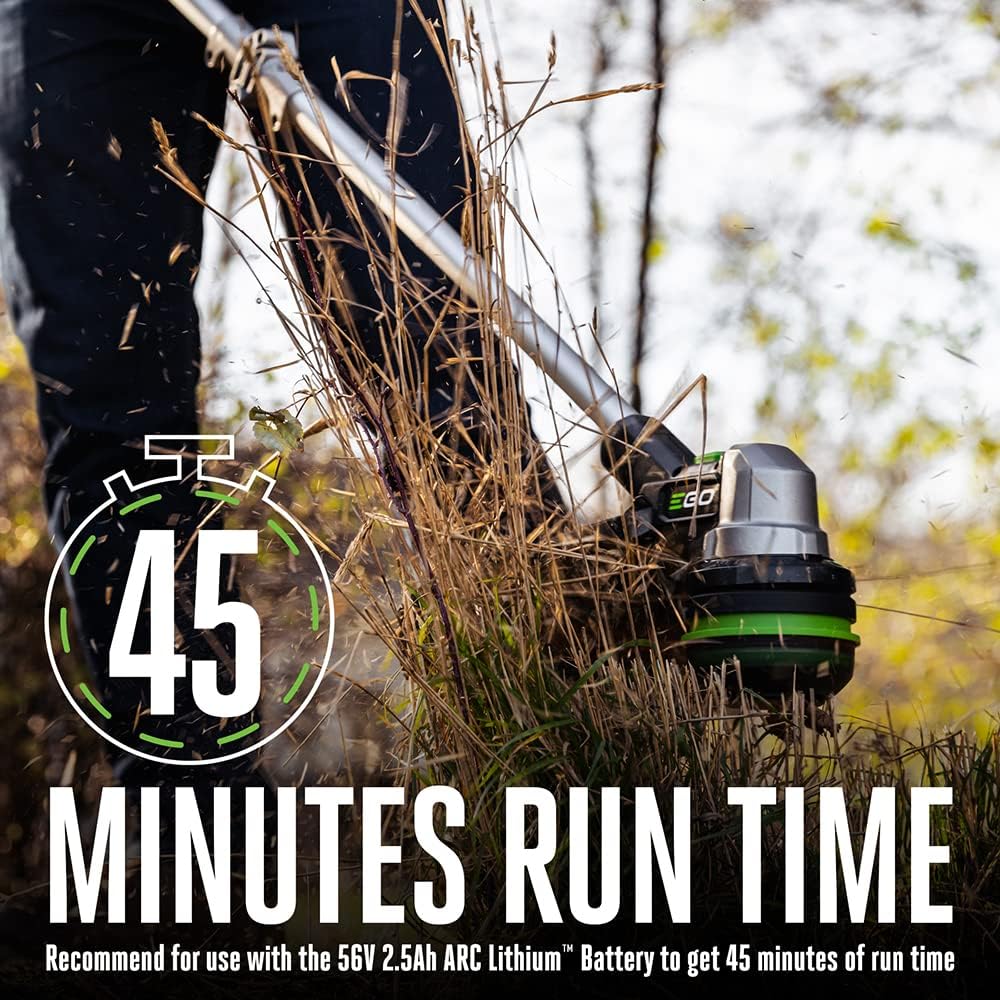
The string trimmer vs edger question usually starts with one problem: grass creeping over your walkway, driveway, or fence line. You want clean borders, not a weekly battle with overgrowth.
A string trimmer is the versatile all-rounder that spins a nylon line to slice grass and light weeds. An edger is a dedicated tool that cuts a crisp vertical edge along hard surfaces. Pick wrong, and you’ll either overspend or keep tidying ragged lines every weekend.
I’ve used both on small city lawns and larger suburban yards. Below, I’ll break down how each tool works, their real trade-offs, and which one makes sense for your lawn in 2026.
📌 What Is a String Trimmer and How Does It Work?
A string trimmer is a handheld lawn tool that spins a flexible nylon line at high speed to cut grass and light weeds. The line, usually between 0.065 and 0.105 inches thick, rotates fast enough to slice through vegetation without chewing up fence posts, tree bark, or pavers when you use a light touch.
Where it really shines is the spots your mower can’t reach. Most homeowners use one for:
- Trimming around trees, shrubs, and flower bed borders
- Cleaning up along fences, mailboxes, and retaining walls
- Edging next to decks, patios, and walkways
- Cutting grass on slopes or in ditches that are too steep for a mower
You’ll find three common power sources. Gas trimmers offer the most cutting power and all-day runtime, but they’re heavier, louder, and need a fuel mix. Battery-powered cordless models are quiet, start instantly, and now handle typical suburban yards well, especially 40V to 80V options. Corded electric trimmers are lightweight and cheap, but you’re limited by outlet access and extension cord length.
That versatility is why most consider it a must-have. Many trimmers rotate the head for vertical edging, and some accept attachments like brush cutters or pole saws. If you do any lawn maintenance beyond mowing, a string trimmer is usually the first add-on tool.
📌 What Is an Edger and How Does It Work?
An edger is a lawn tool built to cut a clean vertical border where grass meets hard surfaces. The core mechanism is simple: a spinning blade, often wheel-guided on walk-behind models, slices straight down into the turf edge. That’s different from a string trimmer, which swings line horizontally and works better for clearing weeds and grass in open areas.
You’ll get the most value from an edger in these spots:
- Driveways and sidewalks: It cuts back grass that overhangs concrete and creates a sharp separation line.
- Garden beds: A vertical cut stops lawn grass from creeping into flower or vegetable beds.
- Curbs and walkways: It redefines edges that have become ragged or overgrown over a season.
There are three main types. Dedicated walk-behind edgers have their own wheel and blade; they’re the most accurate but also heavier and more expensive. Stick edgers put the blade on a handheld shaft, which is lighter and easier to store.
Trimmer attachments let you convert many string trimmers into a basic edger by swapping the head or rotating the shaft. These are convenient but usually less precise and slower on thick turf.
That clean, sharp border is what gives a lawn a professionally manicured look. It frames the grass and makes mowing lines pop, even if the rest of the yard is ordinary.
⚡ String Trimmer vs Edger: Key Differences at a Glance
The practical difference is simple: a string trimmer is a multi-tasker, while an edger is a specialist. I use both in my lawn routine, but if you only buy one, the trimmer handles far more general cleanup work.
| Feature | String Trimmer | Edger |
|---|---|---|
| Cutting mechanism | Flexible nylon line that wears down and snaps off | Solid metal blade that cuts cleanly and lasts much longer |
| Primary purpose | Trimming grass and weeds in tight spots, around obstacles, and along fences | Creating crisp, clean borders between lawn and walkways or driveways |
| Precision | Can edge in a pinch, but often leaves a softer, less defined border | Sharp, uniform edges with a guide wheel for consistent depth |
| Versatility | High — handles trimming, light edging, and even light brush clearing | Low — focused almost entirely on lawn borders |
| Cost | $50–$300 depending on power source and brand | $80–$400; blade-driven models usually cost more upfront |
| Maintenance | Line replacement and occasional spool cleaning | Blade sharpening or replacement, plus occasional oil checks |
For most homeowners, a string trimmer covers about 80% of yard cleanup tasks. Add an edger only when you want crisp sidewalk lines every single week.
⚡ Pros and Cons of String Trimmers vs Edgers
The real question isn’t which tool is “better” — it’s which one matches how your lawn actually grows and how much time you’ll spend on borders. Here’s the honest breakdown.
String Trimmer Pros and Cons
- Versatile — handles grass, weeds, and tight spots around fences, trees, and garden beds.
- Lightweight — most battery models weigh 7–12 lbs, so you can carry one around the whole yard.
- Easier to store — compact design fits in a shed corner or garage hook.
- More affordable — decent cordless trimmers start around $60–$120.
- Less precise edges — a freehand line won’t match the crisp cut of a metal blade.
- Line replacement needed — bump-feed heads eventually run out of line, and winding new string takes practice.
- May scalp grass if angled incorrectly — tilting the head too far can shave turf down to the soil.
Edger Pros and Cons
- Professional-quality edges — a steel blade cuts a clean, vertical trench along sidewalks and driveways.
- Fast border maintenance — once set to the right depth, you can edge a long driveway in minutes.
- More durable blade — rarely needs replacement compared to trimmer line.
- Limited to edging tasks — it won’t trim weeds around beds or knock down tall grass.
- Heavier — many gas and corded edgers weigh 15–20 lbs, which can tire your arms.
- Typically more expensive — good edgers run $100–$250 and up.
- Requires separate storage — the long shaft and blade guard take up more space than a trimmer.
Bottom line: if you can only buy one, get a string trimmer because it covers more ground. If you already own a mower and want that crisp sidewalk line, an edger earns its keep.
🔑 How to Choose the Right Tool for Your Lawn
Start by walking your property and noting two things: lawn size and the length of hardscape edges. A small city lot with one sidewalk needs far less tool than a half-acre yard with curbs, walkways, and a long driveway.
If you can only buy one tool, buy a string trimmer first. It handles the bulk of routine cleanup—fence lines, around trees, under decks, and rough edging when you tilt the head vertically. A dedicated edger only does borders, so it’s a poor first purchase for most homeowners.
Choose a dedicated edger when crisp, professional borders are the priority. Straight concrete edges and formal beds look sharper with a true vertical blade. You’ll also get that clean trench effect that lasts longer than a trimmer’s angled cut.
On a budget, look at a 2-in-1 or attachment-capable trimmer. A Ryobi 40V attachment-capable power head typically costs $150–$200, with the edger attachment adding $80–$120. That’s less than two separate tools and covers both jobs.
- Lots of overgrowth and obstacles: string trimmer.
- Crisp borders, formal lawn: dedicated edger.
- One tool, two jobs, limited space or budget: attachment-capable trimmer.
🔍 Best String Trimmers and Edgers for 2026
For 2026, the best string trimmer combines a brushless motor, a 14–16 inch cutting swath, and a bump-feed or auto-feed head that doesn’t jam. Weight under 10 lbs makes a real difference if you trim for more than 20 minutes.
For a dedicated edger, look for a 7.5–9 inch steel blade, an adjustable wheel guide for consistent depth, and a handle that keeps your wrist straight. Cordless battery models now match gas power on most suburban lawns, which is why they’re the default pick this year.
Below are four solid categories to compare. I’ve included specific models worth checking, but always verify current battery platform compatibility before buying.
| Category | Model & Key Specs | Why It Stands Out | Check Price |
|---|---|---|---|
| Best Overall | EGO Power+ ST1521S — 15″ cutting swath, brushless motor, auto-feed head | Commercial-grade power, quiet, and incredibly smooth line feed. | Check Price → |
| Best Budget | Greenworks 40V 13″ — cordless, 4Ah battery included, bump feed | Reliable entry-level performance without spending over $150. | Check Price → |
| Best Cordless | Milwaukee M18 FUEL 14″ — brushless, 2-speed, accepts universal attachments | Excellent runtime and power for larger lawns, plus handy tool-free adjustments. | Check Price → |
| Best 2-in-1 Combo | Worx WG163 GT 3.0 — 12″ trimmer/edger with wheels, 20V PowerShare | Converts to a wheeled edger in seconds; great for smaller yards and beginners. | Check Price → |
Battery-powered models are winning in 2026 because lithium-ion packs now deliver 30–60 minutes of runtime on a 4Ah battery, and they’re dramatically quieter than gas. You also skip fuel mixing and carburetor maintenance, which means less hassle over the life of the tool.
⚡ FAQ: String Trimmer vs Edger
Can a string trimmer be used as an edger?
Yes, with a little practice. Rotate the trimmer head 90 degrees so the line spins vertically, then walk along the pavement edge. It won’t cut quite as cleanly as a dedicated edger, but it works fine for maintaining existing borders.
Do I need both a string trimmer and an edger?
Most homeowners don’t. A string trimmer with a rotating head handles roughly 90% of trimming and light edging. You’d only want a separate edger if you have long, straight sidewalks or prefer crisp, freshly cut lines every week.
Which tool is better for edging along sidewalks and driveways?
A dedicated edger gives cleaner, deeper cuts and keeps soil from creeping back over concrete. For sharp, professional-looking boundaries, it’s the stronger pick. A string trimmer is more versatile but leaves a slightly ragged edge.
Are cordless edgers as powerful as gas models?
Modern 40V–80V cordless edgers come close to gas power for typical home lawns. They may bog down in thick, wet turf, but they’re quieter, lighter, and easier to maintain. Gas still wins for heavy commercial use.
How much should I expect to spend on a string trimmer or edger?
Budget string trimmers start around $40–$60; decent battery models run $120–$250. Dedicated edgers range from about $80 for basic corded units to $300+ for self-propelled gas or high-voltage cordless models.
What is the main difference between a string trimmer and an edger?
A string trimmer cuts with a flexible nylon line that spins horizontally, handling grass in awkward spots. An edger uses a vertical metal blade to slice a clean boundary along hard surfaces. Trimmer equals versatility; edger equals precision.