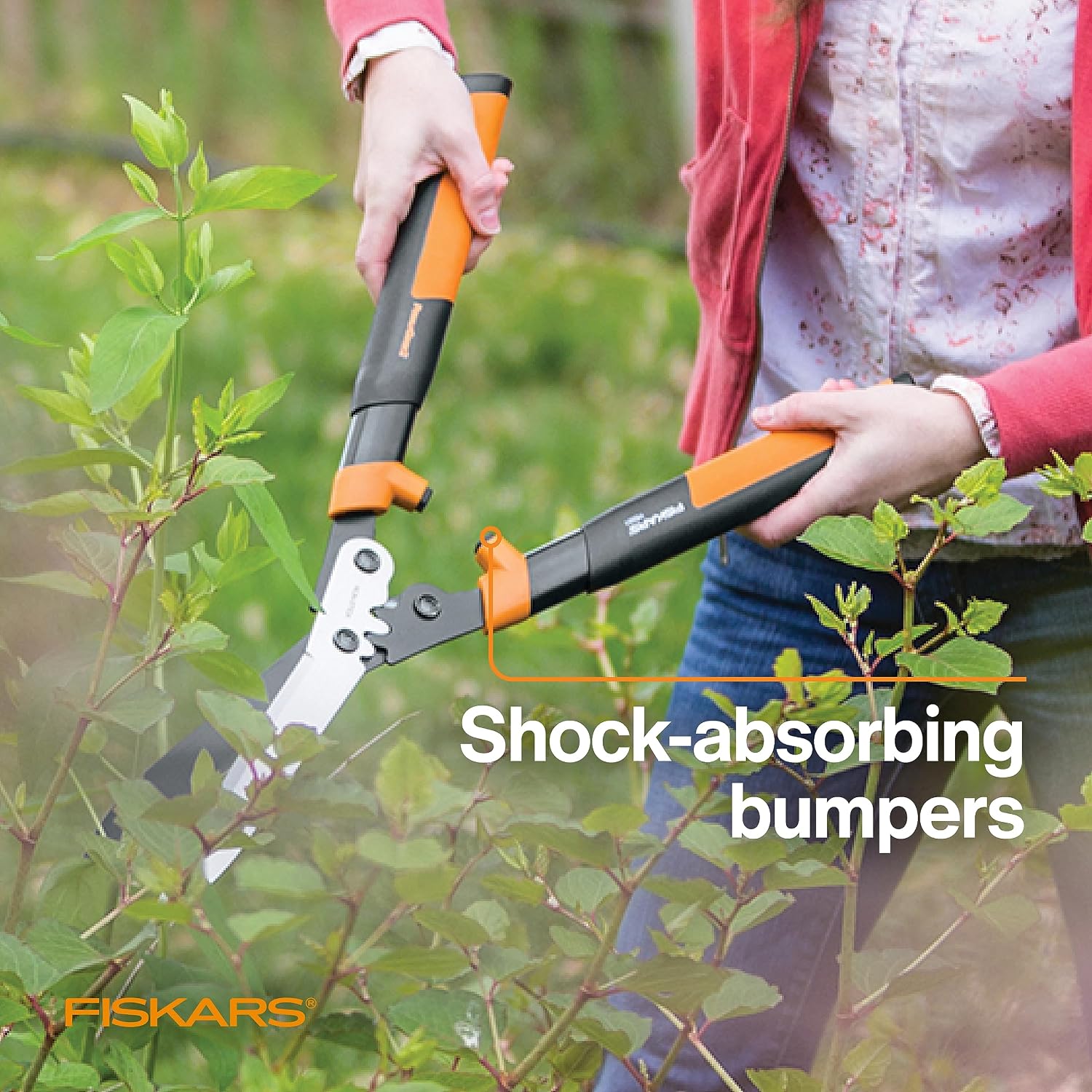
The hedge trimmer vs hedge shears debate gets more serious when you have pets. One tool roars, vibrates, and throws clippings across the yard. The other is quiet, slow, and lets you watch every cut — but demands more muscle.
I’ve used both around a border collie who hates loud motors and a cat that patrols the hedge line. The wrong choice can spook a nervous dog, scatter sharp debris near paws, or leave dangerous reachable stems. The right one keeps your shrubs tidy and your pets calm. This guide compares both tools for pet-friendly gardens in 2026.
⚡ Hedge Trimmer vs Hedge Shears: Key Differences at a Glance
The main difference comes down to power and pace. A hedge trimmer is a powered cutting tool—corded electric, battery, or gas—designed to knock back long runs of hedge quickly. Hedge shears are manual, scissor-like blades that rely on your hand strength for every cut.
Power source drives almost everything else:
- Corded electric trimmers: consistent power, 60-75 dB, but the cord is a tripping hazard for you and a chew risk for pets.
- Battery trimmers: quieter and cordless, typically 55-75 dB, good for medium yards.
- Gas trimmers: loudest at 95-100 dB and high vibration—many dogs find them genuinely stressful.
- Manual shears: zero noise, zero vibration, zero fuel or charging.
Cutting capacity is another clear split. Trimmers usually handle branches up to 3/4 inch with blades 18-24 inches long. Shears cut softer green growth up to about 1/2 inch, with blades around 8-10 inches. That makes shears the better tool for precise shaping and topiary, while trimmers are for covering ground quickly.
For initial safety around pets, shears are the lower-risk default. No motor, cord, or battery. Trimmers can be used safely, but only when pets are kept well away from the work area and any cords are secured.
⚡ Hedge Trimmer vs Hedge Shears: Side-by-Side Comparison Table
Here’s how the two tools stack up across the factors that matter most when pets are nearby.
| Feature | Hedge Trimmer | Hedge Shears |
|---|---|---|
| Power source | Gas, corded electric, or battery | Manual (arm strength) |
| Average noise level | 75–100 dB depending on model | Quiet snips, under 40 dB |
| Vibration | Moderate to high, especially gas | None |
| Blade safety | Fast-moving exposed blades | Scissor-style controlled cut |
| Cutting precision | Fast but can tear or overcut | Excellent for detail shaping |
| Ease of use for pet owners | Quick work, but noise can stress pets | Quiet and safe, but slower |
| Maintenance | Sharpening, oil, battery/fuel care | Sharpening and pivot oil only |
| Typical price range | $40–$300+ | $15–$60 |
Pet-safe edge by row: Shears win on noise, vibration, blade safety, precision, and overall calm around animals. Trimmers win on speed and power, but that speed often isn’t worth the anxiety it causes skittish pets. Maintenance is simpler with shears, and the price is almost always lower. If your priority is a quiet, low-stress yard, shears are the safer default.
📌 Pet Safety Considerations: Noise, Vibration, and Sharp Blades
Pet safety is the number one reason I reach for manual hedge shears whenever my dog is nearby. A gas hedge trimmer can hit 95–100 dB—loud enough to startle even a relaxed dog or cat. Cordless electric models are quieter (often 80–90 dB), but the high-pitched whine can still make noise-sensitive pets anxious or send them running.
Vibration matters too. Prolonged trimming with a motorized tool can leave your hands numb, but your pet may also feel the buzzing through the ground or patio. Some dogs become restless or nervous around that sustained vibration, even if they aren’t near the blade.
Blades are the obvious hazard. Exposed teeth can cause paw cuts, nose lacerations, or worse if a curious pet jumps up mid-trim. Fallen clippings and small twigs are also an ingestion risk—especially for dogs that eat almost anything.
If you do use a powered trimmer, look for these pet-friendly safety features:
- Blade guard or scabbard that covers teeth when not cutting
- Instant stop brake so the blade halts as soon as you release the trigger
- Low-noise brushless motor to reduce high-pitched whine
- Dual-switch start that requires both hands, lowering accidental starts
Manual hedge shears are naturally quieter and vibration-free. They still have sharp blades, so store them on a high hook or in a locked shed. But for nervous pets or small gardens, the absence of motor noise and buzz is a big win.
📌 Hedge Trimmer Pros and Cons for Homes with Pets
I’ll say it plainly: a powered hedge trimmer is faster and far less tiring than manual shears, but it’s not the most pet-friendly tool in the shed. If you have dogs or cats nearby, the trade-offs matter.
- Fast trimming. You can knock out a 30-foot hedge in minutes, which means less time with pets locked inside.
- Less physical effort. The reciprocating blades do the cutting, so your arms and hands don’t fatigue as quickly as they do with shears.
- Clean cuts on thick branches. Most trimmers slice through 1/2-inch to 3/4-inch woody stems without crushing, helping shrubs recover cleanly.
- Good for large hedges. If you have a long property line or tall privacy screen, a trimmer is the realistic choice.
- High noise. Gas and many electric trimmers run 70–95 dB, which may seriously frighten noise-sensitive dogs and cats.
- Vibration. Constant buzzing in your hands can make nearby pets anxious; some animals read the sensation as a threat.
- Exposed reciprocating blades. The cutting teeth stay live while working, so pets must be kept well away or secured indoors.
- Cord and battery hazards. A dangling extension cord invites chewing, and a punctured lithium-ion battery pack is a serious safety risk.
My take? Use a hedge trimmer for speed on big jobs, but only with pets crated, inside, or far from the work area.
📌 Hedge Shears Pros and Cons for Pet Owners
For pet-friendly gardens, hedge shears are the quieter, calmer option. The blades make almost no noise, so even skittish dogs or cats won’t bolt when you start trimming near their favorite napping spot.
- Virtually silent operation — no motor means no loud buzz or sudden startle for noise-sensitive pets.
- No vibration — your hands and arms stay relaxed, and nearby animals aren’t disturbed by trembling handles.
- Precise manual control — you can snip around delicate stems and avoid accidentally cutting pet-toxic plants near walkways.
- Safer blade handling — blades only move when you squeeze, reducing the risk of injury if a curious pet bumps against you.
- Ideal for small pet-accessible hedges — perfect for boxwood, lavender, or low shrubs around a dog run or cat enclosure.
- Slower work — trimming a long hedge by hand takes noticeably longer than using a powered trimmer.
- Requires hand strength — repeated squeezing can strain wrists, especially on thicker branches or woody growth.
- May cause fatigue on large jobs — a big yard with multiple hedges can leave your hands and forearms tired before you finish.
- Limited reach for tall hedges — you’ll likely need a step ladder or extension handles to safely reach above shoulder height.
I keep a pair of bypass shears by the back door for quick tidy-ups along the dog path. For anything taller than eye level, I switch to a cordless trimmer and move pets indoors first.
🔑 When to Choose Each Tool for a Pet-Safe Garden
Grab the hedge trimmer when you’re facing a long, dense privet or boxwood row. These tools make fast work of thick growth, but they’re loud enough to stress most dogs and cats. Plan to keep pets indoors with a frozen treat or puzzle toy until the job is done and the clippings are raked up.
Choose hedge shears for light shaping near fences, paths, and play zones. They’re nearly silent, so a nervous senior dog or a sound-sensitive cat can stay outside without panic. I use them for small-leaved shrubs like lavender, rosemary, and young hydrangeas.
A few zoning and timing rules I follow:
- Run power trimmers mid-morning when pets are least active indoors.
- Cordon off the trimming area with a temporary fence or leash gate.
- Use shears for the final 10% of shaping — after the noisy work is done and pets can return.
- Watch for anxiety signals: panting, pacing, hiding, or refusal to eat during trimmer use. That’s your cue to switch to shears or move pets farther away.
The hybrid approach works best in most pet-friendly gardens: trimmer for bulk removal, shears for detail and cleanup. It keeps noise exposure short and gives you a clean finish without locking pets inside all afternoon.
⚡ FAQ: Hedge Trimmer vs Hedge Shears for Pet Owners
Are hedge trimmers safe to use around pets?
Not directly. A running gas or corded trimmer has fast, exposed blades. Keep pets indoors or behind a sturdy gate. Even a quick “hello” can turn into a cut paw or nose if a dog jumps up.
Do hedge shears make noise that can scare animals?
Manual shears are nearly silent, so most pets won’t react. Powered hedge trimmers, especially gas models, are loud enough to startle a nervous dog or cat. If your pet is noise-sensitive, shears may be the calmer choice.
Which tool is better for small hedges near a dog run or cat patio?
Hedge shears usually win here. You get precise cuts without engine noise or vibration. For a small boxwood or lavender hedge next to a catio, I’d grab shears first.
Can a pet be injured by a hedge trimmer if they get too close?
Yes. The blades can cut skin, toes, tails, or noses in a split second. Even off, the teeth are sharp. Store tools blades-down or in a sheath, and never leave a running trimmer unattended.
What safety gear should I use when trimming hedges with pets nearby?
Wear close-fitting gloves, eye protection, long pants, and closed-toe shoes. With powered trimmers, add hearing protection for yourself. The best pet gear is a closed door or baby gate between your pet and the work zone.
How can I keep my pet calm while I trim hedges?
Give your dog a walk or play session first. Then settle them inside with a frozen treat or puzzle toy. Close windows, turn on a fan or TV for background noise, and check in after 20 minutes.