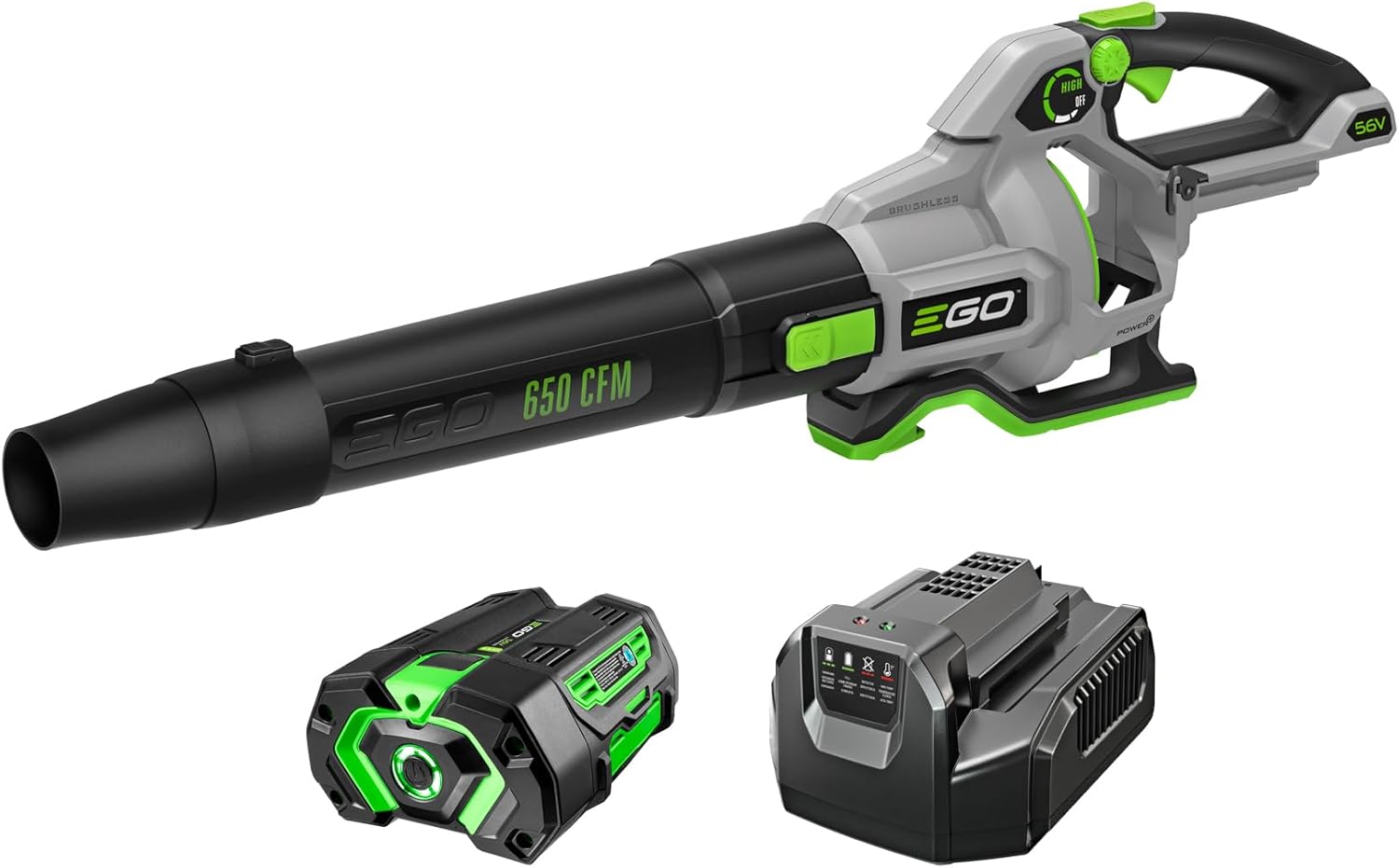
The real problem with yard cleanup when you have dogs or cats isn’t just leaves. It’s the mix of loose pet hair, dander, and dust that settles into every patio corner. If you’re weighing leaf blower vs leaf vacuum, the wrong pick can blast allergens back toward your door or send a nervous dog scrambling inside.
I’ve used both around my own high-shedding retriever. Blowers move debris fast but kick fur into the air. Vacuums trap it, though they’re slower and often louder up close. Here’s how to choose the tool that keeps your yard clean and your pets calm.
⚡ Leaf Blower vs Leaf Vacuum: Key Differences at a Glance
The biggest difference isn’t just air direction—it’s what happens to the debris after. A blower moves material into a pile you still have to bag. A vacuum shreds and captures it in a collection bag as you go.
| Feature | Leaf Blower | Leaf Vacuum |
|---|---|---|
| Airflow vs suction | High airflow and airspeed (often 200–700+ CFM, 150–250 MPH) to push large volumes | Lower airspeed but strong suction through a tube that shreds debris before bagging |
| Debris collection | No collection—forms piles for manual pickup or tarp use | Built-in collection bag, often mulches leaves 10:1 or 16:1 |
| Wet/dry handling | Primarily dry; damp leaves may clump and resist movement | Dry only for most leaf vacuums; wet material clogs the impeller |
| Best surfaces | Large lawns, driveways, decks, sidewalks | Patios, artificial turf, flower beds, garages, gutter cleaning |
For pet hair, a blower pushes fur across hard surfaces into drifts, but light undercoat often becomes airborne and settles back down. A vacuum’s suction pulls hair directly into a bag, which is much cleaner for garages or patios with heavy shedding.
Quick fit guide: small patios usually do better with a lightweight cordless blower/vac combo. Large yards favor a high-CFM blower. Artificial turf needs a vacuum’s suction—blowers can push debris deeper into the blades. Garages are ideal for a vacuum with a narrow nozzle to avoid kicking up fine dust.
📌 Which Tool Handles Pet Hair and Yard Debris Better?
For loose, dry fur on hard surfaces, a blower is usually faster. A cordless model in the 350–450 CFM range can push fur off concrete and decking in a couple of minutes. The catch? It doesn’t contain anything. Hair ends up in flower beds, against the fence, or back on the patio when the wind shifts. Dander gets blown airborne too, which isn’t great for allergy sufferers.
Vacuums work differently. Suction pulls hair out of grass blades, deck grooves, and artificial turf instead of just moving it around. Many leaf vacuums also shred debris with a metal impeller and collect it in a bag, often at a 10:1 or 16:1 mulching ratio. That means fewer stops to empty the bag, especially if you’re dealing with a heavy seasonal shed.
Here’s how each tool tends to perform by surface:
- Concrete and decking: Blower wins for dry, loose fur; vacuum handles damp clumps better.
- Grass: Vacuum is clearly stronger for embedded hair tangled at the base of blades.
- Artificial turf: Suction lifts matted hair from between fibers; air alone often just fluffs it.
- Gravel or rock: Blowers can scatter small stones; vacuums may clog, so test a small area first.
When fur is wet, matted, or mixed with damp leaves, a vacuum is usually the more practical choice. The suction and impeller break up clumps that a blower simply flattens against the surface. For quick daily touch-ups, use a blower. For a deeper clean after grooming or rainy weather, grab the vacuum.
📌 Noise Levels and Pet Anxiety: Which Is Safer for Nervous Dogs and Cats?
If your dog or cat startles easily, decibel level matters more than blower vs. vacuum. Gas leaf blowers are the loudest, typically hitting 80–90 dB. Corded-electric blowers land around 65–75 dB, while battery-powered models often sit between 60–70 dB. Leaf vacuums usually run 70–85 dB because the impeller adds mechanical hum.
| Tool Type | Typical Decibel Range | Noise Pattern | Pet Stress Risk |
|---|---|---|---|
| Gas leaf blower | 80–90 dB | High-pitched bursts | High startle risk |
| Corded-electric blower | 65–75 dB | Steady whine | Moderate |
| Battery leaf blower | 60–70 dB | Lower, shorter bursts | Lower startle risk |
| Leaf vacuum | 70–85 dB | Continuous hum | Moderate, can build over time |
A leaf vacuum’s steady hum is more predictable, which some pets tolerate better than sudden blower revs. But a long continuous drone can raise baseline anxiety in sensitive animals. For most nervous dogs and cats, short bursts from a quiet battery blower at a distance cause fewer acute reactions than a 30-minute vacuum session.
Keep these safety steps in mind:
- Keep pets 20–30 feet away or inside with a white noise machine or soft music.
- Let your pet see and sniff the tool while it’s off. Then turn it on at the lowest setting far away.
- Use short 5–10 minute sessions and reward calm behavior with treats or play.
- Never aim airflow near pets or blow debris in their direction.
- Stop if you see panting, tucked tail, flattened ears, or hiding.
If your pet is noise-sensitive, look for brushless motors, variable-speed triggers, and decibel ratings under 65 dB. Battery-powered blowers with a “quiet” or “eco” mode usually beat gas models. For vacuums, choose units with a lower-pitched impeller and rubberized housing, which tends to dampen high-frequency whine.
📌 Cost, Maintenance, and Ease of Use Compared
Typical 2026 street prices split the two tools fairly cleanly. Entry-level electric leaf blowers usually run $40–$80, mid-range cordless models sit between $80–$200, and premium backpack or high-airflow blowers reach $200–$600. Leaf vacuums—almost always sold as blower/vac combos—start at $60–$120, with mid-range mulching vacs at $120–$300. Dedicated wheeled vacuums can top $400.
| Tool Type | Entry-Level | Mid-Range | Premium |
|---|---|---|---|
| Leaf Blower | $40–$80 | $80–$200 | $200–$600 |
| Leaf Vacuum (Combo) | $60–$120 | $120–$300 | $300+ |
Maintenance differs more than you’d expect. Electric blowers need almost nothing; gas blowers require air filters, fuel mix, and occasional spark plugs. Leaf vacuums add a collection bag, impeller, and shredder that can clog on wet grass or pine needles. Many advertise a 10:1 to 16:1 mulching ratio, which means fewer trips to the compost pile but more frequent bag emptying if you skip mulching.
Weight and storage matter in tight garages. Cordless blowers often weigh 5–12 lb, while blower/vac combos run 8–15 lb with the bag attached.
A vacuum’s hose and bag also eat more shelf space. For pet hair, I’d lean toward a vacuum: it traps hair and dander instead of blowing them across the yard. A blower is faster for open lawns, but you’ll still need a rake or broom to collect the hair.
🔍 Best Choice for Dog and Cat Owners: Our Verdict
For most dog and cat owners, a leaf vacuum is the better first purchase. Its main job is containing pet hair, dander, and fine debris in a collection bag instead of blowing it into garden beds or back through an open door. If you’re trying to keep a small yard, kennel area, or patio fur-free, go vacuum.
Choose a leaf blower only if you have a large, open yard and several shedding dogs. It moves fur and grass fast, but you’ll still need to rake or bag the loose pile afterward. For noise-sensitive cats or dogs, look for a variable-speed blower with a lower decibel rating.
If you have storage room and a mid-range budget, a 3-in-1 hybrid blower/vacuum/mulcher covers both needs. My top picks below are based on yard size, number of pets, and how much noise you and your animals can tolerate.
| Product | Type | Best For | Price Range | Check Price |
|---|---|---|---|---|
| Worx WG509 TRIVAC | 3-in-1 Blower/Vacuum/Mulcher | Small-to-medium yards, multi-pet homes | $80–$100 | Check Price → |
| Toro 51621 UltraPlus | Blower/Vacuum/Mulcher | Larger yards, heavy shedders, variable speed | $100–$130 | Check Price → |
| Black+Decker BV3600 | Blower/Vacuum/Mulcher | Tight storage, budget, low-noise cordless option | $65–$85 | Check Price → |
⚡ FAQ: Leaf Blower vs Leaf Vacuum for Pet Owners
Can a leaf vacuum pick up wet pet hair?
Most electric and gas leaf vacuums can handle damp leaves, but wet clumps of pet hair often clog the impeller and chute. If the hair is matted into wet debris, rake first or let the area dry before vacuuming to avoid blockages.
Is a leaf blower too loud for dogs with noise anxiety?
It can be. Gas blowers often run between 90 and 112 dB, which is loud enough to stress many sound-sensitive dogs. Electric blowers are quieter, typically 59 to 75 dB, but still introduce a strange new noise. Start at a distance and watch your dog’s body language before moving closer.
Are leaf vacuums safe to use around cats and small pets?
Only when pets are kept out of the immediate work area. The suction can startle cats, and small pets may get too close to the intake. Keep a 10 to 15 foot safety buffer and never point the nozzle toward an animal.
Which is better for removing pet hair from artificial turf?
A leaf vacuum with a brush roll or rubber flapper usually works better because it lifts fur out of the turf fibers. A blower can push dry hair into corners, but it won’t pick anything up. For embedded hair, vacuum mode is the more effective choice.
Do I really need both a leaf blower and a leaf vacuum?
For most pet owners, a convertible vacuum/blower is enough. You can blow leaves and grass into piles, then switch to vacuum mode to collect fur and dust. Buying both separate tools is often overkill for small or medium yards.
What is the average cost of a pet-safe leaf vacuum in 2026?
Expect to pay roughly $70 to $180 for a corded model and $120 to $350 for a battery-powered or gas convertible unit. “Pet-safe” mostly means lower noise and easier debris clearing, so prioritize decibel ratings and mulching ratios over raw power.