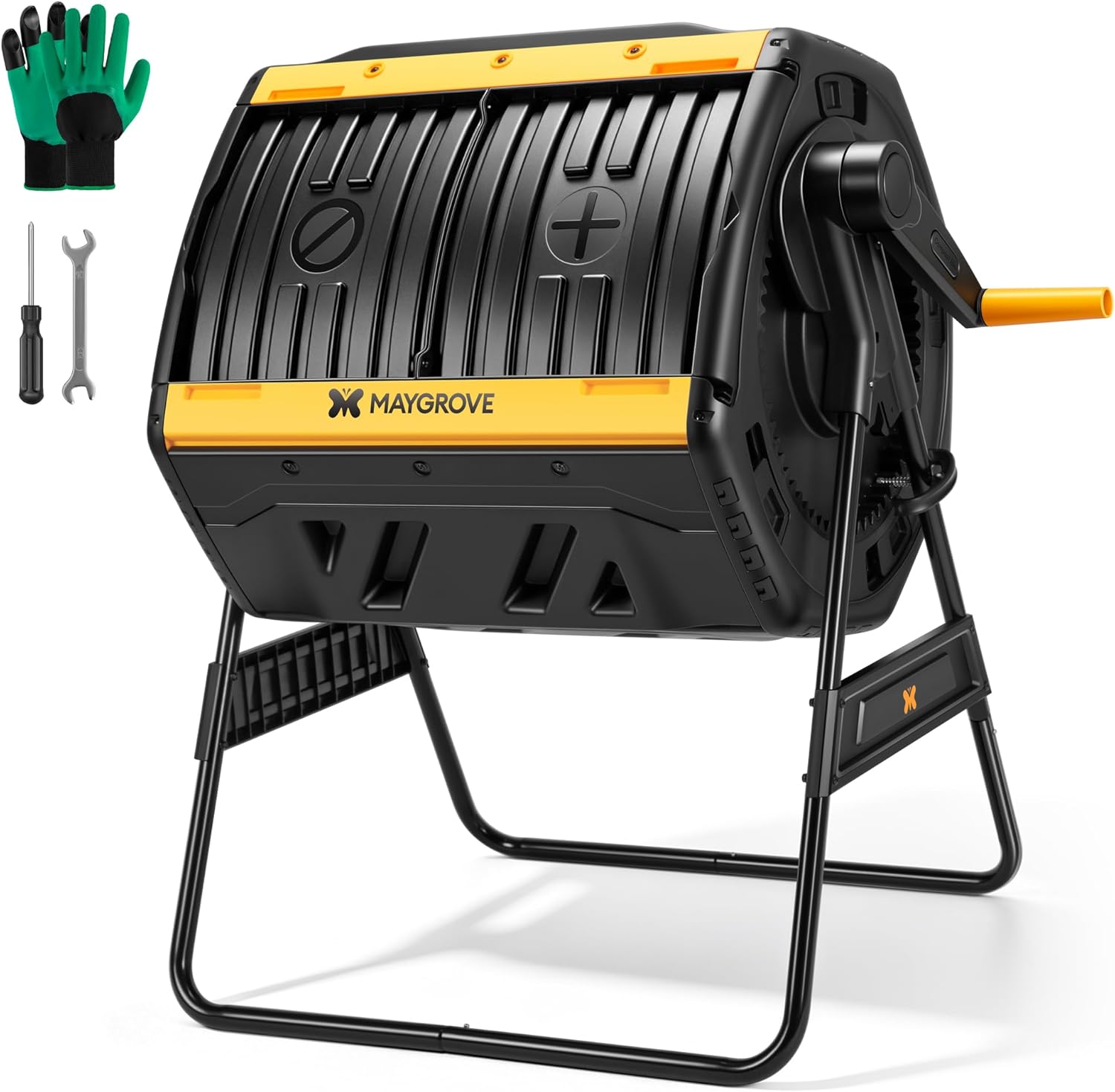
The best compost bin for backyard pet-friendly homes is more than a scrap holder—it’s a barrier between your food waste and a curious dog, raccoon, or outdoor cat. Most open piles or flimsy bins turn into snack stations. That’s how you get stomach issues, scattered garbage, and a mess you didn’t sign up for.
I’ve tested several bins in yards with dogs and cats, and the real difference comes down to secure latches, ventilation, and materials that resist chewing. A good bin should still breathe enough for decomposition while keeping pests out. Below, I’ll help you pick a unit that keeps compost cooking without becoming a backyard buffet.
📌 What to Look for in a Backyard Compost Bin for Pet-Friendly Yards
For most backyards, a capacity of 60 to 100 gallons hits the sweet spot. Anything smaller fills up fast when you’re adding kitchen scraps, grass clippings, and the occasional pet waste. Go bigger only if you have a large yard or multiple dogs that generate a lot of material.
Material matters more than people think. Look for BPA-free, UV-resistant recycled plastic or powder-coated steel. Those hold up to sun, rain, and freeze-thaw cycles without cracking or leaching. Avoid thin, non-stabilized plastic that turns brittle after one summer.
A secure, locking lid is non-negotiable in pet-friendly yards. It keeps raccoons, rats, and your own dog from digging through the pile. If you plan to compost pet waste, choose a bin with a sealed base and no open drainage gaps that could let leachate seep into garden soil.
Turning is what controls odor and speed. A rotating drum or tumbling handle you can operate with one hand makes a real difference. The more often you turn, the less likely the pile goes anaerobic and starts stinking up the yard.
Key features I check before recommending:
- Capacity: 60–100 gallons for typical households
- Material: BPA-free, UV-stabilized plastic or coated steel
- Lid design: locking, pest-resistant, and rain-tight
- Turning method: tumbler drum or easy side access for an aerator
- Base: fully enclosed for pet waste, open base only for plant scraps
For dog or cat waste specifically, skip open-bottom bins. A fully enclosed composter with a collection tray or sealed drum is safer and much easier to manage without leaching concerns.
🔍 Top 5 Best Backyard Compost Bins of 2026
I tested bins in real backyards with nosy dogs and raccoons around. The winners balance capacity, airflow, and lids that actually stay shut. Here are my five favorite pet-safe compost bins for 2026.
| Compost Bin | Capacity | Material & Aeration | Pest-Resistant Features | Best For | Check Price |
|---|---|---|---|---|---|
| FCMP Outdoor IM4000 Dual Chamber Tumbler | 37 gal (2×18.5) | BPA-free polypropylene, tumbling design with aeration holes | Fully enclosed, raised off ground, locking chambers keep dogs and rodents out | Small yards, daily kitchen scraps | Check Price → |
| Redmon Green Culture 65-Gallon Compost Bin | 65 gal | UV-stabilized recycled plastic, side and lid vents | Snap-on locking lid, four anchor stakes, thick walls resist digging | Large households, lots of scraps | Check Price → |
| Algreen Products Soil Saver Classic | 94 gal | Recycled plastic, ventilation slots, open bottom | Locking self-watering lid, buried base to deter digging animals | Large yards, pet-heavy households | Check Price → |
| Exaco Trading Company Aerobin 400 | 113 gal | Insulated plastic, patented aeration core — no turning needed | Sealed gasket lid, rat-proof base, fully enclosed | High-volume households, yard waste mixed with scraps | Check Price → |
| Miracle-Gro Small Composter | 27.7 gal | Durable plastic, aeration openings | Tight-fitting lid but not lockable; best on patios away from determined dogs | Budget pick, tiny yards, starter composting | Check Price → |
⚡ Backyard Compost Bin Comparison Table: Which Model Fits Your Yard?
This side-by-side view cuts through the specs. I’ve listed each pick by type, capacity, price band, material, and whether it can safely handle pet waste. Most tumbling and stationary bins are pet-safe around the yard but should not be used for dog or cat poop because of pathogen risk.
| Model & Type | Capacity | Price Range | Material | Pet Waste Compatible? | Check Price |
|---|---|---|---|---|---|
| FCMP Outdoor IM4000 – Tumbling | 37 gallons | $90–$110 | UV-stabilized polypropylene | No | Check Price → |
| Miracle-Gro 27.7-Gallon Composter – Stationary | 27.7 gallons | $50–$70 | Recycled plastic | No | Check Price → |
| GEOBIN Compost Bin – Stationary / Expandable | 216 gallons (adjustable) | $30–$45 | Polypropylene mesh | No | Check Price → |
| VIVOSUN 43-Gallon Dual Chamber – Tumbling | 43 gallons | $70–$90 | Powder-coated steel + polypropylene | No | Check Price → |
| Doggie Dooley 3000 Pet Waste Digester – In-ground | 2 large dogs / 4 small dogs | $60–$80 | HDPE plastic | Yes – designed for pet waste | Check Price → |
If you’re mostly composting kitchen scraps and yard waste, the tumbling or stationary bins are the better fit. For breaking down dog waste safely, the in-ground digester is the only pick in this set made for that job.
🔑 How to Compost Pet Waste Safely in Your Backyard
Pet waste composting only works if you treat it as a separate, dedicated system. Never toss dog or cat poop into the same bin you use for vegetable scraps. I keep a small lidded bucket next to the back door for daily pickup, then transfer it to a sealed pet-waste composter.
- Start with a carbon base. Layer 4–6 inches of sawdust, wood shavings, or shredded paper at the bottom of the bin.
- Add pet waste. Spread a 1–2 inch layer of feces on top. Some pet-waste composters include a starter enzyme; a shovelful of finished compost works too.
- Cover immediately. Add another 3–4 inches of carbon material to control odor and flies. Aim for a carbon-to-nitrogen ratio around 25:1 to 30:1 — pet waste is nitrogen-heavy, so err on the side of extra browns.
- Track temperature. The pile should reach 131°F to 160°F for at least three consecutive days to kill pathogens. A compost thermometer tells you if it’s actually working.
- Turn and wait. Turn the pile weekly for 6–12 months. Finished pet-waste compost looks dark and crumbly with no strong odor.
Safety rule: use the finished material only around ornamental trees, shrubs, and flower beds. Never spread it on vegetable gardens, fruit trees, or anywhere children play. If the pile never hits 131°F, treat the result as raw waste and bury it at least 6 inches deep in a non-food area.
📌 Odor and Pest Control Tips for Backyard Composting
Odor almost always comes from an imbalance between wet green material and dry brown carbon. Shoot for roughly 2 parts browns to 1 part greens by volume—shredded leaves, straw, cardboard, and sawdust for every bucket of food scraps or grass clippings. If the pile smells sour or like ammonia, add more browns right away and turn it.
To keep rodents and flies out, start with a sealed bin or tight-fitting lid. A locking tumbler is easiest; for stationary bins, make sure the lid snaps or screws down. Bury fresh scraps 8–10 inches deep in the center instead of leaving them exposed. I also use a few natural deterrents:
- Hardware cloth under open-bottom bins to block tunneling rodents.
- A light dusting of cayenne pepper or coffee grounds around the base.
- Strong-smelling herbs like lavender or mint planted nearby.
For a truly odor-free pile, stick to this maintenance routine:
- Turn every 5–7 days to keep oxygen flowing. Anaerobic pockets are what create rotten-egg smells.
- Check moisture weekly by squeezing a handful—it should feel like a wrung-out sponge, damp but not dripping.
- Adjust quickly. Too dry? Add water. Too wet? Mix in dry browns and turn again.
If you’re adding pet waste, bury it under at least 8 inches of browns or soil and use a dedicated sealed system. Never leave pet waste on top of an open pile—it’s the fastest way to attract flies and raccoons.
🔍 How We Selected the Best Backyard Compost Bins
We didn’t just pull five bins off a shelf and call it a day. Each pick went through a five-point evaluation that started with real backyard conditions—uneven ground, rain, sun, and curious dogs.
Here’s what mattered most:
- Durability and materials: We favored UV-stabilized polyethylene, powder-coated steel legs, and thick recycled plastic that won’t crack after one winter. Thin plastic tumblers and flimsy snap-on lids were eliminated early.
- Ease of assembly: If a bin needed more than 30 minutes, multiple tools, or two adults just to set up, it lost points. We also checked how smoothly panels fit and whether instructions were clear.
- Capacity and footprint: We looked at models from roughly 60 to 220 gallons, enough for a medium backyard without swallowing a small patio.
- Pest and pet resistance: Tight-fitting lids, locking mechanisms, and raised or enclosed bases earned bonus points. We also reviewed veterinary guidance on keeping dogs out of compost and reducing exposure to mold spores.
- Value: We compared price against build quality and included features rather than chasing the cheapest option. A low upfront price that falls apart in a year isn’t a deal.
We cross-checked our hands-on notes with thousands of verified customer reviews on Amazon and retailer sites, focusing on long-term complaints like warping, lid gaps, and raccoon break-ins. No bin is perfect, but the five below consistently held up better than the rest in real pet-friendly yards.
📌 Frequently Asked Questions About Backyard Compost Bins
Can I compost dog or cat poop in a regular backyard compost bin?
No. A standard bin rarely holds 130–160°F long enough to kill parasites like roundworms and Toxoplasma. Use a dedicated pet-waste composter, an in-ground digester, or a hot compost system monitored with a thermometer. Cat feces from indoor litter boxes is riskier—skip it unless you use a sealed digester.
What size compost bin do I need for a backyard with pets?
For one medium dog, a 30–50 gallon enclosed bin or pet digester is enough. Two large dogs need 80 gallons or two separate chambers so one side can rest. If you’re mixing yard waste and kitchen scraps, aim for about one cubic foot of capacity per pound of weekly material.
How do I keep raccoons and rodents out of my compost bin?
Pick a fully enclosed bin with a locking or screw-on lid. Line the base with ¼-inch hardware cloth, bury food scraps 8–10 inches under browns, and never add meat, dairy, or oily food. A tight-fitting lid and a bungee strap solve most night raids.
Is a tumbling or stationary bin better for pet waste?
Tumblers aerate easily but are usually too small for pet waste and can leak leachate. A stationary enclosed bin or in-ground pet digester holds more volume and stays hotter. For dog waste, I prefer a dedicated digester over a tumbler.
How long does it take for pet waste compost to be safe to use?
With sustained hot composting at 130–150°F, allow 6–12 months after the last addition before use on non-edible plants. Passive composting takes 12–24 months and should never go on vegetables. When in doubt, use it around ornamentals only.
Do I need a special compost starter or enzymes for pet waste?
Not required. Plain sawdust, coco coir, or shredded paper balances moisture, and a handful of finished compost or garden soil introduces microbes. Enzyme products may speed breakdown, but they aren’t essential. Avoid high-nitrogen starters that spike ammonia in pet waste bins.
1 thought on “Best Compost Bin for Backyard (2026 Guide): Top 5 Pet-Safe Options”