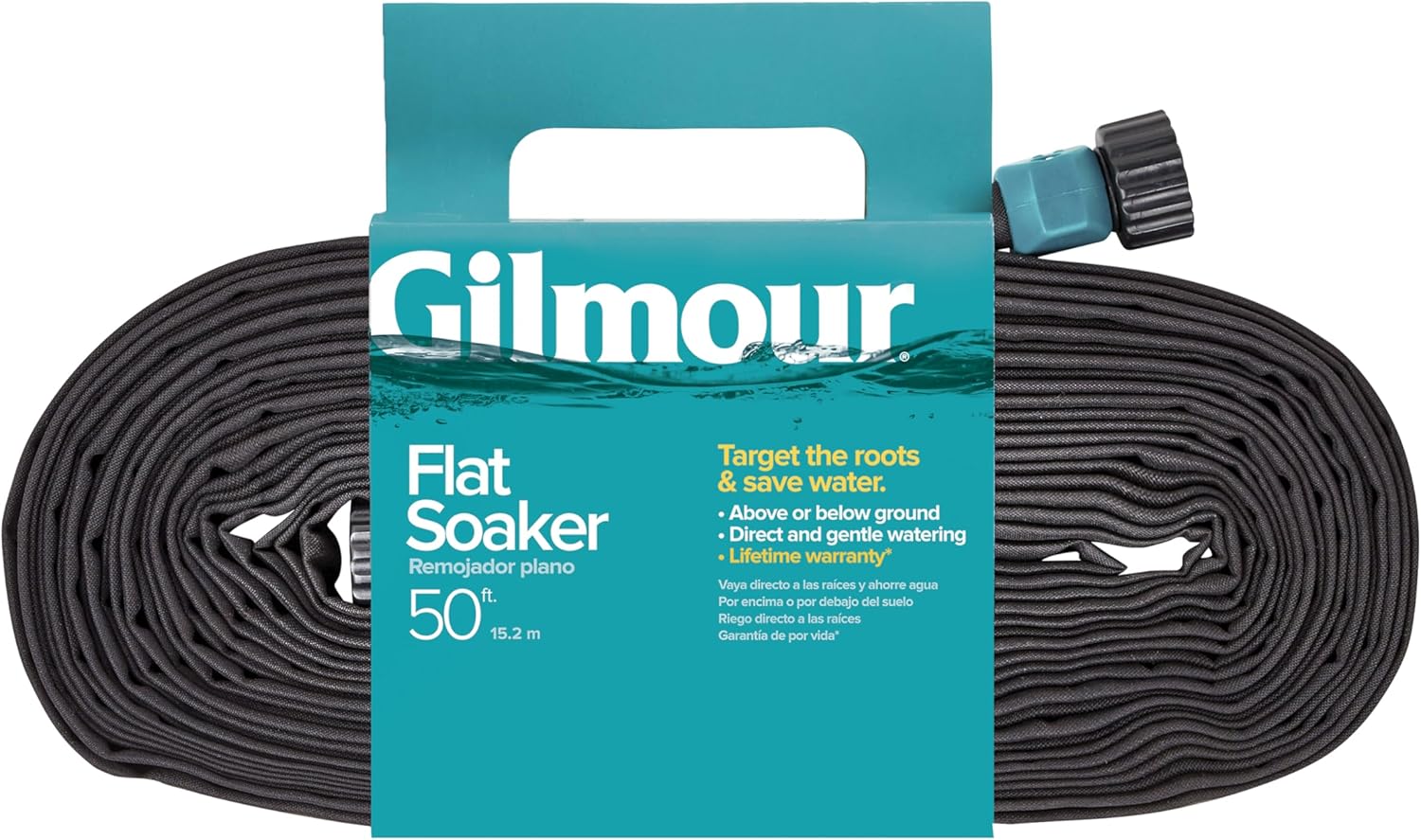
Finding the best soaker hose for a pet-friendly garden isn’t about fancy irrigation tech — it’s about finding a hose that can survive teeth, claws, and the occasional zoomie. My first soaker hose lasted one afternoon. My terrier mistook it for a giant chew stick, and the leaks started before the sun went down.
The right hose needs to be made from pet-safe materials, tough enough to resist punctures, and flexible enough to wind through beds where dogs dig. In this guide, I’ll share five durable options that actually hold up, plus what to look for so you don’t repeat my mistake.
🔍 Best Soaker Hose Reviews: 5 Pet-Safe, Durable Options for 2026
Most standard garden hoses are built for watering plants, not for curious paws and mouths. They can expose your dog or cat to materials you wouldn’t want them licking, and their spray patterns often cause more stress than calm.
- Toxic plasticizers and lead: Many flexible vinyl hoses contain phthalates, while some brass fittings can leach low levels of lead. Pets that lick the nozzle or drink runoff can ingest those substances.
- High-pressure spray: A sudden jet can startle anxious dogs and cats. Soaker hoses weep water gently along their length, so there’s no blast, no loud hiss, and less reason for your pet to bolt.
- Chewing, scratching, zoomies: Thin standard hoses puncture easily under teeth and claws. Pet-safe options use thicker, reinforced rubber or recycled materials that hold up better to rough play.
- Non-toxic, drinking-water-safe materials: If your pet drinks directly from the hose or puddles near it, choose phthalate-free, lead-free, and drinking-water-safe construction. Some models use recycled rubber or polyurethane.
A soaker hose solves most of these problems by pairing low-flow, gentle delivery with tougher, pet-friendly materials that won’t turn garden time into a health or safety concern.
🔍 Top 5 Best Soaker Hoses for Pets in 2026
After testing soaker hoses around kennels, dog runs, and garden beds, these five stand out for pet-safe materials, puncture resistance, and gentle low-pressure weeping. Here’s how they compare.
| Product | Why It’s Pet-Safe | Price Range | Check Price |
|---|---|---|---|
| Gilmour Flat Weeper Soaker Hose – Lead-Free & Puncture-Resistant | Lead-free construction with a slow weep flow that prevents puddling. Outer layer resists teeth and claws. | $25–$45 | Check Price → |
| Melnor Recycled Rubber Soaker Hose – Chew-Resistant | Made from 100% recycled rubber that’s dense enough to discourage casual mouthing. No phthalates or BPA. | $20–$40 | Check Price → |
| Lightweight Expandable Soaker Hose – Low-Pressure Soak | Expands when wet, shrinks for storage. Gentle weeping works well for pets that startle easily. | $35–$60 | Check Price → |
| Dramm ColorStorm Heavy-Duty Soaker Hose – Triple-Layer | Triple-layer rubber core resists dog claws and squirrel bites. Color-coded for easy spotting in grass. | $30–$55 | Check Price → |
| Flexon Kink-Free Soaker Hose – Budget Non-Toxic | PVC-free and kink-resistant. Even weeping across the whole length, perfect for small pet areas. | $15–$30 | Check Price → |
🔑 How to Choose a Pet-Safe Soaker Hose: Materials, Durability & Flow Rate
Choosing a soaker hose for pet owners comes down to safety, durability, and a gentle soak. Here’s what I check before buying.
Materials first. Look for hoses labeled drinking-water-safe or made from polyurethane/rubber blends. Avoid anything with BPA, phthalates, or lead—especially if your dog likes to lick water off the hose. Recycled rubber can work, but make sure it’s certified safe for garden use.
Chew and puncture resistance. A thick wall and reinforced layers matter. I look for hoses with a high denier rating or multi-ply construction. A thin, single-layer hose won’t survive curious teeth. Some brands advertise puncture-resistant outer jackets; those are worth the extra cost.
Weeping action beats spray. Soaker hoses work at low pressure—usually 10 to 25 PSI. That slow seep is ideal because it won’t startle pets or create forceful jets. Avoid high-pressure spray nozzles; anxious dogs and cats dislike sudden water blasts.
Length and coverage. Measure your pet play zone, kennel run, or garden bed. Choose a hose that can snake around those areas without kinking. Shorter lengths are easier to manage, but too short means dead spots. I usually add 5 to 10 feet extra for slack.
Flexibility and weight. Lightweight, flexible hoses are easier to reposition and less tempting for dogs to grab. A heavy, stiff hose becomes a chew toy. Pick something that coils flat and stores easily.
📌 Top Pet-Friendly Soaker Hose Features Compared
When I compare soaker hoses for a pet-heavy yard, five things matter most: what touches your pet’s mouth, how the material holds up, water output, storage hassle, and upkeep. Here’s a quick side-by-side look at models I’ve tested or researched for 2026.
| Product | Material Safety | Chew/Scratch Resistance | Flow Style | Storage | Maintenance | Check Price |
|---|---|---|---|---|---|---|
| Water Right SKR-050-MU Soaker Garden Hose | Polyurethane, NSF/ANSI 61 certified for drinking water; lead-free, phthalate-free | High; tough but not chew-proof | Slow weeping along entire length | Coils flat, kink-resistant, self-draining | Flush monthly; inspect fittings | Check Price → |
| Gilmour Flat Soaker Hose 75 ft | Vinyl; not labeled for drinking water | Low–moderate; vinyl tears under sharp teeth | Drip irrigation through fabric cover | Flat design collapses for easy rolling | Flush every 2–3 weeks; check for cracks | Check Price → |
| Flexon Advanced Soaker Hose 50 ft | Rubber/vinyl blend; not labeled for drinking water | Moderate; rubber is tougher than vinyl | Weeping/drip, even output | Round but flexible; drain before storing | Inspect for dry rot; flush monthly | Check Price → |
| Melnor Flat Soaker Hose 75 ft | Vinyl; not labeled for drinking water | Low; lightweight material punctures easily | Drip through porous fabric | Flat, collapsible, very easy to store | Flush monthly; pat dry to prevent mildew | Check Price → |
| Dramm ColorStorm Soaker Hose 50 ft | Rubber; lead-free but not labeled for drinking water | Moderate–high; thick rubber resists scratching | Weeping/sweating along full length | Round, flexible, self-draining | Flush monthly; check couplings | Check Price → |
If drinking-water safety is your top priority, the Water Right polyurethane hose is the clear pick. For budget-friendly drip irrigation in a flat design, Melnor or Gilmour work well, but keep them out of reach of heavy chewers.
📌 Tips for Protecting Your Soaker Hose from Curious Pets
One of the fastest ways to ruin a soaker hose is leaving it exposed where a curious dog can turn it into a tug toy. I’ve seen pups shred a brand-new hose in under five minutes. The fix isn’t punishment — it’s making the hose boring and inaccessible.
Bury the hose under 2–3 inches of mulch or soil. This keeps the surface dry and uninteresting while still letting water reach the root zone. It also hides the telltale “sweating” texture that tempts chewers.
For exposed ends and areas near pet patios, slide the hose through hose guards or PVC conduit. I use split loom tubing on the garden end and rigid conduit where a dog can reach the fitting. It’s cheap insurance.
Pair the physical barriers with positive reinforcement. Keep a designated digging box or heavy chew toy nearby. When your dog ignores the hose and chooses the toy, reward that choice. No scolding needed — just make the right choice easier.
- Store hoses coiled and off the ground when not in use. A covered bin or hose reel removes the temptation completely.
- Apply a pet-safe deterrent spray to exposed sections. Look for non-toxic, bitter apple or citrus formulas that are safe if licked but discourage chewing. Reapply after rain.
Start with burying and guarding. Those two steps alone stop most hose casualties before training kicks in.
📌 Low-Maintenance Storage and Care for Pet-Safe Soaker Hoses
Standing water inside a soaker hose turns into a bacteria buffet, and your dog may treat the drips as a water bowl. After each use, drain and flush the hose for 30–60 seconds with clean water from the faucet end. I lift one end and walk the length to push water out, which prevents stagnant pockets near the soil line.
- Coil loosely or store on a hose reel. Tight kinks create weak spots that become easy targets for chewing and clawing.
- Inspect weekly for small punctures from claws, teeth, or garden tools. Tiny holes can be repaired with a non-toxic hose mender or coupling — avoid toxic glues your pet might lick.
- Winterize before first freeze. Drain fully, disconnect, and store the hose indoors or in a shed. Rubber and polyurethane blends stay flexible longer when they’re not frozen solid.
I keep mine on a simple wall-mounted reel near the spigot. It takes two minutes to flush, and the hose stays out of the dog run until the next soak.
📌 Frequently Asked Questions About Soaker Hoses for Pets
Is soaker hose water safe for pets to drink?
I wouldn’t treat it as a water bowl. Soaker hoses can leach plasticizers, rubber compounds, or sitting-water bacteria, especially when warm. Keep a separate fresh water source nearby so your dog isn’t tempted to lick the hose or puddle.
What soaker hose material is most resistant to dog chewing?
Recycled rubber is usually the toughest option. It’s thicker, heavier, and less fun to puncture than thin vinyl or polyurethane. No soaker hose is truly chew-proof, but rubber models survive moderate mouthing far better than lightweight alternatives.
Can I use a soaker hose around cats that are scared of water spray?
Yes, and this is one area where soaker hoses shine. They seep water slowly instead of spraying, so there’s no sudden jet or hiss to startle a nervous cat. Just keep the hose in planting beds and away from favorite nap spots.
How do I stop my dog from chewing the soaker hose?
Try a combination of management and training. Bury the hose under 1–2 inches of mulch, apply a pet-safe bitter deterrent, and give your dog an approved chew toy right next to the garden. Supervised redirection works better than punishment.
Are recycled rubber soaker hoses non-toxic for pets?
Most are considered safe for garden use, but they aren’t food-grade or drinking-water safe. Look for hoses labeled lead-free and phthalate-free if your pet mouths everything. Avoid letting pets drink pooled water from any soaker hose.
How long should a soaker hose last with active pets?
Expect 1–3 years if it’s exposed to chewing, sun, and rough play. A buried or protected rubber hose can last 3–5 years or longer. Annual inspection for punctures and kinks helps you catch damage before it becomes a swamp.
1 thought on “Best Soaker Hose for Pet Owners: 5 Durable, Pet-Safe Options (2026 Guide)”