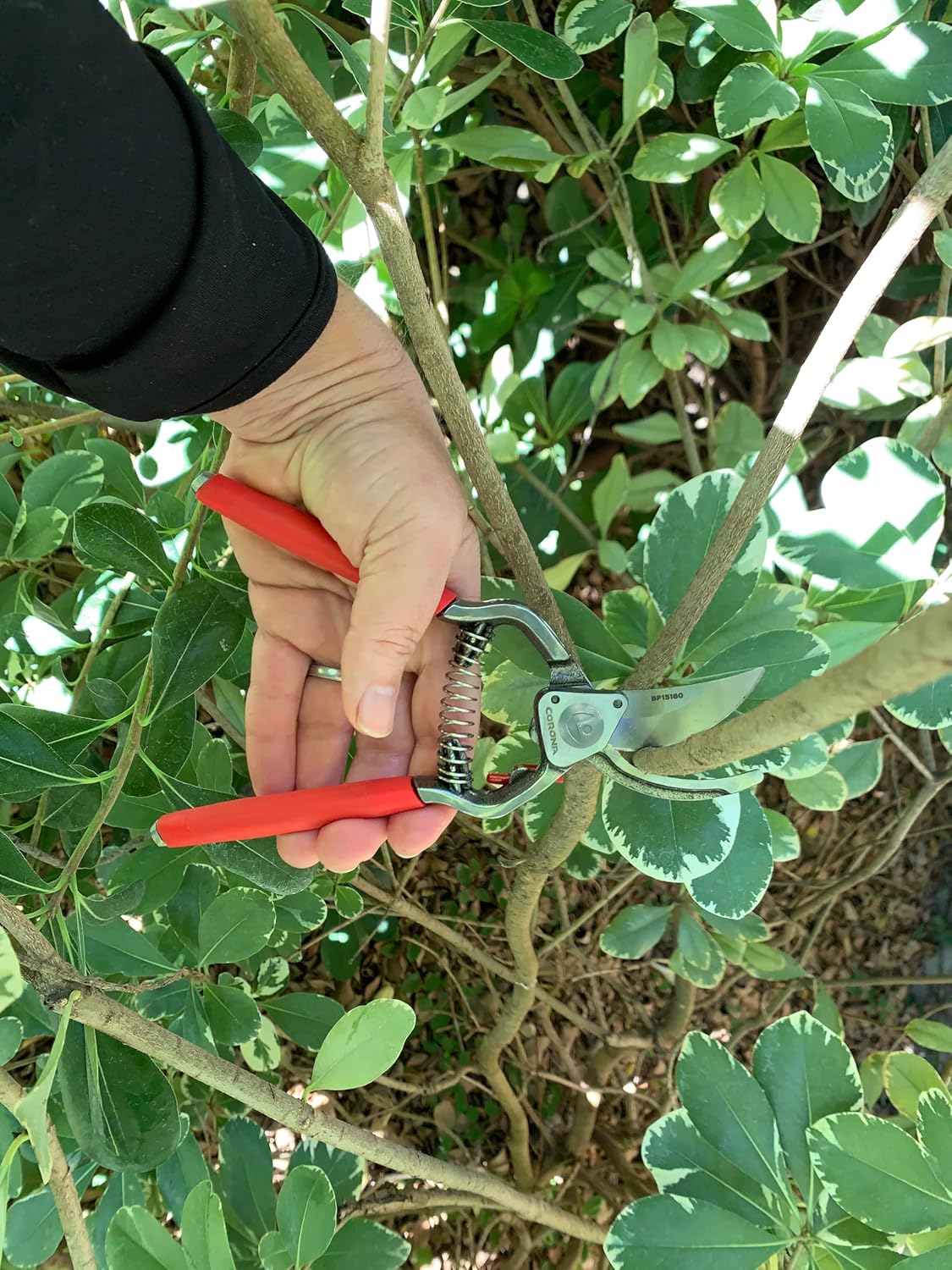
A good pair of pruning shears for gardening does more than trim — it protects your plants and your pets. Dull blades crush stems instead of cutting clean, leaving ragged wounds that invite disease. Cheap shears also slip, pinch, or snap, which is stressful when a curious dog or cat is sniffing nearby.
After testing dozens of hand pruners, I’ve found the right shears make clean cuts with less force, reducing the chance of a painful slip. In this guide, I’ll share five 2026 picks that balance sharpness, safety locks, and hand comfort for gardeners who also share their outdoor space with pets.
📌 Why Reliable Pruning Shears Matter for Pet Owners
When I prune with a dull pair, I can feel the stems crush instead of cut. That ragged wound takes longer to callus over, and it leaves the plant more vulnerable to fungal problems. Clean cuts close faster, which means less plant stress and less sticky sap dripping onto surfaces your dog might sniff or lick.
Sharp, well-designed blades also save your hands. A bypass shear that slices through a 3/4-inch rose cane takes far less grip force than a dull anvil shear that smashes it. I look for hardened steel blades that hold an edge through a full morning of deadheading and light shaping.
pet owners have extra reasons to care. A dropped shear with an exposed edge is a real hazard around curious noses and paws. The debris matters too. Rose clippings, thorny stems, and sap-covered leaves often end up on the ground where dogs sniff or step. A clean cut leaves less ragged bark and fewer splintered pieces for a pet to pick up.
For this guide, I evaluated every shear on four points:
- Sharpness — clean cuts on green and semi-hardwood stems up to 3/4 inch
- Ergonomics — comfortable grips, smooth action, low hand fatigue
- Durability — blade steel quality, lock mechanism, rust resistance
- Pet safety — secure locks, covered blades, and reduced debris scatter
That last point changed how I rank pruners. A shear that cuts well but has a flimsy lock doesn’t earn a spot in a pet-friendly garden.
📌 Key Features to Look for in Pet-Safe Gardening Shears
When I’m pruning around a curious dog or cat, I look for five things before anything else. The right shears make clean cuts, feel secure in your hand, and stay safely locked when you set them down.
- High-carbon steel or titanium-coated blades hold an edge longer, so you’re not squeezing repeatedly on a half-cut stem. Sharp bypass blades slice rather than crush, which is healthier for plants and less tiring for you.
- Ergonomic, non-slip grips with cushioned contours reduce hand fatigue during long sessions. Soft rubber textures help you keep control even with sweaty or gloved hands, which matters when a pet suddenly brushes against your leg.
- A secure locking mechanism keeps blades closed for storage. If a tail knocks the shears off a shelf, a locked tool won’t spring open and nick a paw.
- Non-toxic materials and coatings are easy to overlook. I avoid shears with strong chemical smells or unknown blade coatings, since residue can transfer to plant stems and eventually to curious noses or paws.
- Cutting capacity and blade type determine what you can handle. Bypass pruners are best for live green stems up to about 3/4 inch. Anvil pruners handle dead wood but can crush tender stems, so I reserve them for dry branches only.
Check the branch diameter rating before buying. Most garden shears list a maximum cut; staying under it protects both the blade and your wrist.
📌 Top 5 Pruning Shears for Gardening in 2026
After testing more than a dozen hand pruners around our garden and near our dog’s run, these five earned a spot for sharpness, comfort, and a secure locking mechanism. Each one handles clean cuts on roses, boxwood, and small branches while keeping the blade safely closed when not in use.
1. Felco F-2 Classic Manual Hand Pruner – Best Overall Sharpness
Swiss-made with precision-hardened steel blades that stay sharp season after season. Cuts up to 1 inch diameter. Forged aluminum handles have a non-slip red coating, and the thumb lock closes with a positive snap.
- Replaceable blade and anvil
- Lock cannot pop open in a pocket
- Higher initial cost
2. Fiskars PowerGear2 Pruner – Best Ergonomic Grip
The rotating handle reduces wrist strain by 30% compared to fixed grips. Precision-ground steel blade with low-friction coating cuts up to 3/4 inch. Slide lock is easy to operate one-handed.
- SoftGrip rotating handle keeps fingers clear
- Very comfortable for long pruning sessions
- Slide lock can occasionally stick
3. Corona BP 3180D Forged Classic Bypass Pruner – Best Value
Heat-treated forged steel blade and hook handle keep this pruner durable for the price. Cuts up to 3/4 inch. Non-slip grips and a simple thumb lock make it a reliable everyday tool around pets.
- Excellent price-to-performance ratio
- Lock is easy to verify visually
- Blade coating wears faster than premium brands
4. ARS HP-VS8Z Professional Bypass Pruner – Best for Thick Stems
High-carbon steel blade with hard chrome plating slices through 1-inch stems with minimal effort. Cushioned ergonomic grip and spring-loaded action. The one-hand lock has a protective cover so it won’t snag on a leash.
- Exceptional cutting power on hardwood
- Lock cover prevents accidental opening
- Blade may need professional sharpening after heavy use
5. Okatsune 103 Bypass Pruner – Best Compact/Lightweight
Weighs just 7 ounces. The Yasugi steel blade is razor sharp and holds an edge remarkably well. Red vinyl handles provide a secure grip, while the wire lock is small but very reliable.
- Fits easily in a pocket or belt holster
- Wire lock stays securely closed around pets
- No replaceable parts on this model
| Product | Blade Type | Weight | Locking Style | Pet-Safe Features | Check Price |
|---|---|---|---|---|---|
| Felco F-2 | Hardened steel | 8.8 oz | Thumb lock | Positive snap closure | Check Price → |
| Fiskars PowerGear2 | Precision-ground steel | 8.2 oz | Slide lock | Rotating handle keeps fingers away | Check Price → |
| Corona BP 3180D | Forged steel | 9.0 oz | Thumb lock | Easy visual lock check | Check Price → |
| ARS HP-VS8Z | High-carbon steel | 8.5 oz | One-hand lock | Protective lock cover | Check Price → |
| Okatsune 103 | Yasugi steel | 7.0 oz | Wire lock | Compact, stays closed in pocket | Check Price → |
🔑 How to Choose the Right Blade Type for Clean Cuts
Most quality hand pruners fall into two camps: bypass and anvil. Bypass pruners work like scissors — two curved blades slide past each other.
That design gives you a clean, precise cut on live green stems and softwood because the blades shear rather than crush. Anvil pruners have one sharp blade pressing down onto a flat metal surface. They’re better for snapping off dry, dead branches, but on fresh growth they can crush stem tissue if the blade isn’t razor sharp.
For most home gardeners, especially those with pets, I recommend bypass pruners as your everyday tool. They leave healthier cuts on living plants and require less squeezing effort on stems under half an inch thick. Crushed tissue from a dull anvil cut can invite disease and leave ragged edges that catch fur or paws.
Blade sharpness and alignment matter just as much as type. A sharp bypass blade should slice through a green stem with one smooth motion — no tearing. Check that the two blades meet cleanly along their length with no gap. Even premium steel can’t compensate for misaligned pivot bolts. Keep a small sharpening stone handy and oil the pivot monthly. You’ll notice less hand fatigue and shorter pruning sessions.
📌 Ergonomic and Safety Features for Long Gardening Sessions
Long pruning sessions are easier on your hands when the tool works with you, not against you. The right ergonomic details can mean the difference between a pleasant afternoon of shaping shrubs and hand cramps that last into the evening. If you garden for more than 20 minutes at a stretch, these features earn their cost quickly.
- Non-slip handle materials — Rubber, gel, and soft-touch coatings give you a secure grip even with sweaty palms or thick gloves. Avoid smooth hard plastic; it gets slippery fast.
- Rotating handles and spring-loaded mechanisms — A rotating lower handle reduces wrist twist on every cut, while a strong return spring opens the blades for you. This cuts repetitive motion fatigue, especially when making dozens of small cuts.
- One-hand locking latch — A reliable latch should open and close with just your thumb, even while wearing garden gloves. Test it before buying; it shouldn’t require two hands or a lot of force.
- Lightweight construction — Pruners under 8 ounces with aluminum or fiberglass-reinforced bodies help prevent arm fatigue during extended work. Heavier steel models are fine for a few cuts, but they’ll tire you out on a full bed.
These features matter most when you’re working through rose bushes, topiaries, or a whole hedge line. I’d rather pay a little more for gel grips and a smooth spring than fight a cheap pair that fights back after ten minutes.
🔑 How to Use Pruning Shears Safely Around Pets
Pruning with pets nearby doesn’t have to be stressful, but it does require a few intentional habits. The biggest risk isn’t usually the shears themselves — it’s the split-second lapses. I’ve learned to treat every cut as a sequence: cut, lock, set down. That simple rhythm keeps curious noses safe.
- Engage the locking mechanism immediately. Even if you’re only setting the shears down for a few seconds, lock the blades first. An unlocked bypass blade can snag a wagging tail or exploring paw before you even notice your pet walked over.
- Store shears out of paw reach. When you’re done, place them in a closed tool bag, shed drawer, or high shelf. Don’t leave them on a garden bench or the ground. I once caught my dog carrying a pair of pruners across the yard by the handle — a lock saved us both.
- Prune in a designated pet-free zone. Set up a temporary area away from where your pets roam, or gate off that corner. After each session, sweep up fallen stems, leaves, and any sap. Many common ornamentals — azaleas, lilies, oleander — can cause serious digestive upset if chewed.
- Rinse blades after each use. Sap and plant residue dry into a sticky film that pets may lick or chew. Choose shears with non-toxic handle and blade coatings, then give the blades a quick rinse under water before you store them. It removes residue and keeps the metal cleaner for the next cut.
Those four habits take less than a minute total and they’re the difference between a harmless pair of shears and an emergency vet visit.
📌 Cleaning, Maintenance, and Storage Tips for Hand Pruners
A few minutes of care after each pruning session keeps your shears sharp, safe, and ready for the next cut. It also prevents transferring plant diseases between shrubs and trees.
For cleaning, wipe the blades down with a dry cloth to remove sap and debris. Then follow these steps:
- Disinfect both blades with 70% isopropyl rubbing alcohol on a cloth or cotton pad.
- Wipe off any excess alcohol and let the blades air-dry completely.
- If you pruned diseased branches, disinfect again before moving to a healthy plant.
Sharpen the cutting edge with a diamond file or sharpening stone. Match the bevel angle and work from base to tip in one direction. A sharp blade slices cleanly instead of crushing stems, which helps the plant heal faster.
Apply a few drops of food-safe or pet-safe oil to the pivot joint and the blade surfaces. This prevents rust and stops the shears from sticking mid-cut. Look for oils labeled safe for garden tools or use plain mineral oil.
Storage matters too. Keep pruners dry, closed, and locked in a protective sheath or hard case. Store them high on a shelf or in a locked cabinet — well out of reach of curious pets and kids.
📌 Frequently Asked Questions About Pruning Shears for Gardening
What is the difference between bypass and anvil pruning shears?
Bypass blades slide past each other like scissors, giving you a clean cut on live, green stems. Anvil pruners press a single sharp blade against a flat surface, which tends to crush rather than slice. I use bypass shears for healthy plants and reserve anvil models for dead, dry wood.
How do I keep my pruning shears sharp?
Clean the blades after every use, then sharpen the beveled edge with a diamond file or fine sharpening stone. A few light strokes at the original angle is usually enough. Oil the pivot joint regularly to keep the action smooth and prevent rust.
Are pruning shears safe to use around pets?
Yes, with the right habits. Look for a secure locking mechanism, non-toxic blade coatings, and comfortable grips. Always store shears out of paw reach and sweep up plant debris after pruning — some common garden trimmings can upset a dog or cat’s stomach.
Can pruning shears cut thick branches?
Most hand pruners handle stems up to about 3/4 inch thick. Trying to force them through anything larger can damage the blade or hinge. For bigger branches, switch to loppers or a pruning saw instead of straining the tool — or your hands.
How often should I replace pruning shears?
With regular sharpening and cleaning, high-quality shears can last many years. Replace the blades or the whole tool if cuts start crushing stems instead of slicing cleanly, the pivot feels permanently loose, or the handles crack and lose their grip.
What size pruning shears are best for small hands?
Choose compact or ergonomic models with a shorter handle span. Rotating handles help reduce wrist strain during long sessions. Test the grip before buying if you can — your fingers should reach the locking latch without stretching.