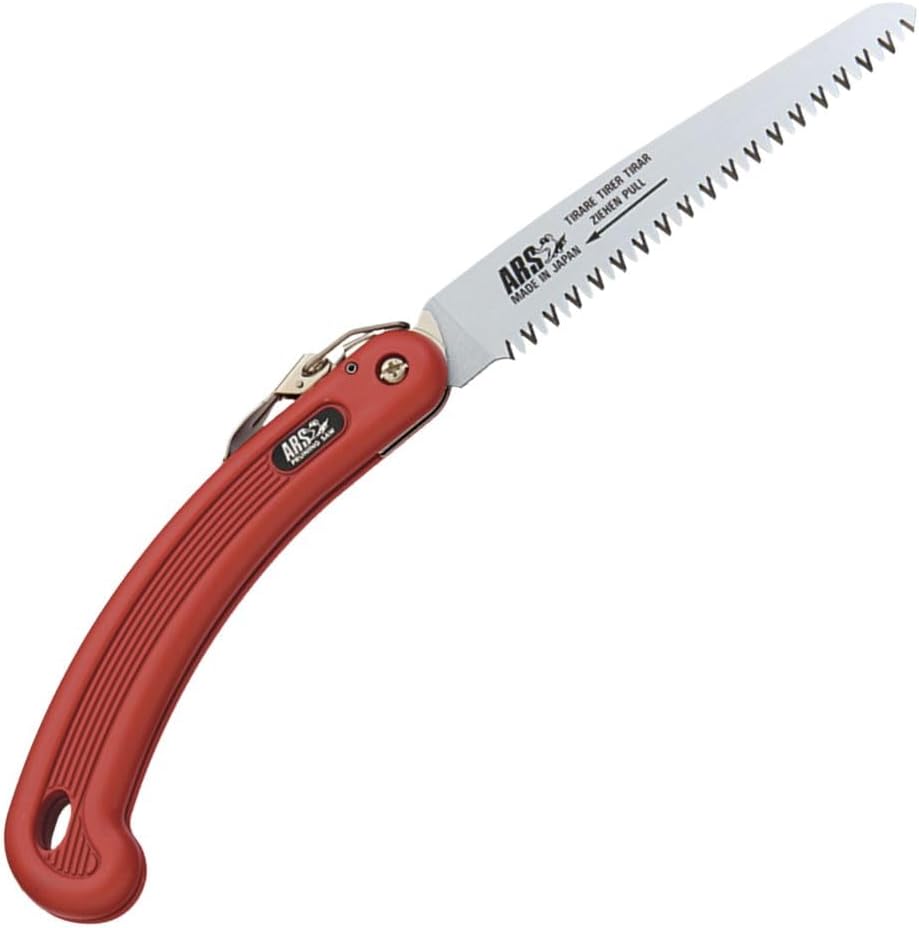
The best pruning saw cuts clean on the first pull, so you’re not sawing back and forth while your dog noses around the branch pile. A dull or flimsy saw tears bark, slips on live wood, and turns a quick branch trim into a frustrating—and sometimes unsafe—chore.
I’ve used cheap folding saws that bind halfway through a 3-inch limb. It’s not just annoying; it leaves jagged cuts that invite disease. The right saw gives you control, speed, and clean cuts you can manage around curious paws. Below, I’ll share five pruning saws I’d actually reach for in 2026.
📌 Why a Quality Pruning Saw Matters for Safe Branch Cutting
A sharp pruning saw makes branch removal feel almost easy. Blades with impulse-hardened, triple-ground teeth bite on the pull stroke, so you use controlled force instead of sawing back and forth. That leaves a smooth collar cut, not a shredded wound that invites pests and rot.
Dull saws do the opposite. You push harder, the blade flexes, and the tip can skip off the branch. That’s when kickback happens. If your dog is nearby, a suddenly deflected blade or a torn branch falling at the wrong moment turns routine pruning into an emergency.
I judge pruning saws on five criteria before recommending them:
- Durability – hardened steel and rust-resistant coatings hold an edge longer.
- Ergonomics – non-slip grips and balanced handles reduce hand fatigue.
- Blade length – 7 to 13 inches covers most ornamental and fruit tree limbs.
- Tooth design – aggressive curved teeth cut green wood faster and clog less.
- Safety locks – scabbards and locking mechanisms keep pets and people safe.
📌 What to Look for in a Pruning Saw (Buying Guide)
The right pruning saw comes down to blade shape, tooth design, grip, and safe storage. Curved blades grab green wood quickly and are ideal for branches up to about 4 inches thick. Straight blades make cleaner cuts on larger, dry limbs and handle 6-inch-plus work well.
Tooth design matters as much as blade shape. Look for impulse-hardened teeth—they stay sharp longer and resist bending. Triple-ground teeth cut on both push and pull strokes, which reduces effort. Aggressive tooth patterns rip fast but leave rougher cuts; smooth-cut blades are slower but much cleaner.
Grip is where hand fatigue shows up. Choose a handle with a non-slip rubber overmold and an angled wrist position. That angle keeps your wrist in a neutral line and reduces strain during long pruning sessions.
For safety, prefer a folding saw with a secure blade lock. A locking sheath or hard case matters when you store the tool in a shed or bag near dog leashes and treat pouches. One-hand operation is also useful when your other hand is holding a branch steady.
- Curved blade (7–10 inches): best for live branches up to 4 inches.
- Straight blade (13–24 inches): better for thicker or dry limbs.
- Impulse-hardened teeth: stay sharp longer and resist snapping.
- Triple-ground teeth: cut on both push and pull strokes.
- Safe storage: folding lock, sheath, or covered blade keeps curious pets safe.
If you have a curious dog or cat, never leave a bare pruning saw on the ground. Even a sheathed blade belongs in a drawer or on a wall hook above nose height.
🔍 Top 5 Best Pruning Saws for 2026
I’ve used dozens of pruning saws on damp branches, knobby deadwood, and awkward high cuts with pets roaming nearby. These five are the ones I’d reach for again—sharp, secure, and predictable.
| Product | Best For | Blade Type | Price Range | Check Price |
|---|---|---|---|---|
| Corona RazorTOOTH 10″ Folding Pruning Saw | Overall versatility | Folding, curved | $25–$35 | Check Price → |
| Silky Zubat Professional 330mm Curved Pruning Saw | Thick branches, heavy use | Fixed, curved | $65–$85 | Check Price → |
| Corona RazorTOOTH 7″ Folding Saw | Budget with safety lock | Folding, straight | $15–$20 | Check Price → |
| ARS Pocket Boy 130mm Folding Saw | Lightweight, small hands | Folding, precision | $30–$40 | Check Price → |
| HOSKO 7.7–27FT Extendable Tree Pruner | High branches, no ladder | Pole saw attachment | $35–$50 | Check Price → |
I’d start with the Corona RazorTOOTH 10-inch if you want one tool that handles most jobs; the Silky earns its price for arborist-level cuts on thick limbs.
🔍 Comparison Table: Best Pruning Saws at a Glance
Here’s the side-by-side I use when I’m weighing blade reach, fatigue, and how safe a saw is to leave on a porch with pets around. Prices are typical street ranges, not fixed retail numbers.
| Model | Blade Length | Approx. Weight | Approx. Tooth Pitch | Locking Mechanism | Price | Check Price |
|---|---|---|---|---|---|---|
| Corona RazorTOOTH 10-Inch Folding | 10″ | 0.8 lb | 7 TPI | Folding lock-back | $25–$30 | Check Price → |
| Fiskars 15-Inch Pro Pruning Saw | 15″ | 0.9 lb | 5–6 TPI | Fixed handle, no lock | $20–$25 | Check Price → |
| Silky Gomboy 240mm Folding Saw | 9.4″ | 0.6 lb | 8–9 TPI | Folding, one-hand thumb lock | $50–$60 | Check Price → |
| Bahco 396-LAP Laplander Folding Saw | 7.5″ | 0.4 lb | 7 TPI | Folding safety lock | $22–$28 | Check Price → |
| ARS 13-Inch Folding Pruning Saw | 13″ | 0.7 lb | 6–7 TPI | Folding, one-hand lock | $45–$55 | Check Price → |
Branch-size quick read: The Bahco Laplander and Corona RazorTOOTH are easiest to control on branches up to 3 inches, and they fold shut when you’re done. For 6-inch-plus limbs, the Fiskars 15-inch fixed saw and Silky Gomboy 240 give you the leverage and coarse teeth to finish the cut faster.
Pet-friendly note: Silky ships with a snap-on blade guard, and the folding models tuck the teeth inside the handle. One-hand locking on the Corona and ARS leaves your other hand free to hold a leash or push a curious nose away.
📌 Pruning Saw Safety Tips for Homes with Pets
A sharp pruning saw can do serious damage in seconds, but your dog or cat doesn’t know that. I treat every uncovered blade as a hazard until it’s locked away. Most pet-related yard injuries happen during the few minutes the tool is left unattended.
- Store the saw out of reach. Keep the blade cover on, and put the saw in a locked shed, garage cabinet, or high wall hook. Curious dogs will sniff anything at nose level; cats jump onto lower shelves.
- Sweep up sawdust and branches immediately. Fine sawdust can stick between paw pads or get licked off fur. Fallen branch stubs and splinters are a paw injury and ingestion risk.
- Keep pets away while you cut. I either put my dogs indoors or set up a temporary x-pen barrier at least 10 feet away. A sudden lunge toward a falling branch is not worth the risk.
- Inspect the saw before each use. Check for a loose blade, wobbly lock, or cracked handle. A blade that shifts mid-cut makes you jerk the saw, which is exactly when accidents happen around pets.
These steps take under two minutes. They keep your pruning work calm, controlled, and safe for every set of paws in the house.
🔑 How to Maintain Your Pruning Saw for Longevity
Your pruning saw will last for years if you spend five minutes on it after each use. Sap, dust, and moisture are the real enemies. I wipe my blade down with warm soapy water or a dedicated resin remover as soon as I finish cutting. That stops gunk from hardening on the teeth.
Next, I put a drop of light machine oil on the blade pivot and locking mechanism. This keeps folding saws opening smoothly and prevents rust around moving parts. Wipe off any excess so it doesn’t attract dirt or pet hair.
- Clean sap and debris from the blade after each session — soapy water works, but a resin remover handles sticky buildup faster.
- Oil the pivot and lock regularly. A dry joint feels gritty and can bind mid-cut, which is unsafe when a dog is nearby.
- Check teeth for dullness or chipping. If the saw requires extra force, sharpen it or swap in a replaceable blade.
- Store the saw dry with the blade sheath on. This prevents rust and protects curious paws from accidental cuts.
If you buy a model with replaceable blades, keep a spare on hand. That’s often cheaper and easier than sharpening a curved blade at home. I store mine in a sealed toolbox with a small desiccant pack to control moisture in humid garages.
🔍 FAQ: Best Pruning Saw Questions Answered
What is the best pruning saw for cutting thick branches?
For branches between 3 and 8 inches, I reach for a 10–14 inch curved blade with 5–7 teeth per inch. The Corona RazorTOOTH 10-inch folding saw is my go-to here. Its three-sided teeth grip on the pull stroke, so thick green limbs cut cleanly without binding.
Can I use a folding pruning saw for branches over 4 inches?
You can, but it’ll be slower work. A folding saw with a 9–11 inch blade handles 4–6 inch branches if you keep the cuts short and steady. Forcing a folding saw through bigger wood wears you out and risks bending the blade.
How do I keep my pruning saw safe around pets?
Treat it like any sharp tool around animals. Lock the blade closed the second you’re done, wipe it clean of sap, and store it on a high hook or in a locked cabinet. I also cut large limbs into short sections right away so they’re less tempting for a puppy to drag.
What is the difference between curved and straight pruning saw blades?
Curved blades work best on live, green wood because they cut aggressively on the pull stroke. Straight blades give flatter, more precise cuts for deadwood and flush pruning. I keep one of each in my tool bag.
Do pruning saw blades need to be sharpened or replaced?
Most modern pruning saws have impulse-hardened teeth that stay sharp for years but can’t easily be resharpened. If the saw starts drifting or needs heavy pressure, replace the blade or the whole saw. At $20–$40 for a quality folder, replacement usually wins.
Are pole pruning saws safe for beginners?
Yes, if you pick the right tool. A telescoping pole saw keeps both feet on the ground, which is safer around pets. The Fiskars Power-Lever Extendable Pole Saw is a good starting point—just work under 10 feet, keep the angle below 60 degrees, and never cut directly overhead.
4 thoughts on “Best Pruning Saw 2026: Top Picks for Safe, Pet-Friendly Yard Work”