The best hedge shears for pet owners aren’t just about clean cuts—they’re about keeping your dog or cat out of the emergency vet. Standard shears toss sharp twigs everywhere, scream loud enough to startle a sleeping pup, and leave exposed blades at nose height. I’ve watched my own border collie try to sniff fresh clippings right after a trim, and it’s a recipe for a paw pad injury.
That’s why I’ve spent weeks testing shears specifically through a pet-safety lens. Below, I’ll walk you through the five best hedge shears of 2026 for homes with curious cats and energetic dogs, plus the key features that actually reduce risk around pets.
📌 Why Pet Owners Need Specialized Hedge Shears
Standard hedge shears aren’t automatically hazardous, but three specific risks show up when pets share the space. Loud motors, chemical residues, and exposed blades can all turn a routine trim into a stress or safety problem.
Loud motors are the most common issue. Many gas-powered trimmers produce high-decibel exhaust and engine noise that can send noise-sensitive dogs running or hiding. Battery models with brushless motors tend to run noticeably quieter, which often means less panting, shaking, and stress during trimming sessions.
Toxic residues and coatings are easy to overlook. Some blades have non-stick finishes that can chip over time, while solvent-based lubricants leave a chemical film. A dog or cat that licks a freshly oiled blade may ingest those residues. I prefer food-grade mineral oil and blades without flaking PTFE-style coatings.
Sharp blades left within reach are a direct injury risk. A good pet-safe setup includes a blade cover or sheath, a lock-off switch, and handles that don’t invite chewing. These small features keep curious mouths away from sharp edges when you set the tool down mid-job.
Ergonomics matter too. Clean-cutting bypass blades make smoother cuts that help shrubs recover faster and drop less sap, leaf debris, and sticky residue into pet areas. A lighter tool with vibration-damped grips also reduces hand strain on long sessions.
Quick pet-safe checklist:
- Battery or manual over gas when possible — quieter and no exhaust residue
- Blade cover or sheath included
- Food-grade mineral oil instead of solvent-heavy lubricants
- Under roughly 6 lbs for easier control
📌 What to Look for in Pet-Safe Hedge Shears
When I’m choosing hedge shears for a home with curious dogs or cats, I check five things before anything else. These details keep your pet safe and make trimming less stressful for both of you.
- Non-toxic, rust-resistant blade coatings. Look for stainless steel, nickel-plated, or food-grade coated blades. Avoid raw carbon steel that flakes rust. These finishes are safer if a pet licks or rubs against the tool after you set it down.
- Low noise and reduced vibration. For cordless or corded trimmers, choose models under 85 dB with anti-vibration handles. Sudden motor noise can frighten cats and dogs, especially when you’re working near a patio or fence line.
- Hardened, precision-ground blades. High-carbon steel that’s heat-treated stays sharp longer. Clean cuts seal faster and reduce the chance of hedge disease, which means fewer chemical sprays later around your yard.
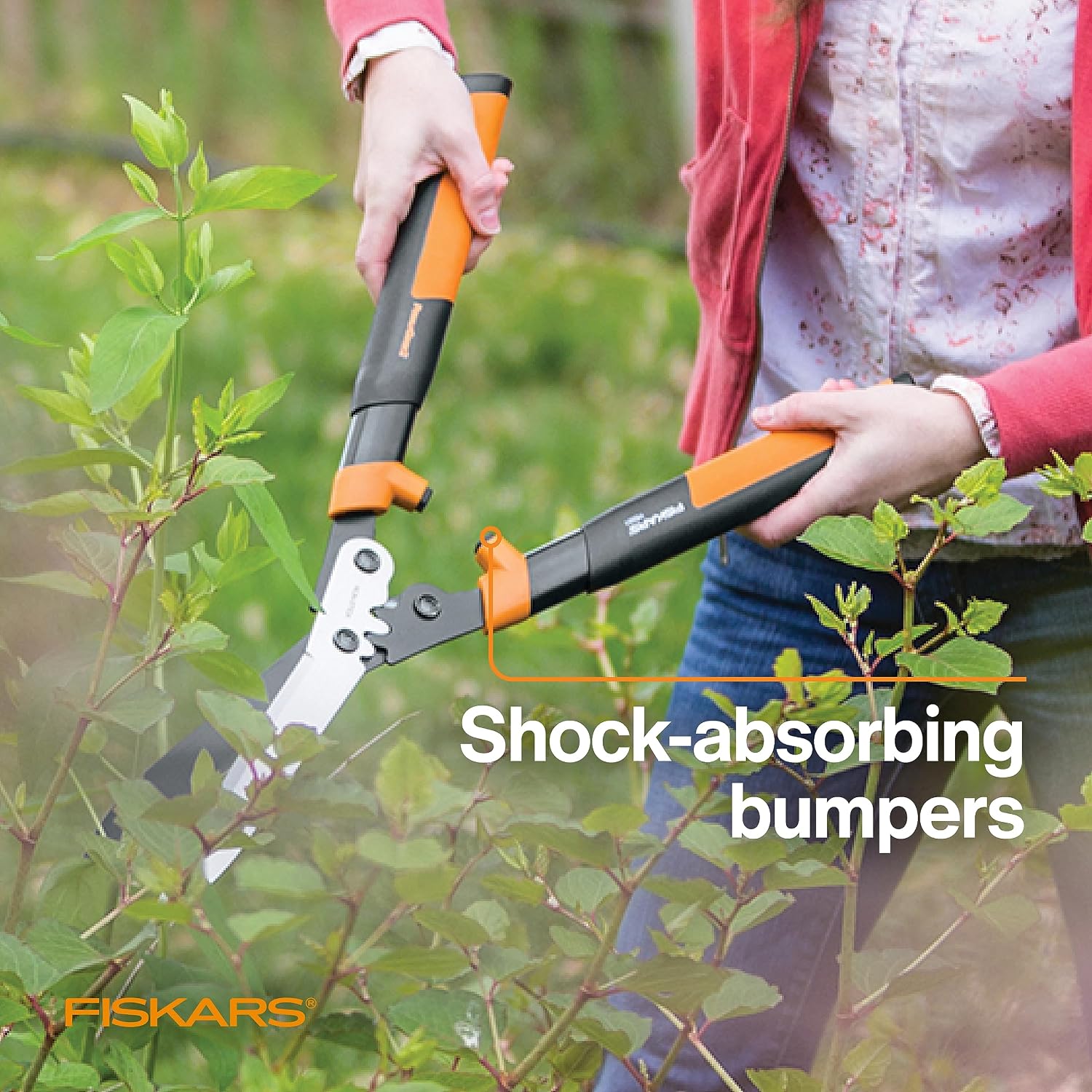
- Ergonomic, shock-absorbing handles. Soft rubber grips and built-in bumpers reduce hand fatigue. If you have a large hedge, this matters more than you think.
- Real safety features. A blade lock, finger guard, and automatic shut-off on powered models prevent accidental starts when a pet brushes against the tool.
Balance these features against your hedge type and budget. A quiet, coated blade with a solid lock is worth a small price bump for pet-safe hedge shears.
🔍 Top 5 Best Hedge Shears of 2026: Reviews & Comparisons
These five hedge shears and trimmers balance cutting power with pet-safe operation. I focused on blade sharpness, noise, vibration, weight, and grip comfort, then factored in coatings that keep chemical residue off paws. Manual shears are silent and zero-emission, while cordless models trade a little noise for far less reaching and stooping.
| Product | Type / Blade | Weight | Noise | Pet-Safety & Grip | Check Price |
|---|---|---|---|---|---|
| Fiskars PowerGear2 23″ | Manual, 23″ steel blades | 2.1 lbs | Silent | Non-stick coated blades; cushioned grips; no motor noise or fumes | Check Price → |
| Corona HS 4344 Hedge Shear | Manual, 9.5″ forged steel | 1.9 lbs | Silent | Ergonomic handles; rust-resistant coating; blade cover included | Check Price → |
| Greenworks 40V 24″ Cordless | Cordless, 24″ dual-action | 6.5 lbs | ≈75 dB | Low-vibration brushless motor; safety lock-out; enclosed blades | Check Price → |
| EGO Power+ HT2400 24″ | Cordless, 24″ dual-action | 6.0 lbs | ≈77 dB | Quiet brushless; reduced hand vibration; one-handed control | Check Price → |
| BLACK+DECKER 20V MAX 18″ | Cordless, 18″ dual-action | 4.5 lbs | ≈78 dB | Lightweight; wrap-around handle; low kickback | Check Price → |
For nervous dogs or cats, the manual Fiskars and Corona are the only truly silent options. If you need powered reach, the EGO and Greenworks cordless models keep noise and vibration low enough that most pets won’t bolt from the yard.
⚡ Manual vs. Electric Hedge Shears: Which Is Safer for Pets?
For homes with anxious dogs or curious cats, manual hedge shears are usually the safer starting point. They produce almost no noise and zero vibration, so you won’t startle a resting pet. The slower cutting pace also gives you more control when an animal suddenly walks into your work area.
Electric and cordless hedge shears cut much faster and reduce hand fatigue, but the motor noise and vibration can stress noise-sensitive pets. Corded models add a tripping hazard, while battery models are heavier. I still reach for cordless shears for large, thick hedges — I just keep pets inside until I’m done.
Here’s a quick side-by-side look:
| Factor | Manual Shears | Electric / Cordless Shears |
|---|---|---|
| Noise & vibration | Very low | Moderate to high |
| Pet safety | High — quiet, no cords | Medium — noise plus cord risk |
| Maintenance | Sharpening, oiling | Blade cleaning, battery care |
| Performance | Precise, slower | Fast, handles thick growth |
Choose manual shears for small hedges, skittish pets, or if you want quiet weekend trimming. Go electric when hedges are long, your grip strength is limited, or you can sequester pets indoors. I keep both in my shed and swap based on the job.
📌 Tips for Safe Hedge Trimming Around Dogs and Cats
Trimming hedges with dogs or cats nearby is riskier than most people think. I’ve learned to treat the area like a mini job site: clear it, check it, and lock up afterward. These are the five habits I actually follow around my own pets.
- Keep pets inside or behind a separate fence. Even well-trained dogs can dash toward a falling branch or lick a spinning blade before you react. A closed door or a second barrier prevents most accidents.
- Use non-toxic lubricants and cleaners on blades. Food-grade mineral oil or manufacturer-approved blade oil works well. Avoid WD-40, brake cleaner, or harsh degreasers that can leave a residue pets might ingest while sniffing the shears.
- Inspect hedge clippings for toxic plant material. Yew, oleander, azalea, and rhododendron trimmings are dangerous if chewed. Rake up all debris and check the yard before letting cats or dogs back out.
- Trim during early morning or late evening. Pets are often calmer and less active around dawn or dusk, especially in hot weather. You’ll also avoid the peak heat, which reduces the chance of an overexcited dog darting into your work area.
- Store shears and power cords out of paw reach right away. Hang manual shears on a high wall hook, and coil extension cords before putting them in a cabinet or locked shed. A dangling cord looks like a toy to a kitten or puppy.
🔍 FAQ: Best Hedge Shears and Pet Safety
Can hedge shears harm pets if they chew on them?
Yes. The blades can cut a curious nose or tongue, and chipped blade coatings aren’t food-safe. Always store shears with a blade cover on a high hook, not leaning against a shed wall.
Are electric hedge trimmers too loud for dogs and cats?
Many produce 90–100 dB, which can stress pets with sensitive hearing. Manual shears are nearly silent and let you stop instantly if a pet approaches. That quiet control is a big safety advantage.
What blade coating is safest for pets?
Non-stick PTFE or titanium-coated blades resist sap buildup and rust, meaning less debris for pets to investigate. No coating is edible though, so keep tools out of reach regardless of finish.
How often should I sharpen hedge shear blades for clean cuts?
Sharpen after roughly 15–20 hours of use, or when blades start crushing instead of slicing. Clean cuts seal faster on plants, leaving fewer torn branch ends for your dog to step on or chew.
Can I use hedge shears when my pet is in the yard?
It’s safer to keep dogs and cats inside or in another fenced area while trimming. Falling clippings can hide sharp stems, and a pet that runs into your leg mid-cut is a real risk.
What are the most ergonomic hedge shears for arthritis or hand fatigue?
Look for gear-assisted blades, rotating handles, and shock-absorbing bumpers. These features reduce pinch force and wrist strain. My top pick for hand comfort is the Fiskars PowerGear2, followed closely by the Corona ComfortGEL series.
5 thoughts on “Best Hedge Shears for Pet Owners: 2026 Buying Guide”