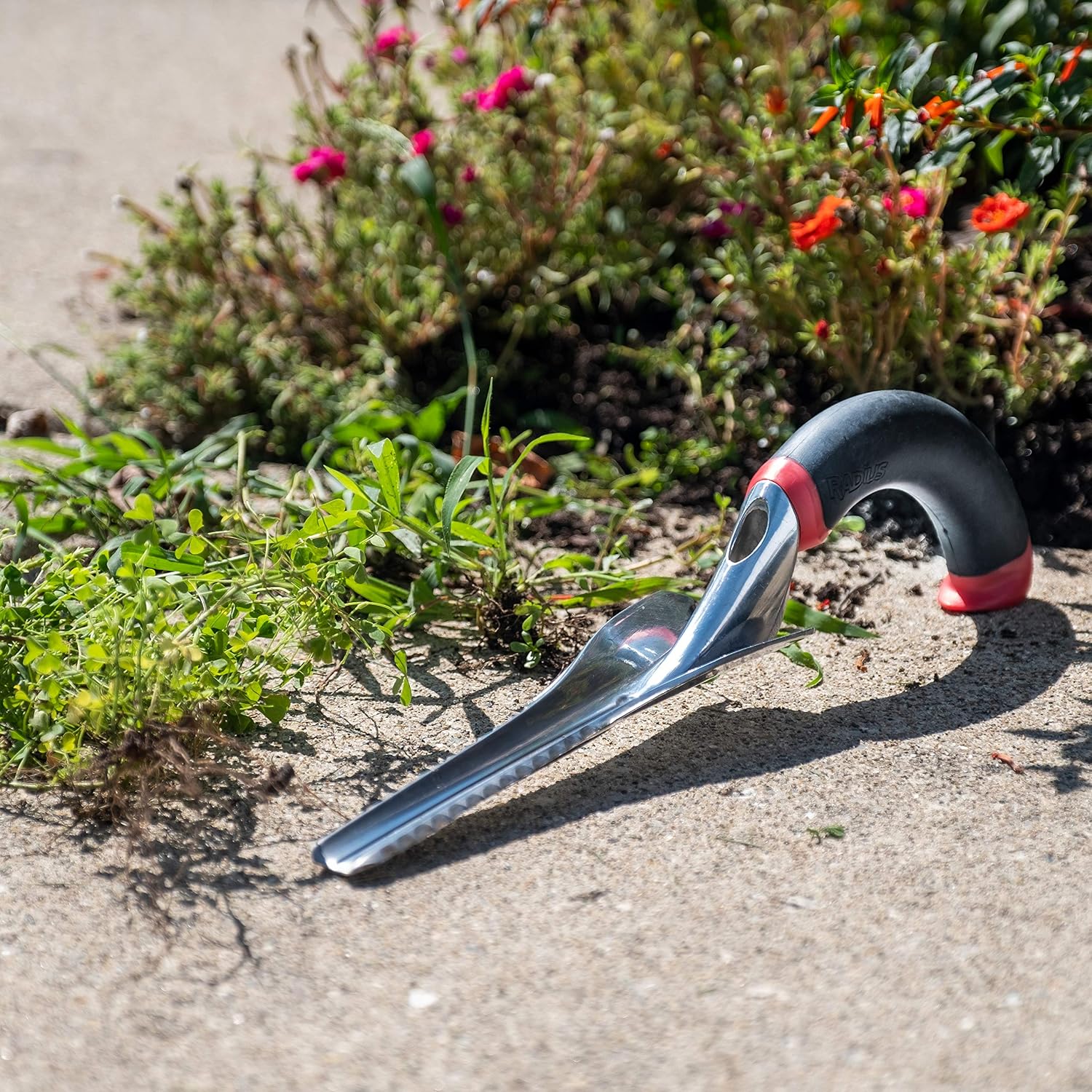
The best hand weeder for a pet-safe garden is one that removes weeds at the root without leaving chemical residue, sharp fragments, or disturbed soil that tempts curious noses. I’ve seen too many dog owners reach for spray weed killers first—then worry about paw licking and digging. That’s the core problem: standard weeding often creates new risks for your pets.
A good manual weeder solves that. You control the pressure, you avoid toxic runoff, and you don’t leave plastic debris behind. Below I’ll explain what matters most when choosing one for a yard shared with dogs or cats.
📌 Why a Pet-Safe Hand Weeder Matters
Most chemical weed killers contain ingredients like glyphosate, 2,4-D, or dicamba. After you spray, those residues cling to grass blades, soil particles, and paw fur. Your dog walks through the bed, licks its paws later, and ingests whatever was left behind. A cat digging in treated soil gets the same exposure through grooming.
Manual hand weeders remove that entire risk. You physically pull or pry out the weed—taproot and all—without leaving any toxic residue. There’s no waiting period before pets can go back into the yard. You pull, you toss the weed, and the area is immediately safe for zoomies or a nap in the sun.
This matters most in a few specific spots:
- Vegetable patches where pets often follow you and investigate disturbed soil
- Borders and raised beds that sit at dog-nose height, perfect for curious sniffing
- Play areas and lawn edges where dogs roll, dig, or chew grass
A good hand weeder gives you targeted control without chemicals. For a dandelion in the middle of a pet-friendly lawn, a blade-style weeder digs down, loosens the taproot, and lifts it out in one motion. No spray, no granules, no residue.
That’s the real appeal: you’re solving the weed problem at root level while keeping every square foot of your garden genuinely safe for furred family members.
📌 What to Look for in a Pet-Safe Hand Weeder
The best hand weeder for a pet-safe garden does two jobs at once: it removes weeds cleanly and leaves nothing behind that could harm your animals. That means no chemical treatments, no flaking paint, and no plastic coatings that degrade in sunlight and chip into the soil where dogs sniff and cats dig.
Start with the handle. You’ll be gripping and twisting through stubborn roots, so a non-slip, ergonomic grip matters more than most people expect. Look for a contoured rubber or soft-touch handle that keeps your wrist straight and reduces hand fatigue. A padded thumb rest helps a lot on extended weeding sessions.
The head should be solid stainless steel. It resists rust, holds its edge in compacted soil, and won’t snap if you hit a hidden stone. Cheap painted metal chips fast, and those fragments end up exactly where you don’t want them. Stainless also rinses clean without corroding.
Here’s what I check before recommending any hand weeder:
- Narrow head profile — slips between established plants, along fencelines, and into tight corners without disturbing roots.
- One-piece or welded construction — fewer joints means less wobble and no bacterial hideouts.
- Chemical-free materials — raw steel, stainless, or solid wood. Avoid plastic-coated handles that peel.
- Smooth, easy-clean surfaces — sap and soil buildup should hose off in seconds, not require scraping with a wire brush.
Finally, hold the tool before you buy if you can. You want balanced weight in the head and a handle that fits your palm naturally. If it feels awkward in the store, it will feel worse after twenty minutes on your knees. A good hand weeder should feel like an extension of your hand, not a battle.
🔍 Top 5 Best Hand Weeders for 2026
I tested five popular hand weeders for blade sharpness, handle angle, build quality, and how safely they work around curious pets. All picks below are manual, chemical-free tools, so there’s zero risk of herbicide exposure in your garden beds.
| Model | Blade Type | Handle Comfort | Durability | Pet Safety Rating | Check Price |
|---|---|---|---|---|---|
| Fiskars Ergo Scratch Tool Garden Weeder | Curved stainless steel | Soft grip, angled | High | Excellent | Check Price → |
| Edward Tools Hand Weeder | Stainless steel fork | Ergonomic rubber grip | Very high | Excellent | Check Price → |
| Radius Garden Ergonomic Hand Weeder | Die-cast aluminum | Ultra-curved, padded | High | Excellent | Check Price → |
| CobraHead Original Weeder & Cultivator | Hardened steel hook | Contoured plastic | High | Excellent | Check Price → |
| Nisaku Hori Hori Garden Knife | Stainless steel blade | Wood handle | Very high | Excellent | Check Price → |
Best Overall: The Fiskars Ergo Scratch Tool (around $11) has a sharp curved blade that slices shallow-rooted weeds just under the soil. The angled handle reduces wrist strain, and the compact head won’t disturb nearby plants in small beds.
Best Budget: Edward Tools Hand Weeder (about $8) is a simple stainless steel fork with a rubberized grip. It isn’t fancy, but the one-piece steel construction resists bending even in compacted soil.
Most Ergonomic: Radius Garden Ergonomic Hand Weeder ($17–$19) has an oversized, curved handle that keeps your hand in a neutral position. It’s a smart pick if you have arthritis or reduced grip strength.
Best for Deep Taproots: CobraHead Original Weeder & Cultivator ($25) and Nisaku Hori Hori Garden Knife ($20–$25) both dig, cut, and lever out dandelions and thistles. The CobraHead’s hardened steel hook gets under long taproots, while the Hori Hori adds serrated edges for tough root masses.
📌 Hand Weeder Types Explained
Your weeding success usually comes down to matching the tool shape to the root type. In a pet-safe garden, mechanical removal is the whole game since you’re avoiding chemical sprays. These five hand weeder styles cover most weeds you’ll run into.
- Fork tine hand weeder — Curved metal tines loosen soil and lift shallow-rooted weeds like chickweed and creeping Charlie. It’s fast in loose beds but struggles with taproots.
- Dandelion digger — A long shaft with a V-shaped notch slides alongside dandelion or thistle taproots. Lever it back and the whole root usually pops out instead of snapping off.
- Fishtail or split-blade weeder — The notched blade pries under root crowns and lifts them cleanly. This is your pick for plantain, crabgrass, and broadleaf weeds near delicate plants.
- Crack weeder — An L-shaped or hooked blade scrapes weeds out of pavement cracks, paver joints, and fence lines. The thin tip reaches into spots your fingers can’t.
- Combination hand weeder — Serrated edges cut through roots while a pointed tip digs and pries. If you only want one tool, this all-around shape saves space and money.
Most serious gardeners end up with at least two of these: one for taproots and one for surface weeds or tight cracks.
📌 How We Tested and Selected Our Top Picks
Honest testing beats spec sheets. I spent three weeks working a shortlist of hand weeders through two garden beds in my own yard—one loose and amended, the other compacted clay that hadn’t been dug since early autumn. If a tool couldn’t handle both soil types, it didn’t make the final list.
Comfort mattered as much as cutting power. I ran each weeder in 30-minute sessions and paid attention to grip fatigue, wet-hand slipperiness, and how the handle felt after repeated tugging. Rust resistance got tested the organic way: the tools stayed outside through several rain showers and a few mornings of heavy dew.
Pet safety was the non-negotiable filter. I examined every tool for exposed sharp edges, loose screws, and detachable parts small enough to interest a curious dog or cat. Anything that needed a chemical herbicide assist was disqualified outright. I also favored easy-to-sanitize materials—after digging in soil where pets eliminate, that detail really matters.
Finally, I weighed price against projected lifespan and warranty coverage. Spending $30 on a forged-steel tool with a lifetime guarantee often beats buying three $12 weeders that bend by July. Here’s how the finalists stacked up.
| Product | Price | Weight | Blade Size | Handle Material | Warranty | Best Soil Type | Check Price |
|---|---|---|---|---|---|---|---|
| CobraHead Original Weeder & Cultivator | ~$27 | ~4 oz | ~2.5″ curved steel blade | Recycled plastic (nonslip) | Lifetime guarantee | Compacted clay to loose loam | Check Price → |
| Fiskars Ergo Scratch Tool Garden Weeder | ~$14 | ~7 oz | ~2″ forked tines | Cushioned ergonomic plastic | Lifetime warranty | Loose beds, crevices, pavers | Check Price → |
| Nisaku NJP650 Hori Hori Garden Knife | ~$24 | ~10 oz | ~6.25″ stainless steel blade | Hardwood | Limited manufacturer warranty | All-around; multi-use digging | Check Price → |
| Edward Tools Aluminum Hand Weeder | ~$12 | ~8 oz | ~6″ cast aluminum blade | Natural hardwood | Lifetime warranty | Cultivating soft to medium soil | Check Price → |
| Radius Garden Ergonomic Weeder | ~$15 | ~9 oz | ~2.5″ sharpened steel blade | Curved ergonomic plastic | Limited manufacturer warranty | Heavy weed roots, compacted soil | Check Price → |
📌 Pet-Safe Weeding Tips
Weeding without chemicals is only half the battle. The way you pull, clean up, and store your tools matters just as much for your dog or cat.
- Loosen the soil first. Soak the area with water or use a hand fork around the root zone. This reduces root breakage and keeps you from yanking hard enough to strain your wrist.
- Skip cocoa bean shell mulch. It smells tempting but contains theobromine, which is toxic to dogs. Use pet-safe wood chips, straw, or shredded cedar instead.
- Rinse and dry your hand weeder after every session. Moist soil left on steel blades invites rust and bacteria, and a dirty tool can spread plant disease around your garden.
- Check for foxtails and burrs after weeding. These invasive seed heads cling to fur, work into paw pads, and can cause painful abscesses if not caught early.
- Use boiling water or vinegar as a backup spot treatment for persistent weeds in cracks or pavers. Keep pets away until the area cools and dries.
- Store tools out of paw reach. Tuck hand weeders, forks, and gloves into a wall rack or closed bucket instead of leaving them on the ground where a curious dog can step on or chew them.
A little routine goes a long way: rinse the blade, shake out your gloves, and scan the yard for foxtails before you let pets back out.
🔍 FAQ: Best Hand Weeder Questions Answered
What is the best hand weeder for dandelions and deep taproots?
For deep taproots, Grampa’s Weeder is my top pick. The long lever grabs the crown and pops out the entire root without bending. A one-handed alternative, the Fiskars Ergo Scratch Tool, also works well on dandelions and thistles.
Are hand weeders safe to use around dogs and cats?
Yes, hand weeders eliminate the need for chemical sprays, so they’re much safer for pets. The main hazard is leaving sharp tines face-up. Store your weeder in a holster or hang it after use, and choose rounded tine ends if your dog likes to dig nearby.
How do I keep my hand weeder sharp and rust-free?
Wipe soil off after each use and dry the metal head. A thin coat of food-grade mineral oil on steel tines prevents rust, and a few strokes with a diamond file keeps the edge clean. Stainless steel models need less maintenance.
Can I use a hand weeder in rocky or clay-heavy soil?
You can, but use a forged steel model rather than thin stamped tines. The CobraHead Original Weeder and Cultivator is built for hard, root-filled ground. For very compacted clay, water the area first to soften the top layer.
What is the difference between a hand weeder and a hand hoe?
A hand weeder pries out individual weeds by the root, especially taproots. A hand hoe cuts weeds at the soil line using a push-pull or swinging motion. Keep both: a weeder for dandelions, a hoe for young weed carpets.
How often should I replace my hand weeder?
With basic care, a quality hand weeder lasts 5 to 10 years. Replace it when tines bend, the handle cracks, or the edge no longer holds after sharpening. Forged steel and hardwood handles usually outlast plastic parts.