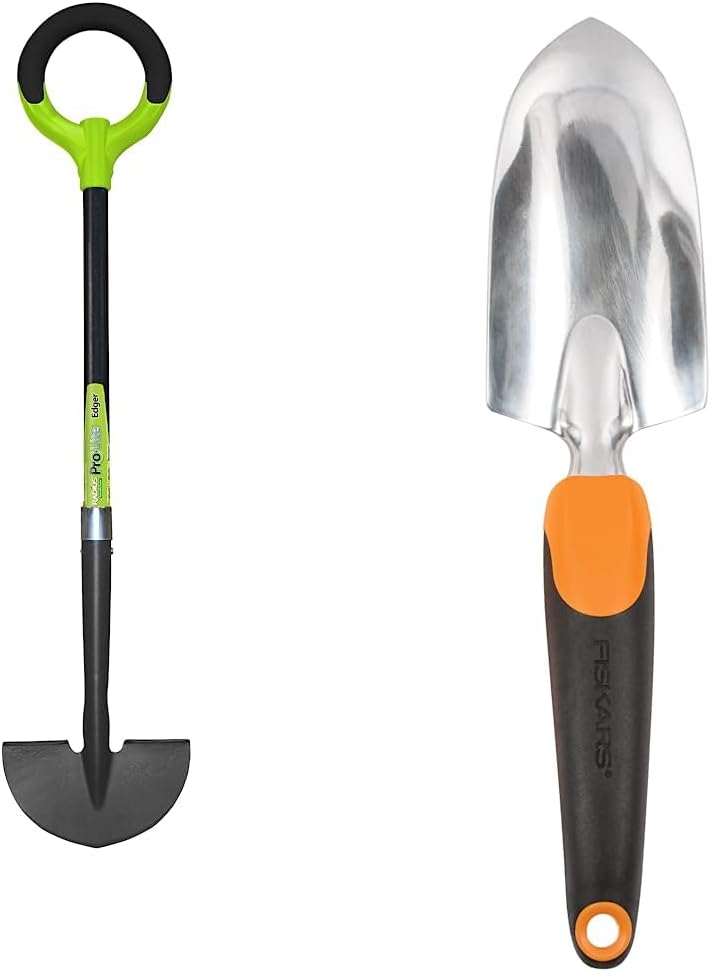
The best garden trowel for a pet-friendly backyard isn’t just about digging holes—it’s about avoiding sharp metal splinters, flaking paint, and brittle handles that break under pressure. I’ve had cheap trowels snap on rocky soil, and the resulting shards ended up right where my dogs like to dig.
After months of testing in a yard shared with two nosy terriers, I’ve narrowed down the durable, non-toxic picks below. Each one uses pet-safe materials and holds up to serious planting, weeding, and transplanting. You’ll find the right trowel for your garden and your furry companions.
📌 Why a Pet-Safe Garden Trowel Matters for Your Backyard
Most garden tools are designed for dirt, not dogs. A trowel left near a freshly dug bed becomes a chew toy or a paw hazard quickly — sharp edges can slice a pad, and peeling paint flakes can end up in a curious mouth.
That’s why the best garden trowel for a pet-friendly yard leans on non-toxic, rust-resistant materials. Solid stainless steel and sealed hardwoods hold up outdoors without shedding chips. Cheaper powder-coated blades often crack and flake after one wet season, leaving tiny colored specks in soil your pet may dig through.
Rounded tips are a simple but important safety upgrade. A slightly blunt, rounded blade still cuts through compacted soil and roots, but it’s far less likely to puncture a paw if a dog or cat steps on it mid-zoomies.
Grip matters too. A trowel with a non-slip, ergonomic handle stays in your hand when you’re working near pets, so it doesn’t slip and bounce toward an anxious nose.
- Solid stainless steel or sealed wood: resists flaking and rust.
- Rounded tip profile: may reduce accidental puncture risk.
- Non-slip grip: keeps the tool controlled when your pet darts by.
You’ll still need to store sharp tools out of reach. But choosing a pet-safe design means one less thing to worry about when you’re planting with your dog sunbathing nearby.
🔍 Top 5 Best Garden Trowels for Pet-Friendly Gardens in 2026
Here are my top five pet-safe garden trowels for 2026, chosen for durable builds, comfortable grips, and features that reduce the chance a curious paw or snout gets hurt. All prices are approximate street prices.
| Product | Material | Handle | Blade Length | Price | Check Price |
|---|---|---|---|---|---|
| Fiskars Ergo Trowel | Stainless steel | Ergonomic soft grip | 6 in | $12–$15 | Check Price → |
| Wilcox All-Pro 2020 Trowel | Stainless steel | One-piece steel | 6 in | $8–$10 | Check Price → |
| Radius Garden Ergonomic Trowel | Aluminum | Non-latex ergonomic grip | 5.5 in | $15–$18 | Check Price → |
| Edward Tools Bend-Proof Trowel | Heavy-gauge stainless steel | Rubberized grip | 6 in | $12–$14 | Check Price → |
| Corona CT 3010 Trowel | Stainless steel | ComfortGEL grip | 6 in | $10–$12 | Check Price → |
1. Fiskars Ergo Trowel – Best Overall Pet-Safe Pick
One-piece stainless steel with a soft, sculpted grip. No detachable parts to break off, and the bright color helps you spot it before a paw does.
- Rust-resistant blade
- Comfortable for long sessions
- No storage sheath included
2. Wilcox All-Pro 2020 Trowel – Best Budget Pick
Full tang, one-piece hardened steel that won’t snap or leave sharp fragments. Dirt-cheap but seriously tough.
- Virtually indestructible
- No handle to crack or chew
- No grip padding
3. Radius Garden Ergonomic Trowel – Best for Hand & Wrist Comfort
The curved, non-latex handle reduces wrist strain and keeps fingers away from the blade. A good choice if you garden for hours.
- Reduces hand fatigue
- Bright color is easy to spot
- Aluminum blade can bend in rocky soil
4. Edward Tools Bend-Proof Trowel – Best Heavy-Duty for Rocky Soil
Thick 14-gauge stainless steel with a rubberized grip. Won’t bend or chip even when you hit roots or gravel.
- Withstands serious torque
- Lifetime warranty
- Rubber grip can wear over time
5. Corona CT 3010 Trowel – Best Stainless Steel for Rust Resistance
Polished stainless blade wipes clean easily and resists rust, even after leaving it out in rain. The gel grip is gentle on palms.
- Easy to clean
- Gel grip absorbs shock
- Blade is thinner than heavy-duty picks
📌 Key Features to Look For in a Safe and Durable Garden Trowel
A pet-safe garden trowel isn’t just about being tough—it’s about shape, materials, and storage. I’ll skip trowels with flaking paint or sharp corners the moment I see them. Here’s what actually matters.
- Non-toxic blade material. Uncoated or powder-coated stainless steel is my top pick. It won’t chip into sharp flakes like cheap painted metal, and it’s safer than plastic that can splinter or break. Avoid blades with unknown coatings.
- Comfortable, non-slip handle. Rubber, TPE, or smooth sealed hardwood gives you grip in wet soil. Skip foam handles—dogs love to chew them, and they hold bacteria.
- Full tang vs. stamped blade. A full tang means the metal runs through the handle. It won’t bend or snap if you hit a root. Stamped blades can separate at the neck after a season of hard use.
- Rounded blade edges. No sharp corners or pointed tips. A rounded nose and softened edges reduce the chance of a pet or kid getting poked during a curious sniff.
- Rust resistance and easy cleaning. High-quality stainless steel rinses clean and won’t leave rust stains. Smooth surfaces with few seams are easier to wipe down after digging in manure or compost.
- Hang hole for storage. A simple hole at the handle end lets you hang the trowel on a high hook—out of reach and off the ground where a dog might lay on it or chew it.
📌 How We Tested and Selected These Garden Trowels
I didn’t select these trowels from a spec sheet. Every model went through the same hands-on routine in my garden, plus a few garage stress tests.
- Digging performance: I used each trowel in loose potting mix, standard garden soil, and compacted clay. I looked for clean scooping, easy root slicing, and minimal wrist strain.
- Comfort check: During 30-minute planting sessions, I noted any hot spots, slipping, or hand fatigue. A trowel that feels good for 3 minutes often falls apart at minute 20.
- Durability tests: I tried bending blades against a brick paver, scratched the finish with a flathead screwdriver, and dropped each trowel from waist height onto concrete.
- Pet-safety evaluation: I ran a finger around the entire blade edge to feel for burrs or sharp transitions. I also reviewed material safety data sheets for coatings that could flake into garden soil.
- Value scoring: I compared price, warranty coverage, and likely long-term performance. A cheap trowel that bends in one season isn’t a value—it’s a repeat purchase.
Only models that scored well in at least four of five categories made this list, with extra weight given to pet-safety and long-term blade durability.
📌 Buying Guide: Materials, Ergonomics, and Pet Safety Compared
Blade material drives both price and longevity. Stainless steel resists rust and needs little upkeep, but it’s usually pricier. Aluminum is lightweight and budget-friendly, yet it can bend in hard clay. Carbon steel holds a sharp edge for cutting through tough roots, but it rusts quickly if left damp near a pet water bowl.
| Blade Material | Durability | Weight | Best For |
|---|---|---|---|
| Stainless steel | High | Medium | Everyday digging, wet soil |
| Aluminum | Medium | Light | Container planting, raised beds |
| Carbon steel | Very high | Medium-heavy | Clay soil, root cutting |
Handle shape matters more than most gardeners expect. A molded thumb rest gives you leverage in firm soil, while an ergonomic wrist angle reduces strain during long transplant sessions. Non-slip rubber or textured grips help when your hands are wet or you’re managing a dog on a leash mid-dig.
Blade shape changes how the tool performs. A pointed, narrow blade pierces compacted ground and digs clean holes. A wider, curved scoop moves more soil per pass and suits transplanting or bulb planting. Some trowels include depth markings, which take the guesswork out of planting bulbs at the right level.
For pet-safe gardens, skip painted coatings that can chip. Choose smooth, burr-free edges, and firmly press the handle to confirm there’s no wobble—a loose ferrule could detach mid-dig. Non-toxic stainless or powder-coated finishes are safer than chipped enamel around curious noses and paws.
Price doesn’t always equal lifespan. A $12–$18 trowel often handles two seasons in soft soil. If you dig heavy clay or garden weekly, spend $25–$40 on a one-piece forged stainless tool. Wipe blades dry after use and store trowels off the ground in a latched shed cabinet, away from pets.
❓ FAQ: Common Questions About Pet-Safe Garden Trowels
What makes a garden trowel pet-safe?
A pet-safe trowel has no sharp edges, flaking coatings, or small parts a curious dog or cat could swallow. I look for one-piece forged or molded designs with rounded corners and no exposed rivets that might snag a nose or paw.
Can a metal garden trowel be non-toxic for pets?
Yes. Quality stainless steel and powder-coated aluminum are inert once cured, so they won’t leach harmful chemicals into soil. Avoid old painted tools with chipping lead paint or rusted iron that can leave sharp flakes.
Is a stainless steel or plastic trowel better around pets?
Stainless steel is my default for durability and easy cleaning. Plastic is lighter and less likely to dent a paw if left out, but it can crack and create sharp fragments. For unsupervised yards, a rounded plastic trowel may be the safer pick.
How do I clean and store a garden trowel safely around pets?
Rinse off soil after each use, then dry thoroughly to prevent rust. Store it blade-down in a closed bucket or wall rack out of paw reach. Never leave a trowel lying in grass or mulch where a dog could step on it.
What is the best garden trowel for digging in hard or clay soil?
Choose a forged stainless steel trowel with a pointed or serrated tip. The extra stiffness lets you pry through compacted clay without bending the blade. A full tang and a comfortable, non-slip grip also help transfer more force.
Do ergonomic trowels really reduce hand and wrist fatigue?
Many gardeners report less strain with angled or curved handles that keep the wrist in a neutral position. They won’t eliminate fatigue during long planting sessions, but they can significantly reduce twisting pressure compared to straight handles.
1 thought on “The Best Garden Trowels of 2026: Pet-Safe, Durable Picks for Digging & Planting”