The best garden rake for a pet-friendly yard isn’t just any rake—it has to handle tumbleweeds of dog hair, scattered mulch from zoomies, and the odd buried chew toy without tearing up your grass.
I’ve seen cheap tines snap on matted fur and leave bald patches where dogs love to roll. A standard leaf rake clogs in minutes, while a rigid bow rake can fling debris right back at your dog.
In this guide, I’ll walk you through five rakes I’d trust around dogs, cats, and kids, plus how to match tine style to your lawn type. You’ll find options for wet leaves, embedded fur, and thatch that builds up in high-traffic pee spots.
📌 Why Pet Owners Need a Specialized Garden Rake
Dog fur doesn’t just sit on top of the grass. It works down into the thatch layer, tangles with dead grass and leaves, and forms a dense, felt-like mat that water and air can’t easily penetrate. A standard leaf rake often skims right over that mess — it lifts loose blades but leaves the packed fur behind.
The real problem shows up when you lean into a normal rake. Thin metal or plastic tines bend, snap, or spread permanently under the strain of wet fur, mud, and hidden roots. Cheap wooden handles crack at the ferrule. For a yard that gets daily dog traffic and weekly cleanups, that means buying a new rake every season.
You need a rake built for frequent, heavy use. Look for heat-treated steel tines, a fiberglass or solid hardwood handle, and a reinforced head connection. Those details matter more than tine count when you’re pulling clumps of fur out of garden beds or raking a lawn after three dogs have torn through it.
📌 Key Features to Look for in a Pet-Friendly Garden Rake
A rake for a yard with dogs or cats has to do more than move leaves. It also needs to survive being stepped on, dragged through wet grass, and occasionally knocked over. After testing dozens of rakes in pet-heavy backyards, I focus on four things that separate a keeper from a tool that ends up rusting behind the shed.
- Ergonomic handle design: A curved or telescoping shaft lets you rake without hunching over. That reduces strain on your lower back and wrists when you’re cleaning up after a digging session near the fence or scooping debris from a dog run. I prefer a handle length that lets my hands rest at hip height with a natural grip, not bent downward.
- Rust-resistant, reinforced tines: Steel tines with a powder-coated or epoxy finish hold up to damp grass, pet urine, and morning dew. Heavy-duty plastic tines are lighter and won’t scratch a curious cat, but they flex too much on compacted soil. For most pet yards, I recommend 14- to 16-gauge steel tines — stiff enough for twigs and clumps, yet forgiving on turf.
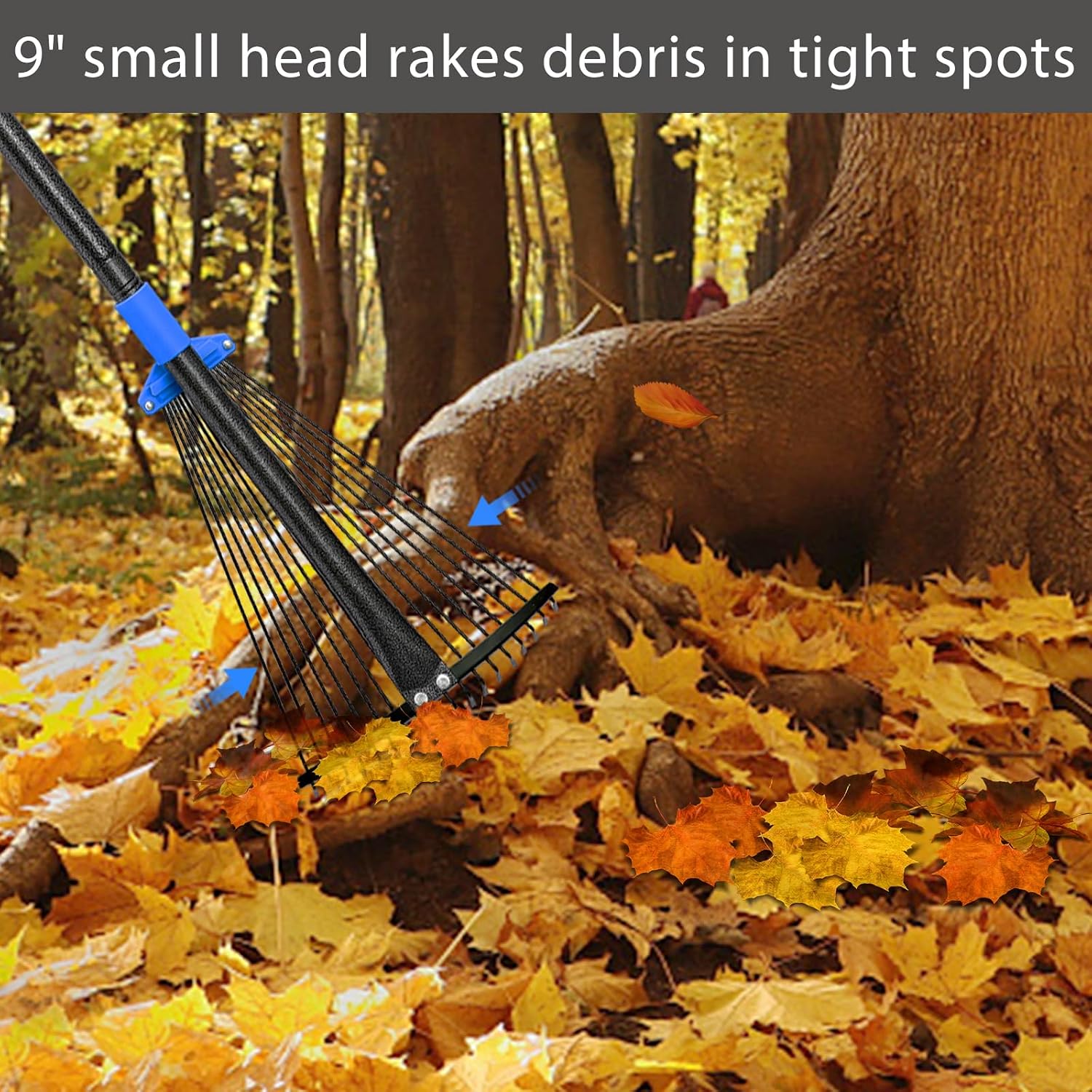
- Adjustable rake head width: A head that expands from roughly 7 inches to 22 inches lets you rake tight beds without disturbing newly planted flowers, then open up for open lawn areas. This is especially useful around raised garden boxes or the narrow strip between a fence and a dog path.
- Non-slip grips and light overall weight: Rubberized or foam grips keep the rake from twisting in sweaty hands during long sessions. Aim for a rake under 3 pounds. Anything heavier gets tiring when you’re bending down to pick up a tennis ball every few minutes.
🔍 Top 5 Best Garden Rakes for Pet Hair and Outdoor Debris
The best garden rake for a pet-friendly yard has to pull up matted fur, sticks, and wet leaves without tearing up healthy grass. I focused on tine material, head width, and handle comfort while testing in muddy, sandy, and mulched beds. These five cover most yard sizes, budgets, and cleanup jobs.
| Product | Best For | Key Material & Feature | Typical Price | Check Price |
|---|---|---|---|---|
| True Temper 16-Tine Steel Bow Rake | Heavy debris, gravel, compacted soil | 16 steel tines, 54-inch fiberglass handle, ergonomic cushion grip | $25–$40 | Check Price → |
| Gardenite Adjustable Leaf Rake | Grass and garden beds that need gentle cleanup | Adjustable tine spread from 7 to 22 inches, spring steel tines that flex instead of digging | $20–$35 | Check Price → |
| Ames Dual-Purpose Thatch Rake | Pulling embedded pet fur and thatch from turf | Double-sided steel head; turf side grabs fur, cultivator side loosens soil | $30–$50 | Check Price → |
| Flexrake 30-Inch Plastic Leaf Rake | Wet climates and daily light litter pickup | Polypropylene anti-rust tines, under 2 pounds, wide 30-inch head | $15–$25 | Check Price → |
| Fiskars Ergo Garden Hand Rake | Garden bed corners, patio edges, and container gardens | One-piece steel head, narrow 8-inch width, molded non-slip grip | $10–$20 | Check Price → |
If your yard stays damp, the plastic tine models rinse clean faster. Heavy clay or rocky soil calls for the bow rake’s stronger steel head, while tight corners really benefit from the compact hand rake.
🔍 Best Garden Rake Types: Bow, Leaf, and Thatch Rakes Compared
The right rake type depends on what you’re actually cleaning up. A bow rake handles heavy lifting, a leaf rake collects surface fur and leaves, and a thatch rake digs out matted hair and dead grass. Use the wrong one and you’ll either tear up your lawn or leave pet hair behind.
| Rake Type | Best For | Recommended Pick & Key Specs | Check Price |
|---|---|---|---|
| Bow Rake | Leveling soil, moving heavy mulch or gravel, breaking up clumps | Ames True Temper 16-Tine Bow Rake — steel head, 54-inch fiberglass handle, around $25 | Check Price → |
| Leaf Rake | Surface pet hair, leaves, and light debris without damaging grass | Fiskars 24-Inch Leaf Rake — flexible resin tines, lightweight aluminum handle, around $20 | Check Price → |
| Thatch Rake | Matted pet fur, dead grass, moss, and compacted thatch | Groundskeeper II Thatch Rake — 15-inch head, sharp steel tines, around $60–$75 | Check Price → |
If you have a large grassy yard with a shedding dog, start with a leaf rake for quick daily passes. Add a thatch rake once or twice a year to pull out embedded fur and keep air and water reaching the soil.
🔑 How to Choose the Right Garden Rake for Your Lawn Type
Start with your grass type and soil softness. Dense, clay-heavy lawns benefit from a rake with slightly flexible tines that won’t dig into the root zone, while sandy or loose soil can handle firmer tines. For fine fescue or young sod, look for rounded tine tips to avoid tearing shallow roots.
Yard size dictates head width. Small yards and tight garden beds feel easier to manage with a 24-inch head. Open lawns clear faster with a 30-inch or wider head, but that extra width needs more storage length. Measure your shed wall before choosing a long-handle model.
Handle length matters just as much. Stand upright and hold the rake like you’re sweeping — the grip should reach your hip without forcing you to bend. Fiberglass handles are lighter than wood and resist snapping, while foam or rubber grips reduce hand fatigue during longer sessions.
Weight typically runs from 2 to 4 pounds. Go lighter if you have wrist or shoulder strain, and test grip thickness. Thin handles can feel slippery with damp gloves; a thicker cushioned grip gives you more control.
Finally, check rust resistance and warranty. Powder-coated steel or aluminum heads hold up better if the rake stays outside. A 1-year warranty on welds and tine attachments is a reasonable minimum for pet-friendly yards that see regular use.
📌 Maintenance Tips to Keep Your Garden Rake Durable
A rake that lives outside or gets tossed in a corner after a muddy yard session won’t last long. The good news? Most rake damage is preventable with a few minutes of simple care after each use.
Start by knocking loose soil and pet hair off the tines. A stiff brush or a quick rinse with a garden hose works, but don’t stop there — hair and damp debris left on metal tines creates rust and dulls the edge over time.
- Rinse and brush tines after every session. Pay extra attention to the base of the tines where fur and thatch wrap tightly.
- Dry metal parts completely. Wipe the head with a towel or let it air-dry in the sun before storing. Moisture is the fastest way to shorten a rake’s life.
- Store hanging or head-up. Never lean a rake head-down on concrete; tines bend and lose their spring. A wall hook or hanging rack keeps the head straight and prevents accidental paw injuries too.
- Tighten adjustable joints monthly. If you own a telescoping or folding rake, check the locking screws and bolts. Loose connections cause wobble and can crack plastic collars.
I also do a quick visual check for bent tines every few weeks. Gently straighten them with pliers if they’re not too kinked, but replace the rake if several break — a damaged head tears up grass instead of lifting debris. That’s the kind of cheap maintenance that keeps a $30 rake working like new for five years or more.
🔍 FAQ: Best Garden Rake Questions Answered
Can a garden rake effectively remove pet hair from grass?
Yes, but tine style matters. A flexible leaf rake with closely spaced tines — like the Gardenite Adjustable Garden Leaf Rake — pulls loose fur into rows instead of pushing it deeper. Rubber-tined rakes work even better on dry lawns because static helps fur cling to the tines.
What is the best type of rake for pet owners with large lawns?
Go with a wide-head leaf rake or an adjustable model that opens to at least 22 inches. A bigger head covers more ground per sweep, and a lightweight handle keeps longer cleanups comfortable. Pair it with a scoop or bag to speed up fur collection.
How do I prevent my rake from damaging flower beds or garden soil?
Use a rake with rounded or flexible tine tips, and keep the head at a shallow angle. Avoid aggressive bow rakes near shallow roots. For beds, a lightweight leaf rake or hand rake lets you lift debris without scraping away topsoil.
Are ergonomic rakes worth the extra cost for pet cleanup?
Usually yes if you have more than one dog. A curved or padded handle reduces wrist and back strain during long sessions. The Fiskars Ergo D-handle Steel Garden Rake has a cushioned grip that makes daily sweeps noticeably easier.
How often should I rake a yard with multiple pets?
Plan for a full rake once or twice a week during shedding season. After heavy play or windy days, a light spot-rake clears fur, sticks, and debris before it mats into the grass.
What is the most durable garden rake material for heavy outdoor use?
Fiberglass handles with steel heads hold up best. Fiberglass won’t splinter or rot, and a steel head resists bending on compacted soil. The Bully Tools 92309 16-Inch Bow Rake combines both, so it’s a strong pick for rocky or high-traffic yards.