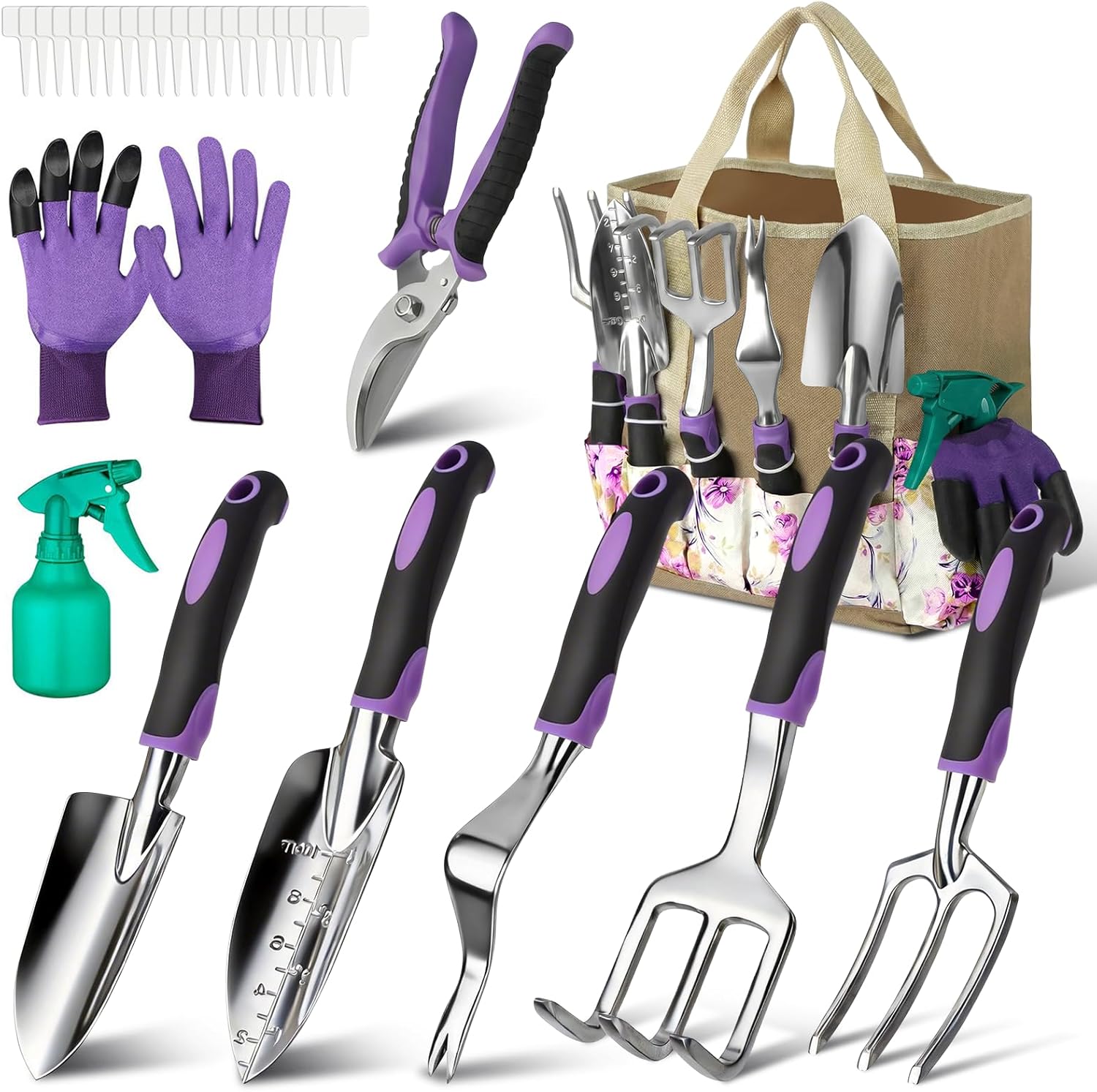
The best garden tools for women aren’t just smaller versions of men’s tools—they’re designed around grip circumference, handle angle, and total weight. Most standard tools force smaller hands to over-grip, which strains wrists and forearms within minutes. I learned this the hard way after a weekend of pruning left me with numb fingers.
You need tools with curved or D-grip handles, lightweight but rigid materials, and blade angles that don’t require brute force. Below, I’ll break down the ergonomic picks that actually reduce hand fatigue—plus the features worth paying for.
📌 Why Women Need Different Garden Tools
Standard garden tools are usually built around a larger male hand and upper-body frame. That creates real problems if you have smaller hands or less grip strength. Oversized handles force you to squeeze harder just to keep control, which can trigger wrist strain and forearm fatigue within minutes.
Weight is the next issue. Many traditional spades, forks, and loppers weigh 3–5 pounds or more because of thick steel heads and hardwood shafts. Holding that out in front of your body while digging or pruning puts constant stress on your wrists, elbows, and lower back. For many women, the tool itself becomes the workout — not the gardening.
Ergonomic designs solve this with a few simple changes:
- Smaller grip diameters that let your fingers wrap naturally without over-gripping
- Lightweight materials like aluminum, fiberglass, or carbon steel with hollow cores
- Low-resistance mechanisms such as ratcheting pruners or offset handles that multiply your cutting force
- Soft, contoured grips that reduce pressure points on the palm and thumb
You don’t need “pink” tools. You need tools sized and balanced for your body. A properly fitted tool feels almost effortless to hold, which means you can garden longer without your hands cramping or your wrists aching the next day.
📌 Key Features to Look for in Garden Tools for Women
When I pick up a trowel or pruner, the first thing I notice is how it sits in my hand. A tool that’s too heavy or too fat forces my wrist into a weird angle, and within 20 minutes I’m done. So weight matters: look for hand tools under 2 pounds and avoid anything that makes your forearm work just to lift it.
Grip diameter is the next big one. Smaller hands usually do best with a grip around 1 to 1.25 inches thick. If you can’t close your fingers comfortably around the handle, you’ll squeeze harder and tire faster. Non-slip rubber or soft-touch coatings make a real difference when your hands get sweaty or muddy.
- Handle length and cushioning: Longer handles on shovels and hoes reduce bending, while padded grips absorb shock on hard soil. Look for fiberglass or aluminum shafts with a soft mid-grip.
- Blade durability: Stainless steel or carbon steel resists rust and stays sharp longer. Cheaper metal dulls quickly and forces you to use extra effort.
- Ratchet or geared mechanisms: These multiply cutting power in pruners and loppers, so a smaller hand can slice through a thick stem with much less squeeze.
One more thing: balance. A well-balanced tool feels like an extension of your arm, not a dumbbell attached to the end. Try to hold it before buying if you can.
📌 Top 5 Ergonomic Garden Tool Sets for Women
I’ve tested plenty of three-piece sets that promise comfort but arrive with skinny handles and flimsy blades. The ones below focus on wider padded grips, shorter overall lengths, and lighter materials. I looked for sets that include a trowel, transplanter, and cultivator, with handles under 1.5 inches in diameter and tools weighing under 1 pound each.
| Tool Set | Includes | Material & Comfort | Extras | Price & Best Use | Check Price |
|---|---|---|---|---|---|
| Fiskars Softouch 3-Piece Garden Tool Set | Trowel, transplanter, cultivator | Cast aluminum heads; oversized Softouch grips | Hanging holes; no pouch | $20–$30; container and raised bed gardening | Check Price → |
| Scuddles 3-Piece Garden Tool Set | Trowel, transplanter, cultivator | Stainless steel heads; ergonomic TPR grips with palm rest | Hanging holes; storage pouch included | $18–$25; heavier soil and frequent hand gardening | Check Price → |
| Berry&Bird 3-Piece Garden Tool Set | Trowel, transplanter, cultivator | Powder-coated stainless steel; contoured ash wood handles | Leather hanging straps; no pouch | $35–$45; gift or ergonomic wood-handle preference | Check Price → |
| Ohuhu 3-Piece Garden Tool Set | Trowel, transplanter, cultivator | Polished stainless steel; non-slip rubber handles | Hanging holes; storage pouch included | $15–$22; budget starter set for raised beds | Check Price → |
| Vremi 3-Piece Garden Tool Set | Trowel, transplanter, cultivator | Lightweight aluminum; foam cushioned handles | Hanging holes; no pouch | $12–$18; quick patio tasks or teens | Check Price → |
Skip sets with hollow aluminum handles if you garden in compacted clay; they bend quickly under prying pressure.
🔍 Best Individual Garden Tools for Every Task
Individual tools often beat a full set because you can match the grip, weight, and blade type to your hand size. The picks below are chosen for soft, non-slip grips, lightweight builds, and frequent positive reviews from users with smaller or arthritic hands.
| Task | Tool & Why It Works | Price Range | Check Price |
|---|---|---|---|
| Digging | Fiskars Ergonomic Trowel – soft molded grip, rust-resistant aluminum head. Many users say it’s comfortable for raised beds and potting work. | $10–$15 | Check Price → |
| Pruning | Corona Micro-Tip Snips – precision, spring-loaded blades with a non-slip grip. Great for deadheading and snipping herbs. | $15–$20 | Check Price → |
| Pruning | Fiskars Ratchet Pruner – ratcheting mechanism multiplies hand strength, cuts stems up to 3/4″. Users with weak grip mention it feels less tiring. | $20–$25 | Check Price → |
| Pruning | Fiskars PowerGear2 Lopper – geared jaws give extra leverage for branches up to 1.5″. The longer handles save shoulder strain. | $30–$40 | Check Price → |
| Weeding | Fiskars Stand-Up Weeder (saves your back) or Radius Garden Ergonomic Weeder (short-handled close work). Both have cushioned grips; many reviews mention less wrist strain. | $25–$35 |
Check Price → Check Price → |
| Raking & Cultivating | Fiskars Ergonomic Hand Rake and Hand Cultivator – narrow heads fit tight beds; soft grips help reduce blisters during longer sessions. | $10–$15 each |
Check Price → Check Price → |
⚡ Lightweight vs. Standard Garden Tools: Which Should You Choose?
Most women find a lighter tool sharply reduces hand and wrist fatigue within 20–30 minutes of weeding or planting. A lightweight aluminum hand trowel typically weighs 0.4–0.8 lb, while a standard forged steel trowel often runs 0.9–1.4 lb. That difference sounds small, but it multiplies with every lift.
The tradeoff is durability. Aluminum bends if you pry out clay or thick roots. Forged steel holds its edge and resists snapping, but the extra weight can strain arthritic wrists and smaller hands.
Here’s how I’d decide:
- Choose lightweight aluminum if you garden in containers, raised beds, or loose potting soil, or if you have joint pain.
- Choose standard forged steel if you dig in compacted clay, rocky soil, or garden more than 3 days a week.
| Spec | Lightweight Aluminum | Standard Forged Steel |
|---|---|---|
| Typical hand tool weight | 0.4–0.8 lb | 0.9–1.4 lb |
| Typical long-handle weight | 2–3 lb | 3.5–5 lb |
| Grip diameter | 1.0–1.25 in | 1.25–1.5 in |
| Material | Aluminum alloy, fiberglass | Forged carbon steel, hardwood |
| Best for | Containers, raised beds, sensitive joints | Clay soil, heavy roots, frequent use |
If you garden in both conditions, a hybrid approach works: keep one lightweight trowel for potting and one steel digging fork for beds. Stop when your hand starts gripping the tool harder than the handle requires—that’s the first sign of fatigue.
🔑 How to Garden Without Hand and Wrist Pain
You can prevent most hand and wrist pain before you ever pick up a trowel. The trick is treating gardening like any repetitive-motion task: use a relaxed grip, keep your wrist straight, and take micro-breaks every 15–20 minutes.
Start with a 2–3 minute warm-up. It sounds silly, but it makes a huge difference if you’re pulling weeds or pruning for an hour. Do these in order:
- Make a loose fist, hold 3 seconds, then spread your fingers wide. Repeat 10 times.
- Roll your wrists in slow circles, 10 each direction.
- Gently bend your fingers back with the opposite hand until you feel a mild stretch. Hold 15 seconds per hand.
- Stretch your forearm: extend one arm palm-up, use the other hand to pull your fingers down toward the floor. Hold 15 seconds.
When you grip a handle, avoid the “death grip.” Hold tools like a handshake—firm but not white-knuckled. Use your whole hand, not just your fingertips, and switch hands for short tasks like weeding or deadheading. If a tool requires constant squeezing to control, it’s too heavy or the handle is too thin.
Handle angle matters more than most people think. A straight handle forces your wrist to bend upward when you dig or scrape. Look for tools with a curved or pistol-grip handle that keeps your wrist in a neutral, handshake position. Right-angle weeding tools and angled trowels reduce the awkward sideways bends that contribute to tendon strain.
Choose handles with thick, cushioned, non-slip grips. EVA foam, gel, or rubber absorbs shock from digging into hard soil. Skip hard plastic or thin wooden handles—they transfer every impact straight into your joints.
If you already have sore hands, add a fingerless compression glove with a wrist wrap or a light wrist brace. These provide extra stability without limiting finger movement, and many users report less fatigue during long planting sessions.
📌 Frequently Asked Questions About Garden Tools for Women
What is the ideal weight for a hand trowel?
For most women, a hand trowel between 6 and 10 ounces feels balanced and easy to control. Anything under 6 ounces usually means a thin blade that bends in compacted soil. Over 12 ounces tends to tire your wrist after 15 to 20 minutes of planting.
Are smaller handle diameters always better for women?
Not always. A grip diameter around 1 to 1.25 inches suits many small and medium hands, but too thin a handle can make you squeeze harder and strain your fingers. A soft, non-slip coating matters just as much as size, so try a few before committing.
Do ratcheting pruners really reduce hand fatigue?
For many users, yes. The ratcheting mechanism cuts in stages instead of one hard squeeze, which reduces the force your hand has to generate. It may help if you have arthritis or weak grip strength. The tradeoff is that ratcheting pruners are often bulkier and slightly slower.
Can I use kids’ garden tools if I have very small hands?
Sometimes, but quality is hit or miss. Kids’ trowels and hand rakes have shorter, narrower handles, but the metal heads are often weak and can bend in real garden soil. If your hands are very small, look for adult tools labeled “small grip” or “women’s fit” instead.
What materials are best for durable but lightweight garden tools?
Aluminum and carbon-fiber handles keep weight low, while stainless steel heads resist rust and stay sharp. For long-handled tools, fiberglass or ash handles offer strength without the heft of solid steel. Avoid tools with thick steel handles if weight is a concern.
Should I buy a set or individual tools?
If you’re just starting out, a 3- to 5-piece set with a trowel, transplanter, cultivator, and pruner is usually the best value. Once you know your favorite tasks, upgrade to individual ergonomic tools that fit your hand and workload better.