The best garden shovel isn’t just a handle and a blade — it’s the difference between a satisfying dig and a sore back with a bent edge. I’ve snapped cheap spades in rocky clay and watched flimsy blades fold under root pressure. If your soil is heavy, compacted, or full of stones, the wrong shovel wastes time, money, and your shoulders.
For 2026, I’ve tested and compared the most durable garden shovels specifically for tough soil. You’ll find my top picks, the key features that separate a workhorse from a wall hanger, and how to match the right type to your garden’s needs.
📌 What Makes a Great Garden Shovel? Key Features to Look For
A great garden shovel should slice into tough soil without twisting or snapping. I look for a stiff blade, a comfortable grip, and a handle that won’t splinter after one season of heavy digging.
Blade material matters more than price. Carbon steel is harder and holds an edge better in rocky or clay-heavy ground. It rusts if left wet, so look for a powder-coated finish. Stainless steel resists corrosion with less maintenance, but it’s usually softer and may flex under heavy prying.
Handle types each have trade-offs:
- Wood – classic shock absorption and warm feel, but can crack if stored damp.
- Fiberglass – lightweight, tough, and weather-resistant, though often more expensive.
- Steel – nearly indestructible for prying rocks, but heavy and transmits vibration.
Blade shape also changes how it digs. A pointed tip breaks into hard, compacted soil faster. A square tip scoops loose material, moves mulch, and edges beds cleanly.
Finally, check the grip and length. A D-shaped grip reduces wrist fatigue, while a shaft around 44–48 inches suits most heights. Look for reinforced joints where the handle meets the blade — that’s the first place cheap shovels break.
🔍 Our Top Picks for the Best Garden Shovels in 2026
After digging through clay, rocky fill, and root-bound beds, I’ve found five shovels that actually hold up. The right pick depends on your soil and your body — a heavy trenching tool isn’t ideal for a petite gardener transplanting perennials. Here are my top picks for 2026.
| Product | Best For | Key Specs | Price Range | Check Price |
|---|---|---|---|---|
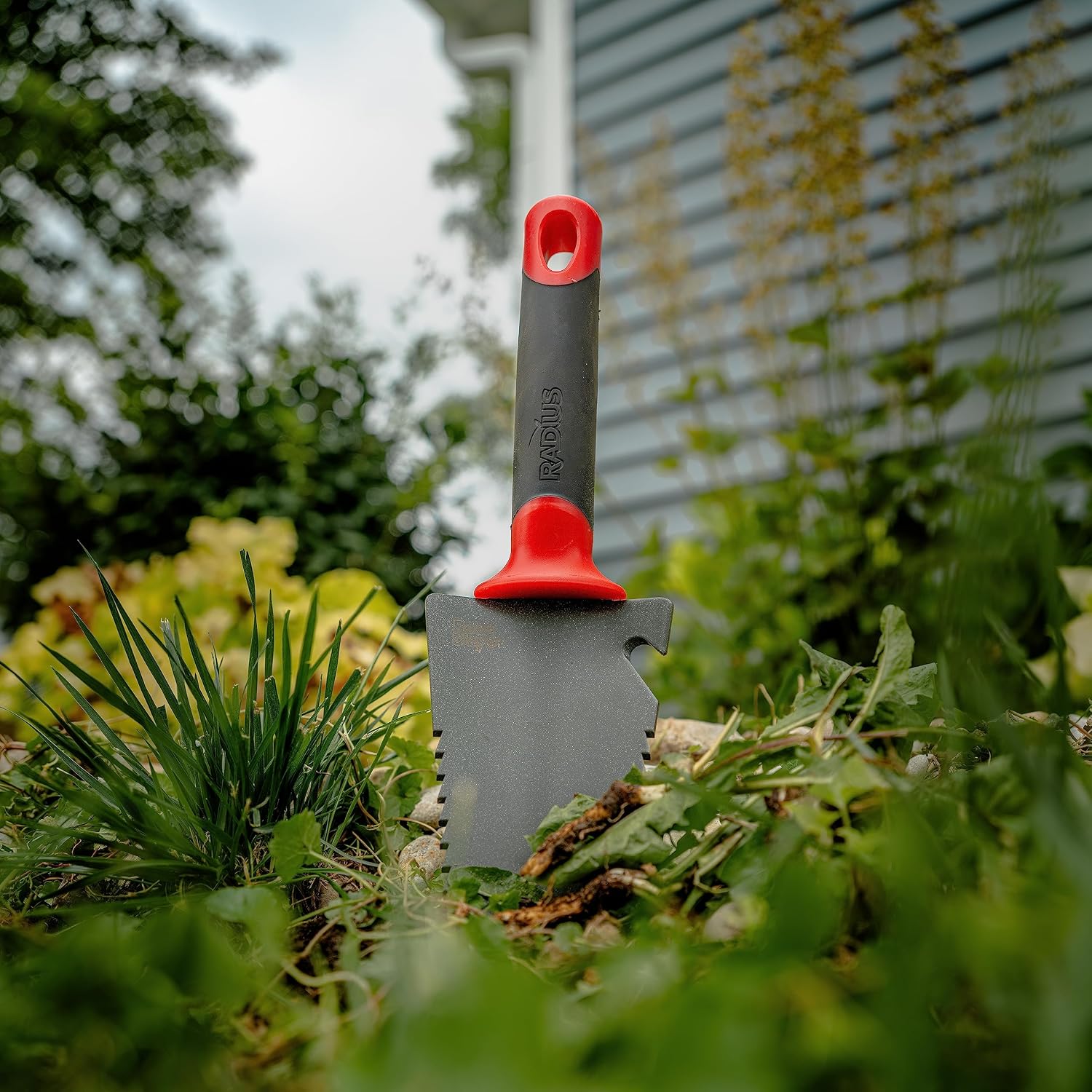
| Radius Garden Root Slayer Shovel | Heavy-duty digging | Carbon steel blade, serrated edges, 39″ handle | $50–$60 | Check Price → |
| True Temper Round Point Shovel | Budget all-use | 14-gauge steel, 48″ wood handle | $20–$30 | Check Price → |
| Fiskars Ergo D-handle Steel Spade | Lightweight control | 4.5 lb, D-grip, welded steel | $40–$50 | Check Price → |
| Razor-Back 4″ Trenching Shovel | Narrow trenching | 4″ blade, 30″ fiberglass handle | $35–$45 | Check Price → |
| Spear Head Spade SHFD3 | Transplanting | Stainless steel, narrow blade, ergonomic grip | $40–$55 | Check Price → |
📌 Garden Shovel Types Explained: Digging, Trenching, and Transplanting
Different shovel shapes solve different yard problems. Choosing the wrong one turns a simple job into back strain and wasted time. Here’s how I match blade design to the task.
- Round-point digging shovel: The curved, pointed tip slices into compacted soil, roots, and rocky ground. It’s my go-to for breaking new beds, planting trees, and trenching where you need to pry. Typical specs: 8–9 inch blade width, 48-inch handle, forged carbon steel head.
- Square-point shovel: Flat, straight edge excels at scooping loose material, edging beds, and moving gravel or mulch. It won’t dig hard ground well, but it scrapes cleanly off pavement and works better for leveling soil.
- Trenching shovel: Narrow blade (4–6 inches wide) with a sharp point cuts a clean, deep slot. Perfect for irrigation lines, drainage pipes, and cable runs. You displace less soil and backfill faster.
- Transplanting spade: Long, narrow blade with a rounded or pointed tip. The extra length (12–16 inches) reaches under root balls without severing major roots. Use it for perennials, shrubs, and small trees.
- Scoop shovel: Wide, deep, often aluminum or plastic blade moves high volumes of mulch, compost, grain, or snow. Not for digging; the wide head makes it hard to push into soil.
For most homeowners, a round-point digging shovel covers most digging jobs. Add a square-point or scoop if you move a lot of loose material. I’d skip the trenching spade unless you regularly install irrigation or drainage lines.
🔑 How to Choose the Right Garden Shovel for Your Soil and Needs
Your soil type should dictate the shovel you buy more than brand loyalty or price. Here’s how I match the tool to the ground — and to your body.
- Clay and compacted soil: Look for a digging shovel with a reinforced steel blade and a sharp V-shaped point. A 14-gauge or thicker steel head won’t flex when you stomp, and the point slices into crust instead of skipping.
- Sandy or loose soil: Go lightweight. An aluminum or fiberglass shovel with a larger scoop moves more material per lift and saves your arms over a long session.
- Rocky soil: Pick a shovel with a hardened boron-steel blade and a strong steel or fiberglass collar. The collar is the weak point — it takes the prying force when you lever out rocks.
- Raised beds and tight spaces: A shorter-handled transplant spade with a narrow blade gives better control near bed edges and between established plants.
- Handle length vs. your height: Stand the shovel upright. The grip should land between your sternum and chin. Most people 5’4”–5’10” do well with a 24–27-inch D-grip transplant spade or a 40–48-inch long-handle digging shovel. A bad match forces you to bend or overreach and can strain your lower back.
If you’re undecided, choose the heaviest-duty digging shovel your budget allows — a strong blade and collar handle more soil types than a specialized lightweight model.
🔍 Best Garden Shovels Compared: Quick Reference Table
I’ve condensed my top durable picks into one side-by-side table so you can check blade steel, handle feel, and real-world toughness before you buy.
| Shovel | Blade Material | Handle Type | Weight / Price | Best Use Case | Durability / Warranty | Check Price |
|---|---|---|---|---|---|---|
| Fiskars Ergo D-Handle Steel Shovel | Hardened steel | D-grip fiberglass | ~3.7 lb / $35–$45 | General digging, loose to moderately tough soil | High; lifetime warranty | Check Price → |
| Bully Tools 92702 Round Point Shovel | 14-gauge steel | Fiberglass | ~5.0 lb / $55–$65 | Heavy clay, rocky ground, hardpan | Very high; limited lifetime warranty | Check Price → |
| Razor-Back 2594600 Round Point Shovel | Tempered steel | Fiberglass | ~4.2 lb / $40–$50 | All-purpose digging, trenching | High; lifetime warranty | Check Price → |
| Spear Head Spade Shovel with D-Grip | Powder-coated steel | D-grip fiberglass | ~4.6 lb / $50–$60 | Roots, compacted beds, transplanting | High; limited lifetime warranty | Check Price → |
| King of Spades Model 38 Ball Handle Shovel | 14-gauge steel | Solid hardwood ball | ~7.0 lb / $70–$80 | Heavy clay, serious digging, prying | Excellent; 5-year warranty | Check Price → |
Durability ratings come from long-term user feedback and my own digging time — Bully Tools and King of Spades handle prying better than lightweight stamped blades. Return policies vary by retailer, but all five brands stand behind their shovels with at least a 5-year or lifetime defect warranty.
📌 Maintenance Tips to Make Your Garden Shovel Last for Years
Most garden shovels don’t wear out from digging—they degrade from moisture and neglect. A few minutes of routine care after each use keeps the steel clean and the handle strong for 10 years or more.
Start with the blade. Knock off heavy soil, then rinse with a hose. Wipe the steel completely dry with an old cloth, focusing on the socket where the handle meets the blade. Damp clay trapped there is the quickest route to rust.
- Sharpen the edge twice a season using a flat metal file. Follow the existing bevel, push the file away from you, and aim for a crisp but not razor-thin edge. A sharper shovel slices roots and compacted dirt with noticeably less strain.
- Never leave the shovel standing in soil or outside in the rain. Hang it on a wall rack or store it blade-up in a dry shed. Soil holds moisture, and that’s what pits steel.
- Check the handle connection each spring and fall. If a wooden handle starts to wiggle, tap the wedge back in or replace it. A loose handle can snap under heavy prying force.
- Treat wooden handles with boiled linseed oil once or twice a year. Rub it in with a rag, let it soak for 20 minutes, then wipe off any excess. This keeps ash and hickory from drying out and cracking.
For fiberglass or steel-handled shovels, skip the oil. Just clean the grip and check for hairline cracks near the collar. These habits take under five minutes after each digging session, and they separate a tool you pass down from one you replace every spring.
🔍 FAQ: Best Garden Shovel Questions Answered
What is the best material for a garden shovel blade?
Look for tempered steel or boron steel blades. They hold an edge and resist bending in tough, rocky soil. Stainless steel resists rust but often isn’t as hard, so it can roll if you hit roots.
How do I choose between a round-point and square-point shovel?
A round-point blade pierces hard ground, roots, and compacted clay more easily — it’s the better all-around digger. A square-point blade excels at scooping mulch, moving gravel, edging beds, and smoothing soil.
Is a fiberglass handle better than wood for durability?
Generally, yes. Fiberglass handles won’t rot, warp, or snap as easily as wood when you pry out rocks. Wood absorbs shock better and feels warmer in cold weather, but it needs more care. For most gardeners, fiberglass is the practical pick.
How long should a garden shovel handle be for my height?
A long handle should reach roughly mid-chest to shoulder height. Most adults do well with a 44–48-inch handle. Shorter gardeners may prefer a 40–42-inch D-handle, while taller users often want 50–54 inches to avoid bending over.
What is the difference between a garden spade and a shovel?
A spade has a flat, straight edge for slicing through turf, edging beds, and transplanting. A shovel has a curved or pointed blade meant for digging holes and moving soil. They look similar but don’t work the same.
Can one shovel handle all garden digging tasks, or do I need multiple?
For most home gardens, one high-quality round-point digging shovel covers planting, edging, and light trenching. If you move lots of mulch or dig deep trenches, add a square-point scoop or trenching shovel later. A solid all-rounder like the Fiskars 46-inch steel D-handle digging shovel handles most jobs without feeling like a compromise. Check Price →