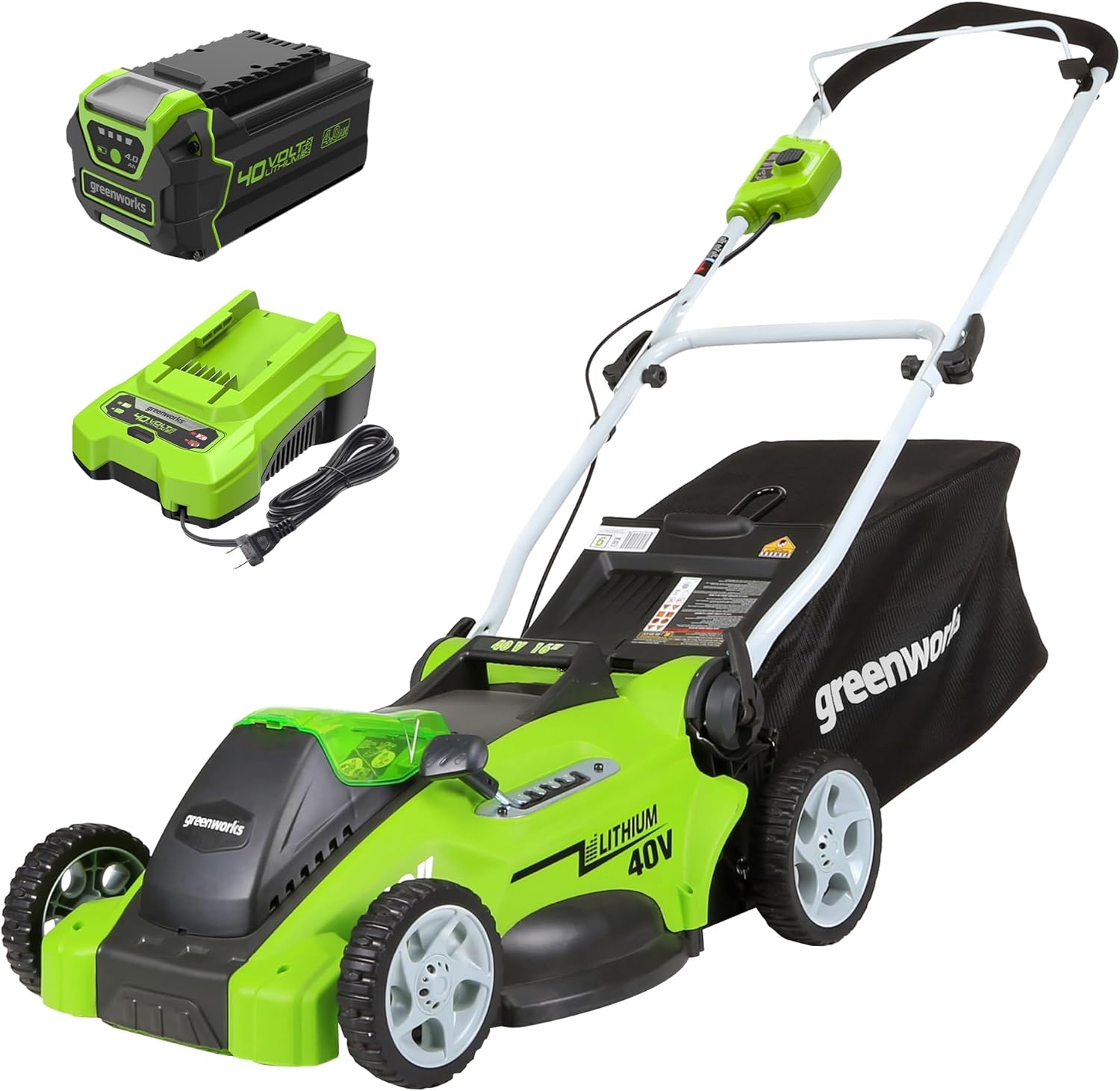
Your first mow of spring lawn sets the tone for the whole growing season, but it’s also the moment your yard is most vulnerable—and most tempting for curious pets. Winter leaves behind wet soil, matted thatch, and hidden clumps of debris. Mow too early or too short, and you shock the grass. Miss pet waste, a stray toy, or a half-buried bone, and you create a dangerous mess.
I’ve learned the hard way that a calm dog and a clean lawn don’t happen by accident. This guide covers timing, prep, and post-mow routines that keep your turf healthy and your pets safe all spring.
📌 Why the First Mow of Spring Matters for Pet Owners
That first cut sets the tone for your lawn’s health and your dog’s paw safety all season. Cut too short and you stress the grass, invite weeds, and leave sharp, dry blades that can irritate paw pads. A gradual trim helps roots grow deeper and keeps the turf softer underfoot.
Winter leaves more than dead grass. Hidden debris like broken branches, gravel from snow plows, and even leftover ice melt granules can get flung by mower blades or lodge between your pet’s toes. Before you mow, walk the yard and clear anything that shouldn’t go through the deck.
Here’s what to watch for:
- Sharp twigs and acorns — they can puncture paw pads.
- Rock salt and ice melt residue — it’s drying and irritating to skin.
- Faded toy pieces or plastic — they shred into harmful bits.
- Matted leaf clumps — they hide damp, fungus-prone spots.
Establishing a calm mowing routine now also prevents accidents later. Keep pets indoors while the mower runs, and wait until clippings settle before letting them back out. As for height, aim to leave cool-season grasses around 2.5 to 3.5 inches after that first cut. That’s tall enough to shade out weeds and soft enough for paws, without turning your yard into a tick haven.
📌 When to First Mow Spring Lawn: Timing, Grass Height, and Pet Safety
The best signal for your first mow of spring lawn isn’t the calendar—it’s soil temperature. Cool-season grasses like fescue and Kentucky bluegrass start actively growing when soil hits 50°F to 55°F. Warm-season turf like Bermuda and zoysia needs closer to 65°F. An inexpensive soil thermometer gives you a reliable reading in a few minutes.
Height matters just as much as temperature. Let the grass reach 3 to 4 inches before that first cut. Mowing too short shocks the turf and exposes bare soil, which can release pollen, mold spores, and other allergens that cling to your dog’s paws and belly.
Follow the one-third rule: never remove more than one-third of the blade length in a single pass. If you’re aiming for a 3-inch lawn, cut when it reaches about 4 inches.
Before you start, do a quick moisture check. Grab a handful of grass—if blades feel damp or soil clings to your fingers, hold off for a day or two. Mowing wet grass leaves heavy clumps that track mud through the house and can spread fungal problems.
Regional timing varies quite a bit:
- Southern states: first mow often in March
- Midwest and Northeast: typically mid-April to early May
- Northern states and Pacific Northwest: late May or even early June
Dry grass is always the safer window for pets. Damp turf stays soft enough for paws to churn up soil, and wet clippings stick to fur like glue.
📌 Pet-Safe Lawn Prep Before the First Mow
Before that first pass, I walk the lawn like a pet parent, not just a mower operator. The goal is to remove anything that can turn into a sharp projectile or a hidden hazard. Winter leaves behind sticks, stones, pine cones, and sometimes forgotten dog toys—all of which can fly out from under the deck at high speed.
- Clear hidden debris first. Rake or hand-pick twigs, gravel, and acorns. I pay extra attention near fence lines and under shrubs where winter wind piles things up.
- Scoop every pet waste deposit. Mowing over it can spread bacteria across the lawn and onto mower wheels. Then do a slow scan for mushrooms and early toxic weeds like onion grass or buttercups; remove them before cutting.
- Set a pet-friendly mowing height. For the first spring cut, I keep the deck at 3 to 3.5 inches—the highest or second-highest setting on most mowers. Cutting more than one-third of the grass blade shocks the turf and leaves less cushion for paws.
- Create a temporary pet zone. Use a baby gate, exercise pen, or closed door to keep pets fully out of the mowing area until clippings settle and the mower cools. Even a well-trained dog can bolt toward a mower’s sound.
I also check the mower blade for rust or dull edges before starting. A sharp blade at the right height makes a cleaner cut, which reduces ragged grass tips that may irritate paw pads.
📌 Step-by-Step First Mow Routine with Pets
The first mow of spring sets the tone for your lawn and your pet’s safety. I treat it as a quick, repeatable routine—never complicated, but always deliberate about where pets are and where clippings end up.
- Keep pets fully indoors or in a secure yard section. Even a calm dog can bolt toward a running mower or try to bite the wheels. Shut the door, close the gate, or use a long lead in a separate area. Wait until the engine is off and blades stop spinning before letting them near the mowing zone.
- Mow away from play areas and water bowls. Aim the discharge chute toward the lawn’s perimeter, a compost pile, or a fence line—never toward the spot where your dog rolls, digs, or drinks. Side-discharge clumps can carry small rocks, dirt, and grass sap into paws or water bowls.
- Use a catcher or mulch finely. If you bag clippings, empty the catcher straight into yard waste or compost—not a pile your pet can sniff or lick. If you mulch, go over thick spring growth twice so clippings break down small and dry fast. Wet, long clippings can clump and ferment, and many dogs will eat them and later vomit.
- Clear mower clogs and sharp debris before pets return. Shut off the mower, disconnect the spark plug for safety, and clear the deck or chute with a stick or tool—never your bare hand. Then walk the mowed area once to spot rocks, twigs, or metal bits the mower flung out. Those tiny shards can slice a paw pad.
A five-minute walk of the yard after you finish is the cheapest insurance against emergency vet visits.
📌 Post-Mow Pet Safety and Lawn Care Tips
Once the mower’s off and the grass is cut, your job isn’t quite done. That first mow kicks up pollen, grass sap, and moisture that can cling to paws and bellies.
Wait at least 30 to 60 minutes before letting dogs or cats back on the lawn — or until the clippings feel dry to the touch. If you applied any fertilizer, weed preventer, or other product, follow the label’s re-entry window, which is often 24 to 48 hours.
When pets do come back inside, grab a damp microfiber cloth and wipe down paws, legs, and the belly. Pay extra attention between the toes, where sap and pollen love to collect. A shallow bowl of plain water works fine for a quick paw rinse too.
Keep an eye out for these reactions after the first mow:
- Excessive licking or chewing at paws
- Redness between toes or on the belly
- Watery eyes, sneezing, or reverse sneezing
- Small bumps or hives on thinly haired areas
Most mild irritation clears up with a rinse and a dry-off. If symptoms stick around beyond a day, check with your vet.
Finally, give the lawn a light watering after the first cut. It settles clippings, reduces dust, and helps the grass recover — especially warm-season types like Bermuda and Zoysia, which respond well to early-spring moisture. Keep pets off until the grass dries, usually 1 to 2 hours.
📌 Pet-Friendly Lawn Care Products and Methods for the First Mow Season
After that first cut, your lawn is hungry and stressed—but you don’t need synthetic chemicals to help it recover. I lean on organic, pet-safe fertilizers like compost tea, alfalfa meal, or corn gluten meal. They feed the soil without leaving chemical residue on paws. Apply them lightly right after mowing, water in, and keep pets off until the area is dry.
For the mowing itself, a manual reel mower is worth a look if your yard is under about 5,000 square feet. It’s nearly silent, produces no exhaust, and won’t send a noise-sensitive dog scrambling indoors.
Gas mowers are faster for bigger lawns, but the sound and fumes can spike stress in some pets. If you use gas, mow in shorter sessions and give your dog a quiet indoor space during the job.
When marking new beds or pet paths, choose non-toxic lawn marking sprays made from natural pigments or chalk. They wash away with rain and won’t stain paws. For weeds, skip glyphosate. Targeted sprays of horticultural vinegar, boiling water, or chelated iron products can handle dandelions and clover without poisoning your pet’s outdoor space.
A few simple tools make post-mow life much easier:
- Paw washer – cleans grass clippings and pollen off paws before your dog comes inside.
- Pet-safe lawn deodorizer – enzyme-based sprays break down urine spots without bleaching the grass.
- Outdoor gates or temporary fencing – keep pets off freshly mowed, fertilized, or newly seeded areas for 24–48 hours.
❓ FAQ: First Mow of Spring Lawn and Pet Safety
Can pets go on the lawn immediately after the first mow of spring?
It’s safer to wait 30–60 minutes until clippings dry and settle. Wet grass clippings stick to paws and fur, and dogs may ingest them, which can cause mild stomach upset.
What grass height is safest for dogs after the first spring cut?
Keep cool-season grasses around 2.5–3.5 inches tall. Cutting below 2 inches stresses the lawn, exposes more soil, and increases pollen contact for pets.
Should I use lawn fertilizer after the first mow if I have pets?
If you fertilize, choose a pet-safe, slow-release organic product and keep pets off until it’s watered in and dry. Many labels recommend 24–48 hours before allowing access.
How do I keep my dog from eating grass clippings after mowing?
Use a mower with a bagger or rake clumps right away. Mowing more often creates shorter clippings that break down faster, and a quick “leave it” cue helps during potty breaks.
Is spring lawn aeration safe for pets after the first mow?
Core aeration is generally safe once soil plugs break down or are raked up. Keep pets off for a few hours until the lawn is watered and holes begin to settle.
What are signs my pet is having a lawn-related allergy after mowing?
Watch for excessive paw licking, red or watery eyes, sneezing, ear scratching, or skin redness after outdoor time. Rinse paws with plain water and contact your vet if symptoms persist.
1 thought on “First Mow of Spring Lawn: A Pet-Safe Guide for 2026”