Finding the best tool to remove crabgrass isn’t just about a tidy lawn—it’s about doing the job without putting your dog or cat at risk. Crabgrass spreads fast, chokes out healthy turf, and leaves ugly clumps that ruin a barefoot summer afternoon. The wrong tool can shred your lawn or push you toward chemical sprays you don’t want near curious paws.
I’ve spent years testing weeders, stand-up pullers, and manual extractors in real yards with pets running around. This 2026 guide covers the safest pet-friendly options, how they compare, and the simple techniques that remove crabgrass at the root.
📌 Why Pet Owners Need a Safe Crabgrass Removal Tool
Crabgrass is one of the most aggressive lawn weeds you’ll deal with. A single plant can release thousands of seeds in one season, and those seeds stay viable in soil for years. Once it takes hold, it spreads sideways fast, smothering turf and creating bare patches that invite even more weeds. The problem gets worse every time you mow over mature seed heads.
Chemical herbicides often contain ingredients like glyphosate, 2,4-D, or dicamba. Dogs and cats absorb these through paw pads, then lick them off during grooming. Even “pet-safe” sprays usually demand keeping pets off the lawn for 24–48 hours, but residue can linger much longer on grass blades and soil. Kittens, small dogs, and pets with compromised immune systems face the highest risk.
Manual and mechanical crabgrass removal tools solve that problem completely. No waiting period, no toxic residue, no drift onto vegetable beds or water dishes. You remove the weed by its root, which is exactly what stops regrowth. It’s also cheaper over time than repeat herbicide purchases.
When shopping for a pet-safe tool, look for these features:
- Sharp steel tines or blade — stainless or powder-coated to resist rust
- Ergonomic handle — reduces wrist strain during repeated twisting
- Root-gripping design — pulls the entire taproot, not just the top
- Solid weight — heavy enough to penetrate compacted soil without needing chemicals
- No chemical coatings — avoid painted grips that may flake and be chewed
📌 Top 5 Pet-Friendly Crabgrass Removal Tools Compared
These five manual tools remove crabgrass at the root without herbicides, so your pets can safely return to the lawn after you clean up. I’ve grouped them by how much bending you’ll do and how much work your back will handle — small patches need a different approach than a dense infestation.
| Tool | Type & Ease of Use | Best For | Pet-Safe Notes | Check Price |
|---|---|---|---|---|
| Fiskars 4-Claw Weeder | Stand-up puller with 39-inch handle; no bending | Small to medium crabgrass patches | No chemicals. Steel claws are sharp, so keep pets away while you pull. | Check Price → |
| Grampa’s Weeder 4-Claw Weeder | Foot-lever stand-up tool; push and tilt to yank the whole root | Large lawns and repetitive weeding | Purely mechanical. Store upright with tines covered so pets can’t step on them. | Check Price → |
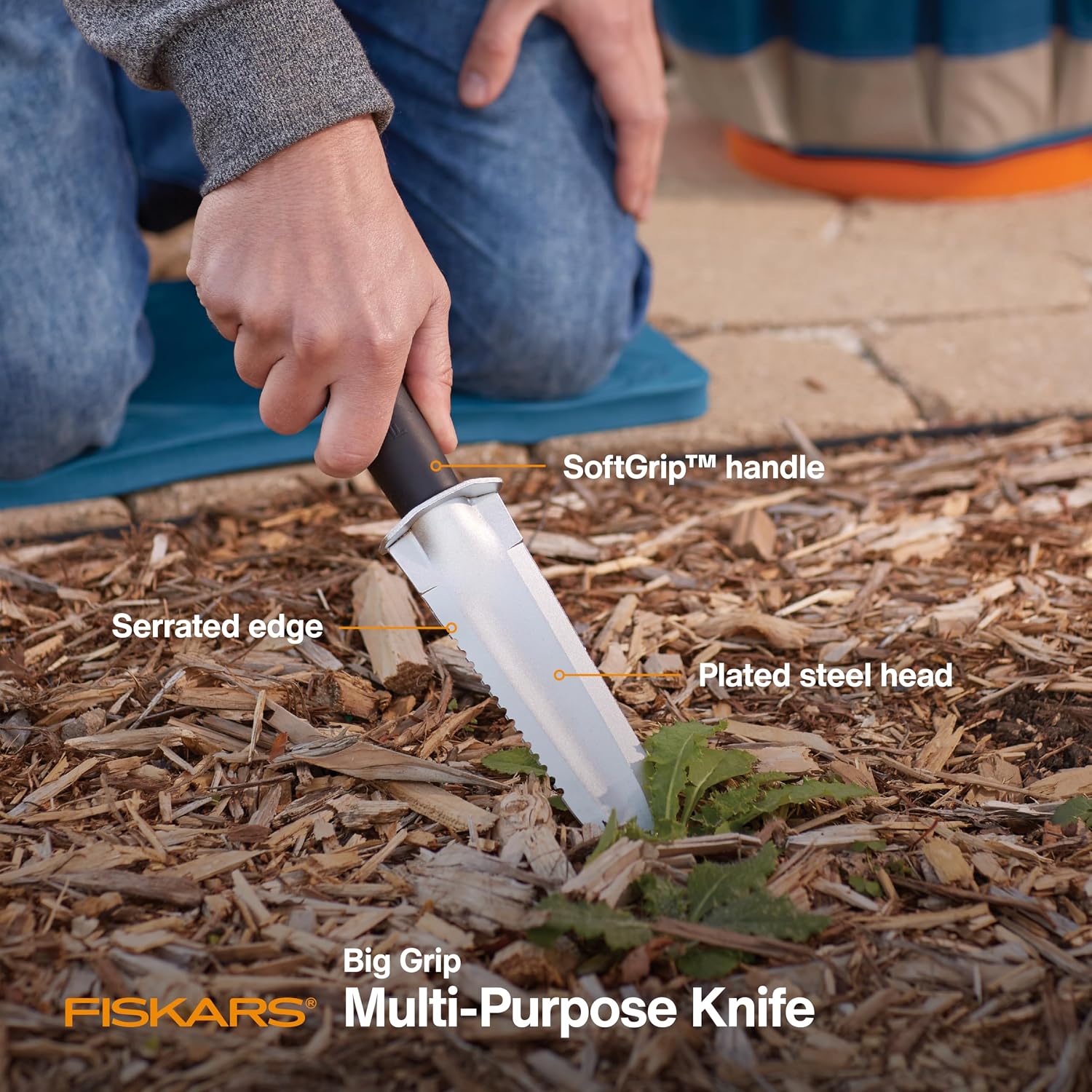
| Nisaku Hori Hori Knife | Hori hori style with stainless steel blade; slice around taproots and lift them out | Precise removal near pavers or garden beds | No sprays. Always use the sheath and keep it out of chew range. | Check Price → |
| CobraHead Original Weeder & Cultivator | Handheld steel hook/weeder; easy to angle in tight spots | Small patches and young crabgrass in cracks | No chemicals. Curved blade is sharp, so wipe it down and store away from paws. | Check Price → |
| Walensee 4-Claw Weed Puller | Foot lever with long handle; built for heavier pulling | Dense crabgrass clumps and larger infestations | No herbicide residue. Let pulled weeds dry before letting pets roam free. | Check Price → |
All of these are mechanical pullers, so there’s no spray residue on paws or grass. The hori hori and CobraHead blades need to be wiped down and stored with their sheaths, while the long-handle tools should rest tines-down in a shed or garage.
🔍 Manual vs. Chemical-Free Crabgrass Removal: Which Tool Works Best?
Manual pulling tools beat natural sprays for root-level control in small- to medium-sized patches. A good stand-up or lever weeder extracts the entire taproot, which is the only reliable way to stop that crabgrass plant from resprouting.
The downside is labor: you’ll work section by section, and hard soil makes it slower. Spraying is faster over a wide area, but many chemical-free formulas only burn off visible leaves and leave roots alive.
Chemical-free doesn’t automatically mean pet-safe. Vinegar and essential-oil sprays can still irritate paw pads, noses, or mouths until they dry, and some pets eat treated grass. Always keep pets off the area for the time stated on the label—even for “natural” products.
For long-term prevention, manual root removal is more effective than surface treatment because it breaks the seed cycle. That said, a combined approach works best for larger lawns: pull established clumps, then spot-treat new sprouts with a pet-safe formula after the area is dry.
| Tool | Type | Best For | Check Price |
|---|---|---|---|
| Fiskars 4-Claw Weeder | Manual stand-up | Root removal, small patches | Check Price → |
| Grampa’s Weeder | Manual lever | Taproot weeds, no bending | Check Price → |
| Natural Armor Weed & Grass Killer | Chemical-free spray | Large patches, quick top-kill | Check Price → |
🔑 How to Choose the Right Crabgrass Tool for Your Lawn and Pets
Start with your lawn’s size and how bad the crabgrass actually is. A few scattered weeds in a small yard? A simple hand fork or hook will do. Large patches or a big lawn? A stand-up puller saves hours and spares your back.
Ergonomic handle design matters more than most people think. Look for a padded grip and a shaft long enough to let you work upright. That reduces lower back strain during long weeding sessions. Some stand-up models include a foot pedal or lever that does the pulling for you.
Tool types to consider:
- Stand-up puller: Best for large infestations; grabs the root from above.
- Crabgrass fork: Good for tight spots and young weeds.
- Weed hook: Great for prying out deep taproots.
- Scuffle hoe: Ideal for cutting off small crabgrass at soil level.
For pet safety, avoid tools with flaking paint or unknown coatings. Choose powder-coated steel or stainless steel, which won’t leach anything odd into soil. Wood handles are fine, just check they’re smooth and splinter-free.
Durability depends on the head material and connection point. Welded steel heads outlast bolted ones. Most quality tools run $20–$50, and replacement parts like springs or claws are usually available for popular brands — so check before you buy. A tool that lasts five years beats a $10 throwaway.
📌 Step-by-Step Guide to Removing Crabgrass Without Harming Pets
Crabgrass comes out cleanest when the soil is moist but not soggy—aim for a day after light rain, or water the area deeply 30–60 minutes before you start. That softens the soil and helps you pull the entire root instead of snapping the crown.
- Prep the lawn and keep pets away. Move pets to a separate fenced area or keep them indoors while you work and until any organic treatments dry. Pick up toys and water bowls so they don’t collect pulled debris or seeds on their paws.
- Use the tool at the right angle. For a stand-up weeder or weed puller, center the tines over the crabgrass crown, push straight down, then lever back slowly. You should feel the root mass lift. With a fishtail weeder, slide the blade under the center and pry upward to loosen the taproot.
- Grab the crown, not just the blades. If the root won’t release, reinsert the tool at a different spot around the plant. Your goal is to remove the central crown and as much of the fibrous root as possible—crabgrass can regrow from even a small root piece.
- Dispose of pulled clumps immediately. Place crabgrass in a heavy-duty yard waste bag or trash can. Don’t toss it onto the lawn or compost pile: mature seed heads can drop thousands of seeds and spread the problem fast.
- Follow up naturally. Fill the bare hole with a mix of topsoil and compost, then overseed the spot with pet-safe grass seed. Keep the area lightly watered for about a week to help new grass crowd out any leftover crabgrass seeds.
After removal, skip chemical pre-emergents for at least a few weeks if pets use the lawn. A thick, healthy lawn is the safest long-term crabgrass blocker.
📌 Preventing Crabgrass Regrowth: Pet-Friendly Lawn Care Tips
Getting rid of the crabgrass you can see is only half the battle. Keeping it from coming back is where pet-safe lawn care really pays off. These habits strengthen your turf so crabgrass has a much harder time taking hold without exposing your dog to harsh chemicals.
- Mow high to shade out crabgrass. Set your mower blade to at least 3–4 inches for cool-season grasses and 2.5–3 inches for warm-season varieties. Taller grass blocks the sunlight crabgrass seeds need to germinate, while deeper roots help your lawn outcompete weeds.
- Overseed bare spots right away. Thin or patchy areas are open invitations for crabgrass. Use a pet-safe grass seed blend that matches your existing lawn, like tall fescue or perennial ryegrass for northern yards. Keep pets off newly seeded spots until the grass is established — usually 4–6 weeks.
- Try corn gluten meal as a natural pre-emergent. This byproduct of corn processing can reduce crabgrass seed germination without toxic chemicals. Apply it in early spring before soil temperatures reach 55°F. It won’t kill existing weeds, but it creates a safe barrier for new ones.
- Improve soil with compost and aeration. Crabgrass thrives in compacted, thin soil. Core aerate once a year and top-dress with a quarter to half inch of finished compost. Healthier soil supports thicker turf that resists invasion naturally.
- Skip chemical herbicides entirely. Products containing 2,4-D, dicamba, or glyphosate can stick to paws and fur, then be licked off indoors. Even “pet-safe” spot sprays may irritate sensitive skin. Manual removal tools and the habits above are the better long-term play.
🔍 FAQ: Best Tool to Remove Crabgrass Safely Around Pets
Is a manual crabgrass removal tool safe to use around pets?
Yes. Manual weeders have no chemical residue, so they’re one of the safest choices for yards with dogs and cats. Just pick up pulled crabgrass clumps afterward, since some pets chew or roll in the debris.
Can I use vinegar to kill crabgrass if I have pets?
Household vinegar is generally pet-safe once dry, but it can sting paws and noses while wet. Keep pets off treated areas until they dry completely. Horticultural vinegar is stronger and works faster, but it can also burn skin and eyes, so apply it carefully and store it out of reach.
How often should I remove crabgrass from my lawn?
Check your lawn once a week during late spring and summer, when crabgrass grows fastest. Pull young plants before they form seed heads. One mature crabgrass plant can drop thousands of seeds, so early removal prevents a much bigger problem later.
What is the best crabgrass tool for large lawns without chemicals?
A stand-up 4-claw weeder is my top pick. It lets you pull deep taproots without bending, which matters a lot on a big lawn. The Fiskars 4-Claw Weeder grips the center of the plant and removes the root in one motion, saving your back and your turf.
Does crabgrass grow back after pulling it out by hand?
It can, especially if you leave root fragments behind or if new seeds land in the same bare spot. Remove the entire root and cover the area with a little grass seed or mulch. That stops most regrowth and keeps the lawn thick enough to crowd out future weeds.
Are there any pet-safe chemical crabgrass killers?
True selective crabgrass killers are rarely pet-safe. Some pre-emergent products use corn gluten meal, and a few iron-based spot sprays can suppress young weeds, but they’re limited. Always read the label, follow dry-time instructions, and keep pets off the lawn until the product is fully dry.
1 thought on “Best Tool to Remove Crabgrass in 2026: Pet-Safe Options for a Healthy Lawn”