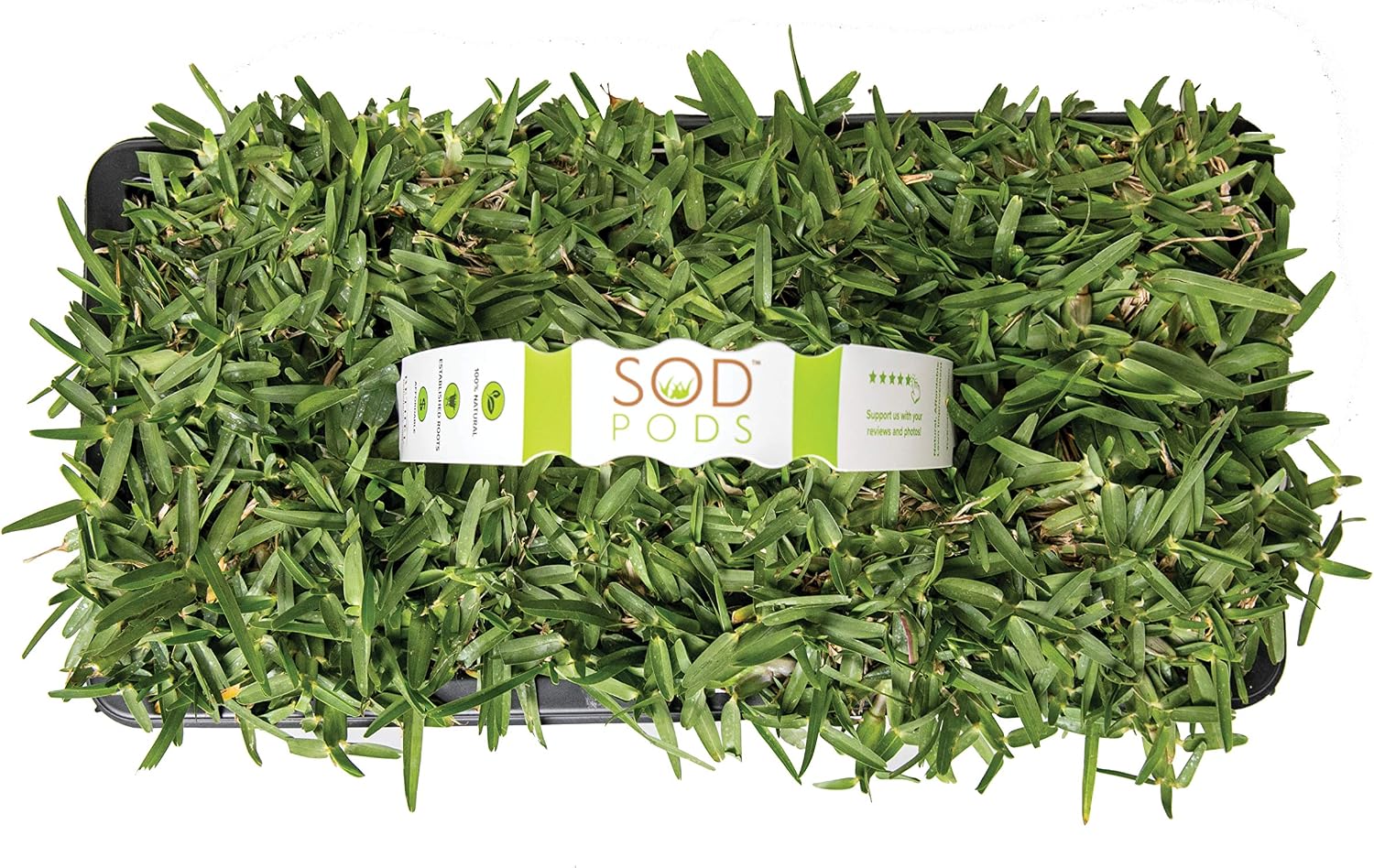
Your backyard looks like a dust bowl. The summer sun beats down, your water bill climbs, and your dog’s favorite potty spot is now crunchy brown stems. Finding the best grass for hot dry climate that survives all that — while staying safe for your pup — takes more than grabbing a random bag of seed.
I’ve spent years testing turf in triple-digit heat with two active retrievers tearing up the yard. The good news? Some grasses actually laugh at 100°F days and recover fast from dog traffic. Root depth, drought tolerance, and bounce-back speed matter far more than price or brand.
In this guide, I’ll break down the top pet-friendly varieties for desert heat, which ones handle heavy paws best, and how to keep your lawn alive through the worst summer stretch — without emptying your wallet.
📌 Why Choosing the Right Grass Matters for Hot, Dry Climates and Pets
Your lawn takes a beating every summer. Triple-digit heat, weeks without rain, and then your dog adds urine burns and dug-up patches on top of it all. Traditional turfgrass simply wasn’t built for that combination.
In hot, dry climates, cool-season grasses like Kentucky bluegrass go dormant fast. They turn straw-brown by mid-July, and the moment you over-water to “save” them, you’re stuck with a huge bill and a lawn that still looks patchy. It’s a losing cycle.
Pets make it worse. Dog urine concentrates nitrogen in one spot, burning grass from the roots up. Add digging, chasing, and daily laps around the yard, and you get bare dirt trails where nothing grows.
This is why picking the best grass for hot dry climate conditions matters so much. Climate-adapted warm-season grasses like bermuda, buffalo, and zoysia thrive on heat and shrug off drought by going dormant instead of dying. The right variety stays green longer, needs less water, and recovers quickly from pet damage.
Pet safety counts too. You want a grass that’s non-toxic if nibbled, non-irritating to paws, and sturdy enough to handle rough play without needing reseeding every spring.
The payoff is financial. Over a few summers, a drought-tolerant, pet-proof lawn means lower water bills, fewer repairs, and no annual reseeding. That’s money back in your pocket — and a yard your dog can actually enjoy.
📌 Top Pet-Friendly Grass Varieties for Hot, Dry Climates
I judged each grass below on three things: root depth for drought survival, how quickly it recovers from dog traffic, and how little water it needs once established. These six varieties are the most pet-friendly options for hot, dry climates.
| Grass Type | Drought Tolerance | Pet Durability | Best For | Establishment | Check Price |
|---|---|---|---|---|---|
| Bermuda | Extreme | Excellent — deep roots, fast self-repair | Full-sun dog runs and play zones | Seed or sod; spreads quickly | Check Price → |
| Zoysia | Good | Very good — dense turf resists paw traffic | Shady spots, natural weed control | Plugs or sod; slow from seed | Check Price → |
| Buffalograss | Extreme | Fair — soft under paw, slower to recover | Native, low-maintenance lawns | Seed or plugs; fills in slowly | Check Price → |
| Bahiagrass | Excellent | Good — deep root system holds up to wear | Sandy, hot coastal soils | Seed; fast and tough | Check Price → |
| St. Augustine | Moderate — needs some irrigation | Moderate | Coastal dry climates with partial shade | Sod or plugs only | Check Price → |
| Kikuyu | Excellent | Excellent — rapid recovery for active dogs | Hot southwestern zones | Seed; aggressive spread, edge it well | Check Price → |
Seed, sod, or plugs? Bermuda and bahiagrass grow fast from seed, so they’re the budget pick. Zoysia is painfully slow from seed — plugs or sod save you a full season. Buffalograss takes its time but rewards you with almost no mowing. St. Augustine rarely grows true from seed, so plan on sod or plugs. And kikuyu spreads so aggressively that you’ll want edging to keep it in check.
Match the grass to how your dog actually uses the yard. High-traffic paths call for Bermuda or kikuyu. Low-traffic corners are fine with soft buffalograss or zoysia.
📌 Matching Grass Type to Your Pet’s Needs: Durability and Maintenance
Match the grass to how your pet actually uses the yard. A dog that sprints laps needs a tough, fine-bladed turf that recovers fast — Bermuda and Bahia both fit that bill. For cats and small dogs that mostly lounge, a softer buffalo grass is gentler on their paws and easier on your patience.
Urine resistance is where most hot-climate lawns fail. Bermuda and buffalo grass handle nitrogen burn far better than tall fescue or Kentucky blue, which scorch within days. Keep a hose nearby and water the spot for about 30 seconds after your dog pees — it dilutes the nitrogen and cuts down the burn dramatically in summer heat.
Deep-rooted runners are your best defense against digging and scratching. Bermuda and Bahia spread through stolons and rhizomes, so torn-up patches near the fence regrow from broken runners instead of dying. Expect those bare spots to fill back in within a couple of weeks, not months.
Shade is the tricky part. Bermuda craves full sun, so a hot yard with shaded corners will thin out fast. Mix in a shade-tolerant variety like St. Augustine for those areas, or accept that the sunniest stretch of lawn will carry the most traffic.
Maintenance comes down to a trade-off. Bermuda wants mowing every 5–7 days but little water; Bahia thrives on neglect but looks coarse; buffalo grass barely needs mowing but takes two seasons to establish. Pick the one that matches how much lawn time you realistically have.
| Grass Variety | Drought Tolerance | Pet Durability | Maintenance Level | Best Use Case | Check Price |
|---|---|---|---|---|---|
| Bermuda | Excellent | Very high — recovers fast from digging and urine spots | High mowing, low water | Full-sun yards with active dogs | Check Price → |
| Bahia | Excellent | High — deep roots shrug off heavy traffic | Very low | Large areas, low-maintenance owners | Check Price → |
| Buffalo Grass | Superior | Medium — soft but slower to recover | Very low mowing | Low-traffic yards with extreme heat | Check Price → |
| St. Augustine | Good | Medium — handles shade, sensitive to urine | Moderate water and mowing | Shaded corners of hot-climate yards | Check Price → |
| Zoysia | Very good | High — dense turf resists wear | Moderate; slow to establish | Medium-traffic yards that need a dense feel | Check Price → |
⚡ Natural Grass vs. Artificial Turf: Which Is Better for Your Pet?
Honest answer: for most dogs in hot, dry climates, natural grass is the safer choice — as long as it’s a drought-tolerant variety. Artificial turf saves water, no doubt, but it brings real trade-offs for paws, instincts, and safety.
Synthetic turf can hit 150–180°F on a 90°F afternoon. That’s enough to burn paw pads within seconds. Natural grass cools itself through transpiration and stays comfortable even in triple-digit heat.
Real grass is harmless when you skip harsh chemical pesticides. Crumb-rubber infill in older turfs has raised lead and PFAS concerns, and pet-safe infill alternatives cost noticeably more.
Turf isn’t low-maintenance either. You’ll rake it, rinse urine patches, apply enzyme deodorizers, and top up infill regularly. Natural grass needs mowing, deep watering, and aeration — but it builds healthy soil and lets your dog do what dogs do: scent mark, dig, and roll.
Environmentally, turf wins on water conservation but loses on plastic waste and the heat-island effect. Here’s the side-by-side breakdown:
| Option | Upfront Cost | Pet-Friendliness | Longevity | Hot & Dry Climate Fit | Check Price |
|---|---|---|---|---|---|
| Natural Grass | $0.50–$1.50/sq ft (seed) | Excellent — cool surface, diggable, scent-friendly | Perennial; reseed every 2–3 years | Great with Bermuda, buffalo, or tall fescue cultivars | Check Price → |
| Hybrid Grass | $3–$6/sq ft (reinforced rootzone) | Good — real grass feel, stronger wear resistance | Rootzone 15–20 yrs; grass needs normal care | Good for high-traffic yards; irrigation still required | Check Price → |
| Artificial Turf | $8–$15/sq ft installed | Fair — can burn paws, holds urine odors | 15–20 years with infill maintenance | Excellent in drought; poor surface temps in extreme heat | Check Price → |
My pick for hot, dry climates? A drought-tolerant natural grass like Bermuda or buffalograss — and reserve turf only for small, shaded relief zones that never see full sun.
📌 Tips for Maintaining a Lush, Pet-Safe Lawn in Extreme Heat
Heat stress and dog traffic wreck lawns fast. The good news? A few smart habits can keep your grass green and your pets safe all summer.
💧 Water Deep, Not Often
Water early in the morning, 2–3 times a week, giving your lawn about 1–1.5 inches per session. Deep, infrequent watering pushes roots downward, so they tap moisture below the hot surface layer and survive longer between drinks.
🌱 Raise the Mower Deck
Keep blades higher in summer — 3–4 inches for cool-season grasses, 2–3 inches for warm-season types. Taller grass shades the soil, slows evaporation, and crowds out weeds before they take hold.
🐾 Fix Urine Spots Immediately
Rinse the spot with water right after your dog pees to dilute the nitrogen burn. For stubborn patches, sprinkle gypsum to neutralize salts, or overseed with urine-resistant tall fescue cultivars that bounce back faster.
🌍 Aerate and Add Compost
Core aerate once a year to relieve compaction and help water actually reach the roots. Follow up with a half-inch layer of compost to boost moisture retention and soil life — it’s like a slow-release hydration bank for your lawn.
🚫 Ditch Harsh Chemicals
Synthetic fertilizers and pesticides linger on blades your pets lick and roll in. Choose organic slow-release fertilizer and use corn gluten meal as a natural weed pre-emergent instead.
Check Pet-Safe Fertilizer Price →
📅 Seasonal Care Calendar
- Before peak heat: aerate, top-dress with compost, and switch to deep watering.
- During peak heat: raise the mower, water early, and skip all fertilizer.
- After the heat breaks: overseed bare patches, apply a light organic feed, and resume regular mowing.
❓ FAQ
What is the most drought-tolerant grass for hot climates with dogs?
Bermuda grass is the clear winner. It shrugs off extreme heat, recovers fast from heavy paw traffic, and simply goes dormant — not dead — during drought. For even lower water use, buffalo grass is a native option that thrives on as little as 1 inch of water per month once established.
Is artificial turf safe for dogs in hot weather?
Be careful here. On a 95°F day, dark artificial turf can easily reach 150°F or hotter — hot enough to burn your dog’s paw pads within seconds. It also traps urine odors unless you rinse it regularly. If you choose turf, pick lighter colors, add cooling infill, and keep it shaded during peak hours.
How often should I water a pet-friendly lawn in a hot, dry climate?
Water deeply and less often — about 1 to 1.5 inches per session, 1–2 times a week. Early morning watering (5–7 a.m.) gives the water time to soak in before the heat peaks. Deep watering pushes roots down, which is exactly what makes grass drought-hardy.
What grass is best for dog urine and heat?
Bermuda takes the crown here too. Its aggressive growth repairs urine burn spots quickly, and it stays green in heat that kills fescue. For high-traffic pee zones, dilute the spot with water right after your dog goes — it beats any special “urine-resistant” blend sold online.
Can I mix grass varieties to improve heat and pet tolerance?
Yes, mixing works well in most climates. In transition zones, try a Bermuda + tall fescue blend; in warm regions, pair Bermuda with buffalo grass. Just avoid mixing a spreading grass like Bermuda with a bunch grass like fescue if you want a uniform look — you’ll get a patchwork instead.
How long does it take to establish a new lawn from seed in a hot climate?
Warm-season grasses germinate in 10–30 days, reaching full coverage in 8–12 weeks. Bermuda is the fastest; buffalo grass takes noticeably longer to fill in. Sod gives you an instant lawn but costs more — roughly $0.50 to $1.00 per square foot installed.
1 thought on “Best Grass for Hot Dry Climate: 2026 Pet-Friendly Options That Survive Heat and Drought”