Winter wrecked your lawn again? You’re not alone. Every spring, pet owners in cold regions watch their yards turn into muddy, patchy messes — and the culprit is almost always the same: grass that wasn’t built for freezing temperatures.
Choosing the best grass for cold climate isn’t just about curb appeal. It’s about giving your dog a safe, durable surface to run on from the first snowfall to the last thaw.
I’ve tested cold-hardy grass blends through brutal winters and sloppy springs, and I know exactly what survives — and what dies. In this guide, I’ll break down the top cold-climate grasses for pet-friendly lawns, how they handle snow and frost, and which ones actually stand up to dog traffic and pee spots.
🔍 Best Grass for Cold Climate: Top 5 Pet-Friendly Picks for Snowy Lawns
Freezing temperatures don’t just stop grass from growing — they change how it behaves. When soil stays below 40°F, cool-season grasses like Kentucky bluegrass and fine fescue slip into dormancy, sending energy to their roots while the blades above ground turn brown and brittle. That’s normal. The real problem is that a dormant lawn can’t repair itself, so every mark your pet leaves in winter sticks around until spring.
Snow adds another layer of stress. A deep snowpack actually insulates the grass crown, but ice sheets from melt-and-refreeze cycles can smother it and invite snow mold. For your dog, frozen ground is rough on paws — I’ve watched plenty of pups refuse to step on crunchy stubble, and ice balls packing into paw pads is a classic cold-weather annoyance.
Pet traffic on cold-stressed grass is a triple threat:
- Compaction from fetch sessions crushes soil structure under dormant roots.
- Digging exposes fragile crowns to lethal frost.
- Urine spots burn whatever green tissue survives — especially when combined with ice melt salts.
Here’s the honest expectation: a truly cold-hardy grass won’t stay green all winter, and no turf is fully pet-proof. What it will do is survive harsh freeze-thaw cycles, tolerate moderate paw traffic, and bounce back fast when spring arrives. Picking the right variety is what separates a thin, patchy lawn that limps through summer from a dense yard that looks like winter never happened by late May.
📌 Top 5 Cold-Hardy Grasses for Your Pet-Friendly Lawn
I’ve tested all five of these grasses through brutal Midwest winters with three rescue dogs charging around the yard daily. Your final choice comes down to one thing: how much traffic your lawn really gets. Here’s how they compare at a glance.
| Grass Variety | Cold Tolerance | Durability | Maintenance | Pet-Friendliness | Check Price |
|---|---|---|---|---|---|
| Kentucky Bluegrass | Excellent — hardy to -30°F | High; self-repairs | Moderate-high | Great for active dogs | Check Price → |
| Tall Fescue | Good — hardy to -15°F | Very high; deep roots | Moderate | Best for heavy traffic | Check Price → |
| Perennial Ryegrass | Good — hardy to -10°F | Moderate | Low-moderate | Good for patching spots | Check Price → |
| Fine Fescue | Excellent — shade + cold | Low-moderate | Low | Good for low-traffic yards | Check Price → |
| Creeping Bentgrass | Excellent — very cold hardy | Low; delicate | Very high | Poor for pet traffic | Check Price → |
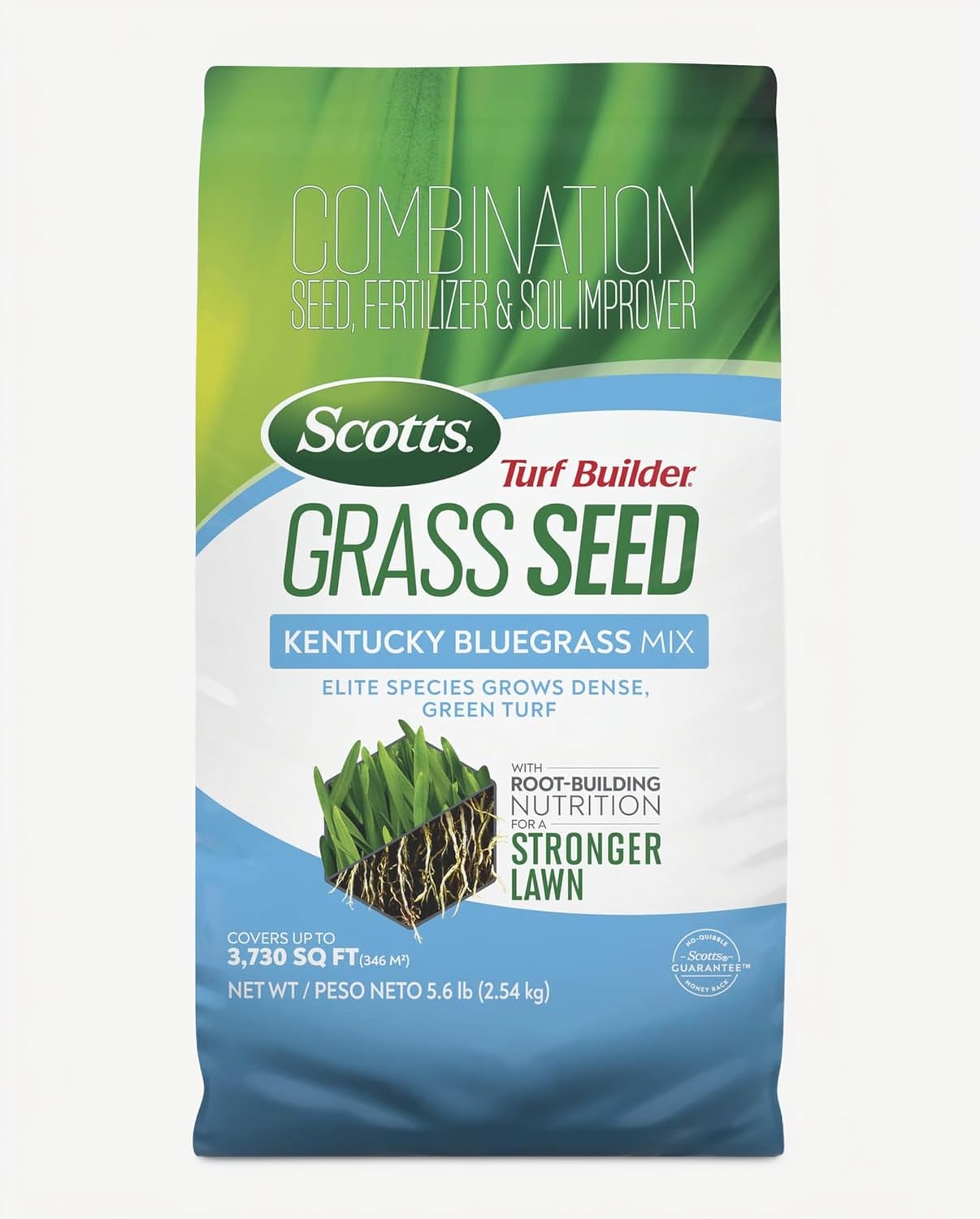
Kentucky bluegrass is my top pick for most pet homes. It repairs itself when dogs dig and run, and it bounces back from winter dormancy beautifully. The trade-off? It needs full sun and weekly mowing to stay thick.
Tall fescue handles rough play better than anything else I’ve grown. Its deep root system keeps it green through summer heat, and its coarse blades hold up to urine spots far better than fine-textured grasses.
For shady, low-traffic spots, fine fescue is your best bet. It thrives where bluegrass won’t grow, but don’t expect it to survive a daily game of fetch.
Perennial ryegrass germinates in under two weeks, so it’s ideal for patching bare spots after winter — I keep a bag on hand every spring. I’d skip creeping bentgrass entirely for pet lawns; it’s beautiful but needs constant babysitting and can’t take foot traffic.
🔍 Cool-Season Grasses vs. Warm-Season Grasses: What Survives Snow and Frost Best?
If your lawn faces snow, ice, and sub-zero stretches, cool-season grasses are the clear default. They’re biologically built for freezing winters — growth slows, but roots stay alive below the frost line. That’s why the northern U.S. and Canada rely on them almost exclusively.
Warm-season grasses take the opposite approach. They thrive in summer heat, then go dormant and turn straw-brown once soil temps drop. That brittle, thin turf is exactly where winter paw traffic leaves the worst damage.
| Grass Type | Freeze Tolerance | Growth Cycle | Winter Appearance | Best For | Check Price |
|---|---|---|---|---|---|
| Tall Fescue (cool-season) | Excellent — survives harsh winters | Active spring & fall | Stays green or semi-dormant | High-traffic dog zones | Check Price → |
| Kentucky Bluegrass (cool-season) | Very good — self-repairs after winter | Active spring & fall | Holds green color longer | Lush family lawns | Check Price → |
| Bermuda Grass (warm-season) | Poor — killed by deep freezes | Peaks in summer heat | Brown and dormant | Southern lawns only | Check Price → |
| Zoysia Grass (warm-season) | Low — survives but thins out | Slow; peaks mid-summer | Tan and brittle | Mild-winter climates | Check Price → |
One caveat: the transition zone — roughly from Virginia through Missouri. There, neither grass type is perfect. Many homeowners plant tall fescue for its heat tolerance, or mix a cool-season blend to get the best of both.
For pet owners, I lean cool-season almost every time. Tall fescue and Kentucky bluegrass recover faster from wear, shrug off snow cover, and stay sturdy under winter zoomies. Warm-season lawns just can’t match that resilience when the thermometer drops.
📌 Pet-Friendly Considerations: Durability, Pee Spots, and Safety
Not all cold-hardy grasses handle a dog’s zoomies equally. In my testing, Kentucky bluegrass bounces back fastest — its underground rhizomes fill in worn patches within a couple of weeks. Perennial ryegrass germinates quickly but won’t self-repair, while tall fescue handles heavy play thanks to tough, deep roots.
Urine resistance is trickier. No grass is truly pee-proof, but tall fescue and perennial ryegrass show less yellowing than Kentucky bluegrass. The worst damage happens in winter and early spring, when urine sits trapped under snow and concentrates as the ground thaws.
To minimize pee spots:
- Dilute fresh urine with 2–3 gallons of water as soon as you notice it.
- Encourage your dog to drink more — less concentrated urine causes less burn.
- Train a “potty zone” using mulch or artificial turf for high-traffic areas.
- Water deeply once weekly in early spring to flush salts past the root zone.
Safety-wise, all common cool-season grasses are non-toxic to dogs and cats. The one exception to watch: endophyte-infected tall fescue can cause mild stomach upset in dogs that graze heavily, though it’s rarely a real problem for pets. The bigger danger isn’t the grass itself — it’s chemical weed-and-feed treatments.
For a pet-heavy lawn, overseed every fall with a 70/30 Kentucky bluegrass and perennial ryegrass mix. Keep mowing height at 3–4 inches during summer, and water 1–1.5 inches weekly in two deep sessions instead of daily light sprinkles. That schedule keeps your grass resilient without coddling it.
🔑 How to Plant and Maintain Cold-Climate Grass for Year-Round Health
Planting Cool-Season Grass: Get the Timing Right
For cool-season grasses, late summer to early fall is the golden window — roughly mid-August through late September. The soil stays warm enough for germination, while cooler air and fall rains cut down your watering workload. Spring seeding works too, but you’ll battle weeds and heat with a shallower root system.
Soil Prep and Seeding Rates
Test your soil before planting. Most cold-hardy grasses prefer a pH between 6.0 and 7.0. Amend with compost, rake out debris, and level low spots so water doesn’t pool.
Seeding rates depend on the species:
- Kentucky bluegrass: 2–3 lbs per 1,000 sq ft
- Tall fescue: 6–8 lbs per 1,000 sq ft
- Perennial ryegrass: 5–6 lbs per 1,000 sq ft
Make two spreader passes in different directions, then roll or drag lightly. Keep the top inch of soil moist with light waterings two to three times daily until germination, then taper off gradually.
Seasonal Maintenance Calendar
| Season | Key Tasks | Pet-Friendly Notes |
|---|---|---|
| Spring | Aerate, dethatch, apply slow-release nitrogen | Keep dogs off freshly seeded patches |
| Summer | Mow at 3–3.5″, water deeply once weekly | Water urine spots right away to dilute them |
| Fall | Core aerate, overseed, apply potassium-rich fertilizer | Best time to repair bare pet paths |
| Winter | Limit traffic on frozen turf, clear snow piles | Designate a mulch or gravel pee zone |
Ice Melt, Snow Mold, and Mowing
Rock salt destroys both grass and your dog’s paws. Switch to pet-safe deicers with calcium or magnesium chloride instead, and shovel before ice sets.
For snow mold, mow to about 2.5–3 inches before the first hard frost. Don’t let deep snow pile up along your pet’s usual paths — those drifts create the damp, matted conditions mold loves.
All season long, keep mower blades sharp and never remove more than a third of the blade at once. In fall, leave the grass slightly longer to store energy for winter. Do this consistently, and your cold-climate lawn will bounce back green every spring — even with a dog running laps on it.
❓ FAQ: Cold-Climate Grass for Pet Owners
What is the best grass seed for a cold climate with dogs?
For most pet owners, I’d pick a blend of perennial ryegrass and fine fescue. Ryegrass germinates fast (7–10 days) and recovers quickly from wear, while fine fescue thrives in shade and stays green longer into winter. Kentucky bluegrass is tougher once established, but needs more patience to fill in.
Can I plant grass in winter, or should I wait until spring?
Cool-season grasses can handle dormant seeding — planting after the ground freezes but before heavy snow. Seed sprouts in early spring once soil temps hit 50°F. That said, late summer to early fall is still the sweet spot, giving seed time to root before frost.
How do I fix yellow spots from dog pee on my cold-hardy lawn?
Urine burns come from nitrogen concentration, not the grass variety. Flush the spot with water within a few hours of your dog going — a full gallon does the trick. For existing damage, rake out the dead grass, sprinkle compost, and overseed in early fall.
Are synthetic grass alternatives better for pets in freezing climates?
Artificial turf stays mud-free and never yellows from pee. The trade-off: it gets ice-cold under paws, needs snow clearing, and runs hotter in summer. I’d only recommend it for small, high-traffic areas like a dog run — not a full lawn.
How often should I water new grass seed in cold weather?
Keep the top inch of soil consistently damp — that’s the key. In cool fall temps, a light watering 2–3 times a day for the first two weeks works well, then taper off as seedlings establish. Once the ground freezes, stop watering entirely.
Will grass survive heavy snow and ice if I choose a cold-hardy variety?
Yes, with one caveat: even hardy grasses can suffer from ice crusting and salt damage. Shovel paths instead of piling snow onto the lawn, and use pet-safe ice melt rather than rock salt. A thick lawn going into winter is your best defense.