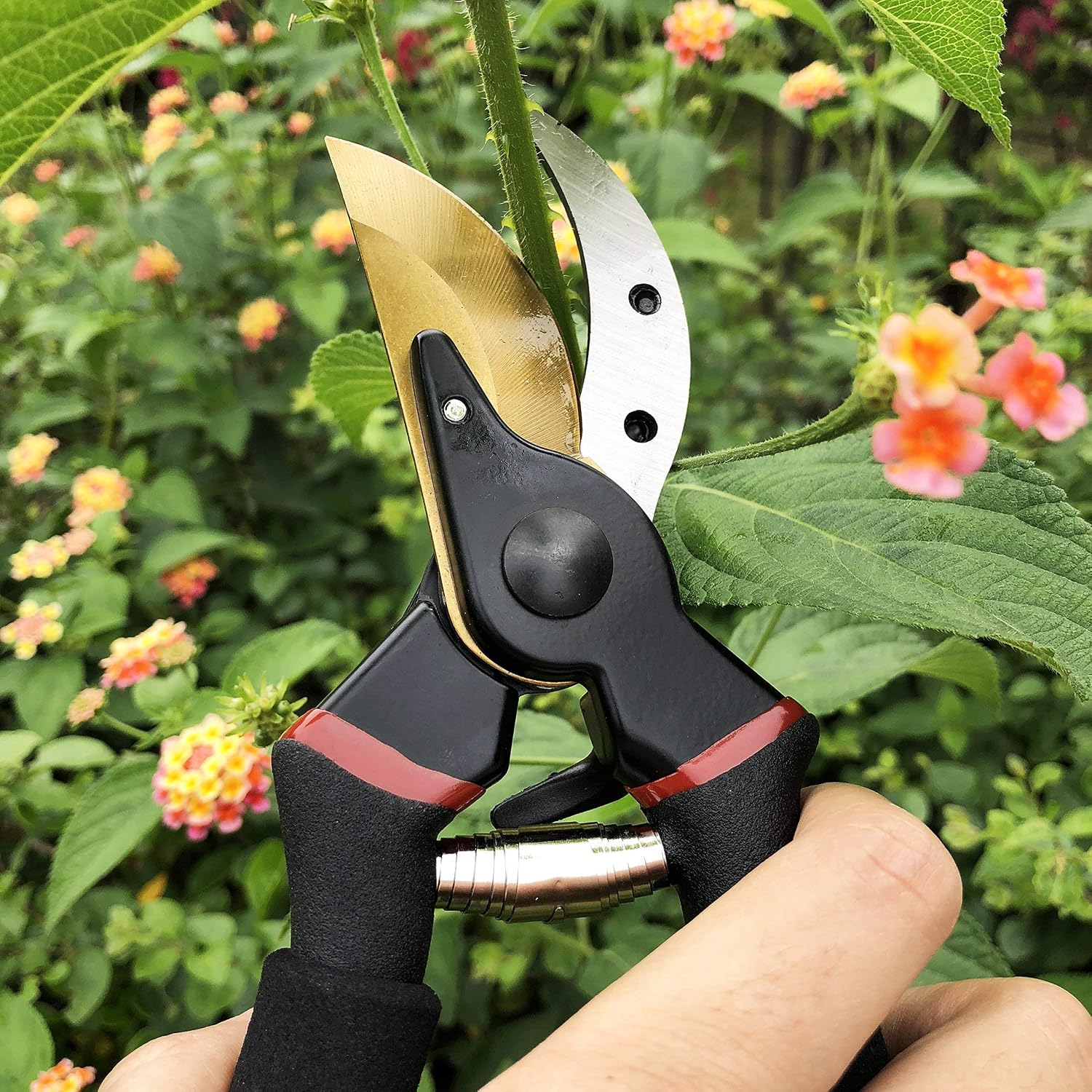
If you share your garden with a curious dog or an indoor-outdoor cat, the best pruning shears aren’t just about clean cuts—they’re about keeping your pets safe. Dull blades crush stems, slip more often, and leave jagged wounds that invite disease. Worse, a cheap pair can snap mid-cut, sending a sharp metal edge toward an exploring nose.
I’ve tested dozens of bypass, anvil, and ratchet pruners over the years while working around my own two terriers. The right shears give you controlled, precise cuts and a locking mechanism that prevents accidental openings. In this guide, I’ll share the pet-friendly features I look for and the five models worth your money in 2026.
📌 Why Pet Owners Need High-Quality Pruning Shears
Sharp shears aren’t just about tidy shrubs. They’re a safety tool when your dog or cat mouths everything in the yard.
Dull blades crush stems instead of slicing them. The ragged wound takes longer to heal and invites fungal or bacterial disease. A sharp bypass blade makes a clean cut that closes quickly, so the plant isn’t weakened and leaking sap for days.
If you’re removing thorny canes or toxic plants like oleander, sago palm, or yew, one controlled cut matters. Ragged tears leave jagged, tempting pieces on the ground and force you to handle the plant repeatedly. High-quality pruners remove the branch cleanly, so you don’t need chemical treatments afterward that could linger where pets sniff and lick.
A full afternoon with stiff, dull shears leaves your hands aching. Ergonomic handles and a smooth pivot reduce hand fatigue. That means you’ll actually stay on top of pruning instead of avoiding it while overgrown branches drop leaves or berries into your pet’s reach.
Clean cuts also minimize sap bleeding. Less sticky sap on your tools means fewer plant fluids that can irritate a curious pet’s mouth or stomach. You make the cut once and move on, without leaving a stressed, oozing wound behind.
🔍 Key Features to Look for in the Best Garden Shears
Before you buy, check these five specs. They directly affect cut quality, hand fatigue, and how safe the tool is around curious pets.
- Blade material: Hardened carbon steel or titanium-coated blades hold an edge longer and resist rust. The Corona BP 3180 uses forged steel — a solid benchmark. Check Price →
- Bypass vs anvil design: Bypass shears slice live green growth cleanly; anvil pruners crush dead wood. For most pet-friendly gardens, a bypass like the Fiskars Bypass Pruning Shears is the right call. Check Price →
- Ergonomic non-slip grips: Soft, contoured handles reduce strain on long pruning sessions and stop the tool from slipping if your dog bumps you. The Felco F-2 excels here. Check Price →
- Secure locking mechanism: A reliable latch keeps blades closed in storage, so a curious paw can’t brush against an exposed edge. Look for one-handed locks that click firmly.
- Non-toxic coatings and lubricants: Avoid mystery oils. Choose shears with food-safe or plant-safe lubricants — no harmful residues if your pet chews a pruned branch.
🔍 Top 5 Best Pruning Shears for 2026
I picked these five after checking blade material, locking safety, handle comfort, and how easy they are to maintain around curious pets. Here are my top pruning shear recommendations for 2026.
| Product | Why It Stands Out | Price | Check Price |
|---|---|---|---|
| Fiskars Ergo Bypass Pruner with Rotating Handle | Titanium-coated bypass blades stay sharp, and the rotating handle reduces wrist strain during long pruning sessions. | $25–$35 | Check Price → |
| gonicc 8″ Professional Bypass Pruning Shears | Hardened steel blades and a reliable safety lock make this an excellent budget pick for light to medium cutting. | $10–$15 | Check Price → |
| Fiskars SoftGrip Bypass Pruner | Lightweight body, soft-grip handles, and easy spring action fit smaller hands without causing fatigue. | $15–$20 | Check Price → |
| Felco F-2 Classic Manual Hand Pruner | Professional-grade pruner with replaceable parts and a coated blade that resists sap and rust. | $55–$65 | Check Price → |
| Fiskars PowerGear2 UltraBlade Bypass Pruner | Fully enclosed spring reduces pinch points for paws. I lubricate the pivot with food-grade mineral oil for pet-safe maintenance. | $25–$30 | Check Price → |
🔑 How to Prune Safely Around Pets
Most pruning injuries to pets happen because of two things: a falling branch landing where a dog is sniffing, or an unlocked shear left open in the grass. I treat the pruning area like a small drop zone and keep my dog inside until the space is completely clear.
- Keep pets indoors or in a separate area while you cut. Even a short branch can hit a curious cat, and sap or thorny debris can stick to paw pads.
- Use shears with a locking mechanism. Lock the blades closed every time you set them down. Never leave an open pair on the ground, even for a moment.
- Skip chemical sprays right before pruning. If you use a fungicide or insecticide, apply it a day or two ahead and let the area dry fully. Prefer pet-safe treatments like diluted neem oil or insecticidal soap.
- Clean up all cuttings, thorns, and sap immediately. Common landscape plants like azalea, oleander, yew, and English ivy are toxic if chewed. I keep a small bucket next to me so clippings never hit the ground loose.
- Wash your hands and wipe the blades with warm soapy water or rubbing alcohol after pruning. Residue transfers easily from your hands to pet fur and paws.
It adds about five extra minutes to the job, but it prevents most close calls.
📌 Maintenance and Cleaning Tips for Pet-Safe Hand Pruners
Clean, well-maintained pruners aren’t just about extending tool life — they’re a real pet-safety issue. Sap, dirt, and moisture attract bacteria and mold that can transfer to curious paws or noses.
Start every cleanup with warm water and a little mild dish soap. Scrub the blades gently with a soft cloth or sponge. Skip bleach, alcohol wipes, and harsh chemical disinfectants. They leave residues that could harm a pet that licks or sniffs the tool.
Rinse well and dry every metal surface completely. Then apply a single drop of food-grade mineral oil to the blade and pivot area. It prevents rust without leaving toxic residue behind — I do this after every trimming session.
Sharpness matters too. A dull blade crushes stems instead of cutting cleanly, stressing the plant and inviting disease. Use a diamond or ceramic stone every few weeks. A few light passes on the bevel edge keeps cuts crisp and reduces plant stress.
Don’t forget the mechanics. Check the pivot nut and spring weekly, and tighten anything loose so the blades don’t wobble or jam. A smooth, predictable action is safer when pets are nearby.
Finally, store your pruners in a closed toolbox, drawer, or blade holster — high up or behind a latched door. Open blades at floor level are an accident waiting to happen.
📌 Frequently Asked Questions About Pruning Shears
What is the difference between bypass and anvil pruning shears?
Bypass shears have two curved blades that slide past each other like scissors. They make clean cuts on live, green stems. Anvil shears use one sharp blade that closes against a flat metal plate, which crushes softer tissue. They work better on dead, woody branches.
How often should I sharpen my pruning shears?
For average home use, sharpen the cutting blade after every 8–10 hours of pruning or when you notice ragged, torn cuts. A quick pass with a diamond or ceramic sharpener keeps the edge safe and reduces hand strain.
Can pruning shears be dangerous for pets?
Yes. Exposed blades can cut paws or noses if the tool is left open on the ground. Some plant sap and pruned foliage may also irritate pets, so collect clippings right away. Keep shears in a closed sheath or locked shed after each use.
What blade material is safest and most durable for home gardeners?
Hardened stainless steel offers the best mix of durability and rust resistance. A titanium coating adds extra glide and reduces sap buildup. Avoid cheap carbon steel unless you’re diligent about oiling, because it rusts quickly in damp garden conditions.
How do I clean pruning shears without using harmful chemicals?
Wipe the blades with a 50/50 mix of white vinegar and water after each session. For sticky sap, scrub with a soft brush and mild dish soap, then rinse and dry completely. This avoids bleach or harsh solvents that could linger near pets.
Are there pruning shears designed for small hands or weak grip?
Yes. Look for compact bypass models with non-slip grips, rotating handles, or a ratchet mechanism. Ratchet pruners cut in stages, requiring far less hand strength. Micro-tip pruners also suit smaller hands and precision work near garden beds.