Picture your backyard after a long winter: lush green, finally recovering. Then your dog claims his favorite spot, and two weeks later there’s a brown crater in the middle of the turf. If you need to learn how to fill bare spots in lawn without endangering your pet, this guide walks you through the whole repair — from diagnosing the damage to choosing seed that survives the dog.
The fixes aren’t complicated, but timing matters. You can repair a dead urine patch in about three weeks if you remove the thatch, loosen the soil, and start with seed that germinates fast.
I have two dogs and a yard that shows every mistake I’ve made over the years. This guide shares the pet-safe repair routine I’ve settled on. You’ll know exactly what to buy, what to skip, and how to keep your dog from being part of the problem.
🐕 Why Pets Cause Bare Spots in Lawns (Urine, Digging, and Wear)
Most bare spots in pet yards come from one of three things: urine burn, digging, or repeated traffic. Each one looks slightly different and needs a different treatment.
💛 Urine Burn
Dog urine contains concentrated nitrogen and salts. When a female dog squats in the same place every day, those compounds overwhelm the grass and burn the roots. Males tend to spray and scatter urine, so they often leave yellow singe marks instead of one distinct dead patch.
🕳️ Digging
Digging damage is different — you’ll see torn-up sod, loose soil, and shallow craters rather than a smooth brown area. Dogs dig to cool off, to bury bones, or because they smell grubs and insects under the turf.
🐾 Foot Traffic
Even the toughest grass struggles when a 40-pound dog runs the same fence line every day. Constant paw traffic packs the soil down hard, which means grass roots can’t get air or water. What starts as a faint path soon becomes bare dirt.
🔍 Assess the Damage: Is It Urine Burn, Digging, or Disease?
Before you spend money on seed, look closely at the pattern. The wrong fix wastes time, and if you seed over an active disease patch, the grass will die again within weeks.
- Urine burn: Yellow or brown center, often with a darker green ring around it. Damage stays in the exact spots where the dog pees, and the roots are still anchored in the soil.
- Digging: Disturbed soil, exposed roots, and scattered grass clumps. The lawn looks excavated, not scorched.
- Disease: Patches expand even when the dog hasn’t touched the area. You may also see rings, a gray coating in the morning, or grass blades with colored lesions.
One quick grub test helps too. Pull on the dead grass; if the sod lifts up like a loose carpet, grubs have been eating the roots, and you’ll need to treat that before reseeding.
| Symptom | What You See | Repair Approach |
|---|---|---|
| Urine burn | Smooth dead patch with green ring | Flush with water, rake, reseed |
| Digging | Churned soil and torn roots | Refill soil, address the behavior, fence off spot |
| Disease | Expanding circular spots or rings | Treat fungus first, then reseed |
| Grubs | Sod lifts like carpet, chewed roots | Apply grub treatment, wait, then seed |
🛠️ How to Fill Bare Spots in Lawn: Step-by-Step Repair Process
Once you’ve ruled out disease and grubs, the repair routine is the same for most bare spots. Clear it, loosen it, feed it, seed it, and protect it. Here’s the sequence I use with my own dogs.
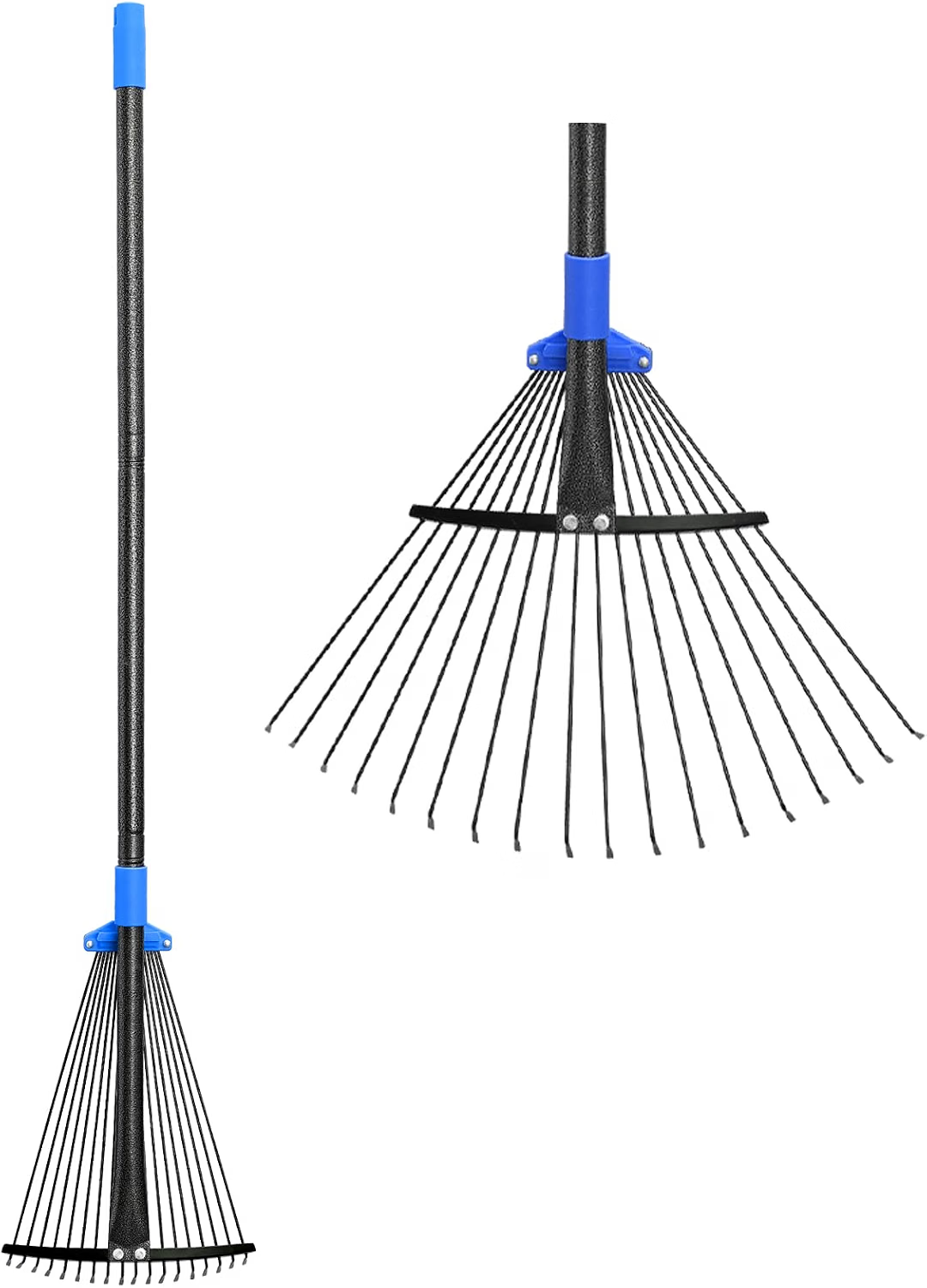
- Rake out the dead material. Use a stiff wire rake to pull up dead grass, thatch, and rocks. You want bare soil with good seed-to-soil contact.
- Loosen the dirt. Work a garden fork or hand cultivator through the top 2 inches. If the spot is bigger than a dinner plate, a manual core aerator helps break up the compacted layer.
- Level it with compost. Spread about ½ to 1 inch of compost or screened topsoil over the spot and rake it smooth. The repaired area should sit level with the surrounding lawn.
- Sow the seed. Choose a seed blend that matches your region and sun exposure. Scatter it evenly by hand on small spots, or use a small hand spreader for larger patches.
- Press the seed in. Walk over the spot or use the back of a rake to press seed into the soil. Seed that sits on top dries out and never germinates.
- Add a light mulch cover. A thin layer of peat moss or straw — no more than ¼ inch — holds moisture and keeps birds from eating the seed.
- Water consistently. Keep the top inch of soil moist for the first two weeks. In dry weather, that usually means watering once in the morning and once in the evening.
- Block the area from pets. Use temporary garden fencing, flags, or a weighted laundry basket. Keep dogs off until the grass reaches mowing height, usually about 3 to 4 weeks.
If the spot is still yellow rather than brown, don’t seed yet. That grass may recover. Pour water on the affected spot every day for a week and see whether new green growth appears before you rake anything up.
🌱 Choosing Pet-Safe Grass Seed and Soil Amendments for Lawn Spot Repair
Most plain grass seed is safe for pets. The bigger concern is what gets mixed into the soil around it, especially fertilizers and mulch.
- Perennial ryegrass: Germinates quickly, often within a week, making it a great choice for fast patch repairs.
- Tall fescue: Deep-rooted and tough, so it handles foot traffic well and tolerates some heat.
- Kentucky bluegrass: Spreads and repairs itself over time, but it’s slower to establish — expect 2 to 4 weeks.
- Bermudagrass: The workhorse for warm climates. It recovers well from traffic but goes dormant and brown in winter.
For a dog-heavy yard in cooler regions, I like a blend of perennial ryegrass and tall fescue. You get quick cover from the ryegrass and long-term durability from the fescue.
Beware of seed mixes marketed as “urine-proof” or “dog-resistant.” No grass is truly pee-proof. Some deep-rooted varieties recover faster, but they still need water to flush the nitrogen after your dog goes. Don’t pay a premium for a miracle claim.
- Never use cocoa bean mulch — it contains theobromine, which is toxic to dogs.
- Avoid weed-and-feed products with broadleaf herbicides. Many vets recommend keeping pets off treated grass for at least 24 to 72 hours.
- Skip blood meal and bone meal in spots your dog can reach. They are natural fertilizers, but their smell attracts dogs and can cause stomach upset if eaten.
⚡ Best Lawn Repair Products and Tools to Speed Up Recovery
You don’t need a shed full of specialty gear to repair a few bare spots. A handful of affordable tools makes the job faster and gives seed a much better chance.
| Tool / Product | Why It Helps | Approx. Cost | Check Price |
|---|---|---|---|
| Wire leaf rake | Pulls out dead thatch and exposes soil | $10–$25 | Check Price → |
| Manual core aerator | Relieves soil compaction from dog traffic | $25–$60 | Check Price → |
| Hand or broadcast spreader | Spreads seed evenly on larger patches | $15–$50 | Check Price → |
| Soil test kit | Checks pH before you add lime or sulfur | $10–$30 | Check Price → |
| Temporary garden fencing | Keeps pets off new seed for 3–4 weeks | $15–$40 per roll | Check Price → |
Patch-and-repair mixes like Scotts EZ Seed and Pennington One Step Complete are convenient because they combine seed, mulch, and fertilizer in one bag. They work well for small spots, but the fertilizer is often synthetic and can burn young grass if you overapply. Read the label and look for products that state they’re safe for pets once watered in.
🛡️ How to Stop Pets from Re-Damaging Repaired Lawn Spots
Repairing the lawn is only half the battle. If you don’t change the routine, you’ll be reseeding the exact same spots next month.
- Create a designated potty zone. Train your dog to use a mulched area or a patch of artificial grass instead of the main lawn. Lead them there on a leash every time they need to go, and reward them when they use it.
- Water urine spots immediately. Keep a watering can near the back door. Pouring one to two gallons of water over fresh urine within a few hours dilutes the nitrogen and can prevent the burn from forming.
- Build a clear walking path. If your dog patrols the fence line, install stepping stones or a mulch path along that route. It gives them their trail while protecting the grass.
- Fence off new repairs. Use short decorative fencing, tomato cages, or lawn flags around freshly seeded spots until the grass is established. It’s temporary, but it works.
- Give diggers an outlet. Provide a sandbox or a designated digging pit with loose soil where it’s allowed. Bury a few toys there to reinforce the behavior in the right spot.
- Address boredom and heat. A tired dog is less likely to dig out of frustration. Extra walks and a shaded resting area can reduce destructive yard behavior.
Don’t punish your dog for peeing on the grass. It doesn’t help, and it can create anxiety that makes the problem worse. Redirecting to a better spot is far more effective.
❓ FAQ: Fixing Bare Lawn Spots in a Pet-Friendly Yard
Why do dog urine spots have a dark green ring around them?
The center of the urine patch gets a concentrated dose of nitrogen, which burns the grass. The outer edge gets a weaker dose, and that acts like a light fertilizer — which is why it turns dark green. It’s a classic urine burn signature.
Can I just throw grass seed on the bare spot?
You can, but germination rates drop dramatically. Dead grass and thatch block seed from reaching the soil, and any roots left behind can release chemicals that suppress new growth. A quick raking before seeding makes a huge difference.
How long do I need to keep my dog off the repaired area?
Plan for 3 to 4 weeks. new grass needs time to root deeply enough to handle paw traffic. Once the blades reach about 3 inches and you’ve mowed it once, the repair is usually safe.
Will dog urine spots grow back on their own?
Sometimes, if the roots survived. That’s why it’s worth watering a fresh burn spot for a week before you rake it all up. But if the crown of the grass plant is dead, the spot won’t fill in on its own and reseeding is the fastest route.
Is seed or sod better for fixing pet damage?
For small patches, seed is usually the better choice because it’s cheaper and blends into the lawn as it grows. Sod gives you instant green, but matching the grass type and managing the seams takes more work. For a spot smaller than a square yard, reseed.
Start with the diagnosis, not the seed bag. Check whether you’re dealing with urine burn, digging, disease, or grubs, and fix that root cause first.
Then follow the repair steps: rake, loosen, compost, seed, mulch, water, and fence off the area for three weeks. In my yard, pairing perennial ryegrass with a dedicated potty zone has cut my bare-spot reseeding work down to nearly zero. Your lawn can recover too — just be patient with the watering and honest about your dog’s habits.
📌 Why Pets Cause Bare Spots in Lawns (Urine, Digging, and Wear)
Dog urine is the most common culprit behind yellow dead circles edged by a ring of dark green grass. That green halo is the giveaway: urine delivers a concentrated blast of nitrogen to the center, burning the roots, while the diluted outer edge acts like fertilizer.
Female dogs usually cause the worst patches because they squat and release a large volume in one spot. Males mark in small doses across the yard, so the nitrogen spreads before it can scorch a single area.
Digging is the second culprit. Dogs dig out of instinct, boredom, or the urge to chase grubs and critters hiding under the turf. Terriers and hunting breeds are especially prone — it’s literally what they were bred to do.
A determined digger yanks grass out completely and exposes loose soil that quickly erodes and invites weeds.
Plain wear and tear finishes the job. The fetch corner, the path along the fence, and the turn-around spot where your dog circles before lying down all take repeated paw traffic.
That constant traffic compacts the soil, which smothers grass roots and makes it nearly impossible for new seed to germinate.
Here’s the part most repair guides skip: bare spots return when you only fix the grass and not the behavior. Urine-burned soil stays salty until you flush it out. A digger won’t stop just because the sod is fresh. And that same fetch path will keep wearing down the same line.
Lasting repair takes two parts — reseed the damage and change the habit. You don’t have to choose between a lush lawn and a happy, exercised dog.
📌 Assess the Damage: Is It Urine Burn, Digging, or Disease?
You can’t fix a bare patch until you know what killed the grass. Urine, digging, grubs, and fungus each need a different repair plan, so inspect before you buy seed.
Urine burn has a telltale look: a brown or yellow center ringed by extra-green, lush grass. The outer circle grows faster because urine nitrogen concentrates in the middle but lightly fertilizes the edges.
Digging damage is easier to spot. Check for craters, loose soil, scattered grass clumps, and paw prints—especially near fence lines, gates, and the dog door.
If the turf is peeled back in slabs or you see several fist-sized holes, suspect raccoons or skunks hunting grubs. Flip the soil over and look for white, C-shaped grubs before you spend time reseeding.
Fungal disease looks different. Watch for greenish rings, slimy or dark patches, or grass blades that pull up easily even when the soil feels damp.
Then test the soil itself. Push a screwdriver or garden fork into the bare spot; if it won’t go in easily, the ground is compacted. Pour water on the area — if it pools instead of soaking in, you need aeration before any seed touches the soil.
Last, size up the scope. Spot patching works for patches up to dinner-plate size. If the damage is scattered over more than a quarter of the yard, overseed the entire lawn so your repairs don’t stand out.
🔑 How to Fill Bare Spots in Lawn: Step-by-Step Repair Process
You could toss seed on a bare patch and hope for the best. In my experience, that method fails more often than it works. The fix comes down to loosen, amend, seed, press, water, and protect — in that order.
- Rake away dead grass and debris. Pull up old turf, leaves, and stones down to live soil. Then loosen the top 1–2 inches with a stiff metal rake or garden fork so new roots can push in easily.
- Mix in a thin layer of compost or pet-safe topsoil. Spread about ¼–½ inch across the patch, then rake it in lightly. This improves seed-to-soil contact and gives seedlings a nutrient boost without harsh fertilizers.
- Choose a grass seed blend suited to your sun and climate. Full-sun patches need one mix, shady spots need another. I’ll break down specific blends in the next section, but for now pick a mix that matches your yard’s light and your region’s grass type.
- Sow the seed evenly, then press it down. Scatter seed at the rate shown on the bag. Lightly rake the surface, then press with your foot or a lawn roller so seeds touch soil instead of sitting on top.
- Cover with straw or a seed blanket and water gently. A thin straw layer — no more than ¼ inch — keeps birds off and holds moisture. Then water gently but deeply so the top inch of soil stays damp, not flooded.
- Keep pets off for at least 3–4 weeks and stay consistent. Fence off the patch or leash-walk your dog near that area. Water every day or two until seedlings are about 2–3 inches tall, then gradually cut back.
Timing is just as important as the steps. Early fall is prime for cool-season grass because the soil stays warm while the air cools. For warm-season lawns, aim for late spring, when soil temperatures start climbing above 65°F. Seed during the wrong window and you’ll be starting over — sometimes with a muddy paw print in the middle.
📌 Choosing Pet-Safe Grass Seed and Soil Amendments for Lawn Spot Repair
Your seed choice matters more than any other step, because dogs will absolutely re-test the patch you just repaired. Pick a tough, fast-germinating species that can handle urine and daily paw traffic.
Tall fescue and perennial ryegrass are the two most durable options for pet households. Tall fescue roots deep and shrugs off wear, while ryegrass germinates in as little as 5–10 days. Kentucky bluegrass looks nice, but it recovers slowly from urine burns.
Many brands now sell pet-safe grass seed blends labeled “non-toxic” or “safe for animals.” These usually mix quick ryegrass with hardy fescue, and many use a coating that holds moisture during germination — a big help when your pet adds extra “watering” every morning.
Before seeding, test your soil. If urine salts caused the dead patch, gypsum or limestone can help neutralize excess sodium and balance pH, but only apply what your soil test recommends. Over-liming creates new problems. A thin layer of compost over fresh seed also protects it while it establishes.
Skip anything that could harm curious mouths:
- Cocoa mulch — smells like chocolate but contains theobromine, which is toxic to dogs and cats.
- Chemical weed killers — many contain ingredients that linger on grass blades and paw pads.
- Synthetic fertilizers — high-nitrogen formulas can burn new seedlings and irritate sensitive paws.
When shopping, look for brands that state their products are safe if accidentally ingested. Pennington One Step Complete for Pets, Scotts EZ Seed Dog Spot Repair, and Sunday Pet Lawn Seed all market pet-conscious formulas — still, re-read the label each season, because recipes change.
Finally, match the seed mix to the spot’s actual light and climate. A sunny dog run needs full-sun tall fescue; a shaded side yard wants a fine fescue blend instead. Check the label for your USDA hardiness zone so your repair doesn’t die off in a month.
🔍 Best Lawn Repair Products and Tools to Speed Up Recovery
You don’t need a garage full of equipment to patch bare spots. Grab these basics and you’re ready to work:
- Lawn rake — loosen topsoil and clear debris before seeding
- Hand cultivator — work seed gently into the soil surface
- Garden roller — press seed down for firm soil contact
- Watering can with sprinkler head — water evenly without washing seed away
- Measuring tape — calculate the patch size so you buy the right amount of seed
If you want a fuss-free fix, try a patch-and-repair mix. These products bundle grass seed, mulch, and slow-release fertilizer in one bag, so you skip the guesswork. Scatter it over the bare spot, water lightly, and you’ll usually see germination within two to three weeks.
For areas your dog loves to dig, spread a pet-safe seed mat or biodegradable erosion blanket over the repair. It holds seed in place, locks in moisture, and creates a light physical barrier that discourages curious paws before breaking down naturally as the grass establishes.
When urine burn is the culprit, apply a dog-specific urine neutralizer or soil conditioner before you seed. These products help break down the salts and concentrated nitrogen that pet waste leaves behind, giving new roots a fair chance to take hold.
My favorite budget-friendly approach is a DIY repair kit: one part organic compost to three parts topsoil, mixed with your preferred pet-safe grass seed blend. Fill the spot, tamp it lightly, and keep the area watered daily until the new grass reaches its first mowing height.
🔑 How to Stop Pets from Re-Damaging Repaired Lawn Spots
Fresh seed is a magnet for paws and curious noses. Without protection, your repair can be ruined before the grass even germinates. These steps keep pets off the patch long enough for roots to establish.
Install temporary fencing — lightweight garden netting, decorative metal edging, or simple flags around the bare spot. You only need to keep pets away for about 3–4 weeks, until new grass reaches mowing height (roughly 3 inches).
Give your dog a better option. Designate a dedicated potty area with pea gravel, fake turf, or a mulched corner. Dogs return to familiar spots out of habit, so redirecting that habit to a dog-friendly substrate saves the rest of your lawn.
Use an enzyme-based urine neutralizer on and around the repaired spot to remove lingering scents. Then apply a pet-safe deterrent spray with citrus or bitter botanical extracts. Many dogs avoid these scents, breaking the “mark here” cycle.
If digging is the culprit, increase daily exercise to 45–60 minutes and rotate puzzle toys. Build a designated digging pit — a sandbox or loose-soil area with buried toys — and reward your dog when they dig there.
For persistent diggers, bury chicken wire just below the grass surface. Claws hit the wire texture, but paws stay safe. Motion-activated sprinklers also teach your dog that the repaired area isn’t a playground.
Finally, reintroduce your pet gradually. Let them approach the repaired spot on a leash, and reward calm sniffing with treats. Short supervised sessions help new grass survive the transition back to normal yard life.
A few weeks of barriers and redirection is a small price for a full lawn. Stick with it — your grass (and your patience) will thank you.
❓ FAQ: Fixing Bare Lawn Spots in a Pet-Friendly Yard
How long after repairing a bare spot can I let my dog on the lawn?
Wait until the new grass reaches about 3–4 inches tall and you’ve mowed it once. That usually takes 3–4 weeks for fast ryegrass mixes, a bit longer for fescue. Temporary fencing or garden flags keep paws off until then.
Will dog urine kill new grass seed, and how can I protect it?
Yes. Urine’s concentrated nitrogen and salts can burn young seedlings before they root. Water the patch before letting your dog out, and rinse with a hose if they pee there. Better yet, lead them to a separate bathroom zone for the first few weeks.
What is the best grass seed for lawns with pets?
Turf-type tall fescue and perennial ryegrass blends with strong wear tolerance are your best bet. Both germinate quickly and bounce back from daily traffic. Many brands now sell “pet-friendly” or “playground” mixes built around tougher cultivars. Fine fescues? Too delicate for busy paws.
How often should I water reseeded bare patches?
Keep the top inch of soil consistently moist — usually 2–3 light waterings a day for the first two weeks. Use a fine mist so seeds don’t wash away. Once seedlings sprout, taper to once daily, then switch to deep, infrequent watering. Adjust for heat and your soil type.
Can I use lime or gypsum to neutralize dog urine spots?
Lime can help raise pH on urine-burned patches in established lawns, but only if a soil test says you actually need it. Gypsum improves drainage and flushes excess salts, yet neither fully cancels urine’s nitrogen effect. Plain water is still the best neutralizer — flush the spot right after your dog goes.
Why does my dog keep digging in the exact same bare spot?
Scent memory is the usual culprit — urine and fresh soil mark the area as “his.” Dogs also dig to cool off, chase grubs, or bury treasures. Check for grubs just under the surface, then try offering a dedicated dig pit filled with sand or loose soil as a compromise.
10 thoughts on “How to Fill Bare Spots in Lawn: Pet-Safe Repair Guide for 2026”