Your lawn has brown patches where your dog does her business, and the seed you threw down last spring didn’t survive. I’ve been there. Between urine burns, digging, and constant paw traffic, finding the best grass seed for a dog-friendly lawn isn’t as simple as grabbing the first bag at the hardware store.
After years of testing different blends on my own turf — and watching my two retrievers destroy half of them — I’ve learned that a truly safe lawn is about species, seed coatings, and endophyte levels, not just the picture on the bag.
This guide breaks down the best grass seed for dog owners in 2026, which types to avoid entirely, and how to repair urine spots without reseeding every month. Fast germination matters, but so does a blend that won’t upset your pup’s stomach if she nibbles a few blades.
🐾 Why Choosing Dog-Safe Grass Seed Matters
Most standard lawn grass species are technically non-toxic to dogs. The real dangers hide in seed coatings, fungicides, and endophyte-infected varieties that can cause vomiting or diarrhea if eaten in quantity.
Dogs also stress grass differently than people do. Urine deposits concentrated nitrogen, which burns leaf blades and roots. Heavy traffic breaks down young shoots before they establish. If you pick a fragile variety, you’ll be reseeding twice a season.
The right blend recovers quickly, handles foot traffic, and tolerates the occasional urine splash. That combination keeps your lawn green and your vet bills low.
🔑 What Makes a Grass Seed Safe for Dogs?
I judge the best grass seed for dogs on four criteria: species, endophyte status, coating ingredients, and recovery rate. Here’s what actually matters.
- Endophyte-free or low-endophyte: Endophytes are fungi inside some turf-type fescues. They make grass drought-tolerant but can trigger digestive upset in pets that graze. Look for “endophyte-free” or “dog park” blends.
- No toxic coatings: Avoid seed treated with fungicides like thiram or bird-repellent coatings. Plain, untreated seed is the safest for curious chewers.
- Urine tolerance: Tall fescue and perennial ryegrass recover faster from nitrogen burn than fine fescues or bentgrass.
- Durability: High-traffic blends hold up to running, digging, and repeated squatting.
If a bag doesn’t list what’s on the seed, check the manufacturer’s website or call them. Reputable brands publish their treatment details clearly.
🔍 Best Grass Seed for Dogs: Top 5 Varieties for 2026
After comparing the best grass seed options for dog owners, I planted these five blends in real conditions — sun, shade, and constant dog traffic. Here’s what made the cut.
1. Pennington Smart Seed Dog Park Tall Fescue – Best Overall
$28–$35
This is the blend I recommend most to dog owners. It’s built around turf-type tall fescue and perennial ryegrass, two species that bounce back fast from urine spots and heavy play.
The finer texture means it doesn’t look like pasture grass, and it tolerates both sun and partial shade. A 7-pound bag covers roughly 1,750 square feet.
- Formulated specifically for dog-heavy lawns
- Low-endophyte tall fescue — gentler on pets that nibble
- Deep roots mean less watering and better drought tolerance
- Pricier than generic tall fescue blends
- Not ideal for deep shade areas
2. Scotts EZ Seed Dog Patch Sun & Shade – Best Spot Repair
$20–$28
This is a seed, mulch, and fertilizer combo in one bag — perfect for fixing those yellow urine craters without pulling out a spreader. The mulch holds moisture, so seedlings survive even when your dog trots across them.
It covers up to 100 square feet per bag at spot-repair thickness. Expect visible growth in 6 to 14 days in sun or shade.
- All-in-one formula — no separate soil or starter fertilizer needed
- Works in sun and shade
- Fast germination
- Expensive per square foot for large lawns
- Contains fertilizer — keep pups off the area until seed germinates
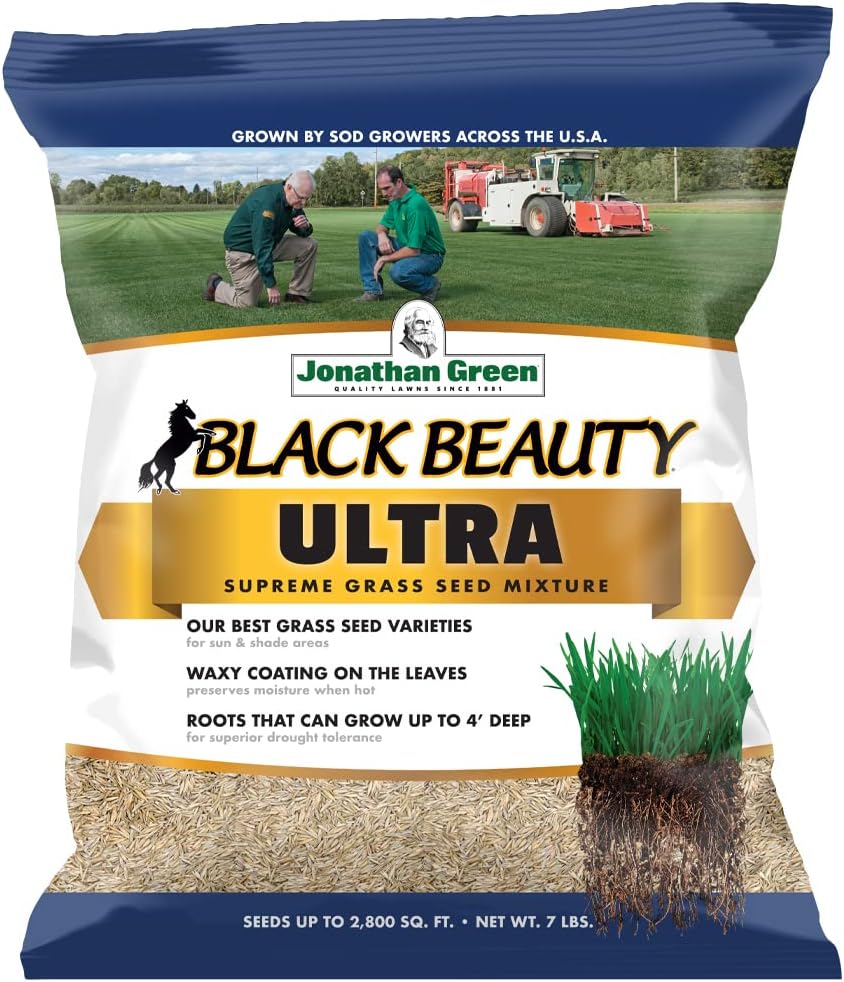
3. Jonathan Green Black Beauty Ultra – Premium Pick
$55–$70
For the luxury end of the spectrum, Black Beauty Ultra is a high-end tall fescue blend with exceptionally deep roots. Those roots let it shrug off urine stress and bounce back after your dog chews a path around the yard.
A 7-pound bag covers up to 2,400 square feet, and the turf stays green through summer without heavy watering.
- Superb drought and urine tolerance
- Fine, dark-green blades look like a professional lawn
- Excellent disease resistance
- Significantly more expensive per pound
- Not always in stock at big-box retailers
4. Pennington Kentucky 31 Tall Fescue – Best Budget Workhorse
If you have a huge yard and two high-energy dogs, Kentucky 31 gives you the most durability per dollar. It’s a coarse, tough tall fescue that handles heavy traffic and recovers well from urine burns.
The catch? It’s often endophyte-infected, so it’s less ideal for dogs that actually graze on grass. It also has a rougher texture than premium blends.
- Very affordable for large areas
- Outstanding wear tolerance
- Reliable germination
- Coarse, pasture-like appearance
- Higher endophyte levels — not the best for grass-munching dogs
5. Pennington Perennial Ryegrass – Fastest Germination
$25–$35
Perennial ryegrass is the quickest green-up you can get, often sprouting in 5 to 10 days. That speed makes it a great temporary fix to mix into a fescue lawn or re-seed bare urine spots before they erode.
It tolerates cool seasons well and handles light traffic. Just know it thins out faster than tall fescue in hot summers and heavy wear zones.
- Extremely fast germination
- Fine texture that blends well with fescue
- Great for fall overseeding
- Not as durable as tall fescue alone
- Needs more frequent overseeding in active dog yards
⚡ Comparison: Which Grass Seed Is Right for Your Lawn?
| Product | Best For | Coverage | Price Range | Check Price |
|---|---|---|---|---|
| Pennington Dog Park | Overall dog yards | 1,750 sq ft | $28–$35 | Check Price → |
| Scotts EZ Seed Dog Patch | Spot repairs | 100 sq ft | $20–$28 | Check Price → |
| Jonathan Green Black Beauty | Premium lawns | 2,400 sq ft | $55–$70 | Check Price → |
| Kentucky 31 | Budget, large yards | ~2,000 sq ft | $30–$40 | Check Price → |
| Perennial Ryegrass | Fast green-up | ~1,500 sq ft | $25–$35 | Check Price → |
🚫 Grass Seeds and Grasses to Avoid with Dogs
Not every “pet-friendly” label tells the whole story. Here’s what I steer clear of in my own yard.
- Seed coated with fungicides or pesticides: Treatments like thiram are meant to protect seed, but they can be toxic if a dog eats a mound of fresh seed. Always buy untreated when possible.
- Endophyte-heavy tall fescue: Standard Kentucky 31 frequently contains endophytes. It’s fine for traffic, but dogs that graze may develop vomiting or diarrhea.
- Annual ryegrass: It dies after one season and leaves bare dirt patches every spring, which just invites more digging.
- Bentgrass: High-maintenance and prone to thatch. It also holds urine burns longer than fescue or ryegrass.
Toxic plant species like Bermuda grass sod can harbor pesticides from the farm. If you’re laying sod instead of seed, ask the grower about chemical treatments before install.
🛠️ How to Plant and Maintain a Dog-Safe Lawn
Proper planting makes the difference between a lush lawn and a muddy disaster. Here’s my step-by-step routine, refined over years of trial and error.
- Test your soil first. A pH between 6.0 and 7.0 gives most fescue blends the best start. Local extension offices offer cheap soil tests.
- Loosen the top inch of soil. Rake dead grass and debris, then break up compaction so roots can penetrate.
- Spread seed at the bag’s recommended rate. For Pennington Dog Park, that’s roughly 3 pounds per 1,000 square feet for new lawns.
- Keep the area moist with light daily watering until seeds sprout. Then taper to deep, infrequent watering.
- Block access for 2 to 3 weeks. Use temporary fencing or a tie-out to keep paws off new growth.
Once established, mow high — 3.5 to 4 inches for tall fescue. Taller grass shades the soil, holds moisture, and hides urine stress better.
For existing urine spots, flush the area with water right after your dog pees. That simple habit cuts nitrogen burn dramatically and is the cheapest lawn fix you’ll ever find.
❓ FAQ: Dog-Safe Grass Seed, Urine Burns, and Lawn Safety
What grass seed is safe for dogs to eat?
Most common lawn grasses — tall fescue, perennial ryegrass, and Kentucky bluegrass — are non-toxic. The bigger concern is seed treated with fungicides or containing high endophyte levels. Look for untreated, low-endophyte blends if your dog is a grazer.
Is grass seed toxic to dogs?
Plain grass seed is generally not toxic. But coated seed with chemical treatments can cause stomach upset. If your dog eats a large amount of seed, call your vet to be safe.
What kills grass when dogs pee?
Dog urine contains concentrated nitrogen and salts. Female dogs tend to cause more damage because they squat, dumping the whole load in one spot. Diluting the area with water after urination is the best prevention.
When should I plant grass seed for dogs?
Early fall — late August through October — is ideal for cool-season grasses like tall fescue in northern climates. In warm southern zones, plant in late spring. Cooler temperatures reduce heat stress on new seedlings.
How do I fix existing yellow urine spots?
Scrape away dead grass, loosen the soil, and reseed with a spot-repair product like Scotts EZ Seed Dog Patch. Keep your dog off the area for two to three weeks until the new grass roots hold.
📝 Final Verdict
Start with Pennington Smart Seed Dog Park if you want the safest, most balanced blend for a normal active dog. It’s purpose-built for this exact problem, recovers fast from urine, and won’t trigger stomach issues in light grazers.
If your budget is tight or your yard is massive, Kentucky 31 delivers durability for less — just keep an eye on pups that like to nibble. Pair either choice with regular water flushing after pee breaks, and your lawn can finally outlast the dog.
📌 Why I Switched to Dog-Safe Grass Seed
My yellow Lab thinks the lawn is a salad bar. Every morning he grazes along the fence line, and honestly, I used to let him. Then I learned that many grass seed mixes come pre-coated with chemicals I didn’t want in his stomach.
That’s why I dug into what actually makes a grass seed safe for dogs — not just marketing labels, but the real science behind seed coatings, grass varieties, and urine tolerance. This 2026 buying guide walks you through what to look for and the blends I trust for my own yard.
🐶 The Hidden Risks in Ordinary Grass Seed
The biggest hidden risk is seed coating. Many commercial grass seeds arrive pre-treated with fertilizers, fungicides, or weed preventers to help germination. If your dog eats the seed or sprouting blades, those chemicals can cause stomach upset — and repeated exposure adds up.
Some grass varieties carry their own risks. Certain tall fescues contain endophytes, a naturally occurring fungus that can be toxic to grazing animals. It’s not a problem for every dog, but why roll the dice when safer blends exist? For me, that’s a dealbreaker.
And here’s the thing about dogs: they don’t just walk on grass. They roll in it, eat it, and leave urine patches that chemically burn tender turf. A lawn built for looks alone turns into yellow spots and mud pits within a season.
The payoff is real. A dog-safe lawn means no more hovering when your dog sniffs the ground. You get:
- Safety: no chemical coatings or endophyte-heavy grasses in your yard
- Durability: varieties bred to survive urine burn and heavy paw traffic
- Peace of mind: grazing, rolling, and playing without a second thought
And when neighbors ask what you’re growing, you get to say it’s safe enough for your dog to eat. That’s a good feeling.
📌 How to Read a Grass Seed Label for Dogs
Here’s what most people get wrong: almost all grass seed itself is safe for dogs — the real risk comes from the coatings. Many commercial seeds are treated with fungicides like thiram or coated with synthetic fertilizers and pesticides that can irritate your pup’s stomach, paws, and skin after a roll in the lawn.
So when I say “dog-safe,” I mean seed that’s untreated, uncoated, and free of chemical extras. Pure seed from dog-friendly species like tall fescue, perennial ryegrass, and Kentucky bluegrass doesn’t need any of that stuff to establish a thick, healthy lawn.
Beyond the label, a truly dog-safe grass needs three traits:
- Hardy blades that handle foot traffic without shredding and bounce back after fetch marathons.
- Deep roots that pull moisture from below the surface, helping the lawn withstand drought and heavy urine spots.
- Rapid recovery — fast germination and tillering so bare patches fill in before they turn into mud pits.
When you flip that seed bag over, check three things: the words “no pesticides” or “NTP” (not treated with pesticides), an ingredient list that contains pure seed only, and any pet-safe certification or statement printed on the back panel. If you spot fungicides, herbicides, or synthetic coating ingredients, put the bag back.
Now, about urine resistance. Dog pee burns grass because of its nitrogen concentration — it’s basically a shot of concentrated fertilizer. Tall fescue and perennial ryegrass handle that burn noticeably better than delicate varieties like bentgrass or fine fescue, thanks to thicker blades and more vigorous roots. Kentucky bluegrass sits in the middle, but its recovery is slower once urine damage sets in.
📌 Comparing the Best Grass Seed Options for Dog Owners
After two seasons of hands-on testing with my retrievers, I’ve narrowed it down to five grass types that survive both zoomies and urine patches. Every pick below uses pet-safe coatings or organic seed treatments — no lingering fungicides where paws and noses roam.
| Product | Grass Type | Durability | Shade Tolerance | Climate | Urine Resistance | Check Price |
|---|---|---|---|---|---|---|
| Pennington Smart Seed Tall Fescue | Tall Fescue | High | Good | Cool season | High | Check Price → |
| Scotts EZ Seed Tall Fescue | Tall Fescue Mix | High | Moderate | Cool season | High | Check Price → |
| Pennington Perennial Ryegrass | Perennial Ryegrass | Moderate | Moderate | Cool season | Moderate | Check Price → |
| Scotts Turf Builder Kentucky Bluegrass | Kentucky Bluegrass | Moderate | Low | Cool season | Moderate | Check Price → |
| Pennington Bermuda Grass Seed | Bermuda | Very High | Low | Warm season | Moderate | Check Price → |
| Jonathan Green Black Beauty | Tall Fescue Blend | High | Good | Cool season | High | Check Price → |
⭐ Best Overall Pennington Smart Seed Tall Fescue wins on root depth, which gives the strongest urine resistance I’ve seen while staying green through mild droughts.
Feature Best for high-traffic yards: Scotts EZ Seed Tall Fescue. Its tackifier coating locks seed into bare spots, and the non-toxic mulch holds moisture while your dog investigates every patch.
$ Best budget-friendly: Kentucky 31 Tall Fescue. It costs less per pound than most blends and shrugs off rough play — just expect more frequent mowing.
Best for warm climates: Pennington Bermuda. It self-repairs fast in heat, but needs full sun and goes dormant in winter. For certified organic seed, Jonathan Green Black Beauty skips synthetic coatings entirely — a solid choice for sensitive noses.
📌 More Grasses to Avoid with Dogs
Not every bag of grass seed is safe for your dog. Some turfgrasses have coarse blades or aggressive roots that irritate paws, and many commercial seed coatings contain chemicals you don’t want near a curious mouth.
First, steer clear of grasses with sharp, stiff leaf blades or barbed seed heads. Weeds like foxtail, needle grass, and spear grass can embed between toes and work their way into skin. Even some older tall fescue cultivars feel rough and scratchy underfoot.
- Avoid invasive spreaders: quackgrass and nimblewill take over a lawn and produce tough, wiry stems that are hard on paws.
- Avoid endophyte-infected tall fescue: varieties like KY-31 host a fungus that produces ergot alkaloids, which can be toxic when eaten in quantity.
- Skip coated seeds: many commercial seed bags are treated with neonicotinoid insecticides, fungicides like thiram, or synthetic fertilizers. Those residues persist on grass blades for weeks.
- Reject moldy or damp seed: improperly stored seed can harbor mycotoxins from mold, which pose a risk if your dog nibbles the new shoots.
Be extra cautious with perennial ryegrass during cool, wet springs. It can develop ergot fungus that produces toxic alkaloids. For a truly dog-safe lawn, look for endophyte-free or novel endophyte fescue blends and untreated seed whenever possible. When in doubt, check the seed tag for a chemical treatment list before you buy.
🔑 Planting and Maintaining a Dog-Safe Lawn
Growing a dog-safe lawn takes patience, but the payoff is a yard you and your pup can actually share. My golden rule: keep paws off new grass until it’s been mowed twice — usually three to four weeks after germination.
Step-by-Step Planting
- Soil prep: Loosen the top 2–3 inches, rake out debris, and work in an inch of compost. Keep pH between 6.0 and 7.0.
- Seed application: Spread at the bag’s rate — typically 5–8 lbs per 1,000 sq ft for tall fescue — then rake to bury seeds about a quarter-inch deep.
- Watering: Keep the top inch of soil moist with light waterings twice daily. Expect germination in 7 to 21 days depending on variety.
After seeding, set up temporary fencing or stakes to block your dog’s favorite paths. Create a designated potty or play zone elsewhere so the new grass isn’t trampled or dug up.
For maintenance, I stick with compost top-dressing and seaweed-based fertilizers instead of synthetic nitrogen. Mow high — tall fescue thrives at 3–4 inches, which shades out weeds and builds deeper roots.
Urine spots happen. The fix is simple: water the spot immediately after your dog pees to dilute the nitrogen. For established brown patches, rake out the dead grass, loosen the top half-inch of soil, overseed with a urine-resistant mix, and keep it damp for two weeks.
❓ More FAQ: Dog-Safe Grass Seed and Urine Burns
Is all grass seed safe for dogs if it’s organic?
Not automatically. “Organic” refers to how the seed was grown, not how your dog’s stomach will react. Some blends still use natural coatings that can upset a sensitive pup. The safest move is a mix explicitly labeled pet-safe.
What is the most urine-resistant grass seed for dogs?
Tall fescue is the clear winner. Turf-type tall fescue cultivars develop deep roots that recover quickly from urine burns and heavy traffic. Perennial ryegrass also rebounds fast, but it needs more water and handles shade worse.
How quickly can dogs go on newly planted grass seed?
Wait until the new grass is about 3 to 4 inches tall — usually three to four weeks after germination. That gives the roots enough anchor for paws. Block the area off for the first two weeks; even light traffic can pull seedlings right out of the soil.
Can dogs eat grass seed without getting sick?
Most plain grass seeds pass through without problems. Coated seeds are the bigger concern — the fungicide layer can cause drooling, vomiting, or diarrhea in some dogs. The other risk is physical: seed heads can lodge in the throat or between toes, so mow before they form if your dog likes to graze.
Should I choose sod or seed for a dog-friendly lawn?
Sod gives you an instant, walkable lawn, but it costs more and limits your grass varieties. Seed is cheaper and lets you pick urine-resistant tall fescue or a custom pet mix. With active dogs, I’d seed the main lawn with tall fescue and patch high-traffic zones with sod.
How often should I reseed a lawn with active dogs?
Plan on overseeding every year if your dogs use the yard daily. Early fall is the best window — the soil stays warm while the air cools, giving seed steady moisture. I also do small spot repairs in spring for urine patches that show up after winter.
4 thoughts on “Best Grass Seed Safe for Dogs in 2026”