You scatter seed, water it faithfully, and wait. Two weeks later, nothing but bare dirt staring back at you. I’ve been there — and after three failed reseeding attempts in my own backyard, I learned the hard way that grass seed germination temperature is the real culprit, not your watering schedule or the quality of your soil.
If the soil is too cold, seeds sit dormant. Too hot, they cook before they sprout. And when you also need a lawn that survives your dog’s daily zoomies, bathroom breaks, and digging habits, timing matters even more. This guide walks you through the exact soil temperatures for cool- and warm-season grasses, how to measure them, and which pet-safe seeds give you the best shot at a thick, resilient yard.
📌 Why Soil Temperature Matters for Grass Seed Germination
“`html
🔬 Why Soil Temperature Matters for Grass Seed Germination
Air temperature lies to you. The sun feels warm on your face, but the ground underneath can still be freezing — and your grass seed knows the difference.
Soil temperature is the true biological trigger for germination. It directly controls three critical processes:
- Enzyme activity: enzymes inside the seed only start converting stored energy into growth once the soil hits a species-specific temperature.
- Water uptake: cold soil slows moisture absorption, leaving seeds dormant or half-hydrated and vulnerable to rot.
- Root development: young roots grow fastest within a narrow thermal window, and stall completely outside of it.
Plant too early and your seed sits in cold, wet ground where it decays or gets attacked by fungi before it ever sprouts. Plant too late and heat stress can kill seedlings before their roots go deep enough to support them.
That’s why I never trust the calendar or the weather app alone. I grab a $10 soil thermometer, push it 3–4 inches down, and wait for the reading to land in the right range for my grass type. It takes 30 seconds and saves an entire bag of seed.
📌 Ideal Germination Temperatures for Cool-Season and Warm-Season Grasses
Here’s the short answer: cool-season grasses germinate best when soil sits at 50°F to 65°F (10°C to 18°C). Warm-season grasses need it noticeably warmer, around 70°F to 90°F (21°C to 32°C). Plant outside those windows and you’ll get patchy sprouting — or nothing at all.
Cool-season grasses like fescue, perennial ryegrass, and Kentucky bluegrass do their best work in early spring or fall. Ryegrass is the quickest, often emerging in 5 to 10 days. Kentucky bluegrass is the slow one, so give it up to 30 days before you panic.
Warm-season grasses such as Bermuda, zoysia, and St. Augustine want late spring or summer soil. Bermuda can pop in as little as 7 days once soil temps climb toward 90°F. Zoysia is more patient, typically taking 14 to 21 days even under perfect conditions.
| Grass Type | Common Varieties | Optimal Soil Temp | Germination Window |
|---|---|---|---|
| Cool-Season | Fescue, Ryegrass, Kentucky Bluegrass | 50°F – 65°F (10°C – 18°C) | 7 – 30 days |
| Warm-Season | Bermuda, Zoysia, St. Augustine | 70°F – 90°F (21°C – 32°C) | 7 – 21 days |
One tip I learned the hard way: measure soil temperature at 1 to 2 inches deep, not the surface. The top layer warms up faster and can fool you into seeding too early. Check it first thing in the morning for the most accurate reading.
🔑 How to Measure Soil Temperature in Your Yard
Measuring soil temperature is easier than you think. You don’t need a lab-grade instrument — a simple soil thermometer or an instant-read digital thermometer with a metal probe does the job perfectly.
- Insert the probe 2 inches deep into the soil. That’s the exact depth where grass seeds actually germinate.
- Wait 30 to 60 seconds until the reading stops moving. A stable number is what you’re after.
- Repeat in several spots: sunny areas, shady patches, and near the house foundation. Soil temps can vary by 5–10°F across a single yard.
For a budget option, a standard kitchen meat thermometer works fine. Just make sure the probe is long enough to reach 2 inches deep, and clean it between readings so you’re not dragging food residue into your lawn.
You can also check local soil temperature maps from your state’s agricultural extension service. Many publish daily readings for your region, which gives you a solid ballpark without ever stepping outside.
If your soil is still too cold in spring, you can speed things up. Rake away old debris so the sun reaches bare soil, water early in the morning (moist soil warms faster than dry dirt), and lay clear plastic mulch over cool spots for a week or two. It can raise soil temps by several degrees — just remove it before seeding.
🔍 Best Pet-Safe and Urine-Resistant Grass Seed Options
🌱 Best Pet-Safe and Urine-Resistant Grass Seed Options
After reseeding my backyard twice, I learned the hard way that not all grass survives dog urine. The winners share three traits: deep roots, fast recovery, and natural tolerance to nitrogen burn — the compound that causes those yellow spots.
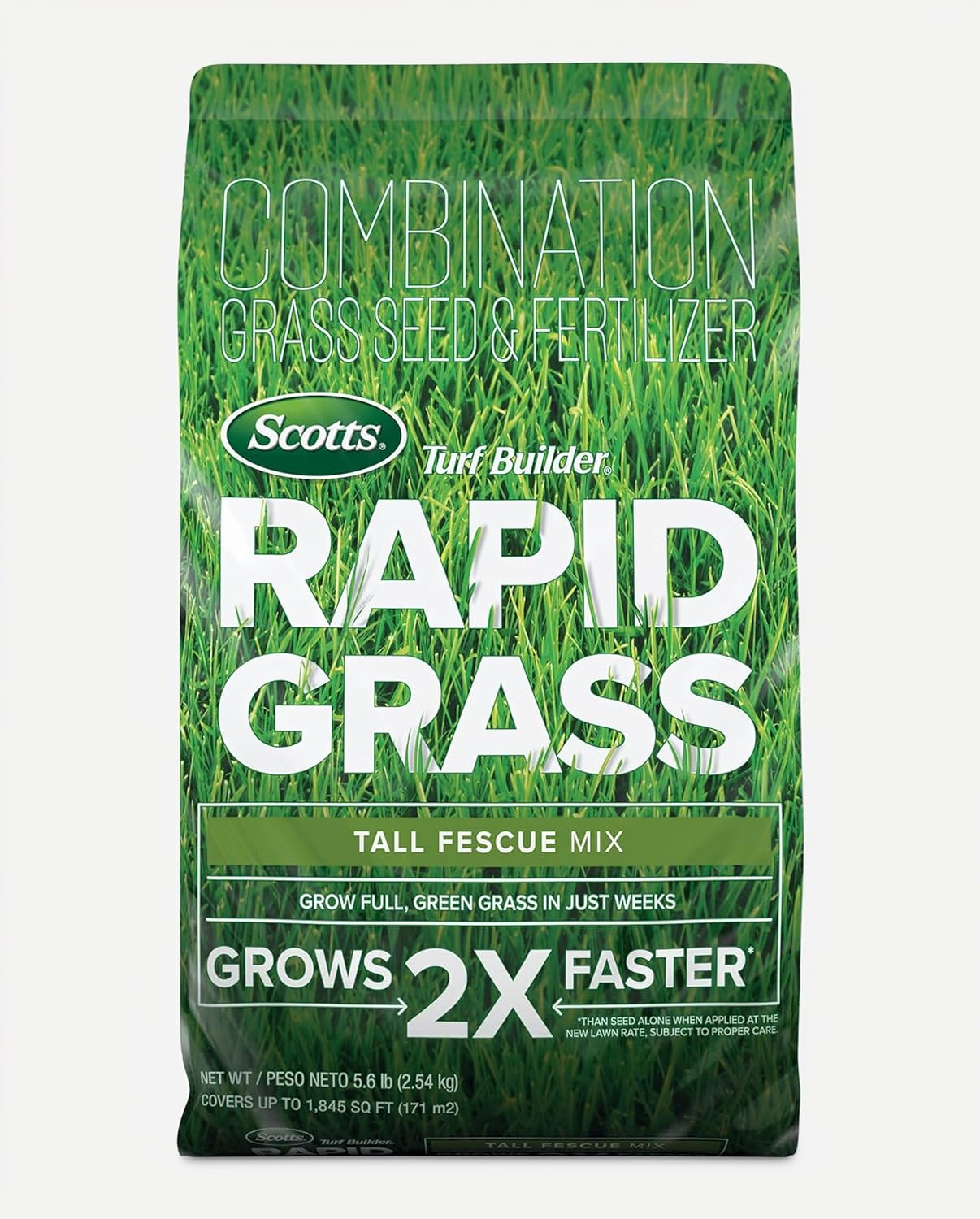
For cool-season lawns, turf-type tall fescue is my top pick. Its roots grow deep enough to stay below the concentrated urine zone, and it bounces back quickly from damage. Perennial ryegrass mixes are a solid second choice, especially when blended with fescue for denser coverage.
In warmer regions, improved Bermuda grass handles heavy pet traffic best. It spreads aggressively to repair worn patches. Zoysia also works, though it recovers more slowly and takes longer to establish.
When buying seed, look for mixes labeled “pet-safe” or “dog-friendly.” These typically avoid chemical coatings and fungicides that can irritate paws or upset a dog’s stomach.
| Grass Type | Best For | Recovery Speed | Check Price |
|---|---|---|---|
| Turf-type tall fescue | Cool-season yards | Fast | Check Price → |
| Perennial ryegrass | Cool-season blends | Very fast | Check Price → |
| Improved Bermuda | Warm-season yards | Fast | Check Price → |
| Zoysia | Warm-season, light traffic | Slow |
Before you seed, amend the soil with gypsum or lime. Gypsum helps flush excess nitrogen from urine, while lime neutralizes soil acidity — giving your new grass a fighting chance from day one.
📌 Step-by-Step Overseeding and Patch Repair for Dog Owners
You don’t need to tear up the whole yard to fix urine spots and worn-down paths. A solid overseed, done at the right soil temperature, can patch things up in a few weeks. Here’s the exact process I use on my own backyard.
Step 1: Remove dead grass and loosen the soil
Rake out the brown, dead material until you hit bare soil — especially where urine burn has left a crusty layer. Then loosen the top 1–2 inches with a garden rake or cultivator so new roots can push down easily.
Step 2: Level and amend the area
Smooth the surface so water doesn’t pool in low spots. Mix in a thin layer of compost or screened topsoil — about ¼ to ½ inch gives the seed a rich bed without burying it too deep.
Step 3: Apply seed and ensure seed-to-soil contact
Spread seed at the rate printed on the bag — typically 5 to 10 pounds per 1,000 square feet for overseeding. Rake lightly afterward so most seeds end up touching soil; that contact is what triggers germination.
Step 4: Protect seeded areas from your dog
Put up temporary fencing or bright flags to mark the patch as off-limits. A pet-safe deterrent spray around the edges helps for determined diggers.
Step 5: Water lightly and frequently
Keep the top inch of soil consistently moist with light waterings 2–3 times per day. Avoid heavy soakings that wash seeds into clumps — a gentle sprinkler setting is your friend here.
Step 6: Wait for the 3-inch mark
Hold off letting your dog back on the new grass until it reaches about 3 inches tall. Then reintroduce them gradually — a few minutes a day — so young roots don’t get ripped up by sudden traffic.
❓ FAQ
What is the best soil temperature for grass seed germination?
For cool-season grasses like tall fescue and Kentucky bluegrass, aim for soil temperatures between 50°F and 65°F. Warm-season grasses (Bermuda, zoysia) prefer warmer dirt at 65°F to 75°F. A simple soil thermometer gives you the real ground temperature — air temperature alone can mislead you by 10–15 degrees.
Can I plant grass seed in the summer with pets?
Yes, but it’s the hardest time of year. summer heat stresses seedlings, and your dog’s paws and urine add extra pressure. If you must plant, choose a heat-tolerant turf-type tall fescue and water lightly two to three times daily. Better yet, wait until late summer or early fall when soil temps drop into the ideal range.
How long does it take for grass seed to germinate in 70°F soil?
At a steady 70°F, most cool-season grasses sprout in 7 to 14 days. Perennial ryegrass is the fastest (5–10 days), while Kentucky bluegrass can take 14–21 days even at perfect temperatures. Keep the top inch of soil consistently moist — drying out even once can delay or kill the seedlings.
How do I repair dog urine spots on my lawn?
Start by rinsing the spot with water immediately after your dog pees to dilute the nitrogen. For existing burns, rake away dead grass, loosen the top quarter-inch of soil, and sprinkle a urine-resistant seed blend over the patch. Keep pets off the area for at least three weeks until the new grass is established.
Is there a grass seed that is safe if my dog eats it?
Most commercial grass seed is non-toxic to dogs, though coated seeds can cause mild stomach upset if eaten in bulk. Tall fescue, perennial ryegrass, and Bermuda grass are all safe choices. Check the label for fungicide or pesticide coatings — if your dog grazes, pick an uncoated organic blend.
Should I cover grass seed with straw or hay if I have pets?
Use straw, not hay — straw has fewer weed seeds. But with dogs, loose straw is a mess. They’ll dig in it, scatter it, and sometimes eat it. I recommend a seed-safe mulch blanket or a thin layer of compost instead. It stays put, holds moisture, and won’t tempt your pup to snack.
3 thoughts on “Grass Seed Germination Temperature: Best Soil Temperatures for a Pet-Friendly Lawn (2026 Guide)”