Crabgrass is the uninvited houseguest of the lawn world. It shows up in June, spreads like crazy by August, and leaves ugly bare patches behind when it dies off in fall. The frustrating part?
Most chemical weed killers that nuke crabgrass are exactly what you don’t want around a dog who rolls, sniffs, and licks everything in sight — which pushes more pet owners to learn how to remove crabgrass by hand.
The good news: it’s the one method that’s completely pet-safe, and it works when done right. Plus, hand-pulling gives you full control. No spray drift, no nervous vet visits, no keeping the dog off the grass for a week.
In this 2026 guide, I’ll cover exactly when to pull, how to get the whole root in one go, and the natural steps that keep crabgrass from coming back.
🌿 Why Hand Removal Is the Best Crabgrass Control for Pet Owners
Hand-pulling is the safest crabgrass control you can use on a lawn your pets actually live on. No sprays to dry, no granules to dissolve, no “keep off the grass for 72 hours” notes taped to the back door. You pull, you’re done, and your dog can resume zoomies immediately.
I get why people reach for chemicals first. Crabgrass is stubborn, and a spray feels like the quick fix. But most post-emergent herbicides come with re-entry restrictions that are a nightmare for pet owners — and many don’t even kill the crown, so the weed rebounds anyway.
Crabgrass is shallow-rooted. Unlike dandelions with their deep taproot, it anchors with a fibrous mass that sits right below the soil surface. That structure makes it one of the easiest weeds to pull cleanly when you know the trick.
Hand removal also has three clear wins for pet households:
- Zero chemical residue — your dog can walk, roll, and sniff the yard right after you finish.
- Precision — you remove only the weed, leaving the surrounding grass untouched.
- Low cost — a $10 weeder beats a $40 herbicide you’ll probably reapply anyway.
The honest downside is time. A badly infested lawn takes multiple sessions. But every plant you pull is permanently gone, while sprayed weeds often regrow from surviving roots within weeks.
⏰ When to Remove Crabgrass by Hand for Maximum Effectiveness
Timing decides whether your effort pays off. Crabgrass seeds germinate in spring once soil temperatures hold around 55°F (13°C) for several days, then the plants grow fast through summer. Pull them early, and you stop them before they set seed.
My rule: pull before the seed heads appear, usually by early summer. A single crabgrass plant can churn out thousands of seeds — each one a future weed. The moment you spot that telltale “finger” seed head branching from the stem, you’re racing the clock.
Time of day matters just as much. Pull after rain or a deep watering, when the soil softens and roots release with a gentle tug. In dry, compacted dirt, the stem snaps at the crown and regrows within a week. That’s wasted effort.
If you find crabgrass in late fall, don’t bother pulling the dying plants. They’re already dropping seed. Instead, put that energy into overseeding with a pet-friendly turf blend — you’ll crowd out next year’s crop before it starts.
🖐️ Step-by-Step: How to Hand-Pull Crabgrass Without Breaking It Off
Getting the full plant is the whole game. Crabgrass breaks off easily near the base, and leaving the crown behind guarantees a quick comeback. This is the method I use on my own lawn.
- Water the area an hour before. Soft soil turns a frustrating tug-of-war into a smooth, five-second pull.
- Loosen around the base. Insert a dandelion weeder or narrow trowel 2–3 inches down beside the plant and gently lever the soil open.
- Grip low and twist. Take hold right at the base, twist slightly, and pull straight up. Slow and steady beats sudden yanks.
- Inspect the roots. You want a full fan of fibrous roots attached. If the stem broke, dig out the crown — that thick knot where stems meet roots — or it regrows.
- Bag everything. Dropped plants re-root surprisingly fast. And if seed heads are present, seal them in a yard bag immediately; never toss them in the compost.
Work in short bursts. I do 20 minutes a session, then stand up and stretch. You’ll cover more ground with fresh hands and a clear head.
🛠️ The Best Tools for Hand-Pulling Crabgrass (And Keeping It Pet-Safe)
Bare hands work fine in loose, wet soil. Most of the time, though, a small tool is what separates a clean root extraction from a snapped-off stem.
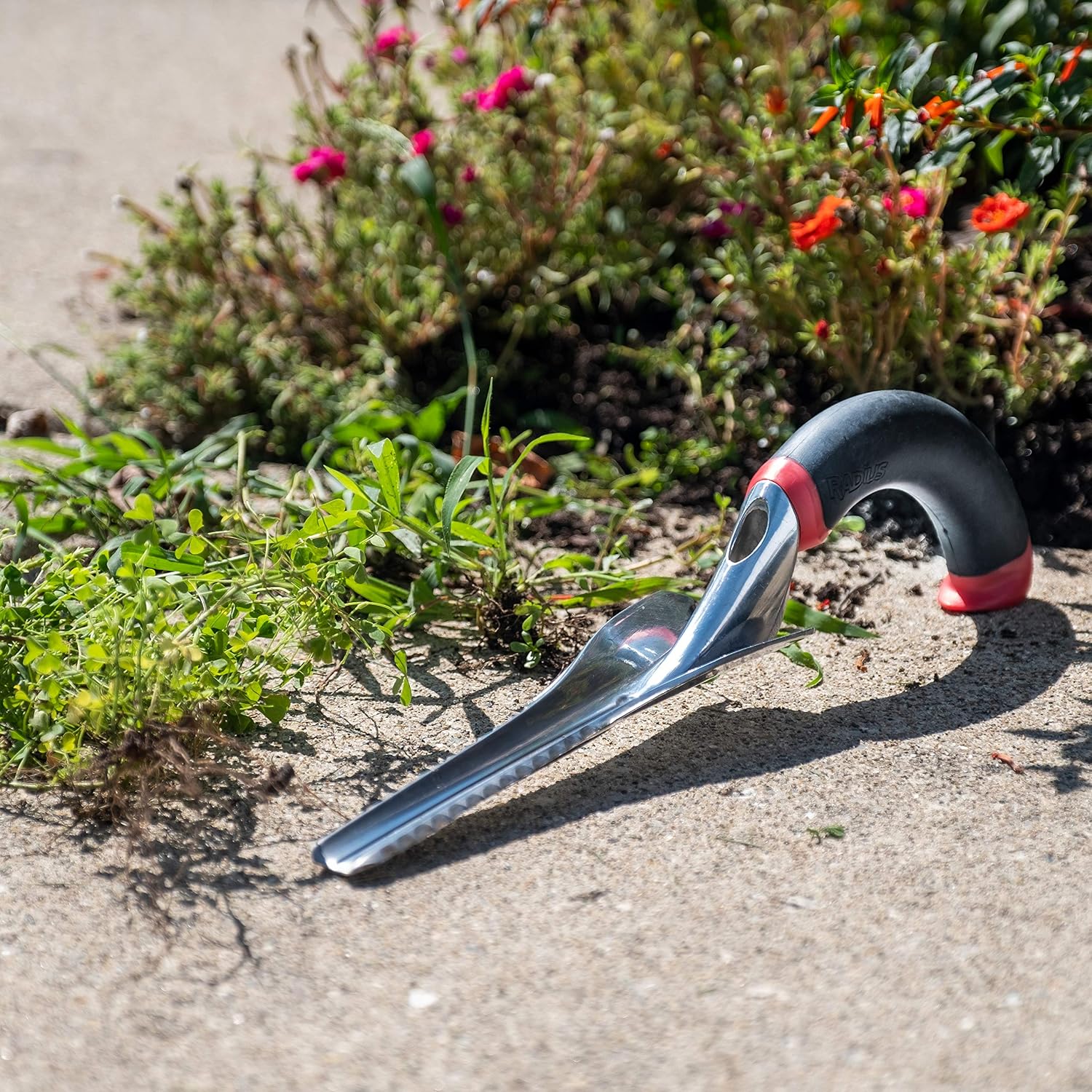
- Dandelion weeder (crevice tool) — the classic forked tool that slices down beside the crown and pops the root out. Expect to pay $8–$15.
- Stand-up weed puller — a long-handled claw that grips and extracts while you stay upright. A lifesaver if kneeling bothers your knees.
- Narrow trowel or garden knife — the budget option. Works well on young crabgrass in soft ground.
- Kneeling pad and gloves — not glamorous, but they keep you comfortable long enough to actually finish.
Pet-safety note: store your tools off the ground when you’re done. Dogs love chewing anything that smells like fresh soil, and weeders have sharp points. I keep mine in a sealed bucket on a shelf in the shed — out of sniffing range.
Also, never leave tools face-up in the grass, even for a quick break. A single stepping paw on a tine is a vet visit waiting to happen.
🌱 Natural Ways to Prevent Crabgrass From Returning After Removal
Pulling wins this season’s battle. Winning the war means making your lawn healthy enough that crabgrass never gets a foothold. Those seeds need three things: bare soil, sunlight, and warmth. Take any one away, and germination stalls.
- Mow high. Set the blade to 3–4 inches. Taller grass shades the soil, blocking the light crabgrass seeds need to sprout.
- Water deep and rarely. Frequent shallow watering is crabgrass’s best friend. Aim for about 1–1.5 inches per week, split into two early-morning sessions.
- Overseed in late summer or fall. Dense turf is the ultimate natural weed barrier. Perennial ryegrass and tall fescue both hold up well to dog traffic.
- Try corn gluten meal in early spring. It’s a natural pre-emergent that inhibits root formation in germinating crabgrass. Most brands recommend about 20 lbs per 1,000 sq ft, applied before soil temps hit 55°F. It’s generally safe for pets, though it smells a bit like stale cornmeal when damp.
One habit I swear by: patch bare spots the week they appear. Every empty patch is an invitation your crabgrass seeds will accept immediately.
🐕 Pet-Friendly Lawn Care Tips After Weeding
You’ve pulled the crabgrass, and now your lawn has bare patches to deal with. That’s post-weeding reality. The good news is that fixing them is straightforward, even with a dog who treats your yard like a racetrack.
- Patch bare spots right away. Loosen the soil, mix in a little compost, sow a pet-tolerant grass seed, and keep it moist for the first two weeks.
- Fence off seeded areas. Temporary stakes with string are enough. Give new seed about 3–4 weeks of undisturbed growth before letting dogs test it.
- Accept dog paths and plan around them. If your dog runs the same route daily, that line will stay bare. Lay mulch, use stepping stones, or just leave it as a natural path.
- Fertilize gently. Organic slow-release formulas are kinder to paws and safer if your dog nibbles grass. Always follow the label’s re-entry wait time.
Remember the best part of hand weeding: there’s no waiting after you finish. No chemical drying time, no restricted zones. Just put the tools away and let your dog reclaim the yard.
❓ FAQ: Hand-Removing Crabgrass Safely Around Pets
A few quick answers to the questions I hear most from pet owners tackling crabgrass.
- Is pulling crabgrass safe for my dog? Yes. Hand-pulling leaves zero residue in the soil or on the grass. The only real hazard is leaving sharp tools around afterward — store them out of reach, pointy end down.
- Can I use vinegar instead of pulling? Household vinegar will scorch leaves, but it rarely kills the roots, and it burns surrounding grass too. It’s messy, non-selective, and honestly less effective in the long run.
- Why does crabgrass keep coming back after I pull it? Either you left the root crown in the soil, or the ground is full of dormant seeds from years past. Consistent early-season pulling plus overseeding handles both.
- How often should I check for crabgrass? About every two weeks from mid-spring through late summer. Seeds germinate in waves, so short regular sessions beat one exhausting marathon pull.
📝 The Bottom Line
Hand removal is the right crabgrass control for pet owners who don’t want chemical compromises on their lawn. It takes a bit more effort than grabbing a spray bottle, but you’ll never worry about what your dog is licking, sniffing, or rolling in.
Start small: pull after watering, work in 20-minute sessions, and stay on a two-week schedule through summer. Pair that with mowing high, watering deep, and overseeding in fall, and most crabgrass problems shrink dramatically within a season or two.
Your dog gets a safe place to run, and you get a weed-free yard you fixed yourself. That’s a fair trade in my book.
🔍 Why Hand Removal Is the Best Crabgrass Control for Pet Owners
Crabgrass is every lawn’s worst enemy. It spreads fast, chokes out your good turf, and thrives in the same hot, dry conditions that stress your grass. But here’s what most lawn guides won’t tell you: the standard chemical fix carries real risks when you share your yard with a curious dog or cat.
Most commercial crabgrass killers rely on active ingredients like quinclorac or dithiopyr. Those herbicides don’t just vanish after spraying — they can linger on grass blades and soak into the soil. Pets walking through a treated lawn can absorb residues through their paws, and the “keep pets off the grass” label warnings tell you everything you need to know.
Hand removal eliminates that worry entirely. No spray drift, no lingering granules, no waiting period. You pull the weed, toss it in the bin, and your dog can immediately get back to rolling in the exact spot you just cleared.
The benefits go beyond pet safety, too. Pulling crabgrass by hand — especially the crown and root system — relieves the competition for water and nutrients your good grass needs. The bare patches you create are prime spots for overseeding with a pet-friendly blend, so you’re not just removing a problem; you’re rebuilding a healthier lawn.
Because crabgrass is an annual, removing plants before they set seed breaks the cycle for next year. Each spring brings fewer weeds, and mechanical removal means no toxic runoff ending up in puddles, garden beds, or your pet’s favorite play areas.
📌 When to Remove Crabgrass by Hand for Maximum Effectiveness
Timing makes hand removal drastically easier. Early summer is your golden window, before those telltale crab-leg seed heads form. Once crabgrass drops seed, you’re not just fighting this year’s weeds — you’re guaranteeing a fresh crop next spring.
Moisture is your second advantage. Pull after a good rain or a deep watering while the soil is soft and loose. You’ll lift the entire fibrous root system out in one smooth tug, instead of snapping the top and letting the plant regrow from the crown.
Learning to identify crabgrass early keeps removal easy. Young plants look like low, lighter-green clumps with wide blades radiating from a central crown. By mid-summer, mature plants push up thick seed stalks that fan out like crab legs. The roots are shallow but fibrous — a dense web that grips the soil. Pull slowly and firmly so the whole root mass comes up intact, not just the leaves.
Consistency beats intensity here. Schedule a weekly 15–20 minute hand-pulling session during peak germination from late spring through summer. Crabgrass sprouts in waves, so one big cleanup won’t keep it gone. Frequent light sessions keep your yard clean, your back happy, and the job small enough that you’ll actually stick with it.
🔑 Step-by-Step: How to Hand-Pull Crabgrass Without Breaking It Off
Moisture is your best friend here. Water the area thoroughly the evening before, or soak it for 15–20 minutes before you start. Damp soil releases roots far more easily than dry, hard ground — you’ll feel the clump come up like a loose tooth instead of snapping off underground.
Loosen the base with a hand fork or weeding tool first. Push it in a few inches deep at an angle around the clump, then gently pry upward. This opens the soil so you can get the whole root mass out in one piece.
- Grip the crown low — right where the stems meet the soil, not up top near the seed heads.
- Pull slowly and steadily, angling backward as you go. Keep constant tension until the roots slide free.
- Resist the urge to jerk. A quick yank breaks the stems almost every time, leaving the roots behind to resprout.
Bag every clump you pull, and don’t compost crabgrass. The seed heads can survive a typical backyard compost pile and spread weeds all over your garden next season. Toss it in yard waste instead.
Once the patch is clear, tamp the bare soil down with your foot or the back of a rake. Loose, fluffy soil invites new weeds, and an uneven surface makes it harder for grass seed to establish later if you plan to overseed.
If roots break off mid-pull, dig them out with a narrow weeding knife. Leaving fragments behind usually means a second crabgrass plant in a few weeks. For large patches, work in a grid pattern so you don’t miss spots.
Along lawn edges and fence lines, keep the same low-grip technique but pull toward the center of the grass — that way you don’t tear up your lawn’s border in the process.
🔍 The Best Tools for Hand-Pulling Crabgrass (And Keeping It Pet-Safe)
You don’t need chemicals or heavy machinery to win this fight. A few well-chosen hand tools pull crabgrass faster — and keep your yard 100% dog-safe.
Must-Have Manual Tools
- Weeding knife — A hooked blade (the hori-hori style) slides along the root to lever it out in one piece.
- Dandelion digger — The forked tip reaches deep to pop taproots loose. Great for young crabgrass plants.
- Ergonomic stand-up puller — Grips the whole clump and uses a foot pedal for leverage, so you never bend over.
For knee-friendly work, grab a waterproof kneeling pad and a pair of puncture-resistant garden gloves. Trust me — bare-handed pulling shreds your palms fast.
Pet safety matters most after you finish. Never leave tools with exposed blades lying in the grass; your dog’s paws will find them. Clean your tools with plain water and a stiff brush — no chemical solvents — then store them off the ground in a shed or tall bucket.
You’ll find pet-safe weeding tools at most garden centers and on Amazon. Look for stainless steel blades, wooden or composite handles, and designs that lock closed when stored. Brands like Zenport and Radius Garden make solid options that last for years.
📌 Natural Ways to Prevent Crabgrass From Returning After Removal
Pulling crabgrass is only half the job. Those seeds can stay viable in your soil for years, just waiting for a bare spot and a little sunlight. To keep them from sprouting again, you need to change the conditions — and you can do it without a single synthetic chemical.
Overseed every fall. Thick, healthy grass is your best natural defense against crabgrass. In early fall, overseed thin areas with a grass type suited to your region, using roughly 3–4 pounds of seed per 1,000 square feet. Dense turf shades the soil and crowds out crabgrass seedlings before they ever get a foothold.
Raise your mower deck. Keep your lawn at 2.5–3 inches tall. Taller grass shades the soil surface, keeps it cooler, and blocks the light crabgrass seeds need to germinate. Water deeply and less often — about 1 inch per week — so your grass grows deep roots instead of weak, shallow ones.
Try corn gluten meal. This natural pre-emergent stops crabgrass seeds from germinating and fits fine into a pet-safe routine. Apply it in early spring, around 20 pounds per 1,000 square feet, before soil temperatures hit 55°F. Keep the bag sealed tight — some dogs think the dry meal smells like a snack until it’s watered in.
Fix the soil itself. Aerate compacted lawns each fall and top-dress with a quarter to half inch of compost. Healthier soil grows a thicker lawn that recovers fast, leaving no bare patches for crabgrass to invade next season.
📌 Pet-Friendly Lawn Care Tips After Weeding
Once the crabgrass is pulled, you’ll likely see bare patches where those thick clumps were. Leaving them open is practically an invitation for the next round of weeds. Fill them right away with a pet-safe grass seed blend suited to your climate and sun exposure. Top with a thin layer of straw or weed-free mulch to hold moisture and keep birds from snacking on the seed.
Keep your dog off freshly reseeded areas until the new grass reaches about 3 inches tall. That typically takes 2 to 4 weeks, depending on the variety and season. I know it’s tough — my own pup thinks fresh soil is a perfect digging spot. Use temporary fencing, stakes with string, or simply leash-walk on the other side of the yard for a few weeks.
For top dressings, stick with compost or organic materials rather than synthetic fertilizers. Weed-and-feed products often contain ingredients that can irritate paws or cause stomach upset if licked. If you do fertilize, choose an organic, pet-safe option and water it in thoroughly before letting your dog back on the lawn.
After hand-pulling, take a lap around the yard and inspect for other hazards. Crabgrass roots can leave small divots that are easy to trip on, and you might have unearthed a sprinkler head or sharp stone in the process.
When you’re done, rinse your dog’s paws with plain water — especially between the toes — to remove any soil, sap, or weed residue from yard time. A quick paw wash protects both your floors and your pup’s skin.
❓ FAQ: Hand-Removing Crabgrass Safely Around Pets
Does hand-pulling crabgrass really work, or does it always grow back?
Yes, it works — if you pull before seed heads form. Crabgrass is an annual, so each plant dies on its own in winter. The real enemy is the seeds it drops. Remove plants early, and you’re also clearing out next year’s problem.
What is the best time of day to pull crabgrass?
Early morning, right after rain or a deep watering. Moist soil loosens the roots, so the whole plant slides out cleanly. In midday heat, dry soil makes stems snap off at the crown — and then the crabgrass regrows within days.
Can I use any natural herbicide after hand-removing crabgrass that is safe for pets?
Horticultural vinegar (20% acetic acid) works as a spot treatment for missed seedlings and isn’t toxic to pets once dry — though it’ll brown any grass it touches. For prevention, apply corn gluten meal in early spring to stop new seeds from germinating.
How do I know if I got the whole crabgrass root?
You’ll feel resistance, then a slight pop as the crown releases. A complete pull brings up a clump of soil with fibrous roots attached. Look for the pale, thickened crown at the stem base — leave that behind, and it’ll regrow within days.
Is it okay to let my dog walk on the lawn after I pull crabgrass?
Yes, since you’re not using chemicals. Just wait a day or two so the exposed roots dry out — this keeps your dog from compacting the loose soil or tracking mud inside. Fill any holes with fresh soil if they like to dig at fresh spots.
How often should I check for and remove new crabgrass plants?
Once a week from late spring through summer. Crabgrass germinates in waves, so one pass never catches everything. Pull young plants at the 2–3 leaf stage — that’s when they’re easiest to remove and haven’t had time to set seed.
1 thought on “How to Remove Crabgrass by Hand: A Pet-Safe Lawn Guide (2026)”