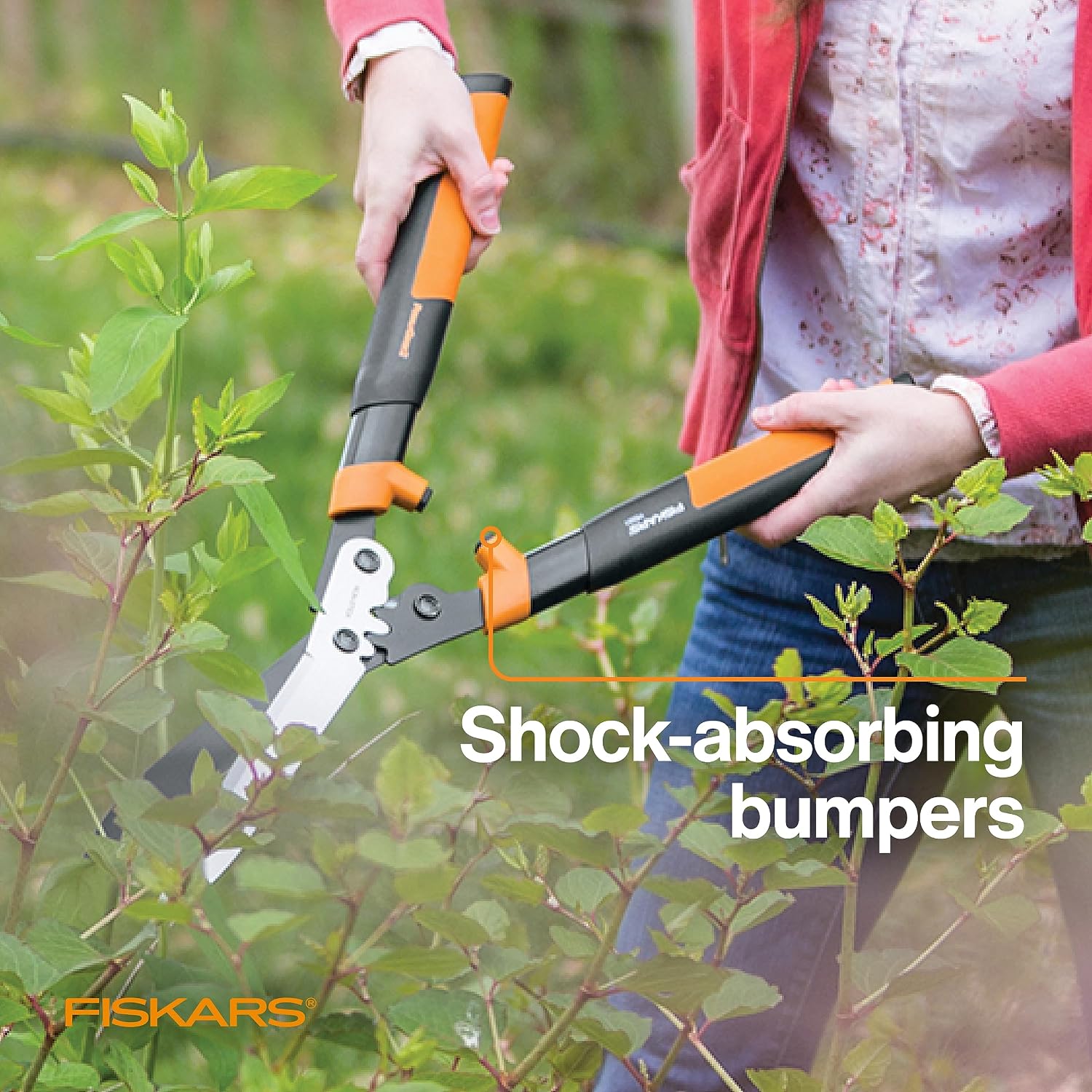
The best grass shears for lawn edges do more than tidy up walkways — they keep your yard safe for curious dogs and cats. A string trimmer can fling debris or clip a paw, but sharp, controlled shears make crisp borders without the chaos. Those flimsy kitchen-style snips won’t cut it when you have overgrown fescue and a dog that patrols the fence line.
I’ve spent years testing hand, cordless, and electric models in my own pet-heavy lawn. The right pair saves your back, protects your pets, and gives edges that look professionally cut. I look for blades that stay sharp near roots and handles that keep your fingers away from the cutting path. Here are my top picks and what actually matters for 2026.
📌 Why Crisp Lawn Edges Need Specialized Grass Shears
String trimmers are fast, but they’re messy where lawn meets flower beds, fences, and pet play areas. The spinning line can whip soil and mulch into nearby plants, and it often throws tiny debris toward anything close by — including a curious dog. I’ve had to redirect my own border collie more than once while running a gas trimmer around our beds.
Dedicated edging shears solve a different problem than regular grass clippers. Standard clippers cut horizontally and work fine for broad passes, but they make you tilt your wrist to follow a vertical edge. Edging shears have angled or offset blades that cut cleanly along sidewalks, curbs, and bed borders. That geometry helps you follow the line without scalping soil or leaving ragged tufts behind.
Noise matters too, especially in pet-friendly yards. Manual and cordless grass shears produce a fraction of the sound of a two-stroke string trimmer. For dogs or cats that startle at loud engines, the lower noise may reduce stress during yard work. Even if you don’t have pets, the quieter operation is easier on your ears and your neighbors.
🔍 Top Picks for the Best Grass Shears for Lawn Edges in 2026
The right pair of grass shears depends on how much edging you do and whether your dog or cat hangs out nearby. I tested several popular models on fescue edges, curved garden beds, and fence lines. Here are four picks that stood out for precision, battery life, or quiet operation around pets.
1. WORX WG801 20V Power Share 2-in-1 Grass Shear/Shrubber – Best Overall Cordless
This cordless shear gives you a 4-inch cutting width and a tool-free switch from grass shear to shrubber. It runs on Worx’s Power Share 20V batteries, so if you already own other Worx tools, you can swap batteries. The bare tool keeps the price low, but you’ll usually need to add a battery and charger.
- Lightweight and easy to control along edges
- Shares batteries with other 20V Worx tools
- Clean, precise cuts on fescue and fine grass
- Battery and charger often sold separately
- Struggles with thick, overgrown stems
2. Fiskars 360° Swivel Soft Touch Grass Shears – Best Manual for Quiet Pet Areas
No motor, no battery, no noise. The blades rotate 360 degrees, so you can follow curved edges without twisting your wrist. That makes it my go-to when trimming around a nervous dog or a sleeping cat.
- Completely quiet — won’t startle pets
- Lightweight at under one pound
- Soft-grip handles reduce hand fatigue
- Not ideal for large lawns or long sessions
- Needs occasional blade oiling
3. DEWALT 20V MAX 8 in. Cordless Grass Shear – Best Electric for Large Lawns
If you edge frequently and have long fence lines, this wider 8-inch cut saves real time. The bare tool works with DeWalt 20V MAX batteries, which most users already own. It’s heavier than manual shears, but the balance is good.
- Wider blade covers more ground per pass
- Runs on common DeWalt 20V batteries
- Durable metal gear case
- Pricier if you need a battery and charger
- Heavier than a manual pair
4. Fiskars 9210 Long-Handle Swivel Grass Shears – Budget Pick
You get a swivel head and long handles that save your back, all under thirty bucks. It’s manual, quiet, and safe to use around pets. The plastic components feel less premium, but for occasional edging, it’s hard to beat the value.
- Low price with swivel comfort
- Long handle reduces bending
- Quiet and pet-safe
- Plastic parts may not last for heavy use
- Blades need regular cleaning
🔍 Manual vs. Cordless vs. Electric Grass Shears: Which Is Best for Pet Owners?
For pet owners, noise level and cord clutter matter just as much as cutting power. A spooked dog or a curious cat can turn a simple trimming session into a stressful chase.
Manual shears are nearly silent, but they take more wrist effort on long borders. Cordless shears offer a strong middle ground. Electric shears have the most power, but a trailing cord can become a real tripping hazard when your pup runs through the yard.
| Type | Power Source | Noise | Weight | Price Range | Best Use Case | Check Price |
|---|---|---|---|---|---|---|
| Manual (Fiskars Swivel Soft Touch) | Hand-powered | Near-silent | Under 1 lb | $15–$25 | Small touch-ups with nervous pets nearby | Check Price → |
| Cordless (Sun Joe HJ604C) | Rechargeable battery | Low hum | Around 1.5 lbs | $35–$50 | Lawn edges and small hedges, pets playing in the yard | Check Price → |
| Electric (BLACK+DECKER Electric Grass Shear) | Corded outlet | Louder motor whine | Around 2 lbs | $25–$40 | Larger trimming jobs, but cord creates a tripping risk | Check Price → |
My rule for pet-friendly yards: start with cordless. You get enough power for clean lawn edges without dragging a cable through a zoomie path. Manual shears are the safest if your dog is sound-sensitive, but they’re slower on large borders.
📌 Key Features to Look for in Pet-Safe Lawn Edge Shears
Pet-safe lawn edge shears come down to three things: control, noise, and blade protection. A wobbly grip or a blade that snaps shut when you set it down can turn a quick edging job into a vet visit.
Before you buy, check each of these details:
- Blade guard and safety lock. Look for a lock that stops the blades from moving in your bag and a blade cover you can replace while the battery is still connected. This matters most if your dog follows you around the yard or sniffs your tools.
- Non-slip grips and lightweight body. Choose a tool under about 2 lb with a rubberized handle. You’ll keep better control on damp grass, and your wrist won’t tire halfway through a long fence line.
- Low-decibel cordless operation. Models rated around 55–65 dB are noticeably quieter and less likely to make pets bolt. Battery-powered shears also remove the cord trip hazard that can startle or injure a curious dog.
- Sharp, rust-resistant blades. Stainless steel or carbon steel blades hold an edge longer. Clean cuts heal faster and leave less ragged grass for pets to chew on.
A blade that tears rather than cuts leaves frayed tips that brown quickly. I’d rather pay a little more for a model with replaceable hardened-steel blades than save $10 and snag grass all season.
🔑 How to Trim Lawn Edges Neatly Without Harming Pets
Edging with pets around is mostly about controlling the environment, not the tool. I always bring my dog inside or close the gate to a separate yard section before I even unplug or charge the shears. A curious nose or wagging tail near a moving blade is not a risk worth taking.
Next, do a quick sweep of the lawn edge itself. Pick up bones, balls, rope toys, and any pet waste. Nothing ruins a clean edge faster than hitting a buried toy or smearing waste into the grass line.
- Keep pets out of the work zone. Use a baby gate, closed door, or fenced side yard.
- Walk the edge line first. Remove toys, chews, and stool with a bag.
- Position your body between the shears and any pet. If a pet does slip outside, stop the blades immediately.
- Use the blade shield or guard near fences, posts, and landscape edging. It reduces the chance of nicking a paw or tail that darts in.
- Wipe blades after each session. Grass sap and dirt hold moisture, which leads to rust and can transfer bacteria to paws or paws-to-mouth licking.
A quick wipe with a dry cloth or a light spray of food-grade mineral oil keeps the cutting edge smooth and less likely to grab fur or skin. If your yard has a known dig spot or a favourite sunbathing patch near the edge, re-check that area right before trimming.
🔍 FAQ: Best Grass Shears for Lawn Edges
Are manual or cordless grass shears better for lawn edges?
For tight curves around beds and pavers, I grab manual shears like the Fiskars PowerGear2 Grass Shears. They’re quiet, precise, and don’t sling debris. Cordless models cover long straight runs faster, but they’re heavier and can spook nervous dogs. I keep both within reach.
Can I use grass shears around pets safely?
Yes, with a few precautions. Manual shears are nearly silent and throw almost no clippings. If you use a cordless model, keep pets inside while trimming and wait a minute after you finish. I also store blades in a closed sheath.
How often should I sharpen grass shear blades?
Sharpen manual blades when you notice crushed or torn grass tips — usually every 20 to 30 uses. Cordless blades often last a full season, but I hone them monthly with a fine diamond file. A sharp blade cuts clean and reduces brown edges.
What is the difference between grass shears and string trimmers?
Grass shears cut with two metal blades for a clean, scissor-like edge along flower beds. String trimmers whip fast nylon line, which can bruise plant stems, throw pebbles, and scare pets. For detailed edging, I prefer a shear like the Scotts Cordless Grass Shear.
Do electric grass shears require much maintenance?
Not much at all. I wipe the blade after each use, apply a drop of mineral oil, and recharge the battery every month or two in the off-season. Most cordless models use replaceable blades, so you swap instead of sharpen. Clear grass from the vents to prevent overheating.
What blade length is best for edging along flower beds?
A 4- to 6-inch blade gives you tight control on curves without overcutting. Longer blades work faster on straight runs but are harder to follow bed lines. I usually recommend a 5-inch manual or 4-inch cordless model for pet-friendly yards.
1 thought on “Best Grass Shears for Lawn Edges in 2026: Our Top Picks for Pet-Friendly Yards”