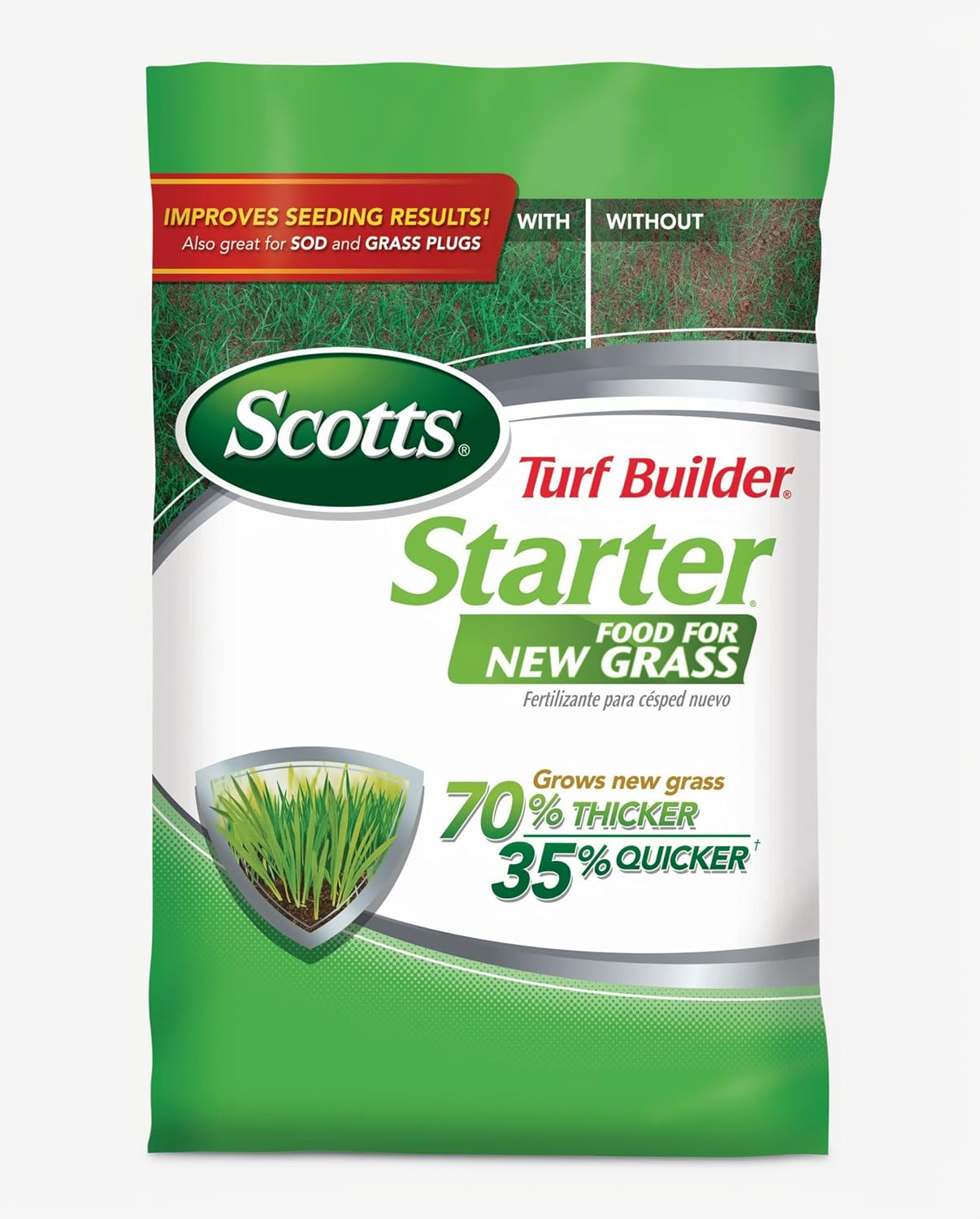
Finding the best soil mix for lawn repair isn’t just about grass seed and water—it’s about rebuilding the soil your dog or cat has damaged. Pet urine burns patches, digging tears up roots, and constant traffic compacts the ground until nutrients and oxygen can’t reach the grass roots.
I’ve spent years patching lawns in homes with active dogs. The right soil mix can neutralize urine salts, hold moisture around new seed, and give roots a loose, healthy base. The wrong mix can seal in ammonia or dry out before seed germinates. This 2026 guide covers the pet-safe options that actually work, plus how to apply them.
📌 How Pet Damage Affects Your Lawn Soil
Dog urine damage rarely stops at dead grass. The real trouble happens underneath the surface. Urine is loaded with urea, which breaks down into ammonia and soluble salts. In a small spot, nitrogen levels spike far beyond what grass roots can handle, causing that classic brown burn ring. Repeated hits can also lower soil pH, making the patch too acidic for new seed to absorb phosphorus and potassium properly.
Digging creates a different kind of damage. Paws scrape away the dark, biologically active topsoil and leave behind compacted subsoil. That layer has less oxygen, fewer beneficial microbes, and poor drainage. Water puddles instead of soaking in, so loose seed often washes away or rots before it germinates.
Regular bagged topsoil isn’t always the fix. Many cheap topsoils are screened fill with little organic matter. They don’t correct the pH swing, open up compacted structure, or feed the soil life that new grass depends on.
A specialized lawn repair soil mix typically includes compost, gypsum, biochar, or a light lime buffer. That combination tackles salt burn, drainage, and pH issues together, so the damaged spot actually becomes a place where grass can re-establish.
📌 Top 5 Pet-Safe Soil Mixes for Lawn Repair
These five mixes cover the main lawn repair jobs—filling holes, neutralizing dog urine burns, and improving drainage—without relying on harsh chemicals. I prioritized blends that use compost, gypsum, sand, or peat-free ingredients and stay safe around curious paws.
| Product | Type | Key Benefit | Typical Price | Check Price |
|---|---|---|---|---|
| Scotts Turf Builder Lawn Soil | Organic compost-based | Buffers pH and adds slow-release nutrients; good for filling holes | $15–$25/bag | Check Price → |
| Jonathan Green Love Your Soil | Gypsum-enhanced | Neutralizes nitrogen burn from dog urine and loosens compacted soil | $25–$35/bag | Check Price → |
| Kellogg Garden Organics Topper Soil | Compost-based topper | Top-dresses bare spots and improves soil structure safely | $12–$20/bag | Check Price → |
| Back to Nature Composted Cotton Burrs | Peat-free & non-toxic | Gentle on paws and works well for seed beds and repair patches | $18–$28/bag | Check Price → |
| Michigan Peat Garden Magic Top Soil with Sand | Topsoil/sand blend | Fills holes quickly and boosts drainage in soggy, paw-worn areas | $10–$18/bag | Check Price → |
After patching, lightly rake the area and water it in. For large yellow urine spots, a gypsum-enhanced mix like Love Your Soil is usually my first pick, since it targets the salt and nitrogen load directly.
📌 What to Look for in a Pet-Safe Lawn Repair Soil Mix
When I’m picking a lawn repair soil for a yard with dogs, I look at five things right away: ingredient safety, pH correction, drainage, organic matter, and how well it works with grass seed. Get those right, and bare urine spots and paw-worn paths fill in faster without extra chemicals.
Skip mixes that list synthetic fertilizers, pesticides, or biosolids on the bag. A truly pet-safe blend is compost-based and clearly labeled free of added herbicides. That matters, because dogs sniff, lick, and dig in repaired areas long before the grass is established.
- Non-toxic ingredients: Look for compost, peat moss, coconut coir, perlite, or worm castings. Avoid synthetic urea, sludge, or pesticide-coated granules.
- pH-balancing properties: Dog urine often makes soil too acidic or salty. Small amounts of limestone or gypsum help buffer those burn spots and support new root growth.
- Drainage and aeration: Compacted areas need perlite, coarse sand, or expanded shale so water and air can reach grass roots instead of pooling.
- Organic matter content: A mix with 30–50% compost or humus feeds soil microbes and gives grass seed the steady nutrition it needs to recover.
- Seed compatibility: Choose a finely screened mix that spreads evenly over seed without smothering young seedlings.
You’ll get the best results if the soil is pH-adjusted, drains well, and is safe enough that you don’t have to rinse paws after every potty break.
📌 Step-by-Step Guide to Repairing Pet-Damaged Lawn with Soil Mix
Repairing urine burns and dug-up spots is straightforward if you work in the right order. You’re rebuilding the seedbed, not just covering damage.
- Remove dead grass and loosen compacted soil. Rake out brown thatch, then use a hand cultivator or garden fork to break up the soil 2–3 inches deep. This gives new roots room to spread.
- Fill and level with pet-safe soil mix. Spread the mix about 1/2 to 1 inch thick over bare or sunken patches. Tamp it lightly with the back of a rake so water won’t pool in low spots.
- Mix in the right grass seed. Match the seed to your existing turf and climate—tall fescue for cool-season yards, bermuda or zoysia for warm-season lawns. Rake seed into the top 1/4 inch of soil.
- Water gently and keep pets off. Mist the area twice daily to keep the top inch moist, not soggy. Use temporary fencing or stakes for 2–3 weeks until the new grass reaches about 3 inches tall.
- Monitor pH and top-dress as needed. If yellow spots return, test the soil. Dog urine salts can swing pH too high or too low. Reapply a thin layer of mix and reseed any bare patches.
Don’t fertilize heavily during establishment. The soil mix usually has enough organic matter to get seedlings started.
📌 Preventing Future Pet Damage to Your Lawn Soil
You can stop most lawn damage before it starts. The trick is managing where your dog goes, how quickly you respond, and how the soil handles stress over time.
- Train a designated bathroom spot. Pick a corner with mulch, gravel, or artificial turf. It gives urine a safe place to land and keeps high-traffic grass from turning into a repair project.
- Dilute urine spots immediately. Pour about 2–3 cups of water on the area right after your dog pees. Doing this within 8 hours can reduce nitrogen burn and keep soil pH more stable.
- Use a pet-safe soil pH supplement. Look for gypsum or humic acid blends labeled for dog spots. They help salts leach out and make nitrogen less concentrated near roots.
- Rotate play and digging zones. Move toys, tunnels, or digging pits every few weeks. This spreads wear and reduces soil compaction in one area.
- Apply a thin maintenance layer. Each spring and fall, spread about ¼ inch of your lawn repair soil mix over worn sections. It smooths low spots, improves drainage, and gives grass a fresh surface to root into.
None of this is complicated. Small daily habits plus a seasonal soil top-off will keep your lawn looking fuller without forcing you to choose between a healthy yard and a happy dog.
🔍 FAQ: Best Soil Mix for Lawn Repair and Pet Safety
Is lawn repair soil mix safe for dogs and cats?
Most lawn repair mixes are made from compost, sphagnum peat, and topsoil, which are safe for pets when they contain no synthetic fertilizers, herbicides, or cocoa mulch. Always check the label for “pet-safe” or OMRI-listed ingredients before spreading it on your lawn.
How long after applying soil mix can pets use the lawn?
Keep pets off until the mix is lightly watered in and no longer muddy, usually 24 to 48 hours. If you’ve also seeded the area, wait until the new grass is established and mowed once — often 3 to 4 weeks — so paws don’t disturb seedlings.
Can I use regular potting soil to repair dog urine spots?
Potting soil is too light and often contains perlite or vermiculite, which breaks down quickly under foot traffic. You can use it for a tiny spot in a pinch, but a lawn soil or topsoil blend holds moisture better and resists compaction.
How do I neutralize dog urine in soil before adding new mix?
Flush the spot with water to dilute nitrogen and salts, then work in gypsum or garden lime at roughly 1–2 pounds per 100 square feet. Rake out dead grass, loosen the top 1–2 inches, and spread your repair mix.
What is the best soil mix for dog urine spots on grass?
I like Scotts Turf Builder Lawn Soil for spot repair. It blends compost and sphagnum peat moss to improve drainage and buffer urine-related pH swings, and it’s widely available.
How much lawn repair soil mix do I need per square foot?
For spot repair or topdressing, spread a 0.5–1 inch layer. That’s roughly 1–2 cubic feet per 12–24 square feet. As a rule of thumb, 1 cubic yard covers about 324 square feet at 1 inch deep.