The grass seed for poor soil you choose decides whether your yard becomes a green lawn or stays a muddy dog run. Poor soil lacks organic matter, drains badly, or compacts into concrete — and a dog’s daily sprints make it worse. You need a blend that germinates in low-fertility dirt and survives paw traffic.
I’ve tested several seed mixes on hard-packed clay and sandy patches with two active dogs. The wrong seed washes out or never roots. The right one fills in within weeks. I’ll walk you through dog-safe varieties, planting tips, and the top blends for 2026 before you buy.
📌 Why Poor Soil Makes Growing Grass Difficult for Pet Owners
I’ve worked with all four common poor-soil types, and each one creates its own problem:
- Compacted clay — holds too much water and suffocates roots.
- Sandy soil — drains too fast, so water and fertilizer skip the root zone.
- Rocky or gravelly fill — limits root spread and seed-to-soil contact.
- Low-nutrient dirt — often builder’s fill with little organic matter or microbial life.
Poor drainage and low organic matter often combine to keep grass roots shallow and weak. Shallow roots dry out quickly in heat, can’t tap deeper moisture during dry spells, and recover slowly from any damage. That’s a problem before dogs even enter the picture.
With a dog, weak turf fails faster. Urine burns strip grass quickly when root reserves are thin. Running, digging, and sharp turns tear up shallow-rooted areas. The goal is seed that can force deep roots through tough soil and bounce back from regular paw stress.
🔑 How to Choose Dog-Safe Grass Seed for Poor Soil
Start with the label. Look for non-toxic, pet-safe grass seed blends that explicitly say they’re safe for dogs. If the bag doesn’t mention pets, pull up the seed tag online before you buy. Cheap mixes often hide annual ryegrass and inert filler that won’t survive poor soil.
Then focus on root structure. Tall fescue and perennial ryegrass are my top picks for weak ground because they root deeply and tolerate dry spells better than shallow bluegrass. Deeper roots also help the lawn recover faster after your dog sprints across it.
Watch for problematic coatings and additives. Many coated seeds include fungicides, chemical fertilizers, or moisture-retaining polymers that may upset a dog’s stomach if ingested during grooming or digging. Choose uncoated seed, or confirm the coating is specifically labeled pet-safe.
Check the germination rate and companion seeds too. A mix with microclover or white clover can improve poor soil by fixing nitrogen and staying greener under dog urine. I usually look for blends with 5–10% clover and a germination rate of 85% or higher.
- Look for “pet-safe” or “dog-friendly” on the seed label
- Choose tall fescue or perennial ryegrass for deep-rooted traffic tolerance
- Avoid coated seeds with fungicides or synthetic fertilizers
- Pick mixes with high germination and a little clover for soil health
📌 Top 5 Grass Seed Blends for Poor Soil and Active Dogs
I picked these five blends by comparing germination speed, urine tolerance, coverage per bag, and price per pound. All are safe for dogs once the seed is watered in and the grass is established — keep paws off until the first mow.
| Product | Key Features | Coverage | Price/lb | Check Price |
|---|---|---|---|---|
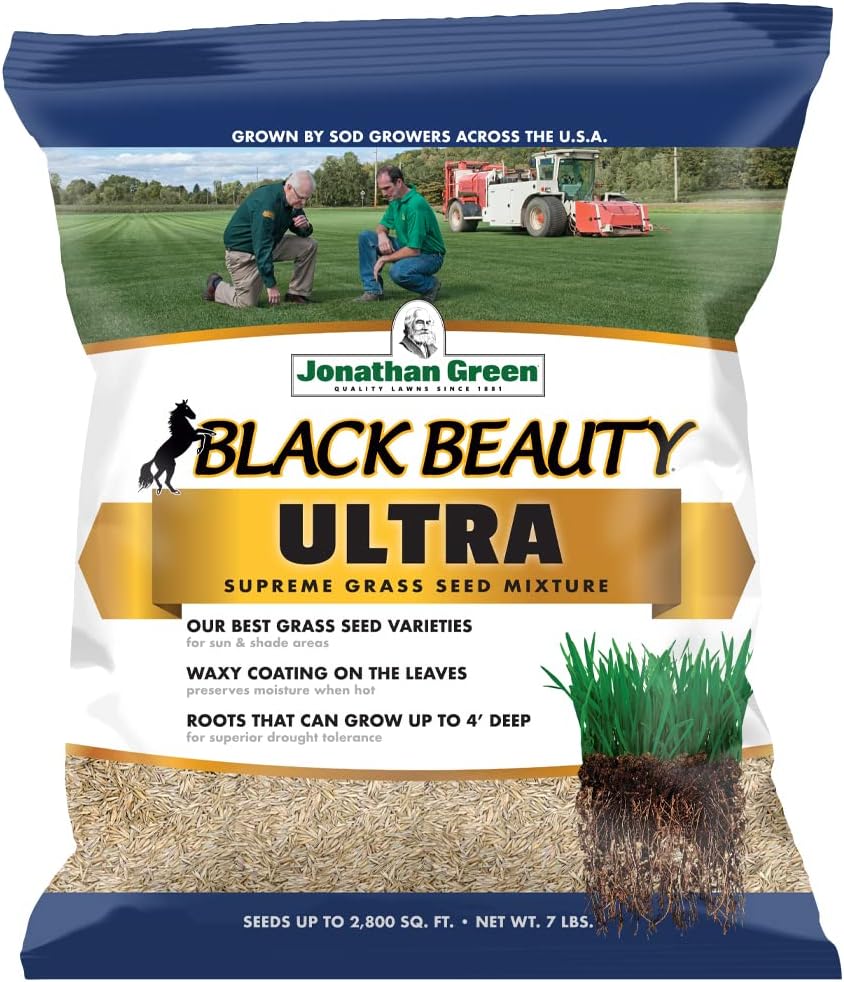
| Jonathan Green Black Beauty Ultra | Dog-safe after establishment; traffic-tolerant; sun/partial shade; uncoated raw seed mix | 7 lb covers ~1,750 sq ft | ~$5–$7 | Check Price → |
| Scotts Turf Builder Rapid Grass Sun & Shade | Fast 7–10 day germination; coated seed with fertilizer; sun/shade; traffic-tolerant once established | 5.6 lb covers ~2,000 sq ft | ~$7–$10 | Check Price → |
| Pennington Smart Seed Sun and Shade | Moisture-attracting coating; deep-rooted tall fescue mix; sun/shade; holds up to urine spots | 7 lb covers ~1,750 sq ft | ~$6–$8 | Check Price → |
| Scotts Turf Builder Thick’R Lawn Sun & Shade | Seed, fertilizer, and soil improver for poor soil; coated seed; sun/shade; recovers from paw traffic | 12 lb covers ~4,000 sq ft | ~$2–$4 | Check Price → |
| Kentucky 31 Tall Fescue Grass Seed | Deep roots for poor soil; high traffic tolerance; full sun to light shade; uncoated raw seed | 5 lb covers ~1,000 sq ft | ~$3–$5 | Check Price → |
🔍 How to Plant Grass Seed in Poor Soil for the Best Results
Poor soil isn’t a death sentence for grass. The trick is getting the ground ready before a single seed touches it. Skip the prep, and you’ll be reseeding bare patches by fall.
- Test and amend first. A basic soil test tells you whether the ground needs lime to raise pH or gypsum to break up heavy clay. Mix in 1–2 inches of compost before seeding. Check soil test kits →
- Aerate compacted soil. Run a core aerator over the area to open up the surface. This improves drainage and gives new roots room to push down. Check core aerators →
- Seed at the recommended rate. Spread the mix according to the bag — often 4–7 lbs per 1,000 sq ft. Lightly rake so seed makes contact with soil but isn’t buried more than ¼ inch deep.
- Keep dogs off the area. Use temporary fencing or flags for 3–4 weeks. Paws tear out fragile seedlings before roots lock in.
Watering schedule: Keep the top ½ inch moist with light sprinkles 2–3 times a day for the first two weeks. Then cut back to once daily until grass reaches 3 inches.
First mowing: Wait until the grass is 3.5–4 inches tall. Set the mower high and never remove more than one-third of the blade. Weak soil needs every bit of leaf surface to build root mass.
📌 Buying Guide: Key Features to Compare Before You Buy
Before you buy, compare the grass seed type first. Tall fescue is the most forgiving for poor soil because it develops deep roots and tolerates low fertility. Perennial ryegrass germinates fast but needs more consistent moisture. Kentucky bluegrass looks lush yet struggles in compacted, nutrient-poor ground unless you amend it heavily.
| Grass Type | Poor Soil Tolerance | Germination Time | Dog Wear Recovery |
|---|---|---|---|
| Tall fescue | High | 7–12 days | Good |
| Perennial ryegrass | Moderate | 5–10 days | Fair |
| Kentucky bluegrass | Low | 14–30 days | Slow but self-repairs |
Next, check coated vs. uncoated seed. Coated seeds often include moisture-retaining polymers or beneficial fungi that help germination in dry, poor soil. They cost a bit more, but the coating can improve establishment. Skip any coating with added herbicides if pets will be on the lawn.
Read the label for seed purity and coverage. Look for 98% pure seed, 0% weed seed, and a germination rate above 85%. Bags typically state coverage in square feet — usually 1,000 sq ft per 5–10 lb for overseeding. Don’t buy if the label is vague.
For pet and child safety, choose non-toxic, untreated seed or blends explicitly labeled safe for kids and pets. Avoid fungicide-treated seed when dogs will actively play on the area. Finally, expect to pay roughly $3–$6 per pound for quality coated seed; uncoated blends often run $2–$4 per pound.
❓ FAQ: Common Questions About Grass Seed for Poor Soil
What is the best grass seed for poor soil and dogs?
Look for a tall fescue blend — ideally mixed with 10–20% perennial ryegrass. Tall fescue roots deep into compacted or lean soil, tolerates drought, and bounces back from paw traffic better than fine fescues.
Is coated grass seed safe for pets?
Most coated seed uses a moisture-retaining polymer or light nutrient layer. It’s low risk once watered in, but check the label — some coatings include fungicides. Keep dogs away during application and don’t let them eat spilled seed.
How long after planting grass seed can dogs go on the lawn?
Keep dogs off until new grass reaches about 3 inches tall and has been mowed once, usually 6–8 weeks. Before that, paws uproot fragile seedlings and compact wet soil, undoing all your prep.
Can I plant grass seed in compacted clay soil without tilling?
Yes. Core aerate first, spread seed, then top-dress with ¼–½ inch of compost. The seed drops into aeration holes and gets the soil contact it needs without breaking up the whole yard.
What grass seed grows best in sandy, poor soil?
Tall fescue and buffalograss handle sandy, fast-draining soil well because they root deep. Mix in a little compost at seeding to hold moisture around the seed, or your germination rates will drop fast.
Does grass seed for poor soil need special fertilizer?
Not “special,” but a starter fertilizer higher in phosphorus helps roots establish in lean or compacted soil. Skip high-nitrogen quick-release products early on — they push top growth before roots are strong enough to support it.
2 thoughts on “Best Grass Seed for Poor Soil: 2026 Buying Guide for Dog Owners”