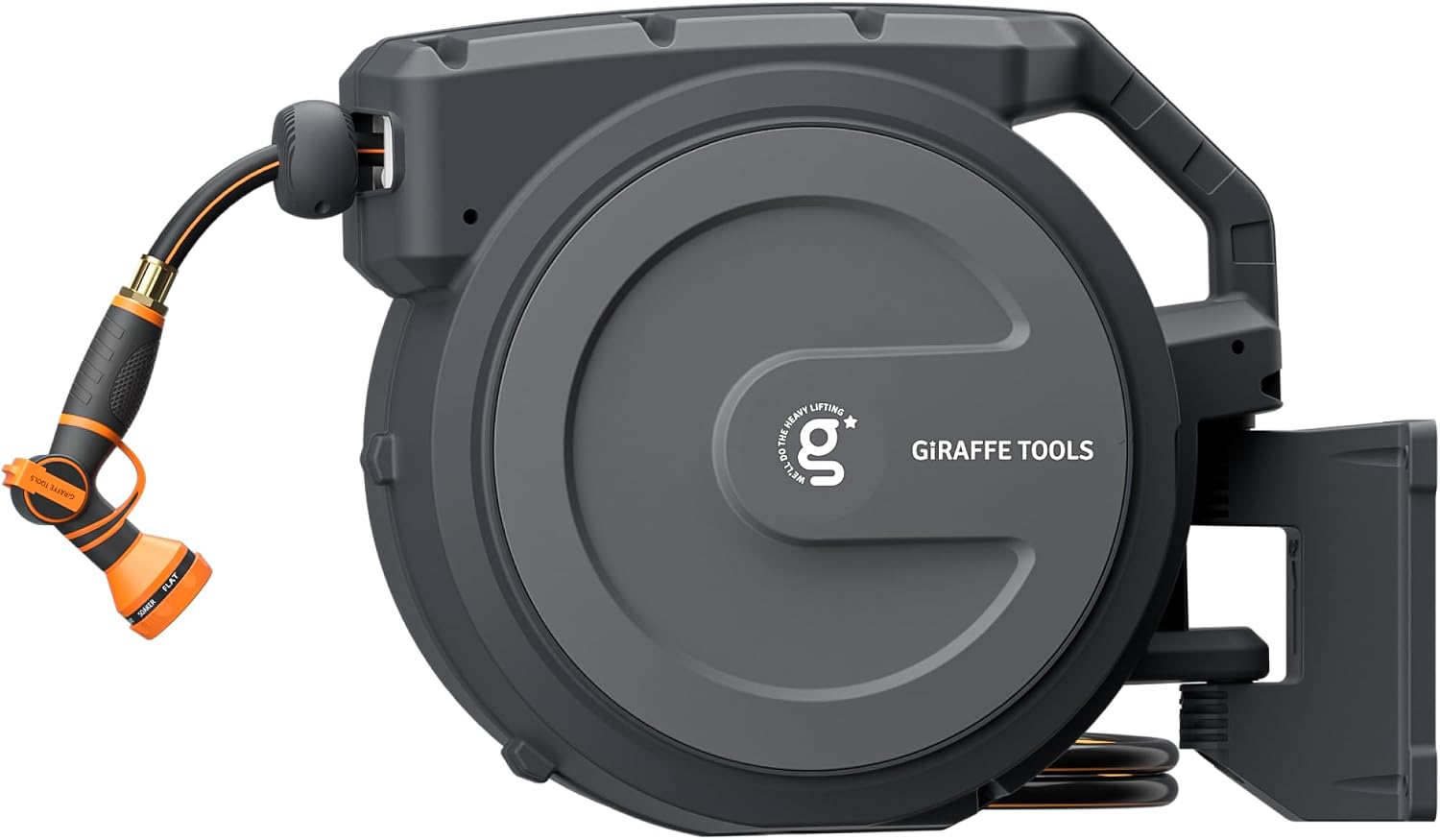
When you’re rinsing muddy paws off a 70-pound Lab, garden hose vs soaker hose isn’t just a gardening question. It’s about water pressure, control, and whether your dog will stand still. A standard garden hose gives you the adjustable spray you need for coat rinsing and crate scrubbing. A soaker hose weeps water slowly along its entire length — great for flower beds, almost useless for pet bathing.
I’ve used both around dogs, horses, and one very dramatic cat. The right hose makes cleanup quick and keeps your pet calm. The wrong one wastes water or leaves soap behind. Here’s how I compare them for pet-safe cleaning in 2026.
⚡ Garden Hose vs Soaker Hose: Key Differences for Pet Owners
The biggest difference between a garden hose and a soaker hose is how water is delivered. A garden hose pushes water through a nozzle as a pressurized spray—often 40–80 psi depending on your home. A soaker hose is porous and weeps water slowly along its entire length, usually at 10–25 psi, so it won’t blast a pet.
For pet bathing, that pressure matters. Many dogs tolerate a gentle garden hose spray, but a strong jet can hurt sensitive ears or startle a nervous pup. I always use an adjustable nozzle and start with the lowest setting.
A soaker hose isn’t a bath tool—you can’t rinse shampoo off with a slow drip. It’s better for soaking muddy yard areas so crusted dirt softens before you clean paws, or for keeping grass alive where dogs pee.
- Garden hose: rinsing muddy paws, bathing dogs, washing crates, filling pools, hosing down kennels.
- Soaker hose: pre-soaking dried mud on patios, hydrating lawn urine spots, reducing dust in dog runs.
| Pet Use Case | Garden Hose | Soaker Hose |
|---|---|---|
| Bathing a dog | Best with adjustable nozzle | Not practical |
| Rinsing muddy paws | Quick and effective | No direct spray |
| Cleaning crates or kennels | High pressure helps | Not suitable |
| Lawn urine spots | Can water, but wastes water | Slow, targeted hydration works well |
| Nervous or senior pets | Use lowest spray setting | No spray, but no cleaning action |
⚡ Garden Hose vs Soaker Hose: Side-by-Side Comparison Table
The table below breaks down the core differences between a standard garden hose and a soaker hose for pet-safe cleaning tasks.
| Factor | Garden Hose | Soaker Hose |
|---|---|---|
| Water pressure | High, adjustable with nozzle | Low, gentle weeping |
| Spray pattern | Jet, shower, mist, flat | Slow drip along the entire length |
| Pet comfort | Good if you use a gentle setting | Poor for direct rinsing; water trickles too slowly |
| Durability | Reinforced PVC or rubber; often 5–10 years | Porous rubber; typically 0–5 years, kinks and cracks easier |
| Maintenance | Drain after use, coil loosely, clean nozzle occasionally | Flush mineral buildup, store flat and out of direct sun |
For pet-safe rinsing, a garden hose with an adjustable nozzle wins. You can dial it down to a soft shower or mist to avoid startling your dog, then increase pressure for muddy paws. A soaker hose’s slow drip can’t remove dirt or shampoo effectively.
For garden watering, the soaker hose excels. It delivers water directly to soil and roots without wetting foliage, which can reduce fungal issues. But don’t use it to bathe a pet — you’ll be waiting forever, and the water may be too cold from sitting inside the hose.
The main trade-off is high-pressure cleaning power vs. gentle, targeted soaking. If you only need to water garden beds and keep a separate pet rinse station, a soaker is fine. If you want one hose for both pet baths and plant care, go with a quality garden hose and a multi-pattern nozzle.
📌 Using a Garden Hose for Pet Bathing and Outdoor Play
A garden hose gives you far more control for pet baths than a soaker hose ever will. The secret is using the gentlest spray pattern and keeping water pressure low. I always start with a “shower” or “mist” setting, never “jet” or “flat.” High-pressure streams can sting, especially on thin-coated dogs or sensitive paws.
Before rinsing, check the water temperature. A hose left in the sun can hold water hot enough to scald. Let it run for 30 to 60 seconds and test it against your wrist. In summer, I keep the hose in a shaded spot or drain it after each use.
For nervous pets, the best garden hose setup includes:
- Adjustable nozzle with a soft shower or cone spray, so you can rinse without a sharp blast.
- Lightweight, kink-free hose that won’t jerk or snap when your dog moves.
- Drinking-water-safe hose labeled lead-free, phthalate-free, and safe for potable water, especially if your pet drinks from the spray. Look for NSF/ANSI 372 or NSF/ANSI 61 certification.
- Quick-connect fittings so you can attach or detach the nozzle one-handed while holding a wiggly dog.
A 25 to 50-foot hose is usually plenty for a wash station near the spigot. Longer hoses add weight and can reduce pressure if they kink. I avoid expandable hoses for bathing because they can recoil abruptly and scare some dogs.
📌 When a Soaker Hose Makes Sense for Pet-Friendly Yards
Soaker hoses are ground-level tools, not pet-washing tools. They do one job really well: delivering water slowly and evenly to soil. That can be a big deal if your yard turns into a muddy mess from sprinting, digging, or high-traffic dog runs.
The steady seepage keeps grass roots evenly moist without blasting soil away. Over a few weeks, that often means softer, more resilient turf and fewer dry patches that crumble into dust or mud. Because water soaks in rather than pooling on the surface, you also get fewer standing puddles where paws pick up wet dirt and bacteria.
Where soaker hoses fall short is direct cleaning. They don’t produce enough pressure to rinse a dog, fill a bucket, or spray down a kennel mat. If your goal is removing shampoo, mud, or debris from fur, a garden hose with an adjustable nozzle is still the better tool.
Placement matters more than length. The most useful spots in a pet-friendly yard include:
- Dog run fence lines — keep the grass alive without soaking the center pathway.
- Garden beds near pet traffic — reduce dusty soil that sticks to coats.
- Shaded pet areas — slow evaporation means you can run the hose for shorter sessions.
Just bury or cover the hose lightly with mulch if you have a digger. Exposed soaker hose is easy for claws to snag.
📌 Safety and Durability Considerations Around Pets
When pets share your yard, hose safety comes down to materials and chew resistance. For drinking bowls, paw rinses, or outdoor baths, I’d choose a drinking-water-safe garden hose labeled BPA-free, phthalate-free, and lead-free. Polyurethane and rubber hoses usually beat cheap vinyl for both safety and durability.
Claws and puppy teeth will test any hose. A thin single-wall vinyl hose punctures easily, while a multi-layer or braided rubber hose holds up far better. If your dog chews, keep hoses on a reel or behind a gate. No hose is bite-proof, but thicker walls and brass fittings reduce surprise leaks.
Soaker hoses are porous by design, which makes them more vulnerable in active pet zones. Sharp claws can tear the outer wall, and UV exposure breaks down recycled rubber faster than you’d expect. I bury soaker lines under 2–3 inches of mulch or soil to protect them and keep water at root level.
Pressure matters too. Soaker hoses usually work best at 25–40 psi; higher pressure can split seams. For standard garden hoses, metal fittings and anti-kink designs reduce burst risk. A sudden spray from a kinked hose can startle a dog or cat, so storing hoses flat or on a reel helps them last longer.
- Look for: NSF/ANSI 61, lead-free, or drinking-water-safe labels.
- Choose: polyurethane or rubber over thin vinyl.
- Protect: bury soaker lines or use a chew-resistant hose sleeve.
📌 Top Recommendations for Pet Households
In a pet household, you really want two different tools: a drinking-water-safe hose for rinsing, bathing, and filling bowls, plus a low-flow soaker hose for garden beds. These are the picks I’d reach for with my own dogs.
| Product | Best For | Pet-Safe Features | Price Range | Check Price |
|---|---|---|---|---|
| Flexzilla Garden Hose 5/8 in. × 50 ft | Overall rinsing and bathing | Lightweight, kink-resistant, drinking-water-safe polymer; no lead or phthalates | $35–$45 | Check Price → |
| Melnor Flat Soaker Hose 50 ft | Pet-safe lawn and garden beds | Gentle weeping along the full length; reduces splashing, puddles, and paw-mud mess | $20–$30 | Check Price → |
| Camco TastePURE 25-ft Drinking Water Hose | Budget, drinking-water-safe | BPA-free, lead-free, reinforced; ideal for filling pet pools and travel bowls | $12–$20 | Check Price → |
| Orbit 2-Valve Brass Y Hose Splitter | Combo: rinsing + soaking | Connects the Flexzilla and Melnor hoses to one spigot; independent shut-offs | $15–$20 | Check Price → |
🔑 Buyer’s Guide: How to Choose Between a Garden Hose and Soaker Hose
Start with the job you’ll do most often. Pet rinsing, play, and patio cleaning almost always favor a garden hose, while flower beds and vegetable rows lean toward a soaker hose.
- Pet bathing and outdoor play: pick a garden hose with an adjustable nozzle. A 25–50 ft hose reaches most wash stations and small yards.
- Yard and kennel cleaning: go 50–75 ft and look for a strong spray pattern. You’ll appreciate the extra reach when rinsing muddy paws off concrete.
- Garden and shrub watering: a 25–50 ft soaker hose weeps water slowly into soil. It’s less startling for pets and wastes far less water than a sprinkler.
Water pressure matters more than people expect. A typical spigot runs 40–80 psi, which is fine for garden hoses. Soaker hoses work best at 10–25 psi, so add a pressure reducer if you’re connecting one directly to the tap. Storage is also different: a garden hose needs a reel or hanger, while a soaker hose can stay along a bed but should be drained before freezing.
Check labels before your dog drinks from any hose. Look for lead-free, phthalate-free, and drinking-water-safe markers such as NSF/ANSI 61 or 372. Avoid hoses with a strong chemical smell or ones that leave black residue on your hands.
If you bathe dogs and also water plants, own both. A Y-splitter at the spigot lets you run a garden hose for cleanup and a soaker hose for beds without swapping lines.
⚡ FAQ: Garden Hose vs Soaker Hose for Pet Owners
Can I use a soaker hose to bathe my dog?
Not really. A soaker hose weeps water slowly and can’t produce the spray pressure you need to rinse shampoo out of a double coat. Stick with a garden hose and a gentle spray nozzle for full baths, especially for dogs that get nervous around strong streams.
Are garden hoses safe for pets to drink from?
Only if the hose is labeled drinking water safe. Many standard vinyl hoses can leach lead, BPA, or phthalates into standing water. I use a polyurethane or rubber hose marked safe for potable water, and I always flush the hose for a few seconds before letting a pet drink.
Which hose lasts longer around dogs that chew?
Rubber and reinforced hybrid hoses tend to survive a curious chewer better than a soaker hose. Soaker hoses are thin and porous, so one bite can create a permanent leak. No hose is truly chew-proof, so keep hoses stored or covered when your dog is unsupervised.
Do soaker hoses reduce water pressure too much for cleaning?
Yes. A soaker hose is built to weep along its length, not to push water through a nozzle. For muddy paws, kennel rinsing, or patio cleanup, you’ll want a standard garden hose with adjustable pressure at the sprayer.
Can I leave a soaker hose out in the sun?
Occasional sun exposure is fine, but constant UV breaks down cheaper rubber and plastic over time. If you run a soaker hose through a garden bed, cover it with a thin layer of mulch. In open yards, coil it in the shade when not in use.
Should I buy a garden hose and a soaker hose, or just one?
For most pet households, start with a drinking water safe garden hose. It covers bathing, play, and cleaning. Add a soaker hose only if you need slow, deep watering for grass or garden beds. If your yard is mostly hardscape, one good garden hose is usually enough.