
Your lawn’s dead spots are spreading, and plain water isn’t fixing them. I know the frustration — my two dogs turned our backyard into a patchwork of yellow and brown within one summer. Learning how to remove dead grass the right way saves you from repeating the same mistake season after season.
The process isn’t complicated, but it takes the right tools, a bit of elbow grease, and some patience. This guide walks you through the exact method I use on my own lawn, how to repair those bare spots, and the prevention tricks that keep pet urine, thatch, and heat from wrecking your grass in the first place.
🦴 Why Dead Grass Patches Appear: Pet Urine, Thatch, and Heat
Before you touch a rake, figure out why the grass died. Different causes need different cleanup methods.
Pet urine burns are the most common culprit when you have dogs. Urine contains nitrogen and salts that dehydrate grass roots, leaving a brown center with a dark green ring around it. Female dogs tend to cause more damage because they squat and concentrate the urine in one small spot.
Thatch is another silent killer. It’s the layer of dead stems, roots, and clippings that builds up between the soil and living grass. Once thatch gets thicker than about half an inch, it blocks water and oxygen from reaching the roots — so your grass slowly smothers itself.
Summer heat and drought stress make everything worse. Grass naturally goes dormant in high temperatures, and constant paw traffic on dry soil compacts it, which suffocates the root system even faster.
🛠️ Tools You’ll Need for Safe Lawn Cleanup
You don’t need a power rake or a professional crew for most residential jobs. These tools cover everything, and you’ll spend roughly $20–$40 if you’re starting from scratch.
- Thatch rake — the curved tines dig into the dead layer and pull it up without shredding healthy sod.
- Garden gloves — protects your hands from sharp thatch and whatever debris is buried in it.
- Manual spike or core aerator — pulls plugs of soil to loosen compaction and invite new root growth.
- Yard waste bags or a wheelbarrow — for hauling away dead material and keeping your compost pile clean.
- Leaf rake or blower — for gathering the smaller loose bits after the main dethatching pass.
Skip chemical treatments unless you’re certain of the cause. Herbicides and “green-up” products can linger in soil and hurt pets who like to roll around or snack on grass.
📋 Step-by-Step: Removing Dead Grass Without Harming Pets
Here’s the method I use on my own lawn. Give yourself a full afternoon for a medium-sized yard.
Step 1: Confirm the grass is dead. Do the pull test — grab a handful of brown grass and tug gently. If it comes up easily with no root resistance, it’s dead. If it resists, it may just be dormant, so water it and wait a week before digging in.
Step 2: Rake out the dead grass. Work a thatch rake in one direction, then crosswise at a 45-degree angle. You want to pull up the dead material without tearing into healthy sod. For large patches, a dethatcher attachment for your mower saves serious time.
Step 3: Aerate the exposed soil. Compacted soil is often exactly why the grass died in the first place. Run a core aerator over the bare area, or use a manual spike aerator for small spots. This opens channels for water, oxygen, and fresh roots.
Step 4: Remove and dispose of the debris. Bag up everything you raked. Don’t add it to your home compost pile if it’s mixed with dog waste — the pathogens can survive at home compost temperatures. Use your municipal yard waste bin instead.
Step 5: Keep pets off the work area. Raking and aerating stir up dust, debris, and residual urine salts. Let the area rest and dry for at least 24 hours before letting your dog walk through it, and set up a temporary barrier if they don’t get the hint.
🌱 How to Repair Bare Spots with Pet-Safe Seed & Soil
Once the dead stuff is gone, you’re ready to rebuild. The goal is a seed bed that holds moisture without drowning the seeds.
- Loosen the top 1–2 inches of soil with a garden fork or cultivator so new roots can penetrate easily.
- Mix in an inch of compost or screened topsoil to improve water retention and add organic matter.
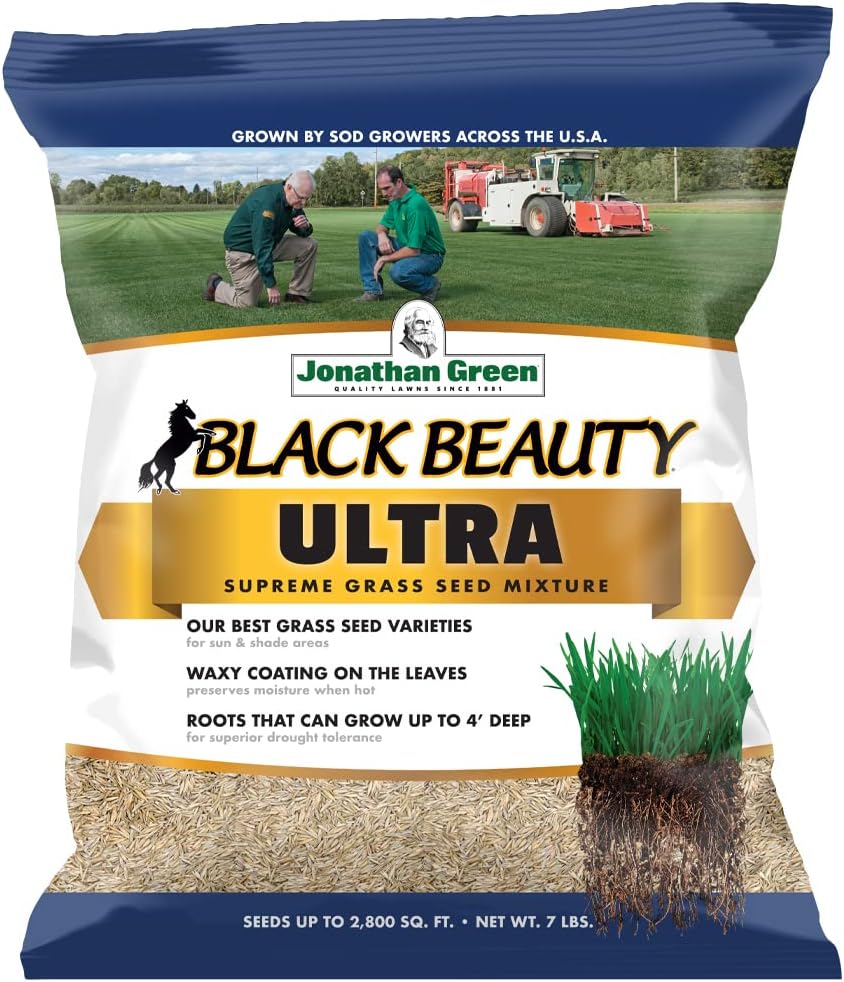
- Choose a pet-safe grass seed. Blends like Pennington Smart Seed Dog Park and Scotts EZ Seed Dog Patch are formulated with tougher turf types for urine and traffic tolerance.
- Sow at the rate on the bag — usually about 5 pounds per 1,000 square feet for repairing bare spots.
- Rake the seed lightly into the top quarter-inch of soil, then press it down with the back of a rake or a lawn roller so it makes full contact.
- Water 2–3 times daily with a light misting until seedlings reach about 2 inches tall.
Keep pets off the reseeded area until the grass is at least 3 inches tall. That usually means two to three weeks of fencing or flags. I use bamboo stakes and twine — it’s not pretty, but it works.
If your dog won’t respect boundaries, reseed in stages. Do one section at a time and rotate a portable pen setup so no single area takes the full abuse.
🛡️ Preventing Dead Grass from Coming Back: Dog-Friendly Lawn Care Tips
Removing dead grass is only half the battle. These five habits keep your lawn alive through a full season with active dogs.
- Dilute the urine. Keep a watering can by the door and flush each spot immediately after your dog pees. This pushes nitrogen deep into the soil before it burns the roots.
- Create a designated potty zone. Train your dog to use a strip of mulch, gravel, or river rock along the fence. It saved my main lawn entirely, and my dogs adapted within a week.
- Mow higher. Keep grass at 3 to 4 inches during summer. Taller grass shades the soil, holds moisture, and grows deeper roots that resist urine burn.
- Balance your fertilizer. High-nitrogen lawn food in early summer creates soft, shallow-rooted growth that burns easily. Use a slow-release, balanced formula instead.
- Overseed every fall. A dense lawn tolerates pet traffic far better than a thin one. Fall overseeding gives new roots time to establish before summer stress arrives.
❓ FAQ
Will dead grass come back on its own? No. Once the root system has died, the plant won’t regrow, and you’ll need to remove the dead material and reseed. Dormant grass, on the other hand, will green up on its own when temperatures and moisture levels improve.
Does dog urine kill grass permanently? Usually not. Urine burns kill the top growth and often the roots, but the soil itself isn’t ruined. Flush the area with water, remove the dead layer, and reseed. Repeated burns in the same spot may need gypsum or lime to balance soil pH, so test first before adding anything.
Can I compost dead grass from my lawn? Yes, as long as it’s pure grass clippings from a healthy lawn. If the dead grass is mixed with dog waste, skip the compost pile and use your green waste bin instead. Pathogens in pet waste can survive home compost temperatures.
How long does new grass take to fill in? Most cool-season grasses germinate in 7–21 days, depending on soil temperature and moisture. With consistent watering, you’ll see a thick enough stand to walk on carefully after about 6 weeks.
How often should I dethatch? Once a year is enough for most home lawns — usually in early fall or spring when the grass is actively growing. If your thatch layer is under half an inch thick, you can skip dethatching entirely and just aerate.
📝 Conclusion
Start with the pull test to confirm the grass is dead, rake it out, aerate, reseed with a urine-tolerant blend, and protect the area until it reaches 3 inches tall.
You don’t have to choose between a healthy lawn and a happy dog. With the right removal method and a few prevention habits, both can thrive in the same yard.
🔑 How to Remove Dead Grass From Your Lawn in 5 Steps
📌 Why Dead Grass Patches Appear: Pet Urine, Thatch, and Heat
If you own a dog, you already know the drill: a perfect green lawn in spring, then a constellation of yellow spots by July. The usual culprit is nitrogen overload from urine. Dog urine packs concentrated nitrogen and salts, and when it lands in one spot, it essentially burns the grass blades and roots.
Pet urine isn’t the only offender though. Heavy thatch buildup acts like a mat, suffocating the soil and blocking water from reaching the roots. Heat stress makes things worse on south-facing lawns, and foot traffic compaction turns soil rock-hard so roots can’t breathe.
So how do you tell if that dead patch is urine burn or a lawn disease? Look for the tell-tale green ring. Urine burns create a yellow or brown center with a ring of dark green grass around the edge — the diluted nitrogen on the outskirts acts like fertilizer. Disease patches spread irregularly and never show that clean ring.
Location and pattern matter too. Female dogs squat and release a concentrated dose into one small area, so you’ll see round, distinct burns. Male dogs tend to spray vertical surfaces, leaving smaller scattered marks — but they often revisit the same spot and kill it faster. Knowing which you’re dealing with helps you target the fix before you start removing dead grass.
📌 Tools You’ll Need for Safe Lawn Cleanup
🛠️ Tools You’ll Need for Safe Lawn Cleanup
Before you touch a single blade of dead grass, gather your gear. I’ve learned the hard way that hunting for a trowel mid-project just gives the dogs more time to dig fresh craters. Here’s the core kit I rely on for every dead-patch removal:
- Standard rake — clears loose debris and pulls up surface thatch so you can see the true size of the damaged spot.
- Thatch rake — its curved tines dig deeper to lift matted, dead roots that a regular rake completely misses.
- Garden trowel — cuts clean edges around the dead area so new seed stays contained and roots grab firm soil.
- Scissors or utility knife — trims stubborn grass roots and slices through compacted thatch without tearing up healthy sod.
- Wheelbarrow — hauls away all that dead material in one trip and saves your back in the process.
Once the dead grass is out, the soil needs a reset. I add a thin layer of compost to restore organic matter, and if the patch has that telltale urine odor, a sprinkle of lime or gypsum helps neutralize the salt buildup. Aim for about 5–10 pounds of lime per 100 square feet, then water it in lightly so it reaches the root zone.
Don’t leave bare dirt sitting there — reseed while the soil is already worked up. Choose a pet-safe, high-traffic grass seed blend that handles both full sun and partial shade. Tall fescue mixes are my go-to; they’re tough enough for zoomies and recover fast from repeat urine spots.
Two optional upgrades make the job easier long-term. A lawn aerator breaks up compacted soil so grass roots breathe deeper, and a soil test kit tells you exactly what your pH and nutrient levels need. Both cost under $50 and pay off with a thicker, greener lawn by midsummer.
📌 Step-by-Step: Removing Dead Grass Without Harming Pets
Removing dead grass is simple, but doing it pet-safely takes a little patience. Follow these six steps and you’ll have a clean, reseed-ready patch in under an hour.
Step 1: Water deeply first. Soak the dead area for 15–20 minutes before you dig. This dilutes any concentrated urine salts and softens the soil, so the dead mat lifts out easier without stressing the healthy roots around it.
Step 2: Rake or scrape away the dead grass. Use a thatch rake or a small trowel to lift the brown layer. Work gently from the edges inward, keeping the healthy turf’s border intact.
Step 3: Loosen the top 1–2 inches of soil. A hand cultivator or garden fork gets the job done. This step matters most — it creates the seed-to-soil contact new grass needs to root quickly.
Step 4: Remove debris and level the area. Clear out pebbles, old roots, and leftover thatch, then rake the surface smooth. A level patch drains evenly and prevents low spots where water pools and drowns new seed.
Step 5: Dispose of dead grass safely. Bag it for the yard waste bin or compost it if you skip chemical treatments. Never leave it in loose piles — pets will sniff and sometimes eat that crunchy mat, which can lead to an upset stomach.
Step 6: Let the soil air out for 24 hours. This gives trapped moisture time to evaporate and remaining salts to break down. When the soil feels just lightly damp to the touch, you’re ready to reseed.
🔑 How to Repair Bare Spots with Pet-Safe Seed & Soil
Start by picking a seed blend that matches your existing lawn and your growing zone. Cool-season grasses like tall fescue and Kentucky bluegrass work best in northern climates, while southern lawns need warm-season varieties such as Bermuda or zoysia. Matching the blend keeps the repair patch from standing out once everything fills in.
Before seeding, work a pet-safe starter fertilizer or a thin layer of compost into the top inch of soil. Compost is the gentler choice — it feeds the soil without burning tender young roots. If you prefer fertilizer, choose a slow-release, low-nitrogen formula labeled safe for pets.
Mix the seed with topsoil or a patching product in a bucket, then spread it evenly over the bare area. That simple step prevents clumps and gives you consistent coverage, so you won’t be patching the same spot again in a month.
Watering is where most repair attempts fail. Keep the top inch of soil moist but never soggy for the first 2–3 weeks, watering lightly once or twice daily. Once seedlings reach about 2 inches tall, switch to deep, infrequent watering to encourage strong roots.
Pets will absolutely want to investigate fresh dirt. Here’s how to protect the patch until it establishes:
- Set up temporary fencing or lightweight netting around the seeded area.
- Apply a pet-safe repellent spray around the perimeter, reapplying after heavy rain.
- Lay a thin layer of straw or floating row cover to discourage digging.
Expect cool-season grasses to germinate in 7–21 days and warm-season types in 14–30 days. Once the new grass is consistently growing, you can gradually let your pets back on the lawn and call the repair done.
📌 Preventing Dead Grass from Coming Back: Dog-Friendly Lawn Care Tips
Fixing bare patches is only half the battle. If you don’t change a few habits, those same spots will be back by midsummer. Here’s the routine that keeps my lawn green even with two dogs charging across it every single day.
First, train your dog to use a designated potty zone instead of the turf. A small area of mulch, gravel, or artificial turf gives them a clear spot that won’t show burn marks. Most dogs pick this up in a couple of weeks when you reward them consistently for using it.
Water deeply right after your dog urinates. A quick hose-down of the exact spot dilutes the nitrogen before it can burn grass roots, so keep a spray attachment near the back door. This single habit makes the biggest difference on my own lawn.
You can also try dog-safe lawn supplements that neutralize urine nitrogen. Dietary additives for your pup and soil treatments both exist, though results vary by dog and lawn. I’d master the hose technique first, then add one of these if yellowing persists.
Mow higher — around 3 to 4 inches for cool-season grass — so roots grow deeper and tolerate stress better. Pair that with annual aeration, overseeding, and a balanced fertilizer to keep the lawn dense enough to crowd out weeds.
Test your soil pH every spring, since dog urine raises acidity over time. A basic test kit costs about $10–$20, and applying lime helps counteract the acid buildup before it reaches toxic levels.
Finally, consider seeding with more urine-resistant grass varieties. Tall fescue and perennial ryegrass recover faster from burn damage than most other options:
| Grass Type | Urine Tolerance | Best For |
|---|---|---|
| Tall Fescue | High | Deep roots, handles heat well |
| Perennial Ryegrass | Medium-High | Fast germination, quick spot repair |
| Kentucky Bluegrass | Low-Medium | Self-spreading, needs more recovery time |
Start with the potty zone and watering habit, then layer in soil care and resilient grass. You don’t need to give up a beautiful lawn to own a dog — you just need a smarter daily routine.
❓ FAQ
Will dead grass from dog urine grow back on its own?
Usually not. Once urine burns down to the root, that grass is gone and won’t regrow. A light scorch with green blades at the edges might recover if you flush it with water fast, but full brown patches need reseeding.
How long do I have to wait before reseeding after removing dead grass?
Rake out the dead material, then give the soil about 2–3 days to settle. For urine spots, flush the area with water first to dilute the salts, wait 24 hours, and reseed right after.
What is the best pet-safe grass seed for repairing urine spots?
Tall fescue blends hold up best—they have deep roots that resist urine burn. Dedicated dog patch mixes from Scotts and Pennington are also bred for heavy traffic, and they’re safe for paws once established.
Can I use baking soda or dish soap to remove dead grass patches?
Skip the baking soda—it raises soil pH and salt levels, which can make the spot worse. Diluted dish soap can help break down thatch in a pinch, but a sturdy metal rake or dethatcher is still your best tool.
How often should I water my lawn to prevent pet urine damage?
Water deeply about 2–3 times a week, aiming for 1 to 1.5 inches total. A quick flush right after your dog pees dilutes nitrogen better than any treatment, so keep a watering can by the back door.
Should I remove dead grass in spring or fall for best results?
Early fall is ideal in most climates—soil stays warm for germination while weeds slow down. Spring works too if you missed the window, but wait until the ground dries and overnight temps stay above 50°F.
8 thoughts on “How to Remove Dead Grass from Your Lawn: A Pet-Safe 2026 Guide”