
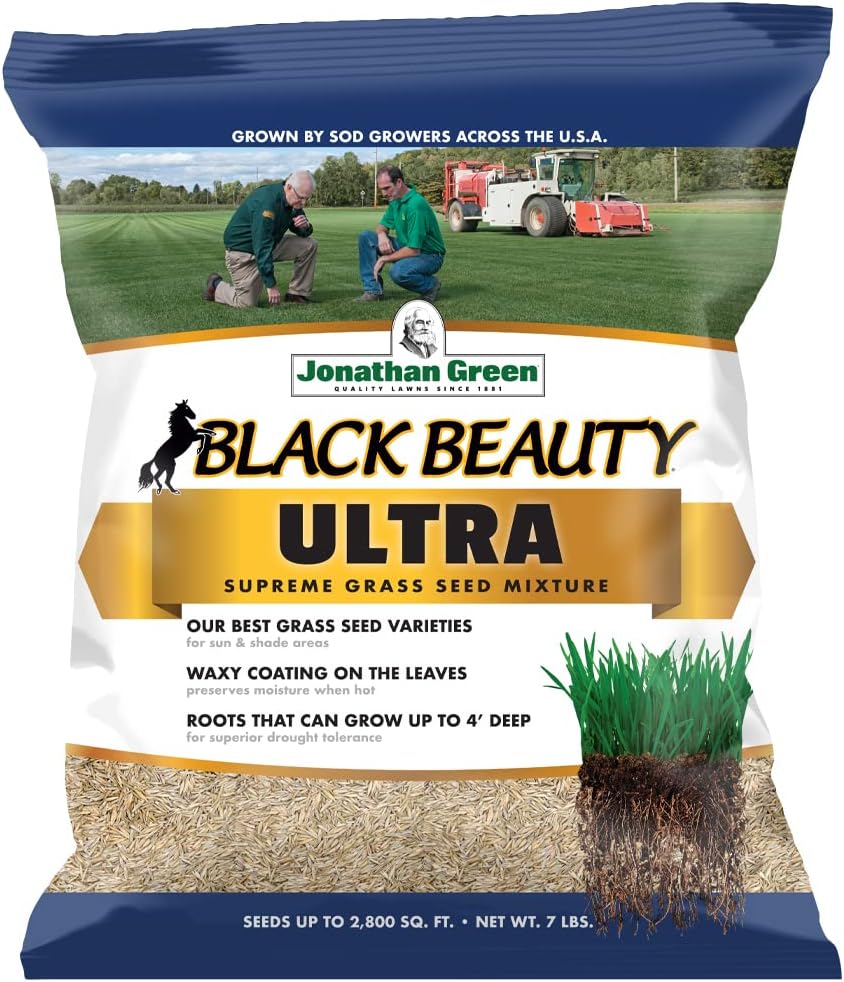
You spend a weekend raking, seeding, and rolling — then one thunderstorm turns your new lawn into mud sliding down the driveway. I’ve lost more seed to rain than I care to admit, so I learned the hard way how to keep grass seed from washing away. It’s not complicated, but it does require the right prep and a little patience.
This guide covers why seed washes out, how to prepare your soil, the best mulches and erosion blankets, pet-safe options, and watering habits that protect your work. Use these methods for patching bare spots or seeding a steep slope — either way, seed stays where you put it.
📌 Why Grass Seed Washes Away (and How to Prevent It)
grass seed is small, light, and has zero roots for the first week or two. Even a light rain can float it out of place. A heavy downpour can sweep an entire patch into the gutter.
Slope steepness, compacted soil, and poor seed-to-soil contact are the main culprits. Water skims over hard ground instead of soaking in, carrying seed with it. Loose seed sitting on a smooth surface barely has a grip.
Bare patches after seeding are almost always a coverage problem, not a seed quality problem.
Prevention comes down to three things: anchoring seed in soil, covering it, and controlling water. None of it requires expensive equipment.
🛠️ Prepare the Soil Before Seeding for Better Seed Retention
Seeding into unprepared soil is the #1 reason seed washes away. Loose, level, slightly rough soil gives seed tiny pockets to settle into.
Here’s the soil prep sequence I use every time:
- Rake the top 1–2 inches. Break up hard soil and remove old grass, stones, and debris.
- Fill low spots with topsoil or compost so water doesn’t pool and float the seed.
- Rake again after spreading seed. Drag the back of a rake over the area to nestle seed into the dirt.
- Press it down with a lawn roller or the flat side of a board — this locks seed to soil.
On slopes, rake across the hill, not up and down. Vertical rows create channels that turn rain into streams.
If you’re seeding a steep bank, soil prep alone won’t cut it. You’ll need a blanket or netting on top — covered below.
🔍 Top 5 Mulches and Erosion Control Blankets for Grass Seed
Covering fresh seed is the single most effective thing you can do, period. I’ve tested all five of these options on flat yards and steep banks, and each one earned its spot here.
1. Wheat Straw — The Budget Classic
Price: roughly $8–$15 per bale, covering about 500–1,000 square feet when spread thin. It’s cheap, light, and effective on flat ground.
Spread it about 1 inch thick — you should still see streaks of soil through it. Too thick, and it blocks light and smothers young seedlings.
The downside is weed seeds. Many straw bales bring a few extras with them, so expect a handful of stray sprouts.
2. Peat Moss — Clean and Weed-Free
Price: $12–$20 per 3.8 cu ft bale, covering roughly 180 square feet at a ¼-inch depth. Peat forms a light crust that locks seed in place.
It’s the cleanest option on this list — no weeds, no mess, and it doesn’t blow around in the wind.
The tradeoff is moisture. The surface dries quickly, so you’ll need more frequent light watering during the first two weeks.
3. Compost — Feed and Protect in One
Price: $30–$50 per cubic yard, enough for roughly 1,300 square feet at a ¼-inch layer. Fine, screened compost both anchors seed and feeds the soil beneath it.
It’s the only mulch on this list that adds organic matter while it protects. Stick to fine, fully decomposed material — coarse chunks bury seed or leave bare gaps.
4. Jute Netting — Slopes Without the Slip
Price: $45–$80 per roll (about 4 × 225 feet, covering roughly 900 square feet). Jute is an open-weave natural fiber mesh that holds seed firmly on gentle slopes.
Unroll it over the seeded area, staple the edges into the soil, and water right through it. Grass seedlings push easily through the weave.
It’s fully biodegradable, so there’s nothing to clean up at the end of the season.
5. Coir Erosion Blankets — The Heavyweight
Price: $50–$150 per roll, depending on thickness and brand. Coir (coconut fiber) blankets are the toughest option here, built for steep banks and drainage areas.
They handle downpours that would wash out anything else, and they double as protection against birds and dry wind.
Choose a natural-fiber version without plastic netting. Plastic meshes last for years, can trap wildlife, and are a pain to remove.
Quick Comparison
| Mulch / Blanket | Price Range | Coverage | Best For | Pet Safe | Check Price |
|---|---|---|---|---|---|
| Wheat Straw | $8–$15 / bale | 500–1,000 sq ft | Flat areas | ✅ Yes | Check Price → |
| Peat Moss | $12–$20 / bale | ~180 sq ft | Small patches | ✅ Yes | Check Price → |
| Compost | $30–$50 / cu yd | ~1,300 sq ft | Feeding soil | ✅ Yes | |
| Jute Netting | $45–$80 / roll | ~900 sq ft | Gentle slopes | ✅ Yes | Check Price → |
| Coir Blanket | $50–$150 / roll | 450+ sq ft | Steep slopes | ✅ Yes | Check Price → |
🌾 How to Use Straw, Peat Moss, or Compost to Protect Seed
Loose mulch works best when you apply it with a light touch. Here’s the exact method I use for each of the three loose options.
Straw — fluff it first. Pull the bale apart with a pitchfork so it’s airy, not matted. Spread it to about 1 inch deep.
Rake the surface lightly afterward so some straw mixes into the top of the soil. That contact keeps seed anchored instead of floating.
Peat moss — use your hands. Sprinkle it evenly over the seed until you get a thin, see-through layer about ¼ inch deep. Don’t dump it in piles.
Compost — rub it in. Work a ¼-inch layer into the seed bed with a rake or by hand. Coarse chunks bury seed too deep or leave bare gaps.
For large areas, a spray-on organic tackifier ($25–$40 per bucket) binds loose straw or fiber to the soil. It’s a handy middle ground between mulch and erosion blankets.
🐕 Pet-Safe Erosion Control: Protecting Your Lawn and Your Dog
Dogs complicate things. Freshly seeded ground is an invitation to dig, and some mulch options are genuinely unsafe for pets.
- Cocoa bean hull mulch — never use it. It’s toxic to dogs if eaten, even though it smells like chocolate.
- Wheat straw — safe but a bit itchy. Keep pups off it until it settles.
- Coconut coir — the best pet-safe choice. Soft, natural, and non-toxic.
- Avoid plastic netting blankets. Claws and paws can get tangled in the mesh.
Whatever cover you pick, keep dogs off the seeded area for 3–4 weeks — until the grass is about 2–3 inches tall and ready for its first mow.
Temporary garden fencing costs $25–$40 for 50 feet and takes ten minutes to set up. It’s ugly for a month, but it saves you from reseeding every morning.
If your dog is a digger, an exercise pen or supervised leash time works better than fencing. A short routine for a few weeks beats a full reseed later.
💧 Watering Strategies to Keep Grass Seed in Place
Rain you can’t control, but irrigation you can. The most common mistake I see is watering new seed like it’s an established lawn.
- Water lightly 2–3 times per day for the first two weeks. Five to ten minutes per session is enough.
- Use a gentle mist or soft spray — never a jet stream that tunnels through soil and carries seed.
- Water early morning and late afternoon to reduce evaporation and keep soil damp around the clock.
- Check the forecast before seeding. If heavy rain is due within 24 hours, wait or cover the seed with a blanket.
The goal is a consistently damp top inch. If you see puddles or runoff, dial the water down.
Once grass reaches about an inch, switch to deeper, less frequent watering — one or two heavier sessions per week. That encourages roots to grow down instead of staying shallow.
❓ FAQ
Will grass seed wash away if it’s just sitting on top of the soil?
Yes — and that’s the most common reason seed disappears. Always rake seed into the soil or cover it with mulch so it has direct contact with the dirt.
How long does newly planted grass seed need protection from rain?
Until germination and initial rooting, usually 5 to 14 days depending on grass type and temperature. Even after sprouting, young seedlings are fragile, so leave mulch in place for a few weeks.
Can I plant grass seed before a heavy rain forecast?
It’s risky. Seed needs at least one dry cycle with light watering to settle into the soil. If heavy rain is coming within 24 hours, delay seeding or use an erosion blanket.
What’s the best way to seed a steep slope?
Use a coconut coir erosion blanket or jute netting. Roll it over the seeded slope, staple it down, and water gently. Straw alone will slide off before germination.
Does mulch keep birds from eating grass seed?
It helps significantly. Straw and peat moss disguise the seed, and erosion blankets physically block access. Bare seed is an open buffet.
Can I reseed right after a washout?
Yes, but fix the reason it washed first. Rake the area, add a little compost if the soil is compacted, and cover with mulch or an erosion blanket this time.
📝 The Bottom Line
The whole trick to keeping seed where it belongs comes down to three moves: loosen the soil, press the seed in, and cover it with something. Get those right and rain becomes manageable.
For a flat patch, a light layer of wheat straw is cheap and effective. For a slope, I’d reach for a coir erosion blanket every time — it’s the only thing that’s never failed me on a hill.
Do the prep, water gently, and keep pets off for a few weeks. Your lawn will fill in, and you won’t spend the summer chasing seed down the street.
🔍 The Best Pet-Safe Mulches to Keep Grass Seed from Washing Away
📌 Why Grass Seed Washes Away (and How to Prevent It)
You spend an afternoon seeding the bare patch by the fence, and one thunderstorm turns it into a muddy creek. I’ve watched that happen more times than I’d like to admit, especially with two dogs tracking mud back through the house afterward. The good news? Seed runoff is almost always preventable once you understand what’s actually causing it.
Four culprits cause most washouts: heavy rain, slope angle, poor soil structure, and a missing mulch layer. Rain displaces loose seed, gravity sends it downhill, compacted soil won’t hold seed in place, and bare seed sits fully exposed to the first downpour. Add dog paws digging or sprinting over fresh seed, and the problem multiplies fast.
Prevention comes down to four core strategies: soil preparation that gives seed somewhere to grip, erosion control covers like straw or seed blankets, smart watering discipline that keeps soil moist without flooding, and pet-safe barriers that keep paws off fresh seed.
The rest of this guide walks through each fix step by step — from the cheapest straw trick to proper slope seeding technique. You’ll learn exactly how to protect your seed during the critical first two weeks, even with rain in the forecast and dogs in the yard.
📌 Prepare the Soil Before Seeding for Better Seed Retention
The biggest mistake I ever made was tossing seed on hard-packed dirt and hoping for rain. Seed needs real soil contact to germinate — without it, the first downpour carries everything into the gutter. Spend 20 minutes prepping now, and you’ll save yourself weeks of reseeding later.
Start by clearing the whole patch. Rake out leaves, stones, and old dead grass, then fill any low spots with topsoil and level them flat with a garden rake. Loosen the top 2–3 inches of soil with a tiller or heavy cultivator; fluffy, crumbly earth grips seed far better than a crusted, compacted surface.
Once the seed is spread, don’t leave it sitting on top. Fill a lawn roller halfway with water and roll the area to press seed firmly into moist soil. On a slight grade, this single step cuts washout dramatically because the seed is tucked in rather than resting on the surface.
If your soil is sandy or heavy clay, mix in 1–2 inches of compost before leveling. Organic matter improves soil structure and acts like a sponge, so water soaks straight down instead of running off and dragging seed with it.
Slopes need extra protection. For gentle banks, lay biodegradable seed mat strips that anchor seed to the surface. For steeper ground, build small berms or simple terraces with landscape timbers — anything that slows water before it turns into a mini river.
📌 Top 5 Mulches and Erosion Control Blankets for Grass Seed
After losing two bags of seed to one thunderstorm, I stopped trusting bare straw. Here’s what actually holds seed in place, ranked by rain resistance and price.
1. Straw and Chopped Straw – Budget-Friendly Classic
Clean wheat straw is the cheapest loose mulch—roughly one pound covers a square foot. Spread it about ¼ inch deep, thin enough that you can still see soil. Chopped straw tucks in tighter and resists wind better. Commercial “tackified” straw blends add a natural binder that clings to gentle slopes.
2. Coconut Coir Blankets – Steep Slope Saver
These biodegradable fiber mats hug contours where loose mulch slides off. A 4×50-foot roll runs $40–$80. They hold moisture and keep seed pinned through heavy downpours. For slopes steeper than 2:1, this is my first pick.
3. Jute Netting – Open-Weave Erosion Control
Jute mesh locks seed against the soil while letting grass blades push through. It costs about $0.15–$0.30 per square foot, making it a solid middle ground. Anchor edges with biodegradable staples—wire pins will snag your mower later.
4. Peat Moss – Light Soil-Binding Dressing
Rake peat moss over fresh seed at ¼ inch depth to keep seed in contact with damp soil. It’s light and won’t smother young sprouts. Just keep it to flat beds—heavy rain can float it off slopes.
5. DIY Options – Compost Topdressing vs. Commercial Seed Mulch
Screened compost spread thinly feeds the soil while holding seed in place. For bigger bare patches, commercial seed mulches like EZ Straw spray on with a hose and form a protective crust. They cost more but save hours of raking.
| Material | Cost per 500 sq ft | Slope Tolerance | Rain Resistance | Check Price |
|---|---|---|---|---|
| Straw / chopped straw | $5–$20 | Gentle only | Fair | Check Price → |
| Coconut coir blanket | $40–$80 | Steep, up to 1:1 | Excellent | Check Price → |
| Jute netting | $20–$40 | Moderate, 3:1 to 2:1 | Excellent | Check Price → |
| Peat moss | $15–$25 | Flat only | Fair | Check Price → |
| Compost / commercial mulch | $20–$35 | Gentle to moderate | Good | Check Price → |
If your yard is mostly flat, plain straw or compost topdressing will do the job without breaking the bank. The moment you’re dealing with a slope, skip loose mulch and invest in a coir blanket or jute netting—you’ll reseed once instead of three times.
🔑 How to Use Straw, Peat Moss, or Compost to Protect Seed
Straw is the classic choice, but only if you apply it in the right amount. Spread about one bale per 1,000 square feet — just enough that you can still see roughly 50% of the soil beneath. That thin layer blocks the sun, traps moisture, and lets seedlings push through without smothering them.
For even coverage, break the bale apart and toss handfuls across the seeded area. Then use your hands or a garden fork to knock off any clumps. I like to flip the fork tines up and drag the handle across the surface, which redistributes excess straw into bare spots without raking up the seed itself.
Peat moss works better for small bare patches and high-traffic zones where straw tends to blow away. Crumble it over the seed to about ¼ inch thick. It forms a light crust that holds moisture against the seed and keeps curious paws from kicking everything loose.
Compost dressing is my go-to for slopes. Mix the seed directly into the compost, spread it over the area, then rake it in lightly so seeds sit just below the surface. The compost anchors the seed in place and feeds the new grass as it germinates.
One warning: skip hay entirely — it’s packed with weed seeds that will haunt your lawn for years. And if your dog patrols the yard, keep loose mulches off main run paths. A few rounds of paws will scatter the mulch and your seed within a day.
📌 Pet-Safe Erosion Control: Protecting Your Lawn and Your Dog
Some commercial tackifiers rely on chemical binders that aren’t ideal for pets. Your dog licks their paws after walking across treated seed, and that residue ends up in their system. For peace of mind, I stick with biodegradable, pet-safe materials that hold seed in place without the risk.
Here’s what works well in a dog-friendly yard:
- Coconut coir blankets — natural fiber mats that grip slopes and break down into the soil over several months.
- Jute mats — woven from plant fibers, tough enough for heavy rain, and completely non-toxic.
- Paper-based seed sheets — pre-seeded mats that dissolve as grass establishes, keeping seed locked to the ground.
- Plain straw or compost — the classic choice, and perfectly safe if your dog decides to sniff or taste it.
Even with protective mulch, you need to keep paws off fresh seed. A temporary fence of garden stakes and netting works wonders. In my yard, I use a roll of orange safety fencing — it’s visible, inexpensive, and comes down in about three weeks. Add a small sign so neighbors walking their dogs know to steer clear.
For slopes, skip the harsh glue. A solution of watered-down liquid kelp sprayed over the seed acts as a gentle natural tackifier that binds soil without harming pets. You can also find non-toxic seed tackifiers at garden centers — just look for the words “pet-safe” on the label before you buy.
Finally, redirect the runoff. If rain always pools along your dog’s favorite path, install a shallow swale or pet-friendly drainage trench filled with gravel. Moving the walkway to a less sloped area also keeps seeds from washing out before they root.
📌 Watering Strategies to Keep Grass Seed in Place
The fastest way to lose new seed is cranking the hose to full blast. That jet of water lifts seed right out of the soil and sends it running toward the driveway. Gentle, light watering is the single rule that matters most during the first two weeks.
Newly seeded lawns need 2–3 short sprinkles per day, about 5–10 minutes each, depending on heat and wind. The goal is to keep the top inch of soil damp around the clock without ever forming puddles. Here’s the schedule that’s worked for me:
- Days 1–14: mist 2–3 times daily, 5–10 minutes per session
- Days 15–28: water every other day, extending each session slightly
- After the first mow: transition to deep, infrequent irrigation
Use a sprinkler with a mist or gentle cycle setting so droplets land softly instead of hammering the soil. If your model only shoots a hard jet, hold your thumb over the nozzle opening or switch to a watering wand with a shower head — both break up the force beautifully.
Rain can save you effort; a light all-day drizzle is perfect for germination. But a heavy storm is another matter entirely. If a downpour is in the forecast, delay seeding until it passes, or cover fresh seed with a light straw mulch to keep it anchored in place.
Once your grass reaches about 3 inches and you’ve mowed it once, flip the watering strategy. Give the lawn roughly 1 inch of water per week, split into one or two deep sessions — this pushes roots deeper and builds drought tolerance that lasts all summer.
❓ FAQ
What is the best mulch to keep grass seed from washing away?
Clean wheat straw is the classic go-to for flat yards — it’s cheap, airy, and holds moisture well. But on slopes, a jute or coir erosion blanket beats straw every time. For my money, I like straw plus a tackifier spray on anything steeper than a 1:3 grade.
How long should I keep dogs off freshly seeded grass?
Give it 3 to 4 weeks, until the new grass reaches about 3 to 4 inches tall. I know that’s torture with an eager pup, but one good sprint can undo three weeks of growth. Set up a temporary fence line or a designated leash-walk path to protect the seeded zone.
Will grass seed wash away if it rains right after I plant it?
It depends on the rain. A light drizzle won’t hurt — it might actually help germination. A heavy downpour can absolutely wash unanchored seed, especially on slopes or compacted soil. Raking the seed about 1/4 inch into the soil before rain reduces the risk significantly.
Can I use a seed mat on a slope?
Yes — in fact, seed mats are one of the best options for slopes. They hold seed in direct contact with the soil, absorb water, and break down naturally over time. Most biodegradable mats handle moderate inclines up to around 30 degrees without slipping.
How do I keep grass seed from washing away without straw?
Skip straw and try peat moss, compost, or a seed mat instead. A thin 1/4-inch layer of peat moss or compost holds seed in place while boosting moisture retention. Spray-on tackifiers also work — they bind the top layer of soil so seed stays put even through a good rain.
When is it safe to mow new grass after reseeding?
Once the grass hits 3 to 4 inches tall — usually 3 to 4 weeks after germination — it’s ready for its first mow. Use the highest deck setting and never cut off more than a third of the blade length. Give it one more week before letting dogs run full speed on it.
1 thought on “How to Keep Grass Seed from Washing Away (2026 Guide)”