
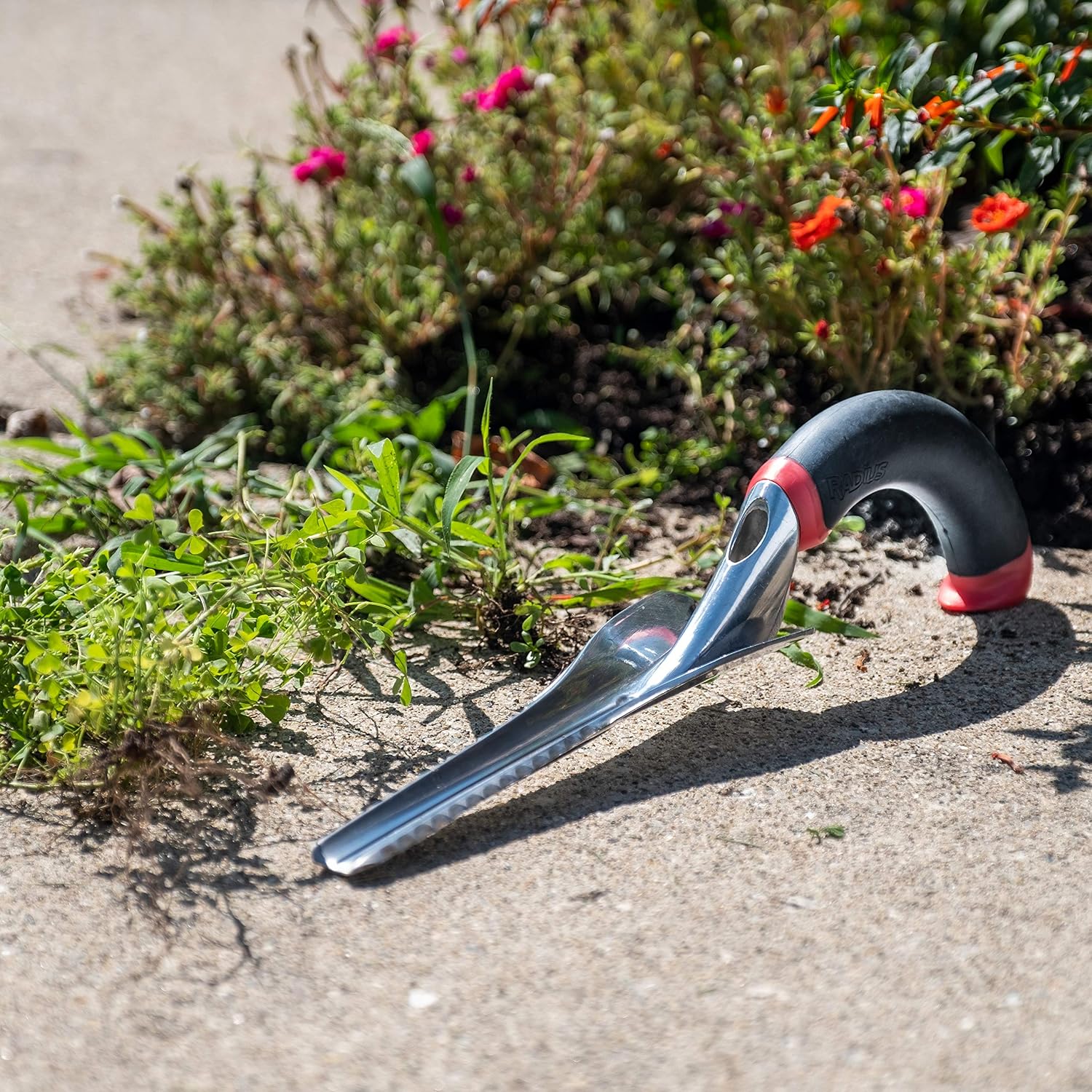
A thick layer of dead grass and roots can turn your yard into a muddy, patchy mess that traps moisture, invites pests, and frustrates your dog’s digging instincts. Learning how to dethatch a lawn by hand is the safest way to remove that suffocating layer without the noise and flying debris of a power rake. You get better water flow, healthier grass, and a safer surface for paws.
Manual dethatching does take elbow grease, but it gives you total control. You can work in small sections, avoid shallow roots, and keep your pets nearby without scaring them. I’ll walk you through the exact tools, technique, and safety steps.
📌 Why Dethatching Matters for Pet Owners
Thatch is the spongy layer of dead grass, roots, and stems that builds up between the green blades and the soil. A thin layer acts like a cushion, but once it grows past about half an inch, it starts causing real problems. It blocks water, oxygen, and fertilizer from reaching the grass roots where they’re actually needed.
For pet owners, a thick thatch layer gets extra messy. It traps moisture near the surface, creating damp, muddy, pest-friendly spots where dogs love to roll and dig. Fleas, ticks, and fungal issues tend to thrive in that soggy, shaded layer. You might also notice your dog tracking more mud and thatch bits into the house after every trip outside.
Removing thatch lets air and water move down into the root zone, which encourages deeper, tougher root growth. Healthier grass tolerates pet traffic and urine spots much better. The turf can recover faster instead of turning into weak, thin patches.
Watch for these signs that your lawn needs dethatching:
- The ground feels spongy or bouncy when you walk across it.
- Water puddles or runs off instead of soaking in.
- You see brown, thinning patches even with regular watering.
- Your pet comes inside covered in extra mud or dead grass debris.
If you notice two or more of those signs, it’s probably time to dethatch. The good news is you don’t need a loud power rake — a manual dethatching rake works well for small and medium lawns.
📌 Tools You Need for Manual Dethatching
The only absolute must-have is a manual dethatching rake. It looks similar to a leaf rake, but the tines are rigid, curved, and much sharper. A regular garden rake skims the surface and gathers leaves; a dethatching rake digs slightly into the turf and pulls up brown, matted thatch.
For a typical pet-friendly yard, I keep three simple tools on hand:
- Dethatching rake — choose one with tines that are secure and comfortable to pull. Some have adjustable depth settings, which help you avoid digging too aggressively.
- Garden fork — useful for small, tough patches or compacted spots. Rock it gently to loosen thatch without ripping up healthy grass roots.
- Leaf rake — after you pull the thatch up, a flexible leaf rake makes cleanup faster and easier on your back.
Optional supplies make the job more comfortable and tidy:
- Leather or grip gloves — the rake handle can cause blisters quickly during long pulling sessions.
- Kneeling pad or knee pads — you’ll often be close to the ground when inspecting your work or raking edges.
- Lawn bags or a tarp — pile thatch as you work, then haul it away in one trip.
- Compost bin — dethatching debris breaks down well, but only if your lawn hasn’t been treated with herbicides or pesticides recently.
Skip chemical dethatchers in any area where pets roam. Many liquid thatch digesters are not meant for direct contact with paws, and curious dogs may lick treated grass. Manual tools are safer and give you more control
🔑 Step-by-Step: How to Dethatch Your Lawn by Hand
Timing matters. For cool-season grasses like fescue or Kentucky bluegrass, dethatch in early fall or early spring when growth is active. Warm-season grasses like Bermuda or zoysia recover best from a late spring to early summer dethatching. Avoid working on dormant or drought-stressed lawns.
- Mow and water first. Cut the grass about 1/2 to 1 inch shorter than normal. Lightly water 1–2 days beforehand so the soil is damp but not soggy — this makes thatch easier to pull up.
- Rake in one direction. Use a dethatching rake with curved tines. Pull it toward you in firm, straight strokes, letting the tines dig into the thatch layer and lift it from the soil surface.
- Work small sections with overlapping passes. Divide the lawn into strips or blocks. Overlap each pass by a few inches so you don’t miss spots. Thick thatch may need two or three passes per section.
- Collect and compost the debris. Rake up the loosened thatch and add it to your compost pile if it hasn’t been treated with herbicides. Leaving it on the lawn can smother grass and invite pests.
- Water and lightly fertilize. After dethatching, give the lawn a deep but gentle watering. A light application of a balanced, slow-release nitrogen fertilizer can speed recovery and help fill in thin areas.
Expect the lawn to look a little ragged for a week or two — that’s normal. Keep pets and foot traffic off the area for a few days so the roots can re-establish.
📌 Pet Safety Precautions During and After Dethatching
Dethatching turns your lawn into a short-term hazard zone. The tines are sharp, the soil gets loose, and buried junk often surfaces. Keep your pets safe with a few simple rules before, during, and after the job.
- Contain pets while you rake. A thatch rake can snag a paw, tail, or nose in a split second. Put dogs and cats indoors or in a separate fenced yard until all raking and bagging is finished.
- Sweep for sharp debris before pets return. Dethatching routinely pulls up nails, staples, or bits of wire that were hidden in the turf. Pick them out by hand or use a magnetic sweeper to catch metal.
- Wait 24–48 hours before reopening the lawn. Freshly dethatched soil is loose, and heavy paws can tear up exposed roots and grass crowns. Giving it a day or two helps the lawn settle and reduces paw damage.
- Use pet-safe seed and fertilizer if overseeding. Not all lawn products are safe for pets. Choose seed and fertilizer labeled pet-safe, and follow package instructions for re-entry time.
- Check paw pads after the first play session. A tender, scratched-up lawn can be abrasive. Look for redness, cuts, or limping, and rinse paws with water if they’re coated in loose thatch or soil.
If your dog loves to sprint or dig, consider keeping them on a leash or blocking off the most torn-up areas for a couple extra days.
🔑 How to Prevent Thatch Buildup in a Pet-Friendly Yard
Thatch prevention starts with sensible lawn habits. It’s much easier than scraping dead grass out by hand every spring, and it keeps the yard softer for paws. My go-to routine focuses on mowing, feeding, aeration, and watering.
- Mow at the right height. Keep cool-season grasses around 3–3.5 inches and warm-season grasses 1.5–2.5 inches. Only leave clippings if they’re shorter than 1 inch so they break down quickly.
- Ease up on nitrogen near pet areas. High-nitrogen fertilizer speeds up shoot growth and can accelerate thatch. Choose a slow-release, pet-safe formula and follow the label rate.
- Aerate once a year. Pet traffic compacts soil, which slows decomposition. Core aeration in early fall or spring opens up the root zone and lets microbes work.
- Water deeply and less often. Aim for about 1 inch per week, including rain, delivered in one or two sessions. This encourages deep roots instead of shallow, thatch-prone growth.
- Flush urine spots right away. Pour water on yellow patches to dilute salts and nitrogen. It prevents dead zones that turn into matted thatch later.
These steps keep your lawn healthier without adding chemicals or putting pets at risk.
❓ FAQ: Hand Dethatching and Pet Safety
How do I know if my lawn has too much thatch?
Slide a garden trowel or knife into the turf and pull out a small wedge. If the brown, spongy layer between the green grass and soil is more than 1/2 inch thick, thatch is building up. A little thatch — under 1/2 inch — actually cushions roots and is fine.
Can I dethatch by hand if I have a large yard?
Yes, but be realistic. Hand raking works best for small to medium lawns, roughly a few thousand square feet. For a quarter-acre or more, break the job into sections over several weekends or rent a power dethatcher. Your back will thank you.
Is a dethatching rake safe to use around pets?
Keep dogs and cats indoors or in another part of the yard while you work. The tines are sharp and can cut paws. Even after raking, loose debris and small twigs can hide in the grass, so clear the area before letting pets back out.
Will dethatching hurt my grass or make it unsafe for dogs?
Done at the right time, dethatching temporarily stresses grass but helps it grow back denser. Avoid heavy raking during drought or extreme heat. The lawn itself stays safe for dogs once debris is removed — just don’t use chemical thatch decomposers near pets.
How often should I hand dethatch a pet-friendly lawn?
Most lawns with normal pet traffic need dethatching every 1-3 years. If your dog tears up turf or you have heavy clay soil, check thatch each spring and fall. Only dethatch when the layer exceeds 1/2 inch.
Can I dethatch when my dog uses the lawn every day?
Yes, but plan around potty breaks. Pick a mild, dry weekend and keep your dog off the section you’re working until you’ve raked up debris and given the grass a light watering. Supervise the first few minutes back outside.
1 thought on “How to Dethatch a Lawn by Hand: A Pet-Safe Guide for 2026”