
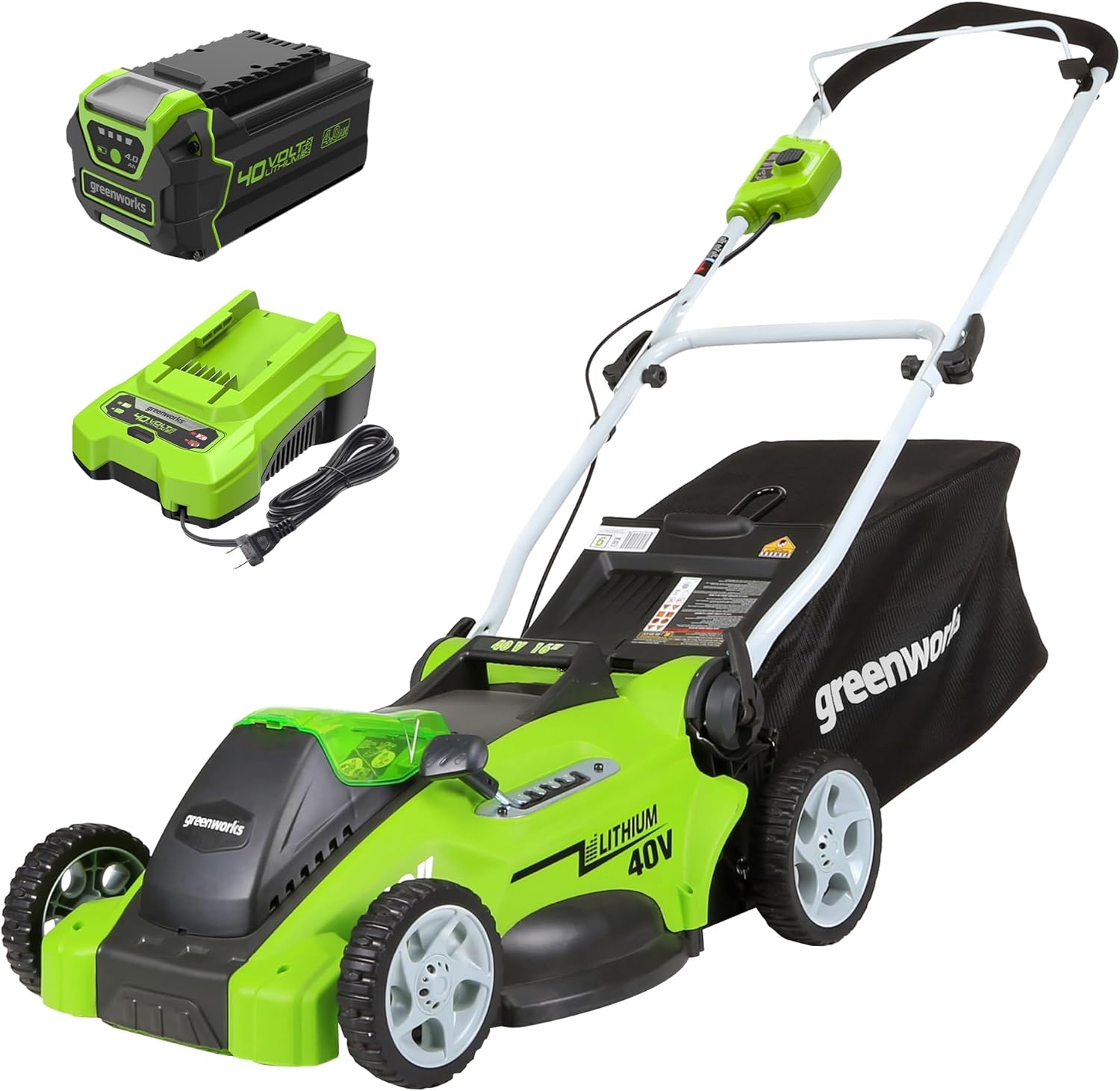
The underside of your mower deck is a sticky mess hiding in plain sight. Old grass clippings, fertilizer residue, and moisture build up after every single cut. If you have dogs, that gunk becomes a genuine health hazard the moment it sprays across your freshly cut lawn. Knowing how to clean lawn mower deck surfaces properly is step one in protecting them.
Rotting clippings breed bacteria, mold, and fungi under the deck. Your next mow flings those pathogens onto grass at high speed — right where your dog sniffs, rolls, and plays. That’s not a risk I’m willing to take with my own two dogs.
In this 2026 pet-safe guide, I’ll walk you through the tools, cleaning solutions, and disposal steps I trust. You’ll get the exact method I use to keep my mower clean and my yard safe — no harsh chemicals required.
📌 Why Cleaning Your Lawn Mower Deck Matters for Pet Owners
That thick cake of grass stuck under your mower isn’t just ugly. It’s a thriving little ecosystem of mold, bacteria, and sharp dried debris — and your dog or cat sniffs right where those clippings fall.
Every time you mow, chunks of that buildup break loose and get flung across your lawn. If your pets play, roll, or graze on that grass, they’re contacting whatever was festering under the deck. I’ve pulled everything from rotting leaf matter to tiny embedded stones out of mower decks, and none of it belongs near your pet’s paws or mouth.
Rust is another worry. As the deck corrodes, rust flakes and metal shavings mix into fresh clippings. A cut or scratched paw that steps on those fragments can pick up dirt and bacteria, which some vets link to tetanus risk in both dogs and cats. It’s rare, but why roll the dice when a 15-minute scrape prevents it?
There’s also a simpler reason: a clean deck throws clippings evenly instead of dumping clumps. You’ll have fewer hidden piles of wet grass on your pet’s play area — and less slimy, moldy stuff for them to find.
That’s why the pet-safe approach matters. Most commercial deck cleaners contain harsh solvents. The methods I’ll walk you through use ingredients you already have at home, so your lawn and your animals stay out of harm’s way.
📌 Pet-Safe Tools and Cleaning Solutions You’ll Need
Cleaning a mower deck isn’t complicated, but it does require the right gear. Especially when you’ve got pets roaming the yard afterward — the last thing you want is toxic residue left on grass clippings your dog sniffs, rolls in, or eats.
Here’s my go-to toolkit and the pet-safe solutions I trust every single time.
🧴 Pet-Safe Tools and Cleaning Solutions You’ll Need
Start with the basics: a plastic scraper, putty knife, and stiff-bristle brush handle most of the caked-on grass. A hose with a nozzle works for rinsing, and a pressure washer is optional — just be careful not to blast water into bearings or seals.
For the cleaners, skip the harsh stuff. These three pet-safe options break down grass and grease without leaving dangerous residue:
- White vinegar — cuts through sap and stubborn grime; mix 1 part vinegar to 3 parts water
- Baking soda paste — great for scrubbing baked-on grass patches
- Mild dish soap (like Dawn or Seventh Generation) — lifts oily residue safely
- Enzymatic degreasers — bio-based formulas that digest organic buildup; look for plant-derived labels
What you should never use: bleach, ammonia, or commercial solvent-based degreasers. They leave toxic fumes and residues that cling to grass clippings long after you’ve rinsed the deck. If your dog walks through that area or chews on grass, you’re inviting trouble.
Before you start, put on gloves and safety glasses — deck grime is sharp and nasty. Keep your dog indoors or on a leash away from the work area until everything is fully dry and rinsed. That usually means waiting 30–60 minutes after cleaning before letting them back onto the lawn.
📌 Step-by-Step Guide to Removing Grass and Debris Safely
You don’t need fancy equipment for this job — just a scraper, a stiff brush, and about 20 minutes. Here’s the exact order I follow every time, and it keeps my deck clean well into the season.
- Prep the mower first. Kill the engine, disconnect the spark plug wire, and give the deck at least 30 minutes to cool completely. On electric models, slide the battery out before you touch anything.
- Scrape off the thick buildup. A plastic scraper or old putty knife works best — metal tools gouge the paint and invite rust. Work in one direction, from the discharge chute toward the center, and let the clumps fall onto a tarp below.
- Loosen the residue with a brush. Dip a stiff-bristle brush into a pet-safe vinegar and water solution (one part vinegar to three parts water) and scrub away the remaining film. The mild acid cuts through grass sap without leaving harsh chemical fumes behind.
- Rinse gently and dry thoroughly. A soft stream from a garden hose is plenty — pressure washers force water into bearings and seals. Towel it off or use an air compressor, because standing water quickly turns into rust on pulleys and spindles.
- Finish with a protective layer. Apply a thin coat of food-grade oil or silicone lubricant to the underside to keep grass from sticking next time. Verify the label says pet-safe before spraying — if you wouldn’t use it near your dog’s food bowl, skip it. Reapply every few mows for the best effect.
🔑 How to Dispose of Clippings and Waste Without Risking Pet Health
Disposing of what you scrape off the deck matters just as much as the cleaning itself. Leftover grass clippings can become a health hazard for curious pets before you realize it.
Scoop everything — the grass clumps, rinsed debris, and stray bits — straight into a designated yard waste bag or your compost bin. Don’t dump it on the lawn edge where your dog can nose through it. Wet grass piles are exactly what pets love to sniff and sometimes eat. That’s risky because moldy grass can upset their stomachs, and certain molds produce toxins that may cause more serious illness.
If you compost, keep the bin fenced off or covered until the material fully breaks down. Finished compost is safe for garden use, but active piles attract pets and wildlife. A closed tumbler or a bin with a tight lid solves this completely.
Never rinse clippings into storm drains. Grass and fertilizer residue flow straight into local waterways, polluting water and harming fish and other wildlife. Let the debris dry and bag it instead.
Finally, clean your tools and the work area before calling it done. A quick rinse of your scraper, brush, and the driveway spot where you cleaned prevents dogs from licking residual grass or cleaning solution off the ground. A few extra minutes here keeps your yard — and your pets — safe.
📌 Preventative Maintenance Tips to Keep Your Lawn and Pets Safe
🛡️ Preventative Maintenance Tips to Keep Your Lawn and Pets Safe
Cleaning the deck every 4–6 uses is the single best habit you can build. Fresh grass comes off in minutes. Dried, packed-on grass takes scraping, soaking, and swearing. That buildup also traps moisture against the steel, which is exactly how rust starts eating your deck.
A quick pre-mow spray makes cleanup dramatically easier. I coat the underside with a thin layer of pet-safe cooking oil or silicone spray before I start. Grass slides right off instead of baking on. Just make sure the product is food-grade and fully dry before the blades spin.
Inspect the blades and deck regularly — look for sharp burrs, cracks, or loose fasteners. A chipped blade can fling debris toward your dog’s paws. A wobbly bolt can turn the whole deck into a hazard. Give it a 30-second check every time you refuel.
Storage matters too. Keep the mower in a dry, locked shed or garage. Pet-safe doesn’t mean dog-proof; curious noses love licking oil residue off the underside. Cleaning supplies and lubricants should live on a high shelf or in a locked cabinet.
Finally, reduce wet clippings before they become a problem:
- Mow in the late morning once dew has dried — never right after rain.
- Keep grass at about 3 inches tall so you’re never cutting more than a third of the blade.
- Alternate your mowing direction each session to prevent ruts and compaction.
A consistent lawn routine means less sticky debris, fewer deep cleanings, and a safer yard for your dog to tear around in.
❓ FAQ: Cleaning Lawn Mower Decks with Pets at Home
Here are the questions I hear most often from pet owners who want a clean deck without putting their dogs at risk.
Can I use vinegar to clean my lawn mower deck safely around pets?
Yes — white vinegar is one of the safest options. Mix one part vinegar with three parts water, let it sit for about 10 minutes, then wipe it off. Rinse with plain water afterward. The residue is mild, but that still doesn’t mean you want your dog licking the deck.
How often should I clean my lawn mower deck?
Clean it every two to three mows, or whenever you see grass buildup thicker than about half an inch. In peak growing season, that can mean weekly. A clean deck cuts better and leaves fewer hidden clumps for your pet to sniff out.
What is the safest way to keep grass from sticking to the deck without using chemicals?
Coat the underside with a thin layer of vegetable oil before you start mowing, and make sure the grass is dry first. Food-grade oil is completely pet-safe and does a great job keeping clippings from bonding to the metal. Reapply it after each wash.
Are pressure washers safe for lawn mower decks and pets?
Yes, if you use them carefully. Keep the nozzle 12 to 18 inches from the deck to avoid forcing water into bearings and seals. The bigger concern is runoff — position the mower so your pets can’t access the oily wastewater.
Is it okay to compost grass clippings from a freshly cleaned mower?
Yes, if you only used pet-safe cleaners like vinegar or plain water. Skip the compost pile if you used solvents or degreasers. Also avoid composting clippings from lawns treated with herbicides — those residues can linger and harm pets.
What should I do if my pet licks the lawn mower deck before I clean it?
Don’t panic. A lick or two of dried grass and grease rarely causes real harm, but watch for vomiting or diarrhea and call your vet if either appears. The real danger comes from fuel and degreaser spills, so always store the mower out of reach and clean those up immediately.
2 thoughts on “How to Clean a Lawn Mower Deck (Pet-Safe 2026 Guide)”