
The first time I edged along our fence with a string trimmer, my dog sprinted over thinking it was playtime. That moment taught me that how to edge a lawn safely around pets goes way beyond crisp lines. It’s about preventing sliced paw pads, flying debris, and accidental contact with edge treatments.
Most pet owners don’t realize how quickly a curious nose or wagging tail can get too close to spinning line or a freshly cut border. The good news? You can get professional-looking edges without locking your pets inside all afternoon. I’ll walk through pet-safe tools, non-toxic products, and a step-by-step process that keeps everyone safe.
📌 Why Pet Owners Need to Edge Lawns Carefully
Lawn edging creates crisp boundaries, but it also introduces two hazards many pet owners overlook: chemical residues and fast-moving blades. String trimmers spin at thousands of RPM. A dog that chases the line or steps into the cutting path can end up with torn paw pads, split nails, or a deep cut before you can react.
Traditional edging often pairs with herbicides, lawn paints, or adhesive barriers. Those products leave residue on grass blades and soil. Dogs lick their feet. Cats groom constantly. That turns a clean edge into an accidental ingestion risk you won’t notice until symptoms appear.
Exposed metal or plastic edging causes its own problems. Sharp corners, bent stakes, and shallowly buried strips can slice paw pads or snag toenails during zoomies. Uneven turf around a poorly cut edge also creates slip risks, especially for older dogs, short-legged breeds, or cats that walk the fence line.
Common injuries I see from careless edging include:
- Torn paw pads from string trimmer contact or sharp edging
- Chemical burns or stomach upset after licking herbicide residue
- Slips and muscle strains on freshly cut soil or uneven edges
The goal isn’t to skip edging. It’s to create a clean, walkable boundary that won’t punish a pet for being a pet. That means choosing pet-safe materials, limiting chemical use, and using the right technique. Even if you don’t have pets, the same care prevents turf damage, weed invasions, and dried-out grass roots.
📌 Pet-Safe Tools and Materials for Lawn Edging
The right edging tool matters more than anything when pets are nearby. You want clean edges without flying debris or sudden loud noise that sends a dog running.
| Tool Type | Pet-Safe Advantages | Watch Out For | Best For |
|---|---|---|---|
| Manual edger | No motor, near-silent, no flying debris | Requires more effort; blade is exposed during use | Small yards, nervous pets |
| Electric edger | Blade guard standard, lower noise than gas | Cord can trip you or a pet; still sharp | Medium lawns with an outlet nearby |
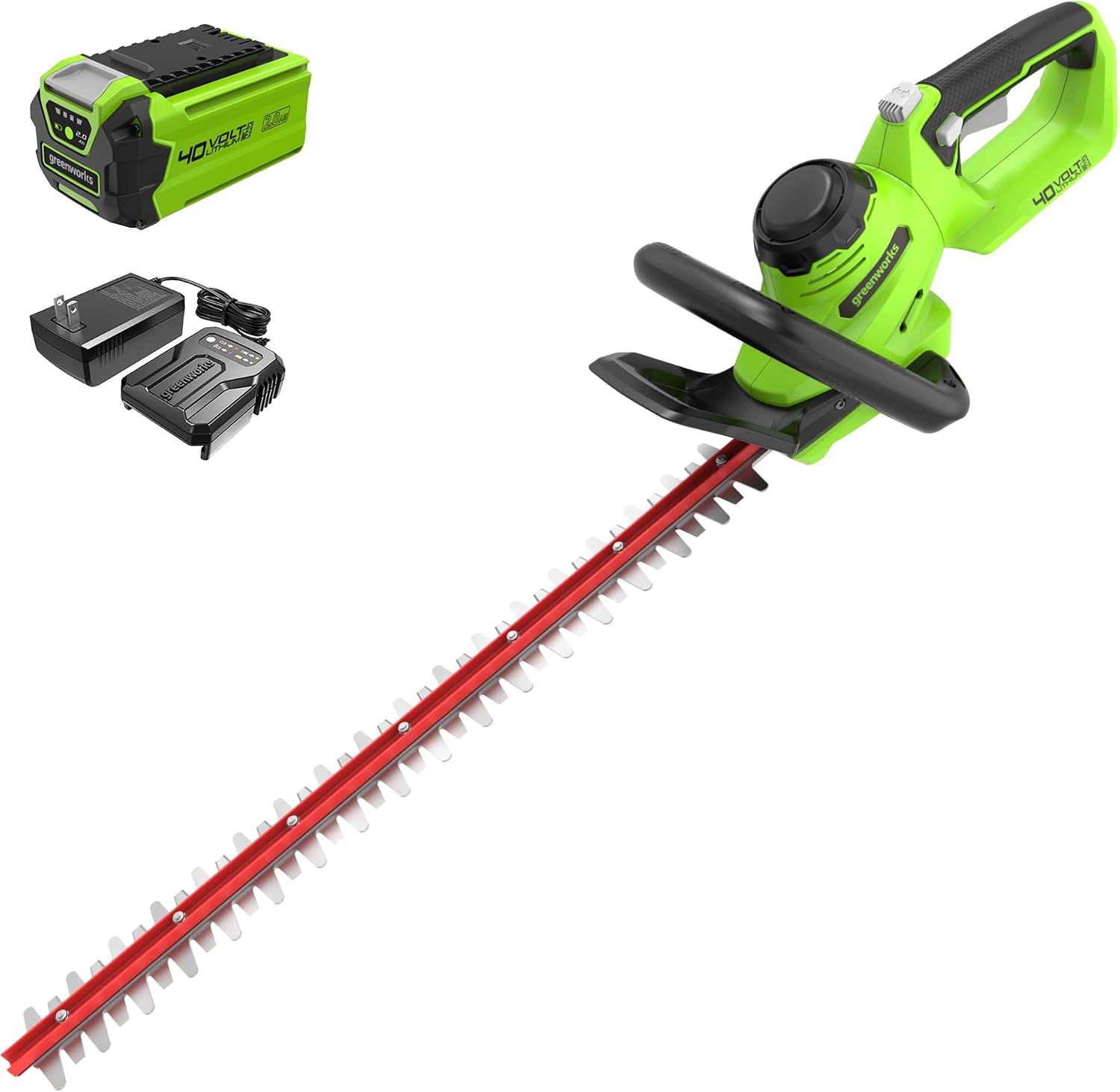
| String trimmer | Lightweight, fast, can be used vertically | Throws grass and small stones; string can sting | Quick touch-ups, but keep pets far away |
For pet-safe edging materials, I stick to these:
- Recycled rubber — flexible, no splinters, and it won’t leach treated-wood chemicals.
- Untreated cedar or redwood — naturally rot-resistant without added toxins.
- Powder-coated steel or aluminum — durable, smooth edges, and no sharp burrs if installed correctly.
Avoid pressure-treated lumber and any metal with exposed cut ends. Those can leave splinters or rust edges at paw level.
Finally, look for tools with full blade guards, low-noise motors (under 80 decibels if possible), and cordless designs that remove the trip hazard. A guarded blade won’t stop all accidents, but it reduces the chance of a curious nose meeting metal.
🔑 Step-by-Step: How to Edge a Lawn with Pets in the Yard
Treat edging like a small construction zone—closed off, quiet, and predictable. That setup lowers stress for both you and your dog.
- Remove pets and secure the perimeter. Close gates, use a temporary pet gate, or keep your dog indoors with a helper. You don’t want a curious nose near a spinning edger blade or a sudden escape through an open fence line.
- Mark the edge. Lay a garden hose, string, or chalk line along the desired curve or straight bed border. It gives you a clear sightline and keeps the cut consistent without stopping to guess.
- Cut at the right depth. For a manual half-moon edger or spade, slice 2–3 inches deep with a steady vertical push. With a powered edger, move slowly along your marked line. The goal is a clean edge, not a deep trench.
- Remove sod and debris carefully. Lift cut strips in small sections, shake off loose soil, and toss them straight into a bucket or wheelbarrow. Don’t leave plastic edging fragments, string, or sod chunks on the lawn—pets may chew or step on them.
- Inspect before letting pets back. Run a gloved hand along the new edge to check for sharp stones, exposed staples, or plastic shards. Rake away loose clippings. Once it feels smooth and clear, let your pet back out for a quick supervised once-over.
📌 Choosing Non-Toxic Lawn Edging Products and Barriers
When my dog follows me around the yard, I want edging that won’t cut paws or leach anything questionable. I look for smooth, rounded profiles and avoid anything with exposed metal spikes or sharp cut edges.
No-dig edging made from flexible recycled plastic or composite installs without nails and sits flush with soil. Rubber landscape edging bends around curves and won’t splinter like wood, but choose dense, heavy-gauge pieces so curious chewers can’t tear off small crumbs.
| Barrier type | What to look for | Watch out for |
|---|---|---|
| No-dig plastic or composite | Rounded top edge, UV-stable, no metal spikes | Thin strips that snap into sharp shards |
| Rubber landscape edging | Heavy-gauge recycled rubber, smooth surface | Crumbly texture small dogs can swallow |
| Stone borders | Flagstone, cobble, or river rock with a buried base | Rough fractured edges; unstable stacking |
For weed control, I skip chemical sprays entirely. Lay down flattened cardboard or several sheets of newspaper under mulch to smother weeds. Natural mulches like shredded hardwood, pine bark, or straw are fine, but avoid cocoa bean mulch—it’s toxic to dogs. Cedar mulch has a strong scent, so I use it only where my dog doesn’t dig.
There’s no single “pet-safe” government certification, so I read the whole label. For plastics and rubber edging, I check for “phthalate-free,” “BPA-free,” and “non-toxic.” For weed suppressants, look for OMRI Listed or wording like “safe around pets and wildlife when used as directed.” If I’m unsure, I call the manufacturer and ask about inert ingredients.
📌 Common Lawn Edging Mistakes That Can Harm Pets
Edging itself is usually safe, but the steps around it are where pets get hurt. I see the same preventable problems in yards with curious dogs and cats.
- Spraying weed killers or fertilizer near fresh edges. Products containing glyphosate or 2,4-D can cling to paws and fur. Pets may lick them off later. If you treat, follow the label’s restricted-entry interval — often 4 to 48 hours depending on the formula.
- Leaving sharp metal or plastic edging exposed at paw height. Rolled steel and rigid plastic strips can have cut edges or upturned corners. A running dog can slice a pad. Bury edging flush with soil, cap exposed ends, or switch to rounded composite barriers.
- Letting pets back too soon after edging and cleanup. Fresh soil, grass clippings, and product residue stick to paws. Keep pets off the area until you’ve raked, bagged clippings, and watered if needed. I usually wait at least 30 minutes after cleanup.
- Skipping a hidden debris check. Edging often unearths glass shards, old nails, thorns, or jagged roots. One slow pass along the edge line with a rake and gloved hand removes what pets might step on or chew.
A quick before-and-after walk of the edged border takes under five minutes and prevents most paw injuries.
❓ FAQ: Edging Your Lawn Around Dogs and Cats
Can I use a string trimmer around pets if they are supervised?
Supervision alone isn’t enough. String trimmers fling stones, sticks, and plastic line fragments at high speed. Keep dogs and cats at least 15 feet away or inside while you work, even if they’re calm.
How long should pets stay off the lawn after edging?
For basic trimming, wait until the area is dry and you’ve picked up debris—usually 1 to 2 hours. If you applied adhesive, fertilizer, or grass-safe paint, follow label instructions and wait 24 hours before letting pets back on.
What is the most pet-safe type of lawn edging material?
Smooth aluminum or composite edging is a solid choice. It has no frayed fibers or treated wood chemicals. Avoid wire, sharp metal ends, and pressure-treated lumber, which can splinter or leach compounds into soil.
Are electric edgers safer for pets than gas-powered models?
They can be, mainly because they produce no exhaust fumes and less noise. Corded models add trip-and-chew hazards, so a battery edger is often the lower-risk option if pets are nearby. Still keep animals out of the work zone.
How do I keep my dog from digging along newly edged borders?
Bury edging at least 2–3 inches deep and pack soil firmly. Lay hardware cloth or landscape staples under mulch near the edge. Give your dog a designated digging spot and redirect with treats or toys when they nose around the border.
Do I need to rinse the lawn after edging to remove dust or residues?
A light rinse can help settle dust and wash away tiny plastic fragments from trimmer line. Do it after you’ve swept walkways. Skip rinsing if you used seed or fertilizer—water may move those into pet traffic areas.