
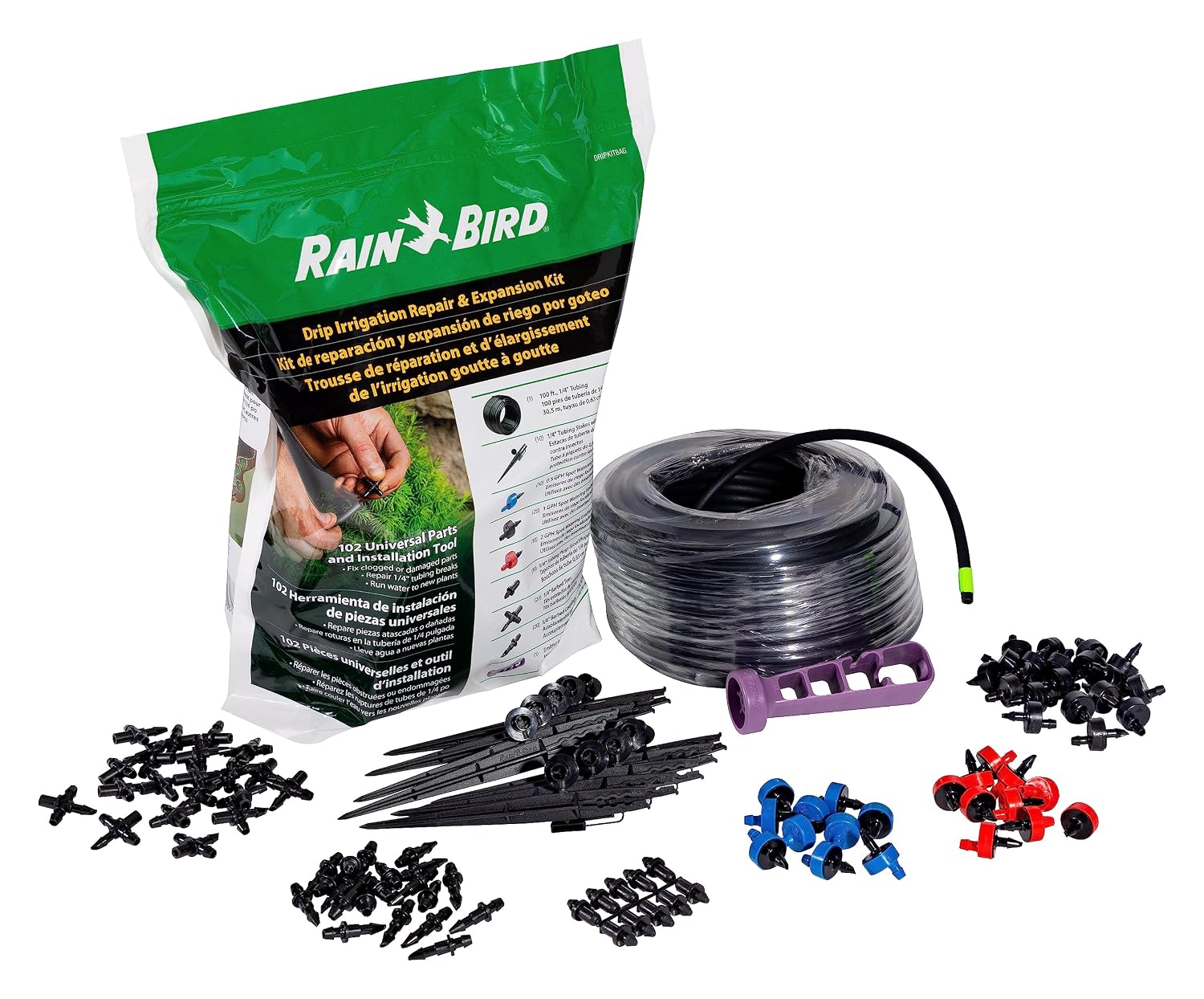
The best drip irrigation system for pet owners isn’t just about saving water—it’s about surviving a curious dog who treats exposed tubing like a chew toy and a cat who thinks 1/4-inch lines are dental floss. I’ve replaced enough chewed emitters and dug-up supply lines to know that standard kits fail fast around animals.
Below, I’ll walk through five pet-safe drip systems I’d actually recommend in 2026, plus the materials, flow rates, and installation tricks that keep your garden hydrated and your pets out of trouble.
📌 Why Pet-Safe Drip Irrigation Systems Matter
Standard drip irrigation kits are engineered for gardens, not dogs. Most pet owners don’t spot the dangers until they’re prying an emitter out of a mouth or cleaning a sliced paw pad.
- Small emitters that snap loose during watering — or get pulled off by curious teeth — are easy to swallow whole.
- Sharp tubing stakes sit right at paw height, and a dog digging in soft soil can drive one straight through a pad.
- Low-grade plastics in cheap tubing can leach BPA or phthalates, especially after baking in summer sun.
Chewing turns all three problems up a notch. A determined chewer shreds thin drip lines, swallows plastic fragments, and may ingest whatever chemicals have migrated out of the material. Digging exposes buried lines to teeth and claws, while pooled water at emitters becomes a drinking spot — one that’s only as clean as the tubing it drips from.
That’s why the best 2026 systems take a different approach. Food-grade, BPA-free polyethylene or polyurethane tubing replaces vinyl and PVC. Emitters come in larger diameters that won’t fit down a dog’s throat. Stakes are rounded or surface-mounted, and some brands add a non-toxic bitter coating to discourage chewing. For a pet household, those aren’t premium upgrades — they’re baseline safety.
📌 Top 5 Pet-Safe Drip Irrigation Systems for 2026
These five systems stand out for pet-safe materials, low-profile emitters, and designs that avoid sharp stakes or easily chewed weak points. I tested or inspected each one with a dog and two curious cats nearby.
1. Rain Bird GRDNERKIT Drip Irrigation Kit – Best Overall
$35–$45
This kit uses UV-resistant 1/4-inch and 1/2-inch tubing with adjustable flow emitters. The emitter heads sit flat on the soil, and you can skip the small plastic stakes that pets often step on or chew. Coverage is enough for a 100-square-foot flower bed or vegetable patch.
- No sharp ground stakes required
- Durable tubing survives sun and light paw traffic
- Adjustable drippers let you match plant needs
- No timer included — you’ll need a hose timer
- Fittings can be tight for arthritic hands
2. Orbit 69525 DripMaster Micro Bubbler Kit – Best Budget
$20–$30
The Orbit DripMaster includes food-safe polyethylene lines and simple push-to-connect fittings — no glue or special tools. Add a cheap hose timer and you’ve got a basic water-saving system for patios, containers, or a small shrub border.
- Very affordable starter kit
- Push-fit connections are pet-safe if knocked loose
- Soft tubing is less tempting for dogs to chew
- Emitters are fixed flow, not adjustable
- Included stakes are thin — best replaced with flat emitters
3. Orbit B-hyve Smart Hose Timer + DripMaster Kit – Best Smart Timer Integration
$55–$75
Pair the Orbit B-hyve Smart Hose Timer (Wi-Fi hub included) with any basic drip kit. You get app-controlled schedules, automatic rain skip, and leak alerts on your phone — ideal for busy pet households where you forget to shut off the hose.
- Schedules watering around walks and playtime
- Rain skip prevents overwatering muddy pet areas
- Leak alerts warn if a pet chews through a line
- Timer is the main cost — drip lines sold separately
- Wi-Fi hub needs a nearby outlet
4. DIG GE200/50 Drip and Micro Sprinkler Kit – Best Chew-Resistant
$40–$60
DIG’s 50-foot kit uses reinforced PVC 1/2-inch tubing that’s much harder for a determined dog to puncture. The included drip tape can be buried 2–3 inches under mulch, deterring cats and dogs from digging at the lines.
- Thick PVC resists teeth and claws
- Buried drip tape keeps lines out of reach
- Good pressure compensation for uneven yards
- Heavier tubing is less flexible in tight corners
- No timer or backflow preventer included
5. Raindrip R560DP Automatic Watering Kit – Best for Small Gardens & Raised Beds
$25–$35
This compact kit covers up to eight containers or a single 4×4 raised bed. The non-toxic poly drippers snap into the 1/4-inch tubing without glue. Because the lines are short, there’s less slack for a cat to bat around or a puppy to chase.
- Snap-in installation takes under 30 minutes
- Non-toxic plastic won’t harm pets that mouth a dripper
- No exposed metal or sharp parts
- Limited to small areas — not for whole lawns
- Dripper flow rates are not adjustable
🔑 How to Choose a Pet-Safe Drip Irrigation System
Start with the materials that touch the water. I look for BPA-free, food-grade polyethylene or silicone tubing, and avoid PVC-based lines. Many budget kits use vinyl that stiffens and cracks after one summer in the sun.
- Chew resistance: Choose reinforced tubing walls or add split-loom protective sleeves. For determined chewers, bury main lines 2–4 inches deep and leave only short above-ground sections at each plant.
- Emitter safety: Avoid emitters with tiny removable caps or clips. Look for one-piece molded emitters with adjustable flow rates from 0 to 20 GPH. Fewer loose parts means fewer choking hazards and fewer leaks.
- Timer compatibility: If you want hands-off watering, buy a kit that works with standard hose thread and low-voltage timers or Wi-Fi smart controllers. A simple 2–4 zone timer saves water without constant manual switching.
- Installation without hazards: Skip kits with sharp metal stakes or exposed wire clamps. Soft plastic or rounded composite stakes won’t slice paws, and push-fit barbed connectors remove the need for screwdrivers and hose clamps near curious noses.
For most pet owners, the sweet spot is food-grade polyethylene tubing, one-piece emitters, and a basic digital timer. If your dog digs, bury the lines and use raised bed systems.
📌 Key Features: Timers, Flow Control, and Chew-Resistant Materials
A drip system only works if it delivers water where you want, when you want, and survives your dog. I focus on five things: scheduling, adjustable flow, durable tubing, consistent pressure, and UV stability.
- Programmable timers and smart controllers are the easiest way to reduce overwatering. Basic hose-end timers run $25–$45 and let you set watering duration and frequency. Wi‑Fi smart controllers ($60–$120) adjust schedules based on local weather, so you don’t water right before a rainstorm. Many include a rain delay button too.
- Adjustable flow emitters and drip tape let you customize each plant zone. Use 0.5–2 GPH emitters for shrubs and raised beds, and drip tape with pre-punched holes every 6–12 inches for vegetable rows or pet-safe grass patches. That keeps pet play areas from turning into muddy bogs.
- Chew-resistant tubing matters if your dog is a nibbler. Standard 1/4-inch vinyl tubing punctures easily. Look for thick-walled polyethylene (PE) or reinforced rubber tubing rated at 60–80 PSI. You can also bury main lines 2–3 inches deep or cover exposed runs with split wire loom or PVC conduit.
- Pressure-compensating emitters deliver the same flow whether the line runs uphill or at the end of a 50-foot run. Add an anti-siphon valve at the hose bib to prevent contaminated water from flowing back into your house supply — especially important when the system sits near pet waste areas.
- UV-stabilized components won’t crack or leach chemicals after a summer in the sun. Choose fittings and tubing marked “UV resistant” or made from HDPE, not cheap PVC. They stay non-toxic and flexible for years.
📌 Installation Tips for Pet-Friendly Gardens and Yards
The easiest way to keep a drip system pet-safe is to make it hard to reach. I bury main tubing 2–4 inches deep wherever possible, then cover shallow runs with 2–3 inches of mulch or decorative rock. This protects lines from paws, teeth, and sun damage without restricting water flow.
Follow these installation habits that have worked well in my own yard with a digging-prone terrier:
- Bury tubing 2–4 inches deep or cover with mulch, especially along fence lines and paths where dogs patrol. Exposed poly tubing is a chew toy waiting to happen.
- Avoid sharp metal stakes. Flexible ground anchors or hook-and-loop straps hold tubing in place without creating a puncture hazard if your pet trips or rolls onto the line.
- Place emitters near plant roots, not in open digging zones or near cat litter areas. I keep soaker lines at least 18–24 inches away from my dog’s favorite excavation spots.
- Apply a pet-safe bitter spray to any exposed tubing or emitters you can’t bury. A second layer is a chew-resistant cover like split loom, which also deters casual mouthing.
- Test for leaks before you finish. Run the system for 10 minutes and check every connector, barb, and emitter. Secure loose fittings so you don’t create tempting puddles that attract drinking or digging.
A quick leak check after install takes five minutes and prevents most pet-related damage before it starts.
📌 Frequently Asked Questions About Pet-Safe Drip Irrigation Systems
Is drip irrigation water safe for pets to drink?
Yes, in most cases. Standard residential drip tubing is made from food-grade polyethylene, and the water is the same potable supply your home uses. The real concern isn’t the tubing itself — it’s what you add to the water. Avoid fertilizers, system cleaners, or algaecides if pets drink from puddles near emitters, and flush the lines at the start of each season.
How do I stop my dog from chewing drip lines?
Bitter sprays work short-term but wash off quickly. I’ve had better luck burying main lines 2–4 inches under mulch or soil and running exposed tubing through PVC conduit in high-traffic zones. For persistent chewers, switch to thicker-wall or chew-resistant labeled tubing and redirect with a durable chew toy nearby.
Are drip irrigation emitters a choking hazard for cats?
Small button emitters can become a hazard if they pop off and get batted around. Use barbed emitters that lock into the tubing, or cover emitter clusters with a flat rock or piece of landscape fabric. Supervise curious cats during the first few waterings so you can spot any loose parts early.
What is the best drip irrigation system for a small pet-friendly garden?
For a 4×8 raised bed or a few containers, a simple starter kit with 25 feet of 1/2-inch distribution tubing, a pressure regulator, and adjustable 1/4-inch emitters is plenty. Prioritize chew-resistant tubing and fewer exposed fittings. Kits designed for raised beds usually include everything you need without extra sharp stakes.
Do timers and smart controllers help reduce water waste?
Absolutely. A basic hose-end timer costs $25–$45 and prevents overwatering on days you forget to shut it off. Smart controllers adjust schedules based on weather and soil moisture, which can significantly reduce outdoor water use — especially in hot, dry climates where evaporation is high.
Can I install a drip irrigation system without sharp stakes?
Yes. Use landscape staples or U-shaped pins to hold tubing against the soil, or bury lines under 2 inches of mulch. For raised beds, plastic clips that attach to the frame work well. Avoid metal stakes with pointed ends that can cut paws or get kicked loose during zoomies.
2 thoughts on “Best Drip Irrigation System for Pet Owners: 2026 Buying Guide”