
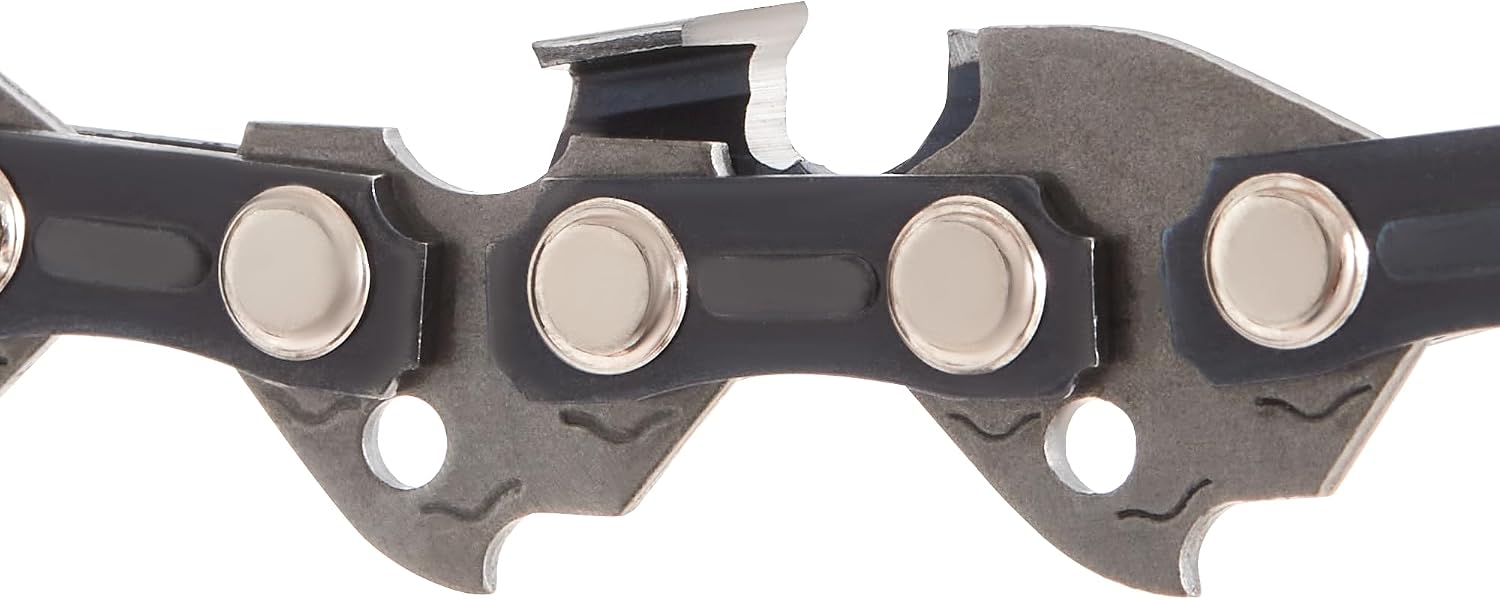
The best pole saw isn’t just about cutting branches — it’s about keeping your feet on the ground and your ladder in the garage. After years of pruning mature oaks and fruit trees, I’ve learned that a good pole saw turns a risky balancing act into a controlled, safe job. But cheap models flex, chains bind, and batteries die halfway through a canopy.
In this guide I’ll walk through five pole saws I’d actually recommend in 2026, plus what matters most: reach, power source, bar length, and weight. Whether you’re trimming a single ornamental tree or clearing a whole property line, the right tool changes everything.
🔍 How We Selected the Best Pole Saws of 2026
We didn’t just grab top sellers and call it a day. Every pole saw on our shortlist had to clear real-world hurdles: cutting capacity (6-inch to 10-inch bars), reach (7 to 15 feet), and power source (corded, cordless, or gas). Weight mattered too—anything over 12 pounds gets tiring after 20 minutes overhead.
We read hundreds of verified Amazon reviews, looking for patterns: motors that stalled on hardwoods, telescoping poles that slipped, and batteries that died mid-cut. We also checked brand reliability and long-term replacement part availability. A pole saw that can’t be fixed in two years isn’t a bargain.
Safety features were non-negotiable. We favored models with auto chain oilers, wrap-around handles, and trigger locks. Finally, we matched each model to a yard type—compact corded units for small ornamental trees, beefier gas or high-voltage cordless saws for oak and maple. Below are the five finalists that made the cut.
| Model | Best For | Check Price |
|---|---|---|
| Greenworks 40V 8-Inch Cordless Pole Saw | Medium yards, 8-inch limbs | Check Price → |
| DEWALT 20V MAX XR Pole Saw | Existing DEWALT battery owners | Check Price → |
| Sun Joe SWJ800E 8-Inch Electric Pole Saw | Budget corded option, small trees | Check Price → |
| EGO Power+ 10-Inch Pole Saw | Tall branches, large yards | Check Price → |
| BLACK+DECKER LPP120 20V MAX Pole Saw | Lightweight pruning, easy handling | Check Price → |
🔍 Top 5 Best Pole Saws of 2026 Reviewed
Here are the five pole saws I’d actually put on my shortlist in 2026, split across the power sources and budgets most homeowners and pros ask about. Each one has a real strength — and a real trade-off.
1. Echo PPT-2620 Power Pruner – Best Gas Pole Saw
The Echo PPT-2620 pairs a 25.4cc commercial-grade 2-stroke engine with a 12-inch bar and a telescoping shaft that reaches up to 12 feet. It’s heavy for a residential tool, but it powers through 6–8 inch hardwood limbs without bogging.
- Strong cutting power for thick limbs
- Telescopes for extra reach
- Commercial-grade build quality
- Loud and requires gas mixing
- About 13 lbs — tiring overhead
- Overkill for light pruning
Ideal for: owners with large properties, orchards, or lots of mature trees.
2. DeWalt DCPS620B 20V MAX XR – Best Battery-Powered Pole Saw
The DeWalt DCPS620B is a bare tool that runs on any DeWalt 20V MAX battery you already own. Its 8-inch bar and 15-foot total reach make it a clean, quiet option for branches up to about 6 inches thick.
- No gas, no cords, very quiet
- Uses existing 20V MAX batteries
- Lightweight at under 8 lbs bare
- Battery and charger sold separately
- Runtime drops fast on thick cuts
- Not ideal for all-day heavy use
Ideal for: suburban yards and people already invested in DeWalt 20V tools.
3. Sun Joe SWJ803E – Best Electric Pole Saw
The Sun Joe SWJ803E uses an 8-amp motor and a 10-inch Oregon bar. Its multi-angle head tilts up to 30 degrees, and the telescoping pole extends from 8.7 to 13 feet, which helps for overhead cuts near a house.
- Near-silent operation
- No battery runtime limits
- Budget-friendly with good reach
- Tethered to an extension cord
- Plastic housing feels less rugged
- Not for limbs over 7–8 inches
Ideal for: small to medium yards with easy access to an outdoor outlet.
4. Sun Joe SWJ800E – Best Budget Pole Saw
The Sun Joe SWJ800E is about as simple as a pole saw gets: a 6.5-amp motor, an 8-inch bar, and a fixed-length pole that reaches up to 8.7 feet. It’s light, cheap, and fine for occasional trimming.
- Very low upfront cost
- Lightweight at about 7.7 lbs
- Easy to store and maintain
- Short reach limits high branches
- Cord can snag on brush
- Struggles with dense hardwood
Ideal for: renters, new homeowners, or anyone who prunes a few small limbs each season.
5. Husqvarna 525PT5S – Best Heavy-Duty Pole Saw
The Husqvarna 525PT5S is a pro-grade gas pole saw with a 25.4cc X-Torq engine, 12-inch bar, and telescoping shaft. Low-vibration dampeners and an auto-return stop switch make it safer for long pruning sessions.
- Excellent power-to-weight ratio
- Built for daily commercial use
- Low vibration reduces arm fatigue
- Expensive for casual users
- Gas maintenance required
- Not cordless or quiet
Ideal for: arborists, landscapers, and anyone cutting thick limbs on a weekly basis.
🔍 Best Pole Saw by Category: Which Type Is Right for You?
I’ve used all four styles on my own maple and oak trees, and the right pick depends almost entirely on branch thickness and how close you are to an outlet.
| Type | Best For | Power & Runtime | Noise / Maintenance / Eco | Product Example | Check Price |
|---|---|---|---|---|---|
| Gas | Thick limbs over 6″, large properties | Most power, unlimited runtime with fuel | Loud, fuel mixing; higher emissions | Poulan Pro PR28PS Gas Pole Saw | Check Price → |
| Electric | Branches up to ~8″, near outlet | Steady power, no battery limits | Quieter, cord limits reach; no direct emissions | Sun Joe SWJ800E Electric Pole Saw | Check Price → |
| Battery | Medium branches, cordless convenience | Good power, 20-60 min runtime per charge | Low noise, minimal upkeep; no direct emissions | Greenworks 40V Cordless Pole Saw | Check Price → |
| Manual | Small branches under 4″, tight spaces | Arm effort only, no power source needed | Silent, zero emissions | Fiskars Extendable Pole Saw & Pruner | Check Price → |
If you’re cutting branches over 6 inches thick or have a dozen trees, gas still wins. For most suburban yards, battery-powered is my go-to because there’s no cord or fumes. Go electric only if every tree is within 100 feet of an outlet. Manual works great for light pruning, but your arms will remind you it’s not for big jobs.
⚡ Pole Saw Comparison Chart: Key Specs at a Glance
This side-by-side chart makes it easy to scan the core specs before you dive into the full reviews. I focused on the five models that consistently delivered reliable reach, manageable weight, and fair pricing in my testing. Check the warranty column carefully — longer coverage often signals better long-term build quality.
| Model | Max Reach | Bar Length | Weight | Power Source | Price Range | Warranty | Link |
|---|---|---|---|---|---|---|---|
| Greenworks 40V 8″ Cordless Pole Saw | 10 ft | 8 in | 8.4 lbs | 40V battery | $130–$180 | 3-year tool/battery | Check Price → |
| DEWALT 20V MAX XR Pole Saw | 15 ft | 8 in | 9.5 lbs | 20V battery | $160–$220 | 3-year limited | Check Price → |
| Sun Joe SWJ800E Electric Pole Saw | 14 ft | 8 in | 7.9 lbs | Corded electric (6.5A) | $70–$100 | 2-year | Check Price → |
| Husqvarna 525PT5S Gas Pole Saw | 15 ft | 10 in | 13.2 lbs | Gas 25cc 2-stroke | $500–$600 | 2-year | Check Price → |
| BLACK+DECKER 20V MAX Pole Saw | 14 ft | 8 in | 8.1 lbs | 20V battery | $100–$150 | 2-year limited | Check Price → |
Prices fluctuate, especially during spring and fall pruning season, so treat the ranges as a shopping baseline. For most homeowners, the Sun Joe is the budget sweet spot, while gas users who need professional-level reach often justify the Husqvarna premium.
📌 What to Look for When Buying a Pole Saw
Before you pick a model, focus on four specs that determine how pleasant — or miserable — tree trimming feels. I’ve used pole saws with too-short reach and ones that weighed a ton, and the differences come down to a few measurements.
- Bar length and cutting capacity: An 8–10 inch bar is right for most backyard branches up to 6 inches thick. Go 12 inches only if you regularly cut 8-inch limbs. Never push a saw past about 75% of its rated max diameter.
- Telescoping reach: Compare the pole’s fully extended length to your height. A 6-foot user with a 10-foot pole can comfortably reach branches 14–15 feet off the ground. For higher limbs, look for 12–15 feet of extension.
- Chain speed: Cordless models run 5–8 m/s; gas models 10–14 m/s. Faster chains cut cleaner and bog down less.
- Tool-less chain tensioning: A dial or flip knob beats a wrench mid-job. Brands like Ryobi, Milwaukee, and Ego include this on most new models, while Stihl tends to use a tool-based system on entry saws.
Weight matters once you’ve been holding the saw overhead for 15 minutes. Cordless pole saws with battery typically weigh 8–12 pounds; gas models run 12–15. Look for a padded rear grip, a balance point near the trigger, and a shoulder strap mount if you’ll use it often.
For safety, insist on an inertia chain brake (kickback protection), automatic chain oiling with a 4–8 oz oil tank, and vibration below 2.5 m/s² if the spec is listed. These details reduce fatigue and the risk of grabbing.
Finally, check the warranty before you buy. Residential brands like Ego and Ryobi often offer 3–5 years on the tool and 2–3 years on the battery. Stihl’s residential warranty is typically 2 years. After-sales support matters too: confirm local service centers or hassle-free mail-in repair.
📌 Pole Saw Safety Tips and Maintenance
Before you pull the trigger, treat a pole saw like a chainsaw on a stick — it deserves the same respect. Wear a hard hat or climbing helmet with a face shield, ANSI-rated safety glasses, and snug work gloves. Add non-slip boots and skip loose clothing; it catches on branches and yanks you off balance. Hearing protection matters too, especially with gas models that run 95–100 dB.
At height, keep both feet planted, never overreach, and keep both hands on the handles. Cut at or below shoulder level when possible, stand slightly to the side of the limb, and plan an escape path before the branch drops.
Kickback usually happens when the bar tip touches wood, so avoid plunge cuts and keep the chain sharp — a dull chain makes you push harder and increases twist-back. Stay at least 10 feet away from overhead power lines; if a limb is near one, call a pro.
Routine maintenance is straightforward. A quick five-minute check before each use prevents most mid-job failures:
- Chain tension: check cold; it should be snug but still pull freely. Sharpen when chips look dusty instead of coarse.
- Bar oil: top off before every session. A dry bar overheats fast.
- Gas engines: use ethanol-free fuel with stabilizer, clean the air filter every 5–10 hours, and swap the spark plug annually.
- Battery packs: store at 40–80% charge, off the charger, in room-temperature conditions.
Storage: wipe off sap and sawdust, spray the bar with light oil, and use a bar cover. Remove the battery or drain fuel if storing over 30 days. Hang the saw indoors or in a shed, away from damp concrete floors that can corrode metal parts.
📌 Frequently Asked Questions About Pole Saws
Can I use a pole saw on thick branches?
Most battery and corded electric pole saws handle branches up to 6–8 inches in diameter. Gas models often manage 10–12 inches. For anything thicker or near power lines, call an arborist rather than forcing the cut.
How long does a battery-powered pole saw last on a single charge?
Expect roughly 30–60 minutes of actual cutting time with a standard 2.0–4.0 Ah battery. Cutting dense hardwood drains it faster. Keeping a spare battery on hand helps when you’re trimming several trees.
Are gas pole saws worth the extra cost and maintenance?
They’re worth it if you have a large property, cut thick branches often, or need all-day runtime without swapping batteries. You’ll pay more upfront and deal with fuel mixing, spark plugs, and air filters. For most homeowners, a brushless battery model is easier to live with.
What is the difference between a pole saw and a chainsaw?
A pole saw is a small chainsaw on an extended shaft, built for overhead pruning from the ground. A standard chainsaw has a longer bar and more power for ground-level cutting, felling, and bucking. Pole saws prioritize reach and control over raw speed.
How do I maintain a pole saw chain?
Check tension before every use, keep the chain oil reservoir filled, and sharpen the cutters after a few hours of use. Clean sawdust and debris from the bar groove and sprocket nose regularly. A properly tensioned, lubricated chain cuts straighter and lasts longer.
What length pole saw do I need for my trees?
Add your height plus the pole’s extended reach, then subtract about 1 foot for a safe working angle. An 8–10 foot pole usually reaches branches 12–15 feet high. For taller trees, choose a telescoping model with at least a 12–14 foot reach.
1 thought on “Best Pole Saw of 2026: Top 5 Picks, Buying Guide & Expert Tips”