
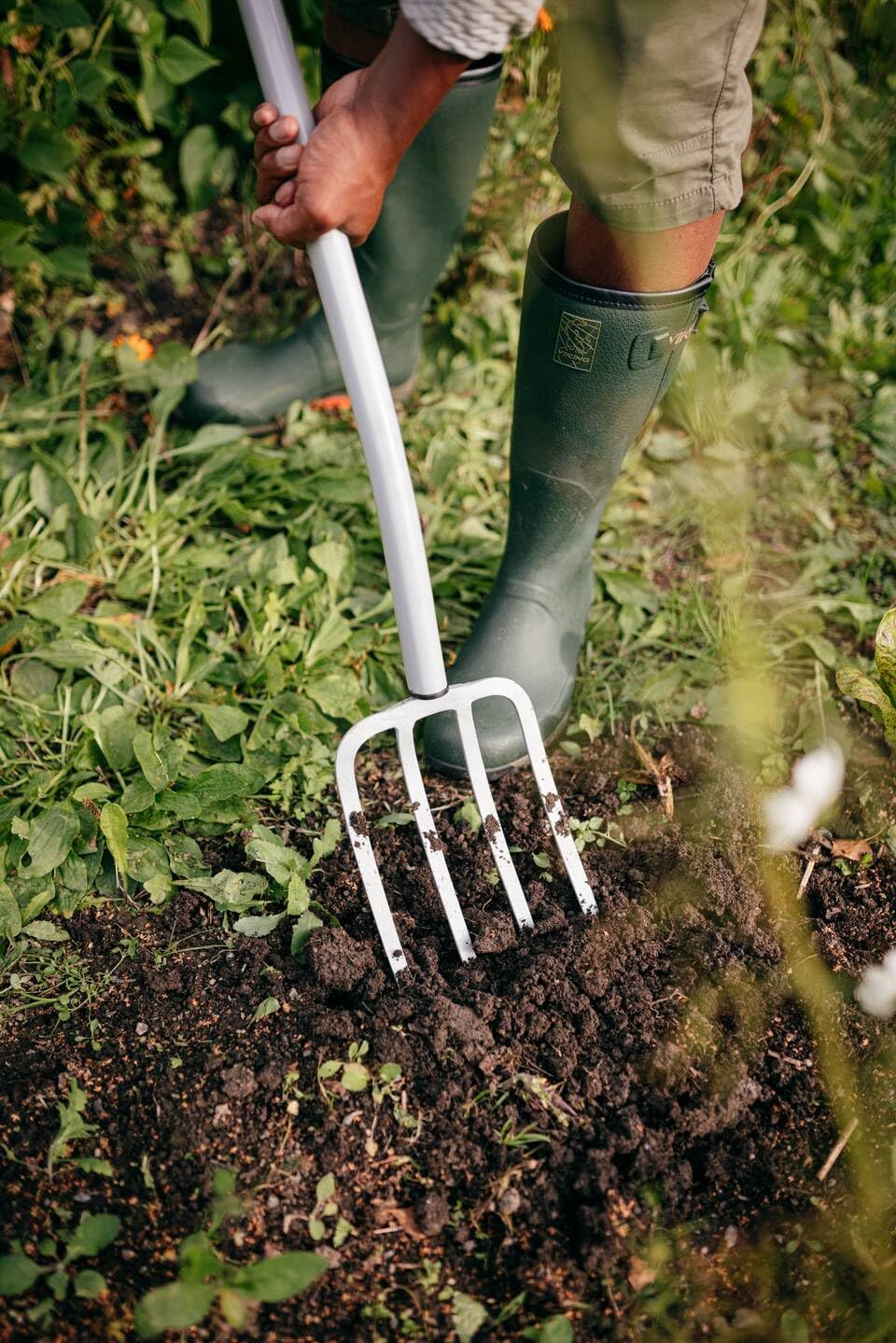
The best garden fork isn’t just a shiny tool—it’s the difference between breaking up compacted soil in one afternoon and fighting bent tines for an hour. Most cheap forks flex the moment you hit clay, snap under root pressure, or leave your wrists aching from a poorly balanced handle. That’s the core problem: a tool that should make soil work easier ends up making it harder.
I’ve buried more than one bargain fork in my yard. The right digging fork should have forged steel tines, a comfortable D-grip or T-handle, and enough weight to sink into hard ground without you forcing it. Below, I’ll walk through the picks that actually hold up—for turning beds, aerating lawns, and working around pets.
📌 What Is a Garden Fork and Why You Need One
A garden fork is the four-tined tool you grab when a shovel is too blunt and a tiller is overkill. It breaks up soil without completely flipping or pulverizing it, which makes it gentler on your beds.
You’ll typically see three styles. A spading fork has four flat, slightly triangular tines and works well for turning beds in heavier loam or clay. A digging fork usually features four curved tines that bite into compacted ground and help you pop out rocks or root clumps. A border fork is smaller—often 3 to 4 tines with a shorter handle—for tight raised beds or working between established plants.
Common jobs include:
- Turning compost or soil amendments into the top 10–12 inches
- Aerating lawns and beds before overseeding
- Breaking apart clods after initial digging
- Lifting root crops like potatoes, carrots, and beets without slicing through them
Compared to a shovel, a garden fork preserves more of the soil’s natural structure. The tines slide between soil aggregates rather than cutting through them, which may help keep drainage open and leave earthworms and beneficial microbes in place. That’s why many gardeners reach for a fork first—and only grab a shovel when they actually need to move soil.
🔍 How to Choose the Best Garden Fork: Tines, Handle & Material
The right garden fork comes down to tine material, handle style, and overall weight. Match those three to your soil and garden size, and you’ll avoid bent tines and an aching lower back.
Tine material: Stainless steel costs more but shrugs off rust and slides through wet clay easily. Carbon steel is tougher and cheaper, but it will develop surface rust unless you wipe it down after each use. Forged steel from a brand like Spear & Jackson offers excellent strength in rocky or compacted ground.
Handle style: A D-handle gives you a solid grip and better leverage for twisting. A T-handle suits taller gardeners who push straight down. Ergonomic grips with a slight bend—like the Fiskars Ergo fork—keep your wrist neutral, reducing strain during long digging sessions.
Size and weight: For a standard backyard bed, choose a full-size fork with a 28–32 inch handle and 4 square tines. If you work raised beds or tight borders, a border fork around 30 inches overall is easier to turn. Heavier forged heads dig deeper with less effort, but lighter ash or stainless handles feel less tiring over an afternoon.
Two solid starting points:
- Best rust-resistant pick: Spear & Jackson Traditional Stainless Steel Digging Fork — Check Price →
- Best ergonomic handle: Fiskars Ergo D-handle Steel Garden Fork — Check Price →
🔍 Top 5 Garden Forks of 2026: Reviews & Side-by-Side Comparison
I judged these five forks on tine durability, handle comfort, value per pound, and how easily they push into compacted soil. I also favored models with rounded or rolled tine edges that are less likely to injure curious paws in a pet-friendly yard.
| Model | Tine Material | Handle | Weight | Price Range | Check Price |
|---|---|---|---|---|---|
| Fiskars Ergonomic Digging Fork | Steel | D-grip, cushioned | 4.6 lbs | $45–55 | Check Price → |
| Radius Garden 203 PRO Ergonomic | Stainless steel | O-handle, cushioned | 4.3 lbs | $55–65 | Check Price → |
| Spear & Jackson 4550BF Border Fork | Stainless steel | T-handle, ash wood | 4.9 lbs | $40–50 | Check Price → |
| Bully Tools 92300 Spading Fork | Powder-coated steel | D-grip, fiberglass | 5.5 lbs | $55–70 | Check Price → |
| True Temper 2812200 Digging Fork | Forged steel | D-grip, hardwood | 4.4 lbs | $35–45 | Check Price → |
1. Fiskars Ergonomic Digging Fork – Best Overall Comfort
Welded steel tines with blunt tips make this a smart pick for yards where dogs or kids run through. The cushioned D-grip reduces palm fatigue during long turning sessions.
- Blunt tine tips are safer for pet paws
- Cushioned D-grip handle
- Lifetime warranty
- Tines not stainless, can rust if left wet
- Handle a bit short for very tall users
Best use: everyday turning in vegetable beds and gentle aeration.
2. Radius Garden 203 PRO Ergonomic Digging Fork – Best for Heavy Soil
Stainless steel tines resist rust and slide through clay easier than plain steel. The O-handle grip angles your wrist more naturally, which many users report reduces strain.
- Rust-resistant stainless tines
- Ergonomic O-handle
- Rounded tine shoulders for safety
- Higher price
- O-handle takes getting used to
Best use: heavy clay, wet soil, and anyone with wrist or hand fatigue.
3. Spear & Jackson 4550BF Stainless Steel Border Fork – Best for Raised Beds
The mirror-polished stainless steel head stays clean in sticky soil. Its smaller head and ash wood T-handle fit neatly into borders and tight planting areas.
- Polished stainless resists rust
- Compact head for borders
- Traditional hardwood feel
- T-handle less wrist-friendly than D-grip
- Shorter shaft may not suit tall gardeners
Best use: raised beds, flower borders, and tight corners.
4. Bully Tools 92300 4-Tine Spading Fork – Best Heavy-Duty Pick
This one is built like a tank. The fiberglass handle won’t snap in rocky soil, and rolled steel tines with blunt shoulders reduce puncture risk around pets.
- Nearly indestructible fiberglass handle
- Blunt rolled tine edges
- Made in the USA
- Heaviest fork on the list at 5.5 lbs
- Steel tines need occasional coating touch-up
Best use: rocky or compacted soil and heavy weekly turning.
5. True Temper 2812200 Digging Fork – Best Budget Pick
Forged steel head and simple hardwood D-handle keep the price low without giving up basic turning power. It’s not fancy, but it moves soil.
- Budget-friendly price
- Forged steel head
- Classic D-handle
- Wood handle can splinter over time
- Tines not stainless, less padded grip
Best use: light garden work and first-time fork buyers on a budget.
📌 Pet-Safe Garden Forks: Features to Look For and Yard Use Tips
If your dog or cat follows you around the yard, rounded or blunt tine tips are non-negotiable. Sharp, needle-like tines can slice paw pads in a split second. I look for forks with slightly domed or rolled tine ends—they still sink into compacted soil but won’t act like a fork on a dinner plate.
Storage matters just as much as the tool itself. A fork leaning against a shed wall is an accident waiting to happen. Hang it at least 5 feet up, slide a rubber tine cover over the head, or lock it in a shed. If you keep tools in a garage, park the tines facing the wall so a curious nose doesn’t bump into them.
When you’re actually digging, keep pets indoors or in a separate fenced area. A bouncing dog can misjudge your swing radius. I also avoid leaving the fork upright in soil between turns—plenty of paw injuries happen when a pet runs past a standing tool.
- Choose rounded or blunt tine tips; avoid exposed sharp edges.
- Store hanging out of reach, with tine covers, or behind a locked door.
- Use the fork only when pets are safely separated from the work zone.
The right fork plus these habits keeps your garden work pet-safe without slowing you down.
🔑 How to Use a Garden Fork Safely and Ergonomically
The safest way to use a garden fork is to keep your spine neutral and let your legs do the heavy lifting. Bending from the waist and twisting with your arms is a fast track to lower back strain and sore wrists.
Start with your feet hip-width apart, one foot slightly ahead of the other. Grip the handle with both hands at a comfortable width, thumbs pointing up. Keep your back straight as you bend from your hips and knees—not from the waist.
Turning soil step-by-step:
- Stand the fork upright over the soil you want to turn.
- Place the arch of your boot on the fork’s shoulder (the flat crossbar where tines meet the handle). Never step on the tines themselves.
- Push down using your body weight, not arm strength. If the ground is hard, wiggle the handle slightly as you press.
- Once the tines are buried, pull the handle back toward your hip to lever the soil upward. Keep your back straight and drive the motion from your legs and glutes.
- Lift, turn the clump, and step forward to repeat.
For aerating compacted areas, insert the fork to about half depth, then rock the handle back and forth gently. Pull straight out and move over a few inches—no need to flip the soil.
When lifting root crops like potatoes or carrots, insert the fork 6–8 inches away from the plant’s base to avoid slicing the roots. Press down on the shoulder, lever carefully, and raise the whole root mass from underneath.
Foot placement and overloading: Always press on the fork’s shoulder with the ball or arch of your foot, not your toes. Never jump or bounce on the fork—that can bend tines or damage the handle. If you notice the tines flexing or the handle bowing, you’re asking the tool to move more soil than it’s rated for. Loosen heavy clay in smaller sections instead.
To reduce wrist fatigue, keep your wrists straight and let your arms hang naturally. Shift your grip as you lever, and switch your lead foot every few minutes.
📌 Garden Fork Maintenance and Storage Tips
The biggest mistake with a garden fork is putting it away dirty. Caked-on soil traps moisture against the steel, which leads to rust and weakens the tines over time. Knock off clumps after each use, hose the head down, and dry it thoroughly with an old towel.
For carbon steel heads, a light coat of linseed oil or mineral oil after drying prevents corrosion. Stainless steel forks are more forgiving but still benefit from a quick wipe. Don’t store the fork with wet soil still packed in the tine crotches.
Sharpening the tine tips once or twice a year keeps digging easy. Use a mill file and push it along the outside edge of each tine at a shallow angle — about 45 degrees. A few strokes per tine is plenty. You’re not making a knife edge; just restoring a point that slices into compacted soil instead of bouncing off it.
- Wooden handles: Sand rough spots and rub in boiled linseed oil once or twice a year to prevent cracking.
- Fiberglass or composite handles: Wipe clean, check for splinters or cracks, and replace if the core is exposed.
- Rivets and bolts: Tighten any loose hardware before each heavy season.
For storage, hang the fork on a wall rack or stand it tines-up in a dry shed or garage. Never leave it outside against a fence.
In winter, clean and oil the head one last time, then store it in a locked corner or use rubber tine caps so a curious pet can’t step on sharp points. Keeping forks off the floor and out of pet traffic zones is the easiest year-round safety habit.
❓ FAQ
❓ Garden Fork FAQ
What is the best garden fork for rocky or clay soil?
Look for a heavy-duty fork with square or diamond-shaped tines forged from carbon or boron steel. A shorter D-handle gives you more downward force in compacted ground. I’d avoid thin, flat tines—they bend or snap in rocky clay. A 4-tine digging fork with a reinforced tine-to-handle collar is the safest pick.
How is a garden fork different from a pitchfork?
Garden forks have four flat, slightly curved tines built for turning soil and breaking clods. Pitchforks use more thin, round, widely spaced tines for tossing hay, straw, or mulch. If you’re working in soil, use a garden fork. For loose, lightweight material, grab the pitchfork.
Can I use a garden fork to remove weeds or roots?
Yes, especially for taproot weeds like dandelions and small shrubs. Push the tines in at an angle beside the root, lever back, then pull the crown free. For woody roots over half an inch thick, loosen the surrounding soil with a digging bar first to avoid bending the tines.
What size garden fork should I choose for raised beds?
A border fork with a 28–32 inch handle and a narrow head is ideal. You’ll get full digging power without smacking the bed frame. Keep the fork head under 8 inches wide if your raised bed is less than 4 feet across.
Is a stainless steel or carbon steel garden fork better?
Stainless steel resists rust and slides through soil more easily, but costs more. Carbon steel is tougher, can be re-sharpened, and handles rocky ground better—but it needs oiling after use. For wet clay, I prefer stainless. For rocky soil, go with forged carbon steel.
How do I keep my garden fork pet-safe in a small yard?
Store it tines-down in a locked shed or on a high wall hook—never leave it lying in grass. Rinse off fertilizer or manure residue after each use. If you have a dig-happy dog, push the fork into a bucket of sand with the handle visible, or add a simple rubber tine cover.
1 thought on “Best Garden Fork of 2026: Top Digging Forks for Turning Soil, Aerating & Pet-Friendly Yards”