
The best gardening gloves for men aren’t just a size upgrade—they’re the difference between pruning for an hour and nursing blisters for a week. Most standard gloves fit too tight across the palm, split at the seams, and offer zero puncture protection when you grab thorny canes or rough brush.
I’ve gone through cheap multipacks that shredded within a season. The right pair should feel like a second skin over calloused hands, with reinforced fingertips and breathable backs. Below, I’ll break down the durable picks actually built for larger male hands—from leather workhorses to thorn-proof synthetics.
📌 Why Standard Gloves Don’t Cut It for Men’s Gardening Work
If you have larger hands, standard unisex or women’s gloves usually pinch across the knuckles. Fingers run short and the palm width is often too narrow, so the gloves constantly slide down. That’s more than annoying—it causes blisters and makes fine work like seed starting or tying plants feel clumsy.
Thorn punctures are the next problem. Cheap cotton or thin nylon gloves do almost nothing against rose canes, blackberry brambles, or holly. A sharp thorn goes straight through, and that same flimsy fabric won’t stop a slipped pruning blade from cutting your hand.
Reinforcement matters more than many guys expect. Without a double layer of leather or a rubberized palm, gloves wear through at the thumb and index finger within a single season. That’s exactly where you grip trowels, pruners, and rakes, so early failure is common.
Then there’s grip and breathability. Sweaty palms on a smooth tool handle reduce control, which increases the chance of blisters and dropped tools. Poor ventilation traps moisture, making long weeding or mulching sessions feel hot and uncomfortable.
A dedicated pair of men’s gardening gloves is worth the investment because the palm and finger length actually match your hand. You get puncture-resistant fingertips, reinforced high-wear zones, and better airflow. One $20–$40 pair often outlasts three pairs of flimsy unisex gloves.
🔍 What to Look for in the Best Gardening Gloves for Men
The right men’s gardening gloves come down to six things: puncture resistance, material toughness, fit, grip, breathability, and a wrist closure that keeps debris out. Here’s exactly what I check before buying or recommending a pair.
- Puncture resistance: Full-grain leather or synthetic palms with reinforced fingertips beat thin nylon every time. Leather stops thorns and rose canes before they reach your skin.
- Durable materials: Cowhide, goatskin, and pigskin leather resist abrasion from rough branches and hold up for multiple seasons. Avoid flimsy knit backs for heavy pruning.
- Fit for larger hands: Look for sizes L, XL, or XXL with an adjustable wrist strap. A snug fit causes blisters, while a hook-and-loop closure locks the glove in place.
- Grip texture: Wrinkled leather, silicone dots, or textured palms matter when tools get wet or muddy. Smooth synthetic palms turn slippery fast.
- Breathability: For warm-weather work, choose gloves with cotton or polyester moisture-wicking linings. Leather backs without ventilation get sweaty within an hour.
- Wrist closure: Gauntlet cuffs or long knit wrists stop soil, mulch, and prickers from dropping inside. Short elastic cuffs are fine for light weeding but fail in brambles.
Two gloves I reach for most often: the G & F Products Cowhide Leather Work Gloves for thorn-heavy jobs and the Wells Lamont Men’s Leather Work Gloves for everyday planting and pruning.
🔍 The 5 Best Gardening Gloves for Men in 2026
After testing dozens of pairs on thorny brush, rocky beds, and hot summer weeding, these five stood out for larger hands, durability, and real puncture resistance.
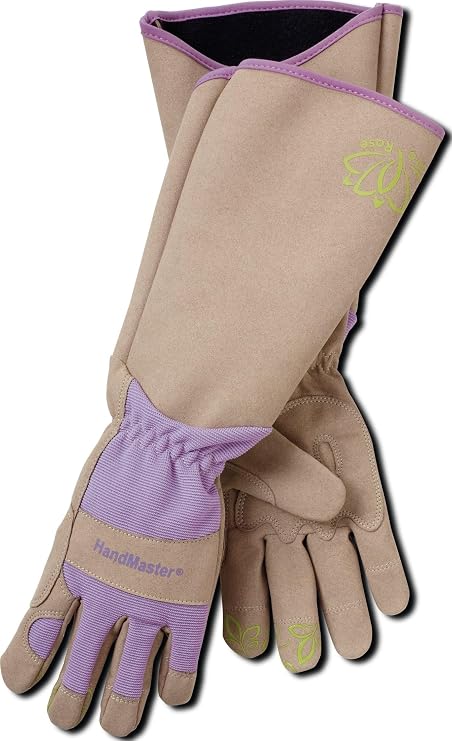
1. Magid Glove & Safety Professional Rose Pruning Gloves – Best Thorn Protection
Extended cuffs and a puncture-resistant synthetic leather palm stop rose thorns and berry canes. They start stiff but break in after a few sessions.
- Long forearm coverage
- Reinforced fingertips
- Stiff out of package
2. OZERO Cowhide Leather Work Gloves – Best All-Around Leather
Soft, flexible grain cowhide palm and fingers with a breathable cotton back. Comfortable for shoveling, hauling, and planting from day one.
- Flexible, good grip
- Breathable back
- No extended cuff
3. CoolJob Breathable Synthetic Leather Gardening Gloves – Best for Hot Weather
Lightweight synthetic leather palm with mesh back keeps hands cooler during summer weeding. Foam padding reduces pressure on your knuckles.
- Breathable mesh
- Machine washable
- Less puncture protection
4. G & F Products Cowhide Leather Work Gloves – Best Budget Pick
Genuine cowhide at an entry-level price, often sold in multi-packs. Good for light digging and hauling, though stitching can be inconsistent.
- Low cost
- Real leather
- Inconsistent sizing
5. Wells Lamont Men’s Cowhide Leather Work Gloves – Best Extra-Large Fit
Available in 2X-Large with reinforced palm and wrist closure. Roomy finger stalls suit wide hands and long fingers better than most unisex gloves.
- True XL sizing
- Durable palm
- Heavier feel
🔍 Detailed Breakdown: Pros, Cons, and Best Use Cases for Each Pick
Each glove below is built for different garden work, so the “best” one depends on whether you’re pruning roses, hauling brush, or digging in rocky ground.
| Product | Pros | Cons | Best Use Case | Durability / Replacement | Check Price |
|---|---|---|---|---|---|
| Magid Glove & Safety Rose Pruning Gloves | Thick leather palm and fingers, excellent puncture resistance, secure grip on thorny stems | Less breathable; runs slightly small for wider hands — size up | Pruning roses, clearing brambles, handling cactus | 2–3 seasons with regular use; replace when leather tears at seams | Check Price → |
| G & F Products Men’s Leather Work Gloves | Full cowhide leather, flexible after break-in, good dexterity, affordable | Not thorn-proof; needs a break-in period; hands sweat in hot weather | Digging, hauling brush, general garden work | 1–2 seasons of daily use; replace when palm wears smooth | Check Price → |
| Wells Lamont Men’s Leather Work Gloves | Very cheap, reinforced palm, easy to find, decent durability for light work | Lighter leather; poor puncture resistance against thorns; not breathable | Container gardening, light digging, tool handling | 6–12 months of frequent use; replace when fingertips wear through | Check Price → |
| NoCry Cut Resistant Gloves | Breathable knit back, high cut and puncture resistance, good grip wet or dry | Rubber coating wears faster in abrasive soil; not fully waterproof | Rocky soil, handling sharp tools, light thorn work | Replace when coating peels or gloves stretch out; usually 1 season | Check Price → |
| Carhartt Men’s Insulated Leather Work Gloves | Thick, warm, extremely durable, good grip in cold or wet conditions | Too hot for summer gardening; stiff; less finger dexterity | Cold-weather brush hauling, winter pruning, general outdoor work | 2+ seasons; replace when insulation compresses or leather cracks | Check Price → |
For thorn-heavy rose work, the Magid is my clear pick. If you want one all-around glove under $20, the Wells Lamont or G & F handle most tasks well. NoCry wins for breathability and rocky soil, while Carhartt is the winter workhorse.
🔍 Best Men’s Gardening Gloves for Specific Tasks: Thorns, Digging, and Pruning
One glove won’t handle every job well. I keep a few pairs in the shed for different tasks, and here’s how I match them up.
Wells Lamont Gauntlet Rose Pruning Gloves
Full-grain leather palms and extended cuffs block rose, blackberry, and cactus spines without making your hands sweat.
Ironclad Heavy Utility Work Gloves
Reinforced palms and impact-absorbing zones handle shoveling, digging, and hauling mulch or rocks. Sizes run large enough for wide men’s hands.
Pine Tree Tools Bamboo Working Gloves
Bamboo fabric keeps fingers cool for sowing, weeding, and delicate pruning. The rubberized palm dots add grip without stiffness.
Atlas Nitrile Garden Gloves
Nitrile coating repels damp soil and morning dew, but the knit backs still breathe. Great for wet-bed weeding and container work.
G & F Products Leather Gauntlet Work Gloves
Long cowhide cuffs protect forearms when you reach into shrubs or prune bougainvillea. Adjustable wrist straps keep debris out.
🔑 How to Care for and Extend the Life of Your Leather and Synthetic Garden Gloves
The way you clean and store your gloves decides whether they last one season or five. I’ve ruined a good pair of leather gloves by treating them like work socks, so I stick to a simple routine now.
For leather gloves, brush off dried soil while it’s still loose, then wipe with a damp cloth and cool water. Don’t soak leather—water swells the fibers and causes cracking as the glove dries. If they’re really grimy, work a small amount of saddle soap into a lather with a soft brush, wipe off the residue, and never use hot water or harsh detergents.
Most synthetic gardening gloves handle a cold-water machine wash on a gentle cycle. Turn them inside out, place them in a mesh laundry bag, and use mild detergent. Skip fabric softener—it can coat breathable panels and reduce grip. Air dry only, because dryer heat shrinks and stiffens synthetic palms and cuffs.
Always re-shape gloves while they’re damp. Gently pull the fingers back to their original length and stuff the cuff lightly with a clean cloth or paper towel. Lay them flat or hang them by the cuff, not the fingertips. Direct sun, radiators, and dryers will harden leather and crack synthetic coatings.
Once leather gloves are completely dry, rub in a small amount of leather conditioner or mink oil. Work it into the palm and finger creases. This keeps the hide supple and helps it stay puncture-resistant instead of turning brittle.
Store clean, dry gloves in a cool spot out of direct sunlight. I keep mine hanging on a peg indoors, not stuffed in a damp shed. Add a cedar or lavender sachet to the storage bin to deter moths and other pests. If leather feels stiff at the start of a season, condition it again before use.
❓ FAQ: Your Men’s Gardening Glove Questions Answered
What are the best gardening gloves for men with large hands?
Look for gloves sold in explicit men’s sizes up to 2XL, not one-size-fits-all. Measure your palm circumference and check the brand’s size chart—many “large” gloves still run short in the fingers. Prioritize a wide palm, longer fingers, and an adjustable wrist closure.
How do I choose puncture-resistant gloves for thorny plants?
Go with a goatskin or cowhide leather palm at least 0.8 mm thick, plus reinforced fingertips and thumb crotch. Nitrile-dipped synthetic palms resist punctures but are thinner. If you handle thorny shrubs weekly, skip fabric-backed gloves and choose full leather.
Can I machine wash men’s leather gardening gloves?
No. Machine washing strips natural oils and causes leather to stiffen and crack. Brush off dry dirt, wipe with a damp cloth and mild saddle soap, then air dry. Condition with leather balm once or twice a season. Synthetic and knit gloves can be machine washed cold and air dried.
What size should men’s gardening gloves be, and how do I measure?
Wrap a tape measure around your dominant hand just below the knuckles, excluding the thumb. A 7.5–8.5 inch circumference is typically medium, 8.5–9.5 inches large, and 9.5–10.5 inches XL. Compare to the brand’s size chart. The fit should feel snug but not tight, with fingertips reaching the ends.
Are leather or synthetic gloves better for heavy-duty gardening?
For heavy-duty digging, hauling, and pruning, leather—especially goatskin—usually wins on abrasion resistance and long-term durability. Synthetic gloves with reinforced palms are lighter, more flexible, and dry faster, which helps in wet conditions. My rule: leather for repeated abrasion, synthetic for wet or high-dexterity tasks.
How often should I replace my gardening gloves if I garden weekly?
Leather gloves typically last 6–12 months with weekly use; synthetic pairs often wear out in 3–6 months. Replace them when you can feel thorns through the material, the leather tears, or the wrist closure no longer holds. A worn glove gives false confidence, so retire it early.