
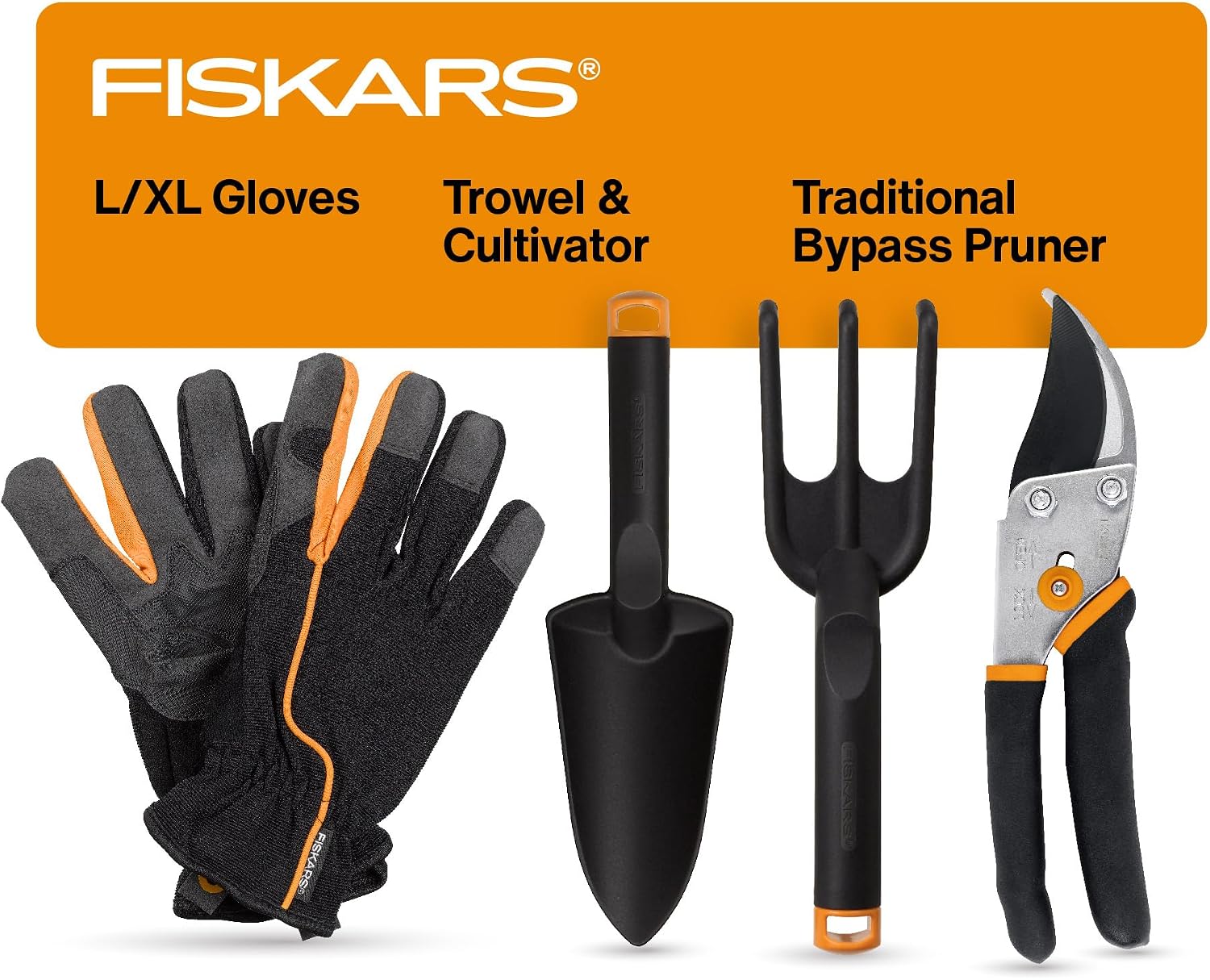
A standard garden tool set can become a hazard in a pet-friendly yard. Cheap plastic handles crack, metal rusts, and stray secateurs end up in curious mouths. The right garden tool set blends durable, non-toxic materials with tools you can safely store away from paws. That’s the baseline I look for before recommending anything.
I’ve spent years testing hand tools around dogs and cats. The difference between a safe set and a risky one comes down to handle coating, storage case quality, and whether smaller parts break off easily. Splintering wood, flaking paint, and loose blades are red flags. Below, I’ll walk through the sets I’d actually recommend for yards where pets roam.
📌 Why Pet Owners Need the Right Garden Tool Set
Dogs and cats explore with paws and mouths, so anything left on the lawn becomes a potential hazard. A hand trowel left blade-up near a flower bed can slice a running dog’s pad, and pruner sap or fertilizer residue on tool handles may transfer to fur, then to paws during grooming. I’ve seen too many preventable cuts because a rake or hoe was simply leaned against a fence.
That’s why pet-friendly garden tool sets matter. Rounded edges on trowels and cultivators, non-toxic powder-coated finishes, and rust-resistant stainless steel heads reduce both puncture risks and chemical leaching. Look for tools with rubberized or cushioned grips—they’re less likely to slip from your hand and bounce into a curious snout when dropped. Avoid flaking paint and cheap chrome that can chip off and end up in a water bowl.
Durable tools also encourage better maintenance. When a shovel doesn’t bend at the neck and pruners stay sharp, you’re more likely to clean up fallen branches, thorny clippings, and debris that can hide ticks or cut paws. The right set won’t solve every backyard risk, but it removes the most obvious ones before a pet finds them first.
📌 Top Garden Tool Sets for Pet-Friendly Yards
I focused on sets with rust-resistant stainless steel heads, ergonomic grips, and closed storage. That last part matters more than most gardeners think. A trowel left in the grass can hide from you—and hurt your dog. These three sets balance durability, comfort, and easy cleanup.
1. Fiskars 3-Piece Softouch Garden Tool Set
This compact set includes a trowel, transplanter, and cultivator. The polished stainless steel heads resist rust and slide through soil. Softouch grips are oversized and cushioned, which reduces hand strain. No storage tote, but each handle has a hang hole for pegboard storage.
- Rust-resistant stainless steel heads
- Comfortable, oversized grips
- Easy to clean and hang
- No storage bag included
- Only three tools
2. Scuddles Garden Tool Set – Best Storage Tote for Pet Safety
This 9-piece kit comes with a durable Oxford tote bag that keeps every tool tucked away. The rust-resistant metal heads handle light digging and weeding. Non-slip rubber grips feel secure, even with damp hands. The bright bag makes it easy to spot and move out of your dog’s reach.
- Includes storage tote
- Rust-resistant heads
- Non-slip ergonomic grips
- Heads may bend in rocky soil
- Not full stainless steel
3. WORKPRO Garden Tool Set with Storage Bag
$25–$35
A solid budget pick with stainless steel trowel and transplanter heads, plus a zippered storage bag. The ergonomic handles are made from slip-resistant TPR. The bag can hang on a hook, keeping sharp edges off the ground and away from curious paws.
- Stainless steel key tools
- Zippered storage bag included
- Affordable price
- Fewer pieces than larger sets
- Bag is basic fabric
⚡ Garden Tool Set Comparison: Materials, Value, and Pet Safety
Material choice drives almost everything in a garden tool set: how long the edges last, how easily tools rust, and how comfortable the handles feel after a long weeding session. Here’s how the most common materials stack up for pet-friendly yards.
| Material | Rust Resistance | Sharpness & Edge Retention | Handle Safety | Price per Piece |
|---|---|---|---|---|
| Stainless steel | Excellent; resists moisture and soil acids well | Good; holds a working edge but can be harder to sharpen | Often paired with padded or ergonomic grips | $8–$25 |
| Carbon steel | Fair; needs oiling after use | Very good; takes a sharper edge and re-sharpens easily | Usually wood or coated grips; check for splinters | $6–$18 |
| Aluminum | Good; lightweight and won’t rust, but can bend under heavy force | Moderate; edges dull faster than steel | Often foam or rubber overmolded | $5–$15 |
| Wood handles | Varies; ash and hickory resist moisture better than softwood | Not applicable—handle material only | Look for smooth, sealed finishes to prevent splinters | $4–$12 for replacement handles |
For a budget set, I’d prioritize stainless steel heads over carbon steel if you garden near sprinklers or a dog run. You’ll pay a little more per piece, but you won’t fight rust or constantly oil tools.
Premium sets earn their price through better steel hardening and sealed wood or cushioned grips. I’ve seen $60–$120 sets perform well for years, while cheap $25 kits with painted handles often chip and expose rough edges. If you store tools where pets can knock them over, smooth handle coatings and rust-resistant heads matter more than brand names.
📌 Key Features to Look for in a Pet-Safe Garden Tool Set
The right garden tool set keeps your yard tidy without turning it into an obstacle course of sharp edges and peeling coatings. I look for four specific things before bringing any set home.
- Non-toxic, rust-resistant finishes. Powder-coated steel or stainless steel heads hold up far better than cheap painted carbon steel. Flaking paint chips can end up in soil your dog sniffs or digs through. Look for labels that say “powder-coated,” “stainless,” or “rust-resistant.”
- Rounded or covered blades. Hand trowels, cultivators, and pruners should have blade guards or rounded tips. A locking fold mechanism on pruning shears is even better. It keeps the cutting edge closed when you set the tool down near a curious paw.
- Ergonomic, non-slip handles. Rubberized grips reduce hand fatigue and improve control. More importantly, they prevent accidental drops. A stainless trowel that slips out of your hand can bounce and roll right toward a dog or cat. Soft-grip handles with textured rubber or TPR are worth the small price bump.
- Storage cases or hanging loops. Every tool needs a place. Sets with a carry tote, canvas bag, or pre-drilled hanging holes keep sharp edges off the ground. That’s the simplest way to stop pets from stepping on a misplaced hand rake or pruner.
You don’t need a massive kit. Even a five-piece set with those features will handle most small planting beds and pet-safe cleanup jobs.
🔑 How to Store Garden Tools Safely Around Pets
The goal is simple: prevent cuts, punctures, and toxic exposures before they happen. I’ve seen too many paw pad nicks from a rake left tine-up by the fence.
- Use wall-mounted racks, locked sheds, or closed cabinets. Keep tools off the ground and out of reach. A rack with rubber-coated hooks works well in garages. A locked shed or cabinet with a sliding bolt at pet height stops curious noses from getting too close.
- Clean tools after each use. Wipe down blades and handles to remove soil, fertilizers, weed killers, and plant residues. A quick rinse and dry takes two minutes and keeps paws and mouths safer if your pet sneaks a lick.
- Check for loose blades or splintered handles before storing. A wobbly shovel head can fly off mid-use. A splintered wooden grip can break and leave sharp pieces in the yard where pets run.
- Designate a pet-free zone for tool maintenance and sharpening. I use a garage corner with a baby gate. Metal filings and honing oil should never end up on fur or food bowls.
Storing tools this way takes less than five extra minutes a week, and it removes most of the hidden risks I see in pet-friendly yards.
❓ FAQ: Garden Tool Sets and Pet Safety
What is the best garden tool set for pet owners?
There’s no single “best” set, but I look for stainless steel heads, smooth wooden or rubberized grips, and no flimsy plastic parts. The sets featured in our comparison above balance durability, price, and pet-friendly materials. Go with one that feels comfortable and includes the basics: trowel, transplanter, cultivator, and pruner.
Are stainless steel garden tools safer than carbon steel for pets?
Generally yes. Stainless steel resists rust and won’t flake into soil where pets dig or sniff. Carbon steel tools can rust if left damp, and those rust flakes may be ingested during digging. Well-oiled carbon steel is fine, but stainless is lower maintenance around animals.
How do I clean a garden tool set after use around pets?
Knock off soil, then scrub heads and handles with warm water and mild dish soap. Rinse and dry completely. For areas near pet waste, wipe handles with a diluted white vinegar solution or pet-safe enzyme cleaner. Avoid bleach and harsh chemicals. Rub metal with food-grade mineral oil to prevent rust.
Can I store garden tools outdoors if I have pets?
It’s not ideal. Moisture causes rust and wood handles to splinter—both risky for curious pets. Hang tools in a locked shed or garage. If you must store outside, use a weatherproof cabinet with a secure latch and keep sharp edges pointed inward or covered.
What should I do if my pet chews a wooden garden tool handle?
Check their mouth and gums for splinters and call your vet if you see bleeding or embedded wood. If the handle is only lightly chewed, sand it smooth. If it’s deeply splintered, replace the tool—splinters can hurt you and your pet later.
How often should I replace my garden tool set?
A quality stainless steel set can last 5–10 years with basic care. Replace individual tools when handles crack, heads loosen, or metal rusts through. For pet safety, swap any tool that starts flaking rust or splintering, even if it still digs fine.