
The best self propelled lawn mower for pet owners isn’t the one with the biggest engine — it’s the one that lets you scan the yard for hidden dog toys, fresh poop, and napping cats while the mower does the pushing. If you’ve ever clipped a squeaky toy or sprayed a pile you missed, you know exactly what I mean.
I’ve tested gas, electric, and battery mowers with two active dogs and a backyard that sees daily zoomies. The right self-propelled drive frees up your attention for pet safety, reduces fatigue on long mowing sessions, and powers through thick, urine-damaged patches without stalling. Here’s what actually matters.
🔍 Best Self-Propelled Lawn Mowers for 2026: Gas vs Electric Top Picks
Mowing with pets around isn’t just about cutting grass. It’s about dodging chew toys, maneuvering around a waste station, and keeping an eye on a curious dog. A self-propelled lawn mower takes the pushing work off your arms, so you can focus on steering around obstacles instead of wrestling the machine across uneven terrain.
- Less physical strain: The drive system moves the mower forward while you guide it, which really helps when you’re weaving around pet toys, water bowls, or rough patches of backyard ground.
- Quieter operation: Many battery-powered self-propelled mowers run significantly quieter than older gas push mowers. That lower noise level may help reduce mowing-related anxiety in dogs and indoor cats.
- Consistent speed, safer lawn: A steady mowing speed cuts grass evenly, so you’re less likely to leave clumps or uneven spots where small debris can hide and poke sensitive paw pads.
📌 Must-Have Features in a Pet-Friendly Self-Propelled Mower
The right features make mowing less stressful for you and your pets. I look for five things before recommending any self-propelled mower to dog or cat owners.
- Bagging and mulching options: A 3-in-1 deck lets you bag clippings so pets don’t track wet grass indoors, or mulch fine clippings back into the lawn where they break down quickly. This reduces the chance of pets ingesting long grass strands that can cause stomach upset.
- Low noise output: Mowers rated under 85 dB are noticeably quieter. Many nervous dogs and cats stay calmer when the engine doesn’t roar. Electric self-propelled models are often the quietest choice.
- Easy maneuverability: Variable speed drive and rear-wheel drive help you steer around water bowls, agility tunnels, and raised garden beds without yanking the mower. Look for a tight turning radius if your yard has clutter.
- Washout port: A deck washout port attaches to your garden hose. It flushes out grass allergens, pet hair, and dander that build up under the deck — keeping the mower cleaner and reducing allergen spread when you mow again.
- Blade clutch or blade brake: This lets you stop the blade while the engine keeps running. If your dog suddenly runs up for attention, you can pause cutting instantly without restarting the mower.
🔍 Top 5 Best Self-Propelled Lawn Mowers for Pet Owners in 2026
These five are the mowers I’d actually trust around pets — quiet enough not to spook a sleeping dog, precise enough to stop on a dime when a curious nose darts out, and built to keep clippings from scattering across your yard.
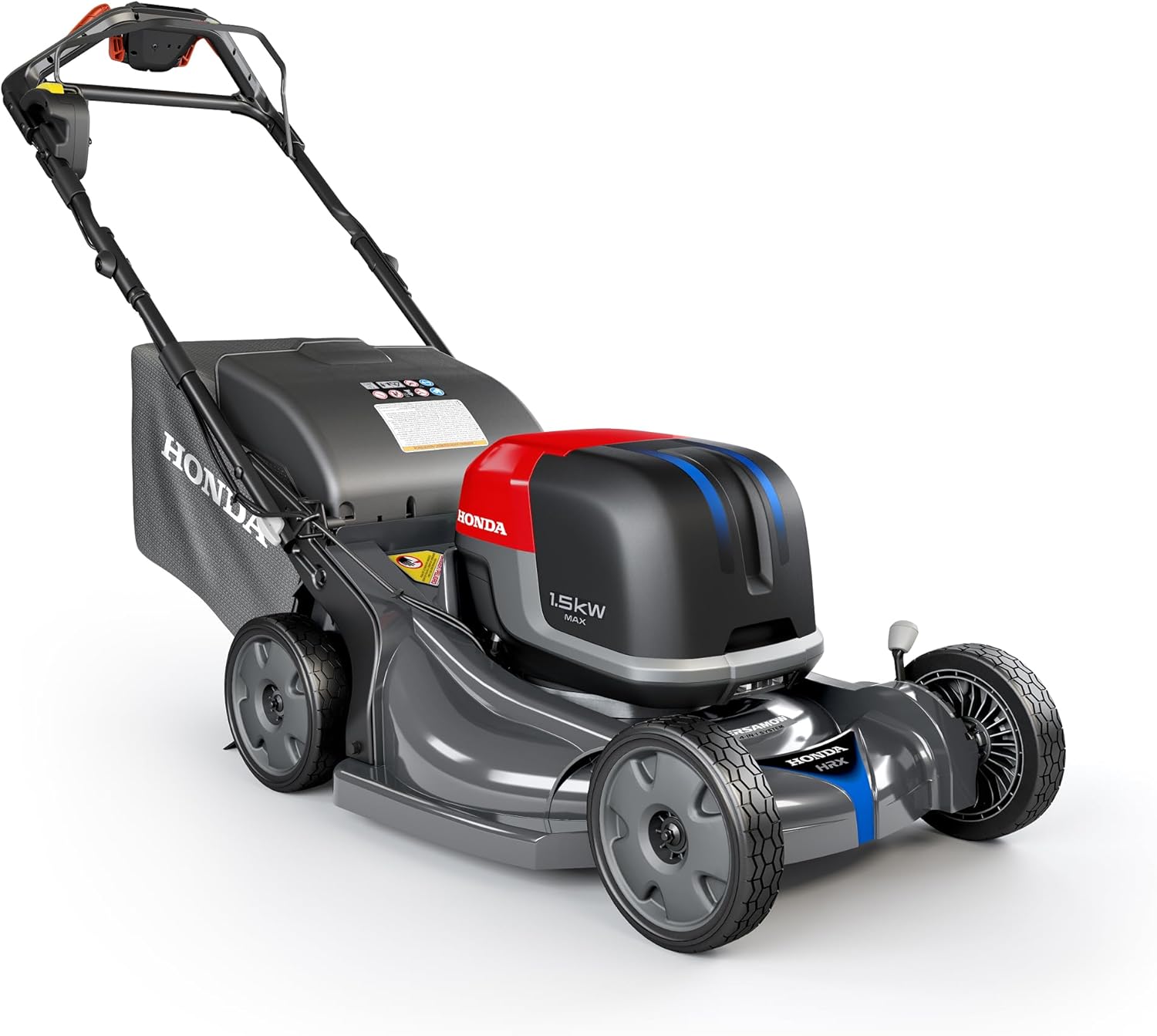
1. Honda HRX217VKA – Best for Versatile Mulching & Bagging


The Versamow system lets you mulch, bag, or discharge without switching blades. The quiet 4-stroke engine won’t send cats sprinting, and the pet hair resistant deck sheds clumps instead of packing them under the housing. It’s pricey, but it’s the one I’d keep for a decade.
- Variable mulching and bagging — less clipping scatter around pet zones
- Quiet operation plus a deck that resists wet grass and pet hair buildup
- Heavier than battery models; higher upfront cost
2. EGO Power+ LM2156SP – Best Quiet Battery Pick for Noise-Sensitive Pets

Battery-powered whisper-quiet operation is a game-changer for dogs that bolt at gas engines. The rapid charger refills a 56V battery fast, and the self-propel speed is easy to adjust. You lose some gas runtime, but most pet owners I know finish a typical yard on one charge.
- Nearly silent cuts — much less stress for anxious pets
- Rapid charging; no fumes near dog play areas
- Battery runtime drops in thick, wet grass; extra batteries cost more
3. Toro Recycler 21466 – Best Personal Pace Control Around Pets

The Personal Pace self-propel system matches your walking speed automatically — push the handle gently and it stops, which is ideal when a pet steps in front of the deck. Excellent bagging keeps clippings contained, reducing the chance your dog eats damp grass clumps.
- Intuitive stop-and-go control makes it safer around unpredictable pets
- Strong bagging for cleaner lawns and fewer scattered clippings
- Gas engine is louder than battery options; needs regular oil changes
4. Greenworks Pro 80V – Best Zero-Emission Compact Pick

Zero emissions and low vibration keep the mower calm and approachable, even when a dog follows behind you. The compact deck maneuvers around pet play zones, raised beds, and fence lines without scalping turf or kicking debris toward your dog.
- No gas fumes; low vibration makes it easier to hold steady
- Compact size fits small yards with lots of pet obstacles
- Plastic deck may flex on very rough ground; battery and charger sold separately in some kits
5. Cub Cadet SC900 – Best Heavy-Duty Rear-Wheel Drive for Slopes

Heavy-duty rear-wheel drive grips hills where pets love to run and dig, so you won’t lose traction mid-swath. The high-capacity bag reduces clipping scatter, which is helpful if your dog eats grass that’s been recently cut.
- Rear-wheel drive handles slopes and uneven pet paths well
- Large bag means fewer stops and less wet clipping mess
- Gas engine is louder; not the lightest mower to turn in tight corners
🔍 Best Self-Propelled Mowers Compared: Key Specs at a Glance
For pet households, the right mower balances low noise, safe clipping control, and a cutting width that fits your yard without tearing across play areas. Gas models are powerful but louder and produce exhaust; battery models run quieter and cleaner, which many dogs and cats tolerate better.
Below I compare five pet-friendly self-propelled mowers I’d actually consider in 2026. Noise ratings are approximate at operator level, and prices are typical street ranges — check the current Amazon listing for exact numbers.
| Model | Power Source | Cutting Width | Noise Level | Clipping Options | Price / Warranty | Check Price |
|---|---|---|---|---|---|---|
| Honda HRX217VKA | Gas | 21 in | ≈ 88 dB | Bag, mulch, leaf shred | $700–$900, 5-yr | Check Price → |
| Toro Recycler 22″ Personal Pace | Gas | 22 in | ≈ 90 dB | Bag, mulch, side discharge | $400–$600, 3-yr | Check Price → |
| EGO Power+ LM2102SP | Electric (56V) | 21 in | ≈ 75 dB | Bag, mulch, side discharge | $500–$650, 5-yr tool | Check Price → |
| Greenworks 40V 21″ Self-Propelled | Electric (40V) | 21 in | ≈ 72 dB | Bag, mulch, side discharge | $400–$500, 4-yr tool | Check Price → |
| RYOBI 40V HP Brushless 21″ Self-Propelled | Electric (40V) | 21 in | ≈ 75 dB | Bag, mulch, side discharge | $600–$700, 5-yr tool | Check Price → |
If your dog is noise-sensitive, prioritize electric models under 80 dB. If you mow thick, wet grass and need raw power, the gas options will muscle through, but keep pets indoors while the engine runs.
🔑 How to Mow Safely with Pets in the Yard
Mowing with pets in the yard is a risk you don’t want to take. Even a calm dog can dart after a stick or get spooked by the engine. I always keep my dogs indoors or in a secure fenced area while the self-propelled mower is running.
Before I start the engine, I do a quick sweep of the lawn. Pet waste, tennis balls, bones, and leashes all need to go. A mower blade can turn a hidden bone into a dangerous projectile in seconds.
Next, I make sure the bagging attachment is on. Bagged clippings keep sharp or chemically treated grass out of your pet’s mouth and off their paws. I avoid mulching on days when the dogs will be back on the lawn.
After mowing, I wait until the grass is completely dry and every clipping is bagged or raked. Then I walk the whole mowed area once to check for exposed rocks, sticks, or debris that could cut a paw pad.
- Keep pets indoors or in a fenced area while mowing.
- Remove waste, toys, bones, and leashes before you start.
- Use the bagger instead of side discharge or mulch.
- Wait for dry grass and bagged clippings before letting pets outside.
- Inspect the mowed area for sharp debris afterward.
📌 Maintaining a Pet-Safe Lawn After Mowing
Mowing is only half the story. What you do after the mower stops matters just as much for dogs and cats that roll in the grass or treat the lawn like a snack bar.
Grass clippings can turn into a moldy mess. Wet clippings left in thick piles trap moisture and start decomposing fast. That releases allergens that can irritate a pet’s skin and respiratory tract. Bag them or rake them up within a few hours, especially if your dog likes to lie in the yard.
If your pet goes outside before you clear the clippings, keep a shallow pan of water by the door. A quick paw rinse removes stuck blades, pollen, and any lawn product residue. It takes 30 seconds and saves you from muddy paw prints across the kitchen floor.
Here’s the maintenance routine I follow after every mow:
- Clear clippings promptly — especially in high-traffic pet areas and near water bowls.
- Wait 24–48 hours after applying any fertilizer, herbicide, or spot treatment before letting pets back on the grass. Even many “pet-safe” products need dry time.
- Scrape the mower deck every few cuts. Grass buildup, pet hair, and mold spores collect underneath and get thrown back onto the lawn.
- Store fuel and oil out of reach. Gasoline spills, even small ones on garage floors, can be toxic if a curious dog walks through them and licks their paws.
Pick pet-safe lawn fertilizers that list ingredients clearly. Organic corn gluten or seaweed-based options are gentler choices. If you use a lawn service, tell them pets share the yard.
🔍 FAQ: Best Self-Propelled Lawn Mower for Pet Owners
Are electric self-propelled mowers quieter and safer for pets than gas mowers?
Yes, and it’s not close. Most battery mowers run between 60 and 75 decibels, while gas models often hit 90+ decibels. That lower noise spooks dogs far less. You’ll also avoid exhaust fumes and gasoline spills near paws. Two quiet, pet-friendly picks I like are the EGO Power+ Select Cut and Greenworks 40V.
How often should I mow to keep my lawn safe and comfortable for dogs?
I aim for once a week during growing season. Keeping grass at around 2.5 to 3 inches gives dogs soft footing, hides small debris they might chew, and reduces tick habitat. Mowing too short stresses turf and invites muddy paw mess.
Can I leave grass clippings on the lawn if I have pets?
Only if the clippings are fine and dry. Wet clumps stick to fur and can irritate skin. I bag clippings after fertilizing and when grass is damp. Otherwise, mulching is fine — just keep pets off the lawn until it dries.
What mower features reduce the risk of injury to pets?
Look for a blade brake clutch that stops blades while the engine stays running, a rear discharge chute, and a low, enclosed deck that won’t throw debris sideways. A slow self-propel speed also helps you stay in control if a dog wanders near.
Do self-propelled mowers perform well on slopes and uneven pet play areas?
Most do, but pick a model with rear-wheel drive for better uphill traction and a high-torque motor. My own yard has a bumpy corner where dogs chase each other; an adjustable-speed self-propelled mower handles it without me fighting the deck.
Are there specific mower blades or deck designs that are safer for pets?
Yes. A 3-in-1 deck lets you switch between bagging, mulching, and rear discharge, which keeps clippings away from paws. Sharper, high-lift blades cut cleaner and reduce ragged grass edges that can irritate paw pads. Composite or rust-resistant decks also avoid flaking paint.
5 thoughts on “Best Self Propelled Lawn Mower for Pet Owners”