
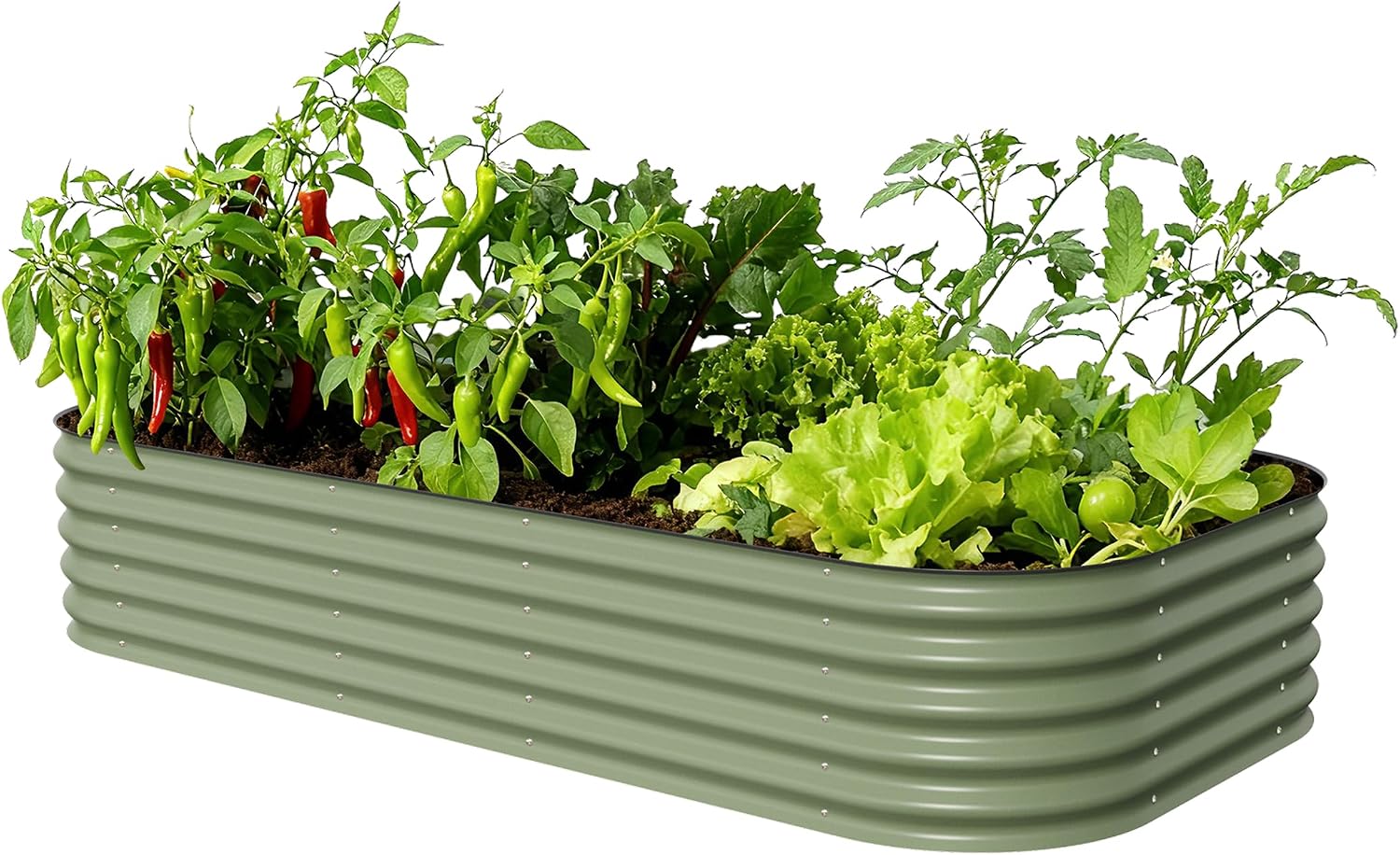
The best raised garden bed for a pet-friendly yard isn’t just about keeping your tomatoes off the ground. It has to survive curious noses, digging paws, and the occasional dog that treats fresh soil like a personal sandbox. I learned that the hard way after my Labrador mix redecorated two cheap wooden beds in a single afternoon.
You need materials that won’t leach anything toxic, sides tall enough to discourage casual excavation, and a design that won’t splinter or collapse under a 70-pound dog’s enthusiasm. Below I’ll break down the raised beds I’d actually buy again — and the ones I’d skip.
📌 Why a Raised Garden Bed Is a Must for Pet-Friendly Gardens
“`html
If you have ever watched your dog gleefully tunnel through a freshly planted flower bed, you already know the struggle. Ground-level gardens are basically an open invitation for digging, trampling, and the occasional “surprise” left behind like an unwanted gift.
A raised garden bed changes that dynamic immediately. Elevating your plants 18 to 32 inches off the ground puts them above curious noses and busy paws. Most dogs and cats are far less likely to jump into a defined bed with visible borders than to wander through an open ground plot.
The safety angle matters even more. Fertilizers, soil amendments, and compost often contain ingredients that can upset a pet’s stomach—or worse. Raised beds keep those materials contained and harder to reach, especially if you choose a taller design with solid side panels.
You are not just protecting your lettuce from being trampled. You’re protecting your pet from eating something they shouldn’t. The right raised bed works as a simple, physical boundary that says: this space is mine, that space is yours. Both sides end up happier.
“`
📌 Key Features to Look for in a Pet-Safe Raised Garden Bed
For a pet-safe raised garden bed, the two details I check first are height and material toughness. Aim for at least 24 inches tall. That’s usually enough to stop small dogs and most cats from hopping in casually. If you have a larger breed or a dedicated digger, 30 inches is safer, or pair a 24-inch bed with a low decorative barrier.
Here’s what actually makes a raised bed hold up around paws, claws, and teeth:
- Chew-resistant frame: Cedar, composite lumber, or powder-coated galvanized steel stand up far better than thin plastic or soft pine. Avoid exposed foam and flimsy PVC caps that dogs love to shred.
- Non-toxic finishes: Look for untreated cedar, untreated hemlock, or beds lined with food-grade plastic. If you stain the wood, use a water-based, plant-safe stain. Skip older pressure-treated lumber unless it’s specifically certified for raised garden beds.
- Real drainage: Pre-drilled holes or a removable bottom panel help water escape. Standing water encourages digging and can suffocate plant roots.
- Stability for leaners: Thick side panels, metal corner brackets, and optional ground anchors stop a tall bed from tipping when a 70-pound dog puts both paws on the edge.
I also prefer beds with rounded or sanded top edges. Sharp corners and splinters are easy for a curious dog to rub against during zoomies.
🔍 Top 5 Best Raised Garden Beds for Homes with Dogs and Cats
For homes with dogs and cats, the best raised garden bed isn’t just about growing vegetables. It’s also about keeping curious paws out, choosing materials that won’t splinter or leach chemicals, and building something that survives a zoomies collision. I evaluated each pick below on height, chew resistance, drainage, and how quickly it can be assembled without needing a full workshop.
1. Best Choice Products Cedar Raised Garden Bed – Elevated Wooden Planter
This elevated cedar bed stands about 30 inches tall, which is high enough to deter most medium-sized dogs from casual digging. It has an open slat bottom for drainage and a simple four-post frame that takes roughly 30 minutes to assemble with basic tools.
- Naturally rot-resistant cedar with rounded corners
- Raised height reduces back strain and keeps pets out
- Exposed wood edges may need sanding if your dog is a heavy chewer
2. Land Guard Galvanized Raised Garden Bed – Metal Oval Planter
Made from powder-coated galvanized steel, this oval bed is almost impossible for dogs to gnaw through. The open bottom ensures excellent drainage, while the rolled top edge prevents cuts on paws. Assembly involves lining up panels and screwing them together in under 20 minutes.
- Metal sides resist chewing and clawing
- No base means deep root growth and fast water runoff
- Edges can get hot in direct sun; choose a shaded spot or add a wood cap
3. Keter Easy Grow Raised Garden Bed – Durable Resin
$50–$90
This composite resin bed won’t rot, rust, or splinter, making it a safe pick for persistent chewers. It’s 12 inches deep with built-in drainage channels in the base. Assembly is tool-free: panels snap together in about 15 minutes, and you can expand it with add-on kits.
- Weatherproof plastic composite is gentle on paws
- No splinters or chemical treatments
- Lower sides (12″) may not stop larger dogs from stepping in
4. Giantex Elevated Wooden Raised Garden Bed – Tall Standing Planter
🐕 Best for Large Dogs $110–$150
With a 34-inch standing height, this fir wood planter keeps soil completely out of reach for most big dogs. It includes a removable liner with drainage holes and takes about 40 minutes to assemble. The raised shelf underneath is a bonus for storing tools.
- Very tall design deters jumpers and diggers
- Bottom storage shelf keeps garden gear off the ground
- Fir is softer than cedar; treat with pet-safe sealant to extend life
5. Sunnydaze Galvanized Steel Raised Garden Bed – Budget Metal Pick
$25–$45
A lighter-duty galvanized steel bed that still stands up to claws and teeth. The 17-inch height works for most small to medium dogs, and the open bottom drains fast. Assembly is simple: connect the corrugated panels with included screws in about 15 minutes.
- Very affordable way to test raised bed gardening
- Metal construction is chew-resistant
- Thinner steel may dent if a large dog leans hard against it
📌 Pet-Safe Materials and Non-Toxic Finishes for Raised Beds
For raised beds where dogs and cats might nibble or dig, the material matters just as much as the height. I default to untreated western red cedar or redwood. Both contain natural oils and tannins that resist rot, fungus, and insects without added chemicals. Look for kiln-dried boards at least 1 inch thick; they’ll stay stable and won’t splinter as easily under paw traffic.
Powder-coated galvanized steel is my second choice for a clean, modern look. The zinc-galvanized core resists rust, while the powder coating seals the surface so soil doesn’t sit directly against raw metal. Opt for a food-grade or FDA-compliant coating if you’re growing herbs and leafy greens. Minor scratches won’t ruin the bed, but deep gouges should be touched up to prevent rust.
Walk away from pressure-treated lumber for edible beds. Modern versions use copper-based preservatives instead of arsenic, but those compounds can still leach into moist, acidic soil. Same goes for old pallet wood, which may have absorbed spills and chemicals.
- Skip solvent-based paints, stains with mildewcides, and polyurethane sealants.
- Use a food-safe HDPE liner between wood or steel and the soil if the bed will hold vegetables.
- Finish bare wood with raw linseed oil, pure tung oil, or a beeswax-mineral oil blend.
Let any natural finish cure for at least 72 hours before filling the bed, so curious noses aren’t tempted by lingering odors.
🔑 How to Stop Dogs and Cats from Digging in Your Raised Garden Bed
Digging is natural for dogs and some cats, but it doesn’t have to wreck your raised bed. The trick is to block access first, then redirect the behavior. I’ve tested all of these tactics around my own vegetable beds and a very determined terrier mix.
- Physical barriers: A fitted wire mesh cover or low garden hoops with netting stops paws before they reach the soil. This is my first line of defense. Check Price →
- Uncomfortable textures: Scatter river rocks or pine cones over the soil surface. Dogs and cats dislike the uneven, shifting feel under their paws. Check Price →
- Deterrent sprays: A citrus-based pet deterrent spray around the bed perimeter can keep a curious nose away. Reapply after rain for best results. Check Price →
- Designated digging area: Give your dog a sandbox or digging pit in a shaded corner. Bury a few toys to encourage using that spot instead. Check Price →
- Height and location: A bed at least 24–30 inches tall can deter smaller dogs and cats. Place the bed away from fence lines and favorite patrol routes. No product needed — just smart planning.
❓ Raised Garden Bed FAQ for Pet Owners
Are raised garden beds safe for dogs if they eat the soil?
They can be, but the soil matters more than the bed itself. Avoid compost with cocoa bean hulls, blood meal, or synthetic fertilizers that can upset your dog’s stomach. Eating a small amount of plain organic potting mix is usually not an emergency, but large amounts may cause digestive upset or blockage. Call your vet if your dog vomits or seems lethargic after eating soil.
What height should a raised garden bed be to keep dogs out?
A height of 24–32 inches deters most small and medium dogs from hopping in. Large breeds like labs or shepherds can clear 36 inches, so a 48-inch bed plus a low fence works better for athletic jumpers. Height alone won’t stop a determined dog, so pair it with a visual barrier or training.
Do raised garden beds need a liner to prevent root rot?
Not usually. Good drainage prevents root rot better than a liner. If your bed sits on concrete or you want to protect a wooden frame from constant moisture, use breathable landscape fabric, not solid plastic, which can trap water and cause more rot. Leave the bottom open on soil so water drains freely.
Can cats use raised garden beds as litter boxes?
Yes, loose, dry soil is a magnet for cats. To discourage them, lay chicken wire or bird netting just under the soil surface, cover the soil with large river rocks, or scatter citrus peels. A motion-activated sprinkler can also train outdoor cats to stay away.
What is the safest material for a pet-friendly raised garden bed?
Untreated cedar or redwood is the safest wood choice — both are naturally rot-resistant and free of chemical preservatives. Powder-coated galvanized steel and food-grade HDPE composite are also non-toxic and won’t splinter. Avoid old railroad ties and pressure-treated lumber, which can leach harmful compounds into the soil.
How do I stop my dog from jumping into the raised bed?
Block access with a low decorative fence, wire panel, or plant cage around the bed. Teach a “leave it” or “off” cue and reward your dog for staying on the ground. Give them a designated digging spot with sand or loose soil nearby so they have an acceptable outlet.
1 thought on “Best Raised Garden Bed for Pet-Friendly Gardens (2026 Guide)”