
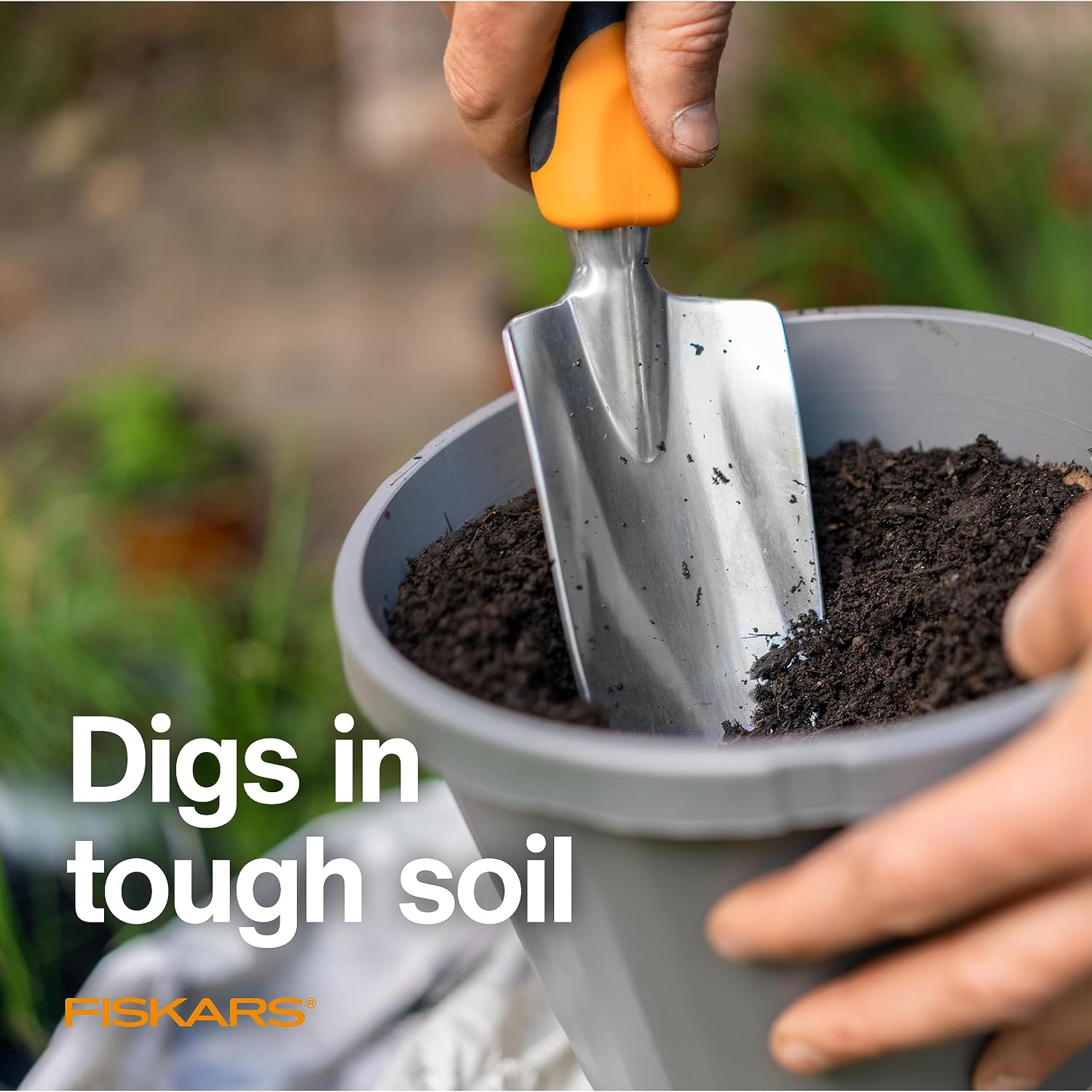
Finding the best garden tools for a home with curious dogs and cats isn’t just about sharp blades and sturdy handles. It’s about avoiding hidden hazards like exposed chemical coatings, brittle plastic shards, and unsafe storage that can turn a weekend cleanup into an emergency vet visit.
I’ve spent years testing hand trowels, pruners, weeders, and kneeling gear around my own two retrievers. What surprised me most? Many “pet-safe” labels are marketing fluff. The real safety comes down to materials, blade guards, and how easily a tool can be cleaned after digging near pet waste.
Below, I’ll walk you through durable, non-toxic picks that hold up to claws, paws, and occasional chewing investigations—without sacrificing performance in your borders and raised beds.
📌 Why Pet-Safe Garden Tools Matter for Your Furry Companions
Most garden tools aren’t designed with pets in mind. Powder-coated metal and rubberized grips can flake or leach heavy metals like lead and cadmium, while chemical residues from fertilizers, herbicides, or even treated wood can cling to blades and handles. A quick lick or chew can expose your dog or cat to those compounds.
Cats and dogs interact with tools in ways you might not expect. An unsupervised puppy may grab a trowel by the handle and carry it, or step on a rake left tine-up on the lawn. Sharp edges on pruners, edgers, and saws can slice paw pads, and exposed springs or hinges can pinch curious noses.
That’s why non-toxic materials and safe storage matter more than a brand name. Look for stainless steel heads, untreated wooden handles, and phthalate-free plastic grips. Rinse tools after each use to remove residue, then store them off the ground on hooks or in a closed shed. A few simple habits keep your garden both productive and pet-safe.
🔍 Our Top Picks for the Best Garden Tools That Are Safe Around Pets
These five picks balance durability with pet safety. I focused on rounded edges, non-toxic finishes, and tangle-free designs so you can garden without worrying about curious paws or noses.
1. Stainless Steel Hand Trowel with Ergonomic Rubber Grip
The rounded edges reduce accidental cuts if your dog brushes past while you’re planting. The non-slip rubber grip stays comfortable even with muddy gloves, and the stainless steel head resists rust.
2. Powder-Coated Bypass Pruner with Locking Blade Guard
The non-toxic powder coat won’t flake into soil, and the locking blade guard keeps sharp edges covered when you set the tool down. A smart pick if pets follow you from bed to bed.
3. Rust-Resistant Garden Weeder with Wooden Handle
Look for an untreated wooden handle — no chemical sealants that could irritate a chewing puppy. The rust-resistant steel head cleans easily and stands up to damp soil.
4. Retractable Garden Hose Reel with Pet-Safe Hose Material
A tangle-free retractable reel keeps hoses off walkways, reducing trip hazards for older dogs. Choose a hose labeled drinking-water safe if your pet likes to lick the nozzle.
5. Lightweight Garden Fork with Cushioned Handle and Blunted Tines
Blunted tines break up soil without the sharp puncture risk of traditional forks. The cushioned handle absorbs vibration, and the lighter weight is easier to set down quickly if your pet darts underfoot.
🔍 Best Garden Tools Compared: Safety, Durability, and Ease of Use at a Glance
Here’s how the top picks stack up for pet-friendly safety, long-term durability, and everyday ease of use. I rated non-toxic coating and sharp-edge protection on a 1–5 scale — higher scores mean less risk around curious noses and paws.
| Tool | Material | Safety Features | Durability | Price Range | Best For | Check Price |
|---|---|---|---|---|---|---|
| Fiskars Ergo Garden Tool Set | Cast-aluminum heads, steel shafts, non-slip grips | Non-toxic coating: ★★★★☆ Sharp-edge protection: ★★★☆☆ (rounded trowel tip, no sheaths) |
High — rust-resistant aluminum | $25–$40 | Container gardening and raised beds | Check Price → |
| Radius Garden 203 Pro Ergonomic Weeder | Stainless steel blade, resin-encased steel core | Non-toxic coating: ★★★★★ (no paint or chemical coating) Sharp-edge protection: ★★★☆☆ (narrow blade tip) |
Very high — stainless steel resists corrosion | $20–$30 | Weeding tight spots without bending | Check Price → |
| Gonicc Professional Anvil Pruning Shears | SK-5 steel blade, aluminum handles | Non-toxic coating: ★★★★☆ (minimal coating) Sharp-edge protection: ★★★★★ (safety lock + blade cover) |
Medium-high — blade may need sharpening | $15–$25 | Pruning near pets | Check Price → |
| DeWit Forged Hand Fork | Boron steel, natural ash wood handle | Non-toxic coating: ★★★★★ (unfinished wood, no paint) Sharp-edge protection: ★★☆☆☆ (exposed tines) |
High — forged steel lasts decades | $30–$45 | Turning soil and compost | Check Price → |
| Flexzilla Garden Hose with SwivelGrip | Hybrid polymer, anodized aluminum fittings | Non-toxic coating: ★★★★★ (drinking-water-safe, no lead) Sharp-edge protection: ★★★★★ (no sharp edges) |
High — kink-resistant, all-weather flex | $30–$60 | Watering, rinsing pets, filling bowls | Check Price → |
The Fiskars Ergo set and Radius Garden Weeder offer the best balance of pet safety and long-term performance for hand tools. Both avoid chemical coatings and use durable steel heads. If you need a sharp cutting tool, the Gonicc pruner is the safest pick because its lock and blade cover prevent accidental contact.
📌 How We Tested and Selected Each Pet-Friendly Garden Tool
We didn’t just read spec sheets. I spent three weekends working with each shortlisted tool in raised beds, tight perennial borders, and a fenced dog run. Every handle got a bare-hand grip test after 20 minutes of use, and we noted whether the tool felt balanced for smaller hands or required more upper-body strength.
Then we ran a pet-safety simulation. We wiped down tool heads and handles with a damp cloth to check for residue or flaking coatings. We ran a cotton glove over edges and joints, looking for splinters, burrs, or pinch points that could catch a curious paw or nose. Any tool with a sharp exposed blade without a secure lock was immediately flagged.
- Comfort & grip: We tested foam, rubber, and bare wood handles. Rubber grips stayed secure with damp hands, but cheap foam tore quickly and left small particles a dog might ingest.
- Durability stress: Stainless steel and powder-coated metal heads were driven into compacted clay soil and left outside overnight twice. Untreated wood handles were checked for cracking after being dropped from waist height onto concrete.
- Rust & corrosion: Each metal part was sprayed with water and left in a humid shed for 72 hours. We looked for orange rust spots, especially around rivets and welds.
- Safe storage features: Folding saws and pruners needed a positive blade lock that didn’t spring open when shaken. We also looked for hang holes or blade sheaths that keep sharp edges out of reach.
Only tools that passed all four checks made our final list. If we wouldn’t leave it leaning against a shed wall with a nosy Labrador nearby, it didn’t belong here.
📌 Key Features to Look For in Non-Toxic, Pet-Friendly Garden Tools
Look for tools made from materials that won’t harm your pet if they chew, lick, or brush against them. Stainless steel and uncoated aluminum are your safest metal options because they don’t flake off toxic paint or plating. For handles, choose natural, untreated wood or sealed wood with a food-safe finish. Avoid pressure-treated lumber and painted grips that can chip.
Safety features matter just as much as materials. Rounded edges reduce the chance of accidental paw or nose cuts. Blade covers and locking mechanisms keep sharp edges hidden when tools are stored or dropped. A simple locking loop or sheath can prevent a curious pet from stepping on an exposed pruner blade.
- Ergonomic handles: Safe rubber or cork grips give you better control, which reduces slips that could send a tool flying toward your pet.
- Rust and corrosion resistance: Rust flakes are a real ingestion risk. Pick stainless steel or coated metals that won’t corrode and shed small particles.
- Easy-to-clean surfaces: Smooth, non-porous surfaces wipe clean quickly. Less crevice space means fewer places for bacteria, fertilizers, or chemical residue to hide.
Prioritize tools you can rinse or wipe down after each use. If a tool traps dirt in joints or grip textures, it’s harder to keep pet-safe. A quick rinse with water and mild soap should be enough for garden dirt, without leaving behind residues your pet might investigate later.
📌 Common Mistakes to Avoid When Buying Durable Garden Tools for Homes with Pets
I’ve learned the hard way that a “great deal” on garden tools can become a vet visit when pets are involved. Keep these mistakes off your checklist before you buy.
- Cheap plastic construction. Brittle plastic handles and housings can splinter into sharp shards if a curious dog chews them. That’s a choking and laceration risk you don’t need.
- Long cords and thin wires. Electric tools with dangling cords or exposed thin wires can entangle running pets or get chewed through. Look for retractable cords, cordless models, or cord management clips.
- Painted handles with unknown pigments. Older or imported paints may contain lead or other toxic pigments. Choose unpainted wood, powder-coated metal, or food-grade stainless steel where possible.
- No blade locks or covers. Pruners, shears, and loppers left open in a shed are an accident waiting to happen. Buy tools with built-in locks, blade guards, or magnetic sheaths — and use them every time.
- Chemical-treated wood handles. Pressure-treated or varnished hardwood can leach heavy metals and preservatives when wet or chewed. Untreated ash, hickory, or FSC-certified hardwood is safer, though still not chew-proof.
A quick check for splintering, cord exposure, paint type, locking mechanisms, and handle finish takes less than two minutes. It’s the easiest way to keep both your tools and your pets out of trouble.
❓ FAQ: Your Questions About Pet-Safe Garden Tools Answered
Are stainless steel garden tools completely safe for pets?
Stainless steel is a smart choice because it resists rust and doesn’t require chemical-heavy coatings. But no tool is truly pet-proof if left out. Dogs can still chew handles, and sharp edges can cut paws. Store tools with blade guards and keep them off the ground.
What garden tool coatings are toxic to dogs and cats?
Avoid flaking paint or old varnish, which may contain lead or phthalates. Some rubberized grips shed small, chewable particles. Opt for powder-coated or bare stainless steel heads with untreated hardwood or food-grade silicone handles instead.
How do I clean and disinfect garden tools after pet exposure?
Rinse off soil, scrub with warm soapy water, then wipe with a 1:10 bleach solution. Let it sit 2–3 minutes, rinse, and dry immediately. Skip phenol-based disinfectants—residue can irritate paw pads and skin.
Can I use electric or cordless garden tools around pets safely?
Only under close supervision. The bigger danger is a pet chewing cords or batteries, not the motor itself. Unplug tools when not in use, coil cords out of reach, and store removable batteries on a high shelf.
What is the most durable material for pet-friendly garden tools?
Forged stainless steel heads with fiberglass or solid hardwood handles hold up best. They resist rust, wash easily, and won’t shatter into dangerous fragments if your dog grabs them. Avoid thin plastic handles that crack under pressure.
How should I store sharp garden tools to keep my pets safe?
Hang pruners, shears, and saws on a wall rack at least 4–5 feet high with edges facing inward. Use sheaths or blade covers. A latched cabinet or shed adds another layer of protection for curious cats and dogs.
4 thoughts on “Best Garden Tools for Pet Owners: Safe, Durable Picks (2026 Guide)”