
The question I hear most from pet parents is simple: is vinegar weed killer lawn safe? It’s a fair worry. You want to kill dandelions, clover, and crabgrass without burning your turf or putting your dog at risk. Store-bought herbicides work, but the chemical smell and warning labels make many owners nervous.
Vinegar sprays sound like the perfect fix. They’re cheap, easy to mix, and break down quickly. But vinegar is not selective. It can damage grass blades on contact, especially young or stressed lawns. This guide covers how it works, when it’s actually safe, and how to use it around pets without turning your yard into a patchy mess.
📌 What Is Vinegar Weed Killer and How Does It Work?
Vinegar weed killer is exactly what it sounds like—vinegar used as an herbicide. The active ingredient is acetic acid, the same compound that gives vinegar its sharp smell and sour taste. What matters for weed control is concentration.
Household white vinegar typically contains about 5% acetic acid. Horticultural vinegar, the kind sold specifically for weeds, usually ranges from 20% to 30% acetic acid, and some products go higher.
It works by contact desiccation. The acetic acid strips the waxy outer layer from broadleaf weed leaves and pulls moisture out of plant cells. On a warm, sunny day, sprayed leaves often wilt and turn brown within hours. But vinegar is not a systemic weed killer—it does not travel down to the roots. You’ll mostly see damage only where the spray lands.
That’s the key difference between household and horticultural vinegar. Household vinegar may brown tender weeds like chickweed or young dandelions, but it often won’t kill the root.
Horticultural vinegar is far more effective on contact, yet it’s also corrosive enough to irritate skin, eyes, and lungs. I handle it like a strong cleaning acid, not a kitchen ingredient. Gloves, goggles, long sleeves, and keeping pets away until the spray dries are non-negotiable.
📌 Is Vinegar Weed Killer Safe for Your Lawn Grass?
Straight answer: no, vinegar weed killer is not lawn-safe as a broadcast spray. It’s non-selective, so it damages nearly any green plant tissue it touches — including your turf. That said, it can be used safely around grass if you switch to targeted spot-treatment only.
Acetic acid burns leaf blades on contact. Household white vinegar (5% acetic acid) usually wilts young weeds and lightly singes grass. Horticultural vinegar (20–30%) is far stronger and can leave brown streaks across a lawn within hours.
Grass type matters. Thin-bladed, cool-season grasses like fine fescue and bentgrass show damage fastest. Young seedlings and drought-stressed turf are also more vulnerable. Established warm-season grasses such as Bermuda and St. Augustine often bounce back from a small overspray because underground rhizomes push out new growth.
To spot-treat without wrecking your lawn:
- Use a shielded sprayer or place a cardboard cone over the weed.
- Spray only on a calm, dry day; wind drift causes most accidental burns.
- Use a foam brush or sponge for creeping weeds near desirable grass.
- Keep the nozzle close and spray downward, not in a wide fan.
- Repeat small applications on weed leaves only. Avoid soaking the soil.
If overspray hits your grass, water the area lightly to dilute the acid. Mature grass usually recovers, but repeated vinegar contact can thin or kill patches over time.
📌 Pet Safety: Using Vinegar Weed Killer Around Dogs and Cats
Vinegar isn’t highly toxic to dogs or cats in the diluted concentrations most weed sprays use, but it can absolutely cause irritation. A quick lick of a treated leaf usually just leaves a bad taste and maybe mild drooling. The bigger concerns are concentrated horticultural vinegar (20–30% acetic acid) and direct contact with eyes, nose, or paw pads.
Inhaling vinegar mist can make pets sneeze, cough, or paw at their face. I always spray on calm days and keep pets inside until the area is completely dry. For standard 5% household vinegar, that’s usually 1–2 hours. For stronger horticultural vinegar, I wait at least 3–4 hours, or until the treated weeds look wilted and the soil surface feels dry to the touch.
Watch for these signs of vinegar irritation after your pet goes back outside:
- Mild signs: drooling, lip licking, sneezing, watery eyes, or brief paw chewing.
- More concerning signs: repeated vomiting, diarrhea, redness or squinting in the eyes, coughing, wheezing, or acting lethargic.
- Call your vet if vomiting lasts more than a couple of hours, breathing seems labored, or you suspect your pet drank a large amount of concentrated vinegar.
For most pets, a small taste of dried vinegar residue isn’t an emergency. Rinse their mouth or paws with plain water if you’re worried, and keep fresh drinking water available.
🔑 How to Apply Vinegar Weed Killer Safely on Lawns
Applying vinegar weed killer safely on lawns comes down to timing, targeting, and the right dilution. I always wait for a sunny, dry day with zero wind.
Bright sun speeds up the acetic acid’s burn-down effect on weed leaves, while still air keeps droplets from drifting onto grass or your pet’s paws. Ideal temperatures are between 60°F and 85°F, and you should skip application if rain is expected within 24 hours.
To avoid killing your lawn, use a spray shield or a targeted sprayer. A simple piece of cardboard held behind the weed works, or you can buy a cone-shaped spray shield that fits over the nozzle. I prefer a pump sprayer with a narrow, adjustable nozzle set to a fine mist. Hold the tip close to the weed leaves and spray only the plant you want gone.
For dilution, follow this simple guide:
- Young, tender weeds: Use full-strength household vinegar (5% acetic acid).
- Established, tough weeds: Mix 1 part horticultural vinegar (20% acetic acid) with 1 part water to create a 10% solution.
Apply the solution until leaves are wet but not dripping. Reapply every 7–10 days as needed. Annual weeds usually die after 1–2 treatments, while deep-rooted perennials often need 3–4 applications over a month before they stop regrowing.
🔍 Best Pet-Safe Alternatives to Vinegar Weed Killer
If vinegar feels too risky for your lawn or you simply want a gentler approach, you have a few solid options. These alternatives target weeds without the same burn-back risk to surrounding grass.
- Corn gluten meal works as a natural pre-emergent. Apply it in early spring before weed seeds germinate, usually around 20 pounds per 1,000 square feet. It won’t kill existing weeds, but it can suppress crabgrass and dandelion seedlings. Expect to pay $30–$50 for a 25-pound bag.
- Boiling water is practically free and very effective on weeds in sidewalk cracks, driveway gaps, or gravel paths. Pour it slowly over the crown of the plant. It kills top growth and shallow roots within a day or two. Best for small areas where you don’t want any chemical residue.
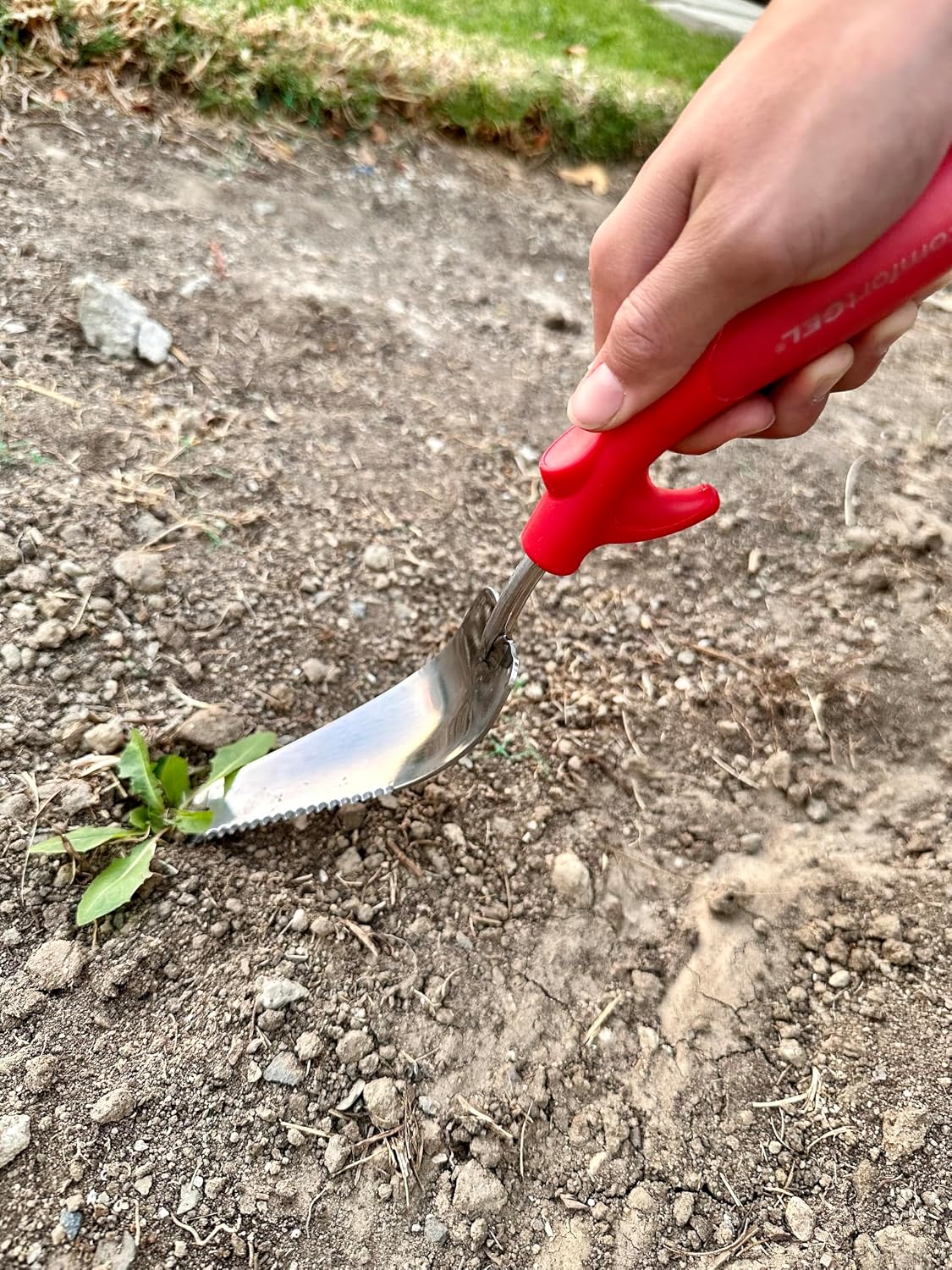
- Manual removal after rain is still one of the safest methods. Soft soil makes it easier to pull dandelions and plantains out by the root. Use a dandelion fork or stand-up weeder for less bending.
- Commercial pet-safe herbicides with iron chelate (FeHEDTA) or essential oils like clove, eucalyptus, and cedar can kill broadleaf weeds while drying quickly. Many are labeled safe for pets once the spray dries, often within a few hours. Check the label for re-entry guidance.
For lawns with scattered weeds, iron-based sprays tend to be the most lawn-safe because they mainly affect broadleaf plants and may not harm established turf as aggressively as vinegar.
❓ FAQ: Vinegar Weed Killer and Lawn Safety
Will vinegar weed killer kill grass or just weeds?
Vinegar is non-selective, so it damages any green plant tissue it touches, including lawn grass. It works best on young annual weeds; mature perennials like dandelions usually regrow from roots. To protect your lawn, spray only the weed leaves or choose a targeted alternative.
How long after spraying vinegar weed killer is it safe for pets?
Keep pets off the sprayed area until the vinegar dries, usually 1–2 hours on a warm day. Once dry, there’s no long-lasting toxic residue, but wet vinegar can irritate paw pads. Rinse your dog’s paws if they walk through it before drying.
Can I use household vinegar instead of horticultural vinegar?
Yes, but household vinegar is only 5% acetic acid, so it’s weaker and best for very young weeds. Horticultural vinegar (20–30%) kills faster but is corrosive and needs protective gear. Household vinegar plus a few drops of dish soap is the safer starting point.
Does vinegar weed killer harm soil or beneficial insects?
Vinegar may temporarily lower soil pH where sprayed, but normal lawn use rarely causes lasting harm. Repeated heavy applications can affect soil microbes and earthworms nearby. Spray in early morning or late evening to avoid direct contact with bees and other beneficial insects.
What is the best pet-safe weed killer for lawns?
For lawns, an iron-based herbicide (such as Fiesta) offers selective weed control and is generally considered pet-safe once dry. Plain 5% vinegar with dish soap works as a budget spot treatment. Corn gluten meal acts as a natural pre-emergent. Avoid glyphosate and 2,4-D around pets.
How do I keep weeds away naturally without vinegar?
Mow high (3–4 inches), water deeply but less often, and overseed bare spots each fall. Pull weeds after rain when the soil is soft, or pour boiling water on driveway cracks. Corn gluten meal in early spring helps reduce new weed seeds without chemicals.
1 thought on “Vinegar Weed Killer Lawn Safe: The 2026 Pet Owner’s Guide”