
The best grass for small backyard spaces must handle two things at once: constant paw traffic and tight, often shaded soil. A tiny lawn gets zero recovery time. Dogs sprint the same corner, pee on the same patch, and compact the ground with every zoomie. Most turf mixes simply don’t bounce back from that kind of abuse.
I’ve fixed enough 200-square-foot dog runs to know that fluffy, slow-spreading grass won’t last. You need a blend that fills in quickly, shrugs off urine spots, and grows in partial shade. Here are the pet-friendly, wear-tolerant picks I’d actually plant in 2026 — and the ones I’d skip.
📌 Why Grass Choice Matters for Small Backyards with Pets
In a small backyard, every square foot works harder. A 20-foot by 20-foot patch sees the same daily sprints, potty breaks, and roughhousing as a big lawn, but there’s no room for worn spots to recover. Urine burns, paw traffic, and shade from fences hit concentrated zones, so a weak grass turns patchy within weeks.
You also need to rule out anything toxic if your dog grazes. Most common turf grasses are safe, but avoid seed blends with invasive weeds or treated coatings. Pet-safe varieties like tall fescue, perennial ryegrass, and Kentucky bluegrass are my go-to picks because they tolerate urine better than fine fescues and recover faster from digging.
Durability matters more in compact spaces. A dense, self-repairing grass keeps mud off paws and prevents bare dirt from becoming a dust bowl or a slip zone. That means fewer baths for your dog and less tracked-in dirt inside.
Before you pick, weigh three things: how much shade your small yard gets, your local climate (cool-season vs. warm-season), and how much weekly mowing and watering you’ll actually do. The right match keeps a tiny lawn green without constant reseeding.
📌 Top 5 Pet-Friendly Grasses for Small Backyards
In a small backyard, every square foot gets hit by paws, pee, and play. These five grasses hold up best under that kind of pressure. I’ve picked them for real-world durability, not just how they look in a seed catalog photo.
| Grass Type | Durability | Shade Tolerance | Pet Safety & Key Notes | Check Price |
|---|---|---|---|---|
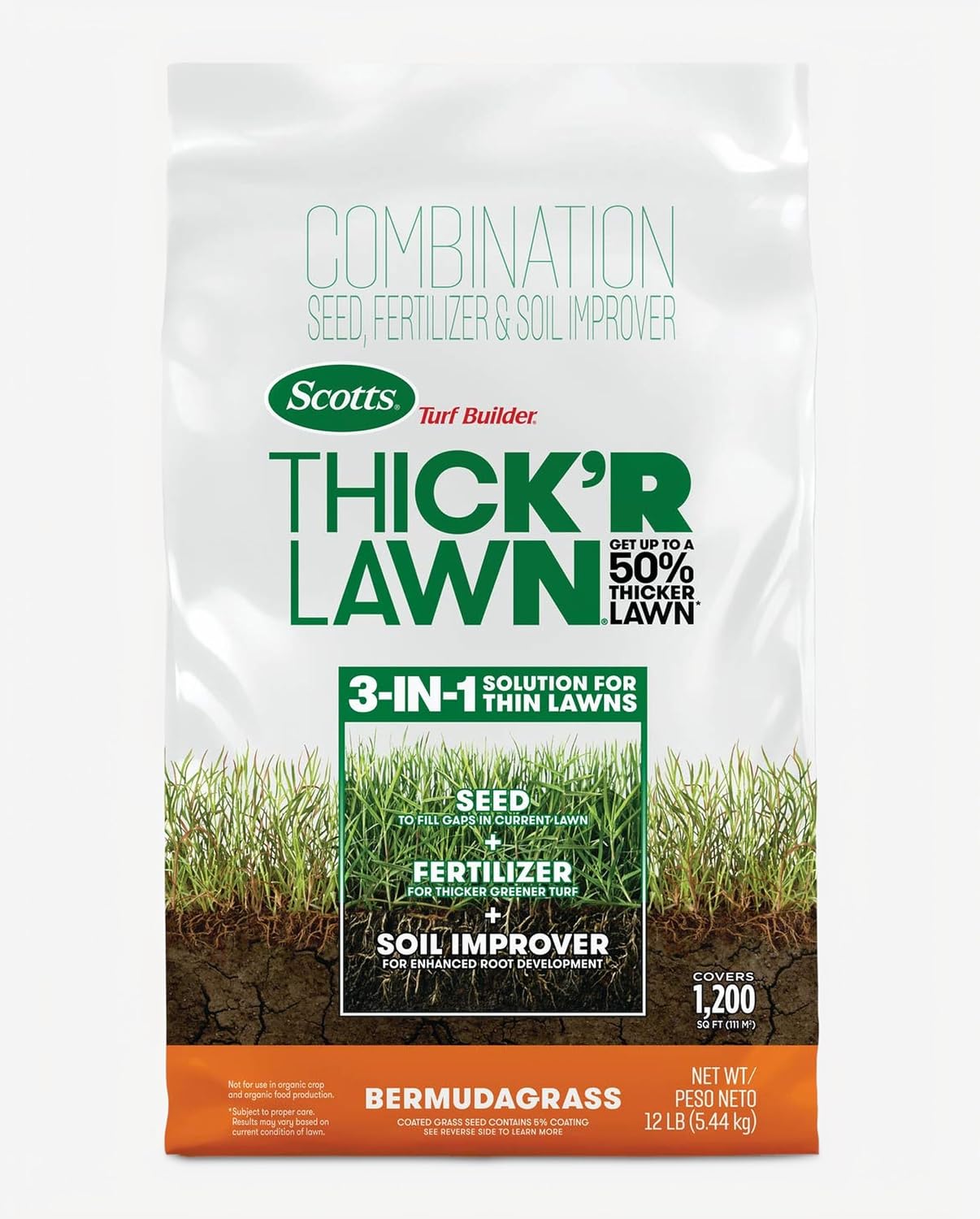
| Bermuda Grass | Excellent — high traffic | Poor — needs full sun | Safe for dogs; recovers quickly from urine burns; drought tough | Check Price → |
| Zoysia Grass | Very good — dense growth | Moderate | Safe for dogs; low maintenance; slower to establish but fills bare spots | Check Price → |
| Tall Fescue | Excellent — deep roots | Good | Safe for dogs; excellent traffic and urine tolerance; cool-season pick | Check Price → |
| Perennial Ryegrass | Good — quick establishment | Moderate | Safe for dogs; sprouts fast; ideal for overseeding worn spots | Check Price → |
| Kentucky Bluegrass | Moderate — soft, self-repairing | Moderate to poor — needs sun | Safe for dogs; rhizomes fill bare patches, but needs more water | Check Price → |
If your small yard gets full sun, Bermuda is the toughest. If you have shade, tall fescue is the safest bet. All five are safe for dogs, but none is indestructible — rotating potty spots still matters.
🔑 How to Choose the Right Grass for Your Climate and Soil
The quickest way to waste money on a small backyard lawn is to pick grass that fights your local climate. Warm-season grasses like Bermudagrass and zoysia thrive in USDA zones 7–10, while cool-season grasses such as tall fescue and perennial ryegrass do better in zones 3–7.
Before you buy seed or sod, test your soil. Most turf grasses prefer a pH between 6.0 and 7.0. If drainage is poor, water will pool in a small yard and create muddy paw zones. Dig a 12-inch hole, fill it with water, and see if it drains within 12–24 hours.
Small yards often have tricky sunlight. A fence, house wall, or tree can create shade pockets. Count the hours of direct sun your yard gets in summer:
- 6+ hours: full-sun grasses like Bermudagrass or buffalo grass handle the heat.
- 3–6 hours: tall fescue or fine fescue tolerate partial shade better.
- Under 3 hours: consider a shade-tolerant ground cover instead of traditional turf.
Finally, balance pet traffic with local water restrictions. If your area limits irrigation, choose drought-tolerant varieties like buffalo grass or tall fescue that bounce back after dry spells and still handle daily dog runs.
📌 Maintenance Tips: Keeping a Small Lawn Green with Dogs
Keeping a small backyard lawn green with dogs comes down to root depth and quick clean-up. Shallow watering makes roots lazy and lets urine concentrate near the surface. Soak the lawn one to two times per week instead of daily sprinkles. Aim for about 1 inch of water per session, including rainfall. This pushes roots deeper and dilutes nitrogen from dog urine before it burns.
Mow on the high side of the recommended range. Taller grass shades the soil, keeps roots cooler, and crowds out weeds. For tall fescue, that means 3.5–4 inches. Kentucky bluegrass does best around 2.5–3 inches. Even Bermuda handles dog traffic better at 1.5–2 inches than scalped short.
When you see a dog pee, grab a watering can right away. Rinsing the spot within a few hours washes away excess nitrogen and often prevents brown patches. It’s the cheapest lawn repair you’ll ever do.
- Fertilize with pet-safe products: Look for organic or slow-release formulas labeled safe for pets. Avoid weed-and-feed mixes containing 2,4-D, dicamba, or glyphosate — these common herbicides can cling to paws.
- Overseed thin spots every spring and fall: Small lawns show wear fast. Scratch bare areas, toss down matching seed, and keep it moist for 7–10 days. Dense turf resists digging and fills in before weeds move in.
One more rule: never apply fertilizer or pesticide right before your dog plays on the grass. Wait until the product is completely dry or watered in, usually 24–48 hours.
📌 Alternatives to Traditional Grass for Tiny Yards
If you’re tired of reseeding bare patches, artificial turf is the easiest zero-maintenance option for a tiny yard. High-end pet turf drains fast, won’t turn brown, and handles repeated dog sprints without tearing. Plan on $5–$20 per square foot installed. The trade-offs: it gets hot in full sun, and urine needs a quick rinse to keep odors down.
Clover and microclover are my favorite living alternatives. They stay green with less water, fix their own nitrogen, and resist yellow urine spots better than most turfgrasses. A 1 lb bag of microclover seed runs about $10–$20 and covers a small yard. It won’t survive constant heavy traffic, so pair it with stepping stones.
For high-wear dog paths, use mulch, pea gravel, or pavers. Cedar mulch costs $3–$6 per square foot and feels soft underfoot but needs yearly topping. Pea gravel drains well and makes poop pickup easy, though it can get hot. Pavers are the most durable but hardest on older joints.
My short answer: choose clover for a cool, green backyard; turf for zero care; hardscape only for run lanes. Cleanup and heat matter more than upfront cost in a small space.
🔍 FAQ: Best Grass for Small Backyard and Pet Owners
What is the most durable grass for dogs in a small backyard?
Bermudagrass is the toughest option for sunny, high-traffic yards because it spreads aggressively and fills bare spots fast. In cooler climates, turf-type tall fescue holds up better. I’d go with Scotts Turf Builder Tall Fescue Mix for a dense, wear-resistant lawn.
Is artificial turf safe for pets and a good choice for small yards?
Yes, most modern pet turf is lead-free and drains well. Look for a perforated backing and antimicrobial infill to cut odors. Petgrow Artificial Grass works well for compact spaces and is easy to rinse off after potty breaks.
How do I repair urine spots in a small lawn?
Flush the spot with water, rake out dead grass, then patch with a pet-safe seed mix. Scotts EZ Seed Patch & Repair Sun and Shade includes mulch and a tackifier to keep seed in place while new grass grows.
Which grass is best for a shaded small backyard?
Fine fescue and turf-type tall fescue tolerate partial shade without thinning. Pennington Smart Seed Dense Shade is a reliable blend for small shaded lawns and stays green with just a few hours of sun.
How often should I water new grass in a small backyard?
Water lightly 2–3 times daily for the first two weeks to keep the top inch of soil moist. Then shift to deep, infrequent watering once or twice a week to encourage deeper roots.
Can I mix grass types in a small backyard for better durability?
Yes. Blending a wear-tolerant grass like perennial ryegrass with shade-tolerant fine fescue covers more light and traffic conditions. A sun and shade mix is usually the easiest way to do this in a small yard.