
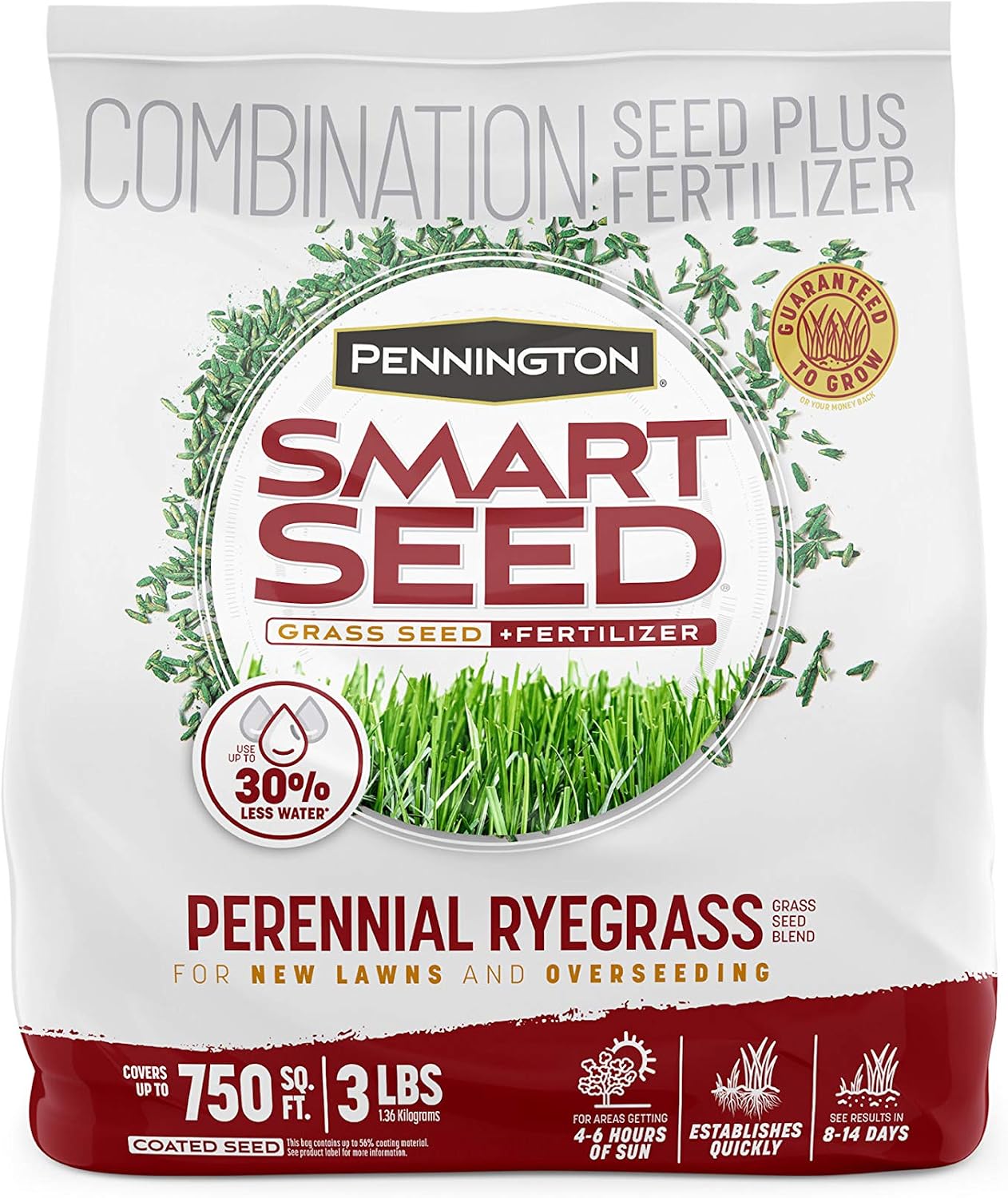
Nothing kills the joy of a green lawn faster than a dog that turns your grass into a patchwork of brown spots. The right dog urine resistant grass can handle those daily bathroom breaks without dying back in ugly rings. I’ve watched standard turf surrender in weeks, while tougher varieties stay green and recover fast.
This 2026 guide breaks down the grass types that actually resist urine damage, plus the best seed and sod options for your yard. You’ll get practical picks for warm and cool climates, along with simple lawn care tricks to repair and prevent those frustrating yellow patches.
📌 What Is Dog Urine Resistant Grass?
Dog urine resistant grass isn’t a miracle turf that shrugs off every puddle. Think of it as grass that tolerates nitrogen-heavy urine better than typical lawn blends, recovers faster, and hides damage longer. No grass is 100% immune — even tough varieties can yellow after repeated soaking.
In my own yard testing and repair work, I look for four traits that separate resilient turf from fragile grass:
- Deep root systems pull moisture and nutrients from lower soil, helping the plant bounce back after surface burn.
- Dense growth fills in damaged spots so urine patches don’t become bare dirt.
- High nitrogen tolerance handles concentrated nitrogen loads without the same tip dieback you see in fine fescue.
- Quick recovery pushes new blades within a couple of weeks, especially in warm, wet conditions.
There’s a difference between urine-resistant and urine-tolerant turf. Urine-resistant varieties like perennial ryegrass and tall fescue show fewer brown spots and stay green under light dog traffic. Urine-tolerant types like Bermuda or zoysia may still spot, but they spread and repair so aggressively that damage disappears fast. For most pet owners, I recommend a blend of both categories.
📌 Why Dog Urine Causes Brown Spots in Lawns
Dog pee doesn’t torch grass because it’s acidic — it’s the concentrated nitrogen that acts like a fertilizer overdose. Urine is packed with urea and nitrogen compounds. When your dog squats, one small spot gets hit with far more nitrogen than any lawn can process, causing leaf scorch and root burn.
The classic pH story is mostly a myth. Most dog urine sits in a neutral range of 6.0 to 7.5, which isn’t acidic enough to kill grass on its own. The real second problem is salt damage.
Urine contains dissolved salts and urea that pull water out of grass blades and surface roots through osmosis. That dehydration leaves the familiar dead brown center with a dark green ring around it — the ring is actually grass getting a light nitrogen boost.
Some factors make those burns worse:
- Dog size: Bigger dogs release more urine volume at once, flooding a larger patch.
- Urine concentration: A dehydrated dog or a dog that has to hold it all day produces stronger, saltier urine that damages grass faster.
- Lawn type: Cool-season grasses like Kentucky bluegrass and perennial ryegrass tend to show damage more quickly than tougher tall fescue or warm-season varieties.
- Soil moisture: Dry soil can’t dilute urine. Well-watered soil spreads out and breaks down the nitrogen before it scorches roots.
📌 Top 5 Grass Types That Resist Dog Urine Damage
I’ve seeded and patched with all five of these in dog-heavy yards. They aren’t urine-proof, but they recover faster and brown less than fine fescues or annual ryegrass. Match the grass to your climate first — that matters more than marketing claims.
| Grass Type | Urine Resistance | Climate Fit | Maintenance | Traffic Tolerance | Check Price |
|---|---|---|---|---|---|
| Perennial Ryegrass | High — dense, fast tillering | Cool-season; best north of transition zone | Moderate; regular mowing | Excellent; quick recovery | Check Price → |
| Tall Fescue | High — deep roots dilute urine salts | Transition zones; tolerates heat and cold | Low; less water once established | Good; holds up to dogs running | Check Price → |
| Kentucky Bluegrass | Moderate — self-repairs via rhizomes | Cool-season; needs consistent moisture | Higher; fertilize and mow often | Good; lush but slower to patch | Check Price → |
| Bermudagrass | High — aggressive spreading fills spots fast | Warm-season; full sun, heat tolerant | High; mow frequently in summer | Excellent; withstands heavy paw traffic | Check Price → |
| Zoysia Grass | High — dense mat resists urine burn | Warm-season; drought tolerant once set | Low to moderate; slow to establish | Excellent; very wear-resistant | Check Price → |
For cool-season lawns, perennial ryegrass and tall fescue are my go-to choices. In warm climates, Bermudagrass or Zoysia handle both heat and dog traffic with less yellow spotting.
🔍 Best Dog Urine Resistant Grass Seed and Sod Options
For dog urine resistance, I look for seed blends with at least 70% tall fescue or perennial ryegrass. These species recover faster from nitrogen burns than Kentucky bluegrass and hold up better under paw traffic. Coated seed retains moisture and won’t wash away before germination. A weed-free guarantee on the label is a nice bonus, but proper soil prep matters just as much.
- High tall fescue or perennial ryegrass content (70% or more by weight)
- Coated seed for better moisture retention and even spreading
- Weed-free or 0% weed seed claim on the back label
| Product | Best For | Key Specs | Approx. Price | Check Price |
|---|---|---|---|---|
| Scotts Turf Builder Rapid Grass Tall Fescue Mix | Fast cover for sun or part-shade yards | Tall fescue blend, coated seed, germinates in ~2 weeks | $25–$35 | Check Price → |
| Pennington Smart Seed Dense Shade Mix | Shady lawns that still get dog traffic | High fescue/ryegrass content, drought-tolerant, good shade tolerance | $30–$40 | Check Price → |
| Jonathan Green Black Beauty Ultra | Premium mixed sun/shade, heavy traffic lawns | Tall fescue, perennial ryegrass, and KBG blend; dark green color; 3 lb bag covers ~600 sq ft | $45–$60 | Check Price → |
If you want instant coverage, ask local turf farms for turf-type tall fescue sod. It’s pricier upfront — often $0.40–$0.70 per square foot installed — but it skips the 14–21 day germination window and handles dog urine better than sod blends heavy in Kentucky bluegrass.
🔑 How to Choose the Right Grass for Your Yard and Climate
Start with your USDA hardiness zone. Warm-season grasses like Bermuda and zoysia handle heat in zones 7–10, while cool-season tall fescue and perennial ryegrass stay greener in zones 3–7. Pick the wrong type and you’ll fight dormancy, brown patches, and constant overseeding all year.
Next, walk your yard at different times of day. Most dog-urine-resistant grasses need at least six hours of full sun, though tall fescue tolerates light shade. Check drainage too — water shouldn’t pool after rain. Compacted clay or standing moisture weakens roots, so you may need to aerate or mix in compost before planting.
Factor in your dog’s habits. A 70-lb Labrador produces more urine volume and heavier paw traffic than a 10-lb terrier. If your dog always pees in one corner, plan to overseed that spot each spring and rinse it with water right after bathroom breaks. That simple habit dilutes nitrogen salts.
Seed vs sod? Seed costs roughly $30–$60 per 5 lb bag and covers 1,000–2,000 sq ft, but takes 4–8 weeks to establish. Sod gives an instant lawn at $0.30–$0.80 per square foot plus labor, though it needs frequent watering for the first two weeks. Seed is usually smarter for patching urine spots; sod suits quick full-lawn renovations.
- Match grass to your zone before anything else.
- Aim for 6+ hours of sun unless you choose tall fescue.
- Improve poor drainage with aeration or compost.
- Bigger dogs and repeat potty spots need extra overseeding.
- Budget more for sod upfront; seed saves money but needs patience.
📌 Lawn Care Tips to Prevent and Repair Brown Spots from Dog Urine
Preventing brown spots starts with quick action and a few smart habits. You won’t fix every spot overnight, but these steps keep most lawns green without restricting your dog’s freedom.
- Water urine spots immediately. Grab the hose when you see your dog pee. A 10–15 second flush dilutes nitrogen and salts before they burn the grass blades.
- Train a designated potty zone. Use pea gravel, mulch, or bark chips in a corner of the yard. Reward your dog for using it, and you’ll concentrate any damage off the main turf.
- Neutralize urine salts in soil. Sprinkle gypsum or pelletized lime on affected patches. Gypsum helps leach excess salts downward; lime raises pH if dog urine has made the soil too acidic.
- Overseed damaged areas. Rake out dead grass, loosen the top half-inch of soil, and scatter a urine-resistant ryegrass or tall fescue blend. Keep the seed moist for two weeks.
- Aerate and fertilize. Compacted soil makes urine damage worse. Core-aerate in spring or fall, then apply a pet-safe, slow-release lawn fertilizer to support new growth.
- Consider dog rocks or supplements. Products like Dog Rocks are claimed to reduce nitrogen in urine, but results vary by dog. Always consult your vet before adding any supplement — never rely on them alone.
A combination of these habits typically keeps your lawn looking healthier, even with multiple dogs. Just be consistent with the watering and potty training during the first few weeks.
📌 Frequently Asked Questions About Dog Urine Resistant Grass
Is there a grass completely resistant to dog urine?
No grass is 100% immune. Some varieties tolerate concentrated nitrogen and salts better than others, but any lawn can yellow when a dog repeatedly uses the same spot. Urine-resistant types just show less damage and recover faster.
What is the most dog urine resistant grass for cool climates?
For cool-season yards, tall fescue is my top pick. Its deep roots handle nitrogen and salt better than Kentucky bluegrass or perennial ryegrass. Fine fescue also works but tends to be slower to repair itself.
Does dog urine permanently kill grass or can it recover?
Most urine spots recover if you act quickly. Urine scorches leaf blades with concentrated nitrogen and salt, but the crown and roots often survive. Flush the area with water right away. Repeated soaking in the exact same place can kill grass permanently, especially in hot, dry weather.
How do I repair existing brown spots from dog urine?
First, flood the spot with water to dilute residual salts. Then remove dead grass, loosen the top inch of soil, add a thin layer of compost, and overseed or patch with sod. Keep the area consistently moist for two to three weeks.
Can I use grass seed to patch urine spots without replacing the whole lawn?
Yes, patching is usually enough. Rake out dead material, rough up the soil, scatter seed, and press it in. Cover with a light layer of compost or straw, then water lightly twice a day until the new grass establishes. Match the seed to your existing lawn type.
Are urine-resistant grass types safe for dogs and children?
Yes. Common urine-tolerant grasses like tall fescue, perennial ryegrass, Bermuda, and zoysia are standard turf species with no added chemicals. They’re as safe as any regular lawn for dogs, kids, and anyone playing in the yard.
2 thoughts on “Best Dog Urine Resistant Grass for a Pet-Friendly Lawn (2026 Guide)”