
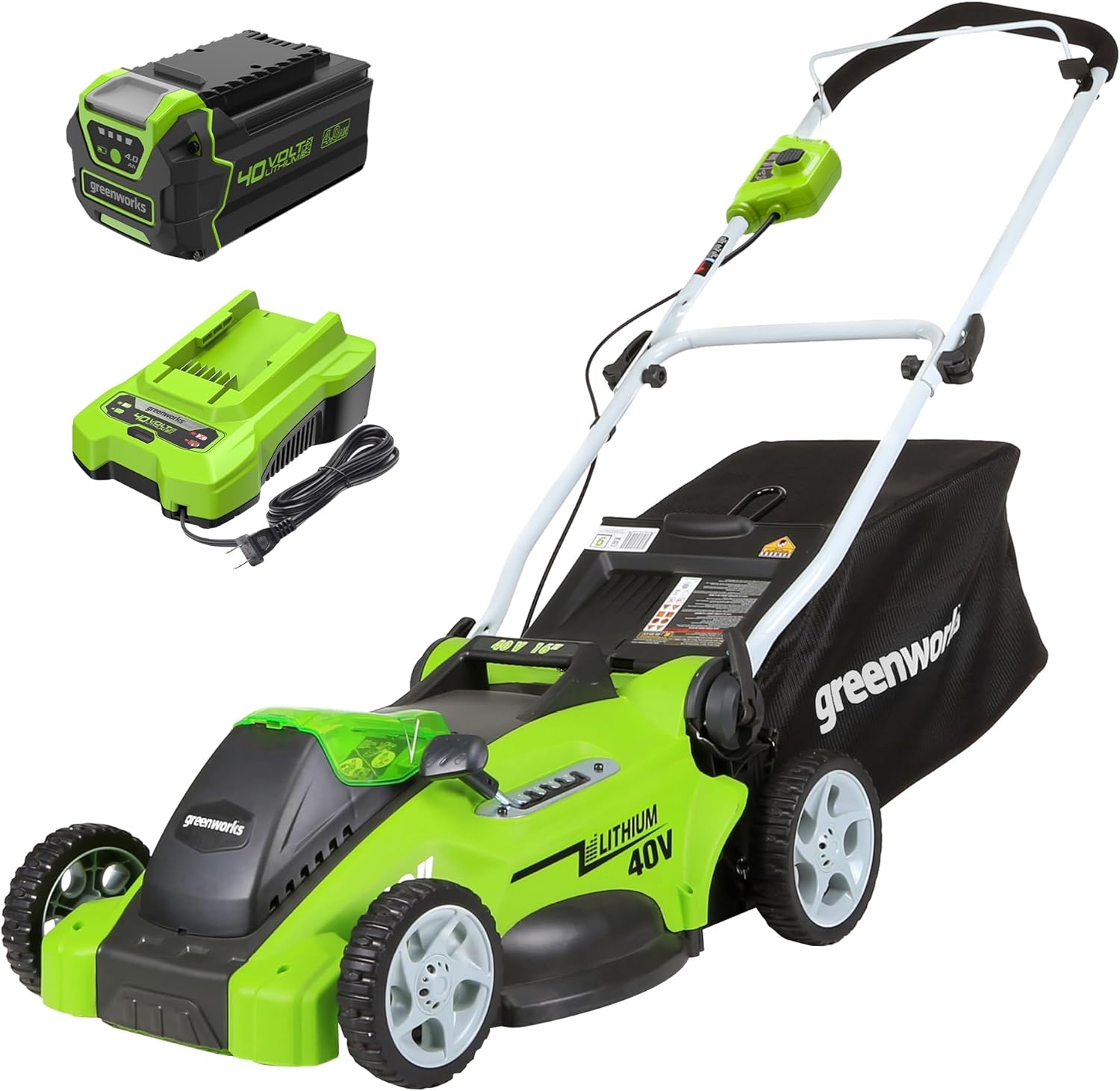
The right lawn mower blade height settings protect both your grass and your pets. Cut too low and you’ll stress the turf, invite weeds, and create muddy, dusty patches that dogs track inside. Mow too high and your yard turns into a hiding spot for ticks, fleas, and urine-soaked thatch.
Most pet owners grab the mower and set it once, usually too low. That’s a mistake. A taller, healthier lawn cushions paws, resists wear from zoomies, and stays greener through summer. I’ll walk you through exact height settings for common grasses, seasonal tweaks, and the pet-safe mowing habits that make a real difference.
📌 Why Lawn Mower Blade Height Settings Matter for Pet-Friendly Lawns
Cutting height isn’t just about aesthetics. It’s the single biggest factor in how well your lawn handles daily dog traffic, urine spots, and hard play. I treat mower deck height as a pet-care decision, not just a landscaping one.
Taller grass — around 3 to 4 inches for most cool-season lawns — grows deeper roots. Those roots reach water and nutrients far below the surface, so the turf tolerates dry spells and bounces back after paws pound the same path. Short grass has shallow roots, wilts faster, and thins out under constant wear.
Dog urine burns are easier to hide and recover from when grass blades have extra leaf tissue. A taller canopy also shades the soil, slowing moisture loss and reducing soil compaction from foot traffic. Compacted soil chokes roots, making the lawn even more fragile.
Scalping is the worst mistake I see in pet yards. Cutting below about 2 inches exposes bare soil, invites crabgrass and weeds, and turns those high-use zones into dirt paths. Keep the deck higher, especially in summer and along fence lines where dogs run.
📌 Recommended Lawn Mower Blade Height Settings by Grass Type
For pet owners, I default to the higher end of each grass type’s recommended range. Taller grass shades the soil, grows deeper roots, and bounces back faster after dog urine or zoomies. It also feels less bristly on bare paws than a scalped lawn.
| Grass type | Standard mowing height | Pet-friendly setting |
|---|---|---|
| Tall fescue | 2.5–4 in | 3.5–4 in |
| Kentucky bluegrass | 2.5–3.5 in | 3–3.5 in |
| Perennial ryegrass | 2.5–4 in | 3–3.5 in |
| Bermuda | 0.5–2 in | 1.5–2 in |
| Zoysia | 1–2.5 in | 2–2.5 in |
| St. Augustine | 2.5–4 in | 3–4 in |
| Centipede | 1.5–2.5 in | 2–2.5 in |
Those are the numbers I use, but your lawn may vary by cultivar. Cool-season grasses such as fescue, bluegrass, and ryegrass thrive in spring and fall and should never go below 2.5 inches, especially with pets. Warm-season grasses like Bermuda, zoysia, and centipede generally do fine in the 1–3 inch window. St. Augustine is the odd one out—it prefers 2.5–4 inches, so don’t treat it like Bermuda.
Identify your grass before picking a setting. Look at growth pattern and blade width. Fescue has coarse, clumping blades; bluegrass is fine-textured and spreads by rhizomes; Bermuda is wiry with aggressive runners. When unsure, take a 3-inch plug or clear photo to your county extension office. It’s a free way to get a correct ID.
Why go higher for pets? A little extra height keeps the crown protected, reduces soil compaction stress, and helps grass tolerate nitrogen loads from urine. I just keep it inside the top of the range—not above it—so the turf doesn’t stay damp all day or invite fleas and ticks.
🔑 How to Adjust Your Mower’s Cutting Height Step by Step
Adjusting cutting height isn’t complicated once you know where your mower’s controls are. Start with the engine off and the spark plug disconnected on gas mowers. Your owner’s manual will show whether you have a single deck lever, individual wheel levers, or a central height adjuster.
- Check the owner’s manual to locate the deck lever or wheel adjustment points. Most mowers use one of three systems: a single lever near the rear wheel, a lever at each wheel, or a spring-loaded deck bracket.
- Measure blade height on a flat surface before starting. Park the mower on a level driveway or garage floor. If you’re unsure of the current setting, slide a tape measure under the deck edge to check approximate blade clearance.
- Adjust all four wheels or the mower deck to the same setting. On wheel-adjusted mowers, move each wheel lever to the identical notch. On deck-adjusted models, move the central lever to your chosen height. Even one wheel in the wrong hole can create an angled, uneven cut.
- Use a tape measure or blade height gauge to verify accuracy after adjusting. Measure from a flat floor to the blade tip on each side. A quarter-inch difference may not sound like much, but it can scalp high spots and shave grass unevenly.
- Mow a small test patch and recheck grass height. Cut a 3–5 foot strip, then measure the remaining grass blade height. If it’s too short or too tall, turn off the mower and adjust again before tackling the whole lawn.
These steps take about five minutes and prevent most uneven cutting problems. A correctly adjusted deck also keeps paws from contacting sharp blades on scalped, exposed soil.
📌 Seasonal Mower Height Adjustments for High Pet Traffic Areas
High pet traffic areas bounce back faster when you adjust mowing height with the season. A dog’s paws, urine spots, and play patterns add extra stress, so the right height keeps grass dense enough to recover and soft enough for paws.
- Spring: Start with your normal early-season cut, then gradually lower the blade over the first two or three mows. This removes winter debris and thatch without scalping emerging crowns. For cool-season grasses like fescue or Kentucky bluegrass, aim for a first cut around 3 inches, then drop to 2.5–3 inches as growth speeds up.
- Summer: Raise the deck to 3–4 inches for most cool-season lawns. Taller blades shade the soil, reduce water loss, and keep roots cooler when dogs are running on it. Warm-season grasses like Bermuda or zoysia can stay shorter at 2–2.5 inches, but avoid going below that in peak heat.
- Fall: Gradually lower height by about half an inch every week or two. This prevents grass from matting under leaves and reduces fungal issues in damp, shaded spots pets like to rest in. Stop lowering once you reach around 2.5 inches for cool-season lawns.
- Winter dormancy: Warm-season grasses go dormant and shouldn’t be cut too short. Leave 2–3 inches standing to protect crowns from cold snaps and foot traffic. If you overseed with ryegrass, mow at 2–2.5 inches until it fades in late spring.
Small adjustments every few weeks make a bigger difference than one dramatic change. Watch how the grass responds under your dog’s usual paths — if it’s thinning or browning, raise the height slightly before the next cut.
📌 Pet-Safe Lawn Care Practices to Pair with Proper Mower Blade Settings
Adjusting blade height is just the start. The aftercare you give your lawn determines whether it bounces back from paw traffic, urine, and rough play. Pair your mowing routine with a few pet-aware habits.
- Water deeply after mowing. Give the lawn about 1 inch of water within a day or two. This helps cut grass blades recover and pushes moisture down to roots where pets compact the soil.
- Rinse dog urine spots immediately. A quick hose-down dilutes nitrogen before it burns the grass. Focus on the exact spot, not the whole lawn.
- Overseed bare patches with tough varieties. Perennial ryegrass and tall fescue handle pet traffic better than fine fescue. Rake the spot, scatter seed, and keep it moist for a week.
- Choose pet-safe fertilizers. Look for corn gluten meal or compost-based products. Avoid synthetic weed-and-feed formulas and spot sprays that leave residues on paws.
- Keep mower blades sharp. Dull blades tear grass tips, leaving ragged edges that lose moisture and invite fungus. Sharpen at least once a season, more if you mow weekly.
A sharp blade and correct height reduce stress, but these habits keep the turf thick, green, and safer for bare paws.
📌 Common Mistakes Pet Owners Make with Mower Blade Height Settings
Most lawn damage I see in pet-heavy yards comes from a handful of mowing habits, not the pets themselves. Scalping the lawn during peak activity is the biggest one. Cutting bermuda or fescue down to 1 inch or less removes the shade and cushion that protect soil and roots. Urine spots, digging, and zoomies hit harder once the grass is already stressed.
- Removing more than one-third of the blade at once. Chopping off 3 inches from a 4-inch lawn shocks the plant. It redirects energy into regrowing shoots instead of repairing pet-damaged roots. Gradual cuts are gentler.
- Mowing with dull blades. Torn leaf tips lose moisture faster and turn yellow, making brown urine rings more obvious. Sharpen blades every 20–25 hours of mowing time.
- Ignoring seasonal height shifts. A fixed 2-inch setting all year means cool-season grass bakes in summer and warm-season grass stays too tall in fall. Raise heights in heat, lower slightly in cooler active growth windows.
- Using one setting for every grass type. A mixed yard with fine fescue and St. Augustine needs different zones. Mowing St. Augustine at fescue height invites thatch and bare patches under dog traffic.
Check your mower deck before each cut, not once a season. The right height protects roots and gives dogs a softer, more resilient surface.
❓ FAQ: Lawn Mower Blade Height Settings for Pet Owners
What height should I mow if my dog uses the lawn for potty breaks?
Keep most turfgrasses at 3–4 inches. Slightly taller blades shade the soil, slow evaporation, and give grass more leaf area to recover from concentrated urine nitrogen. Avoid scalping below 2.5 inches in potty zones.
Can taller grass help prevent fleas and ticks in my yard?
No, taller grass often creates the humid, shaded conditions fleas and ticks prefer. Keep grass at the upper end of its healthy range—typically 3–4 inches—but trim edges and fence lines regularly. Mowing at the right height reduces pest habitat without stressing the lawn.
How often should I mow if I keep grass taller for pets?
Follow the one-third rule: never remove more than one-third of the blade in a single mow. For 3.5-inch grass, mow when it reaches about 4.5 inches. That usually means every 5–7 days in spring, and every 7–10 days during slower summer growth.
Does mower blade height affect how fast dog urine spots recover?
Yes. Higher cuts leave more green tissue and a deeper root system, which may help turf tolerate nitrogen salts. Shallow mowing stresses the plant, so brown urine spots often expand or recover slower. Raise the deck height 0.5–1 inch in dog high-use zones.
Should I use a reel mower or rotary mower for precise height settings?
A reel mower offers finer, more repeatable height control and clean scissor cuts, but many struggle with taller 3–4 inch grass. Most pet owners do better with a rotary mower that has a single-lever deck adjustment and clear height notches.
Is it okay to mow wet grass if pets use the lawn daily?
Avoid it when possible. Wet blades tear instead of cut, leaving ragged tips that stress turf and increase disease risk. If you must mow damp grass, raise the deck slightly, clean under the deck afterward, and keep pets off until clumps dry.
3 thoughts on “Lawn Mower Blade Height Settings: A Pet Owner’s Guide to a Healthy Lawn (2026)”