
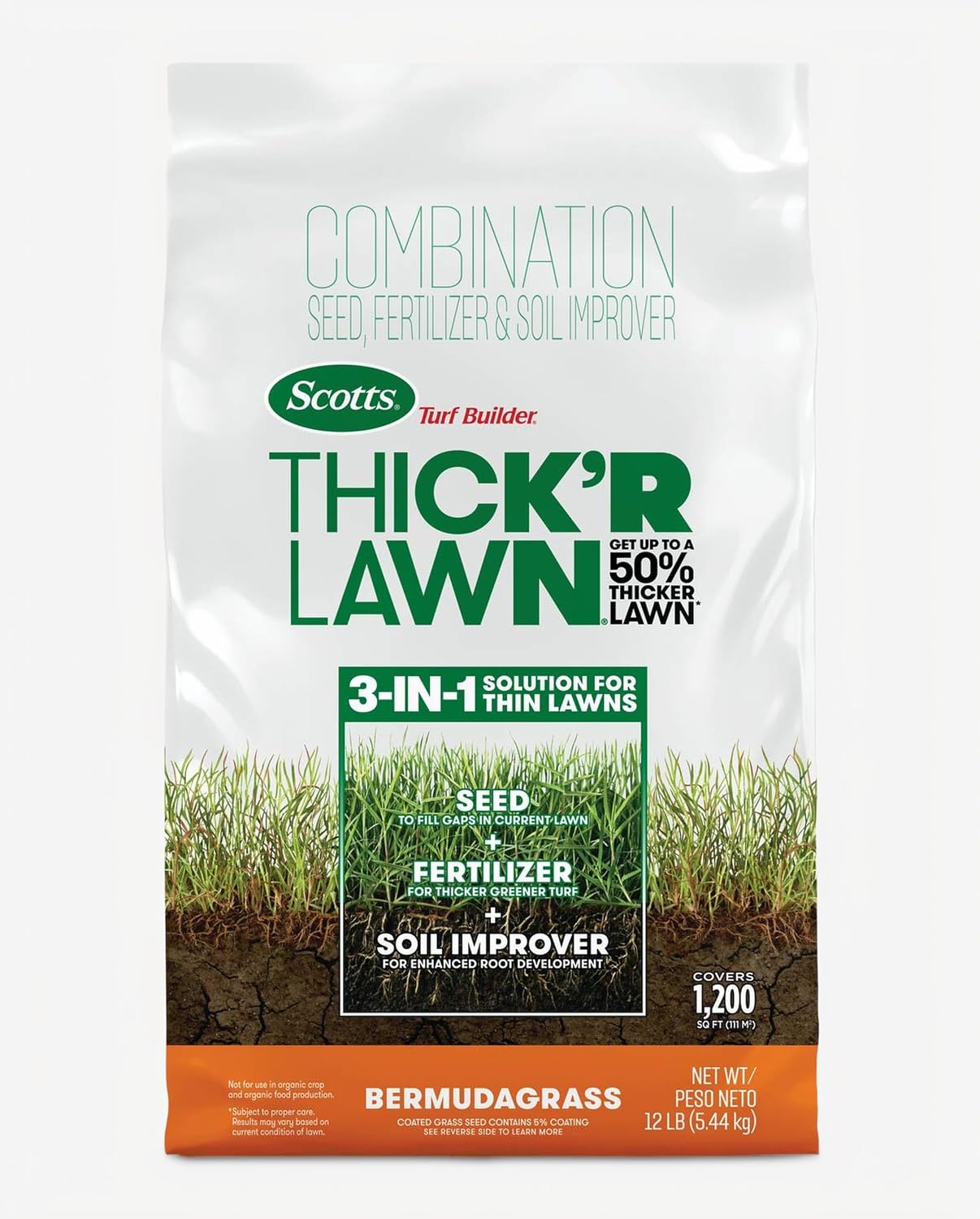
The easy grass to grow from seed isn’t just about fast germination—it’s about surviving dog urine, digging paws, and daily zoomies. Most “quick cover” mixes fall apart the first time your pup squats or sprints across the yard, leaving you with muddy paws and patchy dirt.
You need a seed blend that establishes quickly, tolerates wear, and won’t introduce toxic coatings or sharp awns into your lawn. I’ve tested several low-fuss options with my own dogs, and the right choice comes down to climate, traffic, and how patient you are with bare patches. A little planning now saves you from reseeding every spring. Here’s what actually works for pet owners.
🔑 Why Choose Easy-to-Grow Grass for Your Pet?
A fast-growing, low-maintenance grass seed does more than fill bare spots—it makes living with a dog or cat much easier. You’ll spend less time watering, reseeding, and wiping muddy paw prints off the floor.
For busy owners, easy grass means reseeding a worn patch in ten minutes on a Saturday, not a weekend project. Quick-establishing varieties like perennial ryegrass (germinates in 5–10 days) and tall fescue (deep-rooted and traffic-tolerant) cover soil before pets can track mud inside. A dense root system also gives dogs a stable surface to run on, which reduces digging in soft, bare patches.
Pet-safe lawn seed is a healthier alternative to synthetic turf, which can get hot in summer and holds urine odors. It’s also better than relying on harsh weed killers or chemical fertilizers, especially if your pet nibbles grass or rolls on the lawn.
Here’s what easy-grow grass gives you:
- Less reseeding: blends with quick-germinating seed fill thin spots fast.
- Fewer muddy paws: dense turf traps soil before your dog tracks it inside.
- No chemical worry: pet-safe blends skip coated seeds with unnecessary treatments.
You get a resilient, non-toxic space where your pet can lounge, play, and do their business without constant upkeep.
📌 Top 5 Easy Grass Seeds That Are Safe for Pets
The five grass seeds below are my go-to picks for pet yards because they establish quickly, hold up to paw traffic, and are non-toxic for dogs and cats. You’ll notice faster germination is not always better — some slow starters like Kentucky bluegrass fill in more densely over time.
| Grass Seed | Germination Time | Sun Needs | Pet Traffic Tolerance | Check Price |
|---|---|---|---|---|
| Perennial Ryegrass | 5–10 days | Full sun to part shade | High — excellent for dog runs | Check Price → |
| Tall Fescue | 7–12 days | Full sun to light shade | Medium–high, deep roots and soft blades | Check Price → |
| Kentucky Bluegrass | 14–28 days | Full sun to part shade | Medium — lush but recovers slowly | Check Price → |
| Bermuda Grass | 10–30 days | Full sun | Very high — warm-season, tough | Check Price → |
| Fine Fescue Blend | 7–14 days | Shade to part sun | Low–medium — best for quiet corners | Check Price → |
For a high-traffic dog run, I’d start with perennial ryegrass or tall fescue. Bermuda is my top choice for hot, sunny yards in the South, while fine fescue works best in partly shaded spots that don’t see daily zoomies.
🔍 How to Choose the Best Pet-Safe Grass Seed
The first thing I check on any seed bag is whether the seed is untreated and non-toxic. Some grass seed is coated with fungicides or fertilizers that can irritate a dog’s paws or stomach if they lick it after rolling. Look for words like “uncoated,” “raw seed,” or “pet-safe” on the label. Skip anything with added herbicides.
Next, match the grass type to your climate and sun exposure. Warm-season grasses like Bermuda need full sun, while fine fescues handle shade. If your yard gets mixed light, a sun-and-shade blend works better than a single variety.
For active dogs, prioritize traffic tolerance and recovery speed. Perennial ryegrass and tall fescue bounce back quickly from paw traffic and urine spots. Avoid slow-growing grasses that can’t repair themselves before your next romp.
- Check for “uncoated” or “pet-safe” seed
- Choose a blend matched to your light: full sun, shade, or mixed
- Pick high-traffic types like tall fescue or perennial ryegrass
- Look for “low-maintenance” or “quick-establishing” labels
Two blends I’ve had good luck with: Pennington Smart Seed Sun and Shade Mix (for average yards) and Jonathan Green Black Beauty Ultra Grass Seed (for tougher, high-traffic lawns). Both are untreated and establish quickly from seed. Check Price → Check Price →
📌 Step-by-Step Guide to Planting Grass Seed with Pets Around
The biggest mistake pet owners make is letting a dog or cat “help” with seeding. Paws crush seed, and urine can burn new sprouts before they establish. Keep pets completely off the area from soil prep through the first mow.
- Prep the soil and block access. Remove old debris, loosen the top 2–3 inches of soil, and level low spots. Put up temporary fencing, chicken wire, or a simple step-in pet pen around the seedbed. Move bathroom breaks to a designated potty zone elsewhere in the yard.
- Spread seed evenly. Use a broadcast or drop spreader at the rate on the bag — most easy grasses like perennial ryegrass or tall fescue go down at 5–8 lbs per 1,000 sq ft. Rake lightly so seed sits just 1/8 to 1/4 inch deep for good seed-to-soil contact.
- Water gently. Mist once or twice a day to keep the top inch of soil damp, not soggy. Stop if puddles form. Most easy grasses germinate in 7–14 days with consistent moisture.
- Protect new grass. Keep temporary fencing up until seedlings are 3–4 inches tall and you’ve mowed once. Then reintroduce pets slowly, supervising for digging or urine spots.
If you can’t fence the area, use a 6-foot leash for bathroom trips and walk pets to a different spot. A seeded patch usually needs to stay closed for at least 3–4 weeks before it can handle light paw traffic.
🔑 How to Care for Your New Grass Without Harming Your Pet
Your new grass is most vulnerable in the first 6–8 weeks, and many lawn products can be risky for pets. I stick with pet-safe organic fertilizers like compost, worm castings, or alfalfa meal. Avoid synthetic weed-and-feed products; glyphosate and 2,4-D can linger on paws. If weeds appear, spot-pull them or use corn gluten meal as a natural pre-emergent—just keep pets off until it’s watered in.
Mow at 3–3.5 inches for perennial ryegrass and tall fescue. Taller grass shades the soil, reduces evaporation, and develops deeper roots that recover faster from pet traffic and urine spots. It also means you’ll mow less often.
Urine burns happen when nitrogen concentrates in one spot. Rinse the area with water within 8 hours after your dog pees, or rotate watering to dilute salts on the new lawn. I also overseed thin spots with the same seed mix every few weeks while the lawn establishes.
For pests, skip chemical grub killers and broad-spectrum insecticides. Three options I trust:
- Beneficial nematodes (Heterorhabditis bacteriophora) target flea larvae and grubs without harming dogs or cats.
- Food-grade diatomaceous earth can be sprinkled lightly for ants, but keep pets away during application and avoid inhaling dust.
- Neem oil sprays work for many soft-bodied pests—just let them dry fully before pets return.
📌 Common Mistakes to Avoid When Growing Grass from Seed
Most failed grass seed jobs come down to a few avoidable errors. Here’s what catches pet owners off guard.
- Planting at the wrong time. Cool-season grasses like fescue germinate best when soil temps sit between 50–65°F, usually early spring or early fall. Warm-season types like Bermuda need soil above 65°F. Check your seed label and local soil temperature before you rake.
- Letting dogs or cats on the seedbed too soon. Even light paw traffic can displace seed and crush fragile sprouts. Block off the area for at least 2–3 weeks after germination begins, and wait longer for large, active dogs.
- Overwatering or underwatering during germination. Seed needs consistent moisture but never puddles. Water lightly 2–3 times per day for the first 10–14 days, just enough to keep the top 1/2 inch of soil damp.
- Picking the wrong seed for your climate or shade. A sunny, drought-tolerant blend may fail under trees. Use fine fescue for shaded spots and a mix labeled for your region’s heat or cold patterns.
- Skipping soil prep. Seed won’t root well on compacted or thatchy ground. Loosen the top 2–3 inches, remove debris, and work in a thin layer of compost before spreading seed.
Fix these basics first and you’ll see far better germination.
❓ FAQ: Easy Grass to Grow from Seed for Pet Owners
What is the fastest-growing grass seed that is safe for dogs?
Perennial ryegrass is your best bet. It germinates in 5–10 days and establishes quickly, which reduces the window where your dog can trample bare soil. Stick with plain, uncoated seed—some fertilizer coatings aren’t something you want your dog sniffing or licking.
Can I grow grass from seed if my dog uses the yard daily?
Yes, but you’ll need to section off the seeded area for about 4–6 weeks. Even a short daily pee break can uproot young seedlings. Use temporary fencing or rotate your dog to a different part of the yard while the new grass gets established.
Which grass seed is best for shady yards with pets?
Look for a mix with fine fescue and turf-type tall fescue. Fine fescue tolerates shade well, while tall fescue handles foot traffic better. Avoid pure Kentucky bluegrass in shade—it gets thin and muddy fast with dogs around.
How long after planting grass seed can my dog walk on it?
Wait until the grass is 3–4 inches tall and has been mowed once, usually 6–8 weeks. Before that, limit your dog to quick potty breaks on a designated patch. Full running, digging, and wrestling should wait until the root system is solid.
Is there a pet-safe grass seed that resists urine spots?
No grass is truly urine-proof, but perennial ryegrass and tall fescue recover faster from urine damage than Kentucky bluegrass. If you see a fresh urine spot, water it immediately to dilute the nitrogen. That simple habit helps more than any single seed type.
Do I need to cover grass seed to keep pets from eating it?
Covering seed with a light layer of straw or an erosion blanket isn’t mandatory just for eating concerns—most grass seed isn’t toxic but can cause stomach upset in large amounts. However, a cover also improves germination and keeps curious noses out of the loose seed.
3 thoughts on “Best Easy Grass to Grow from Seed for Pet Owners (2026 Guide)”